Newsletters


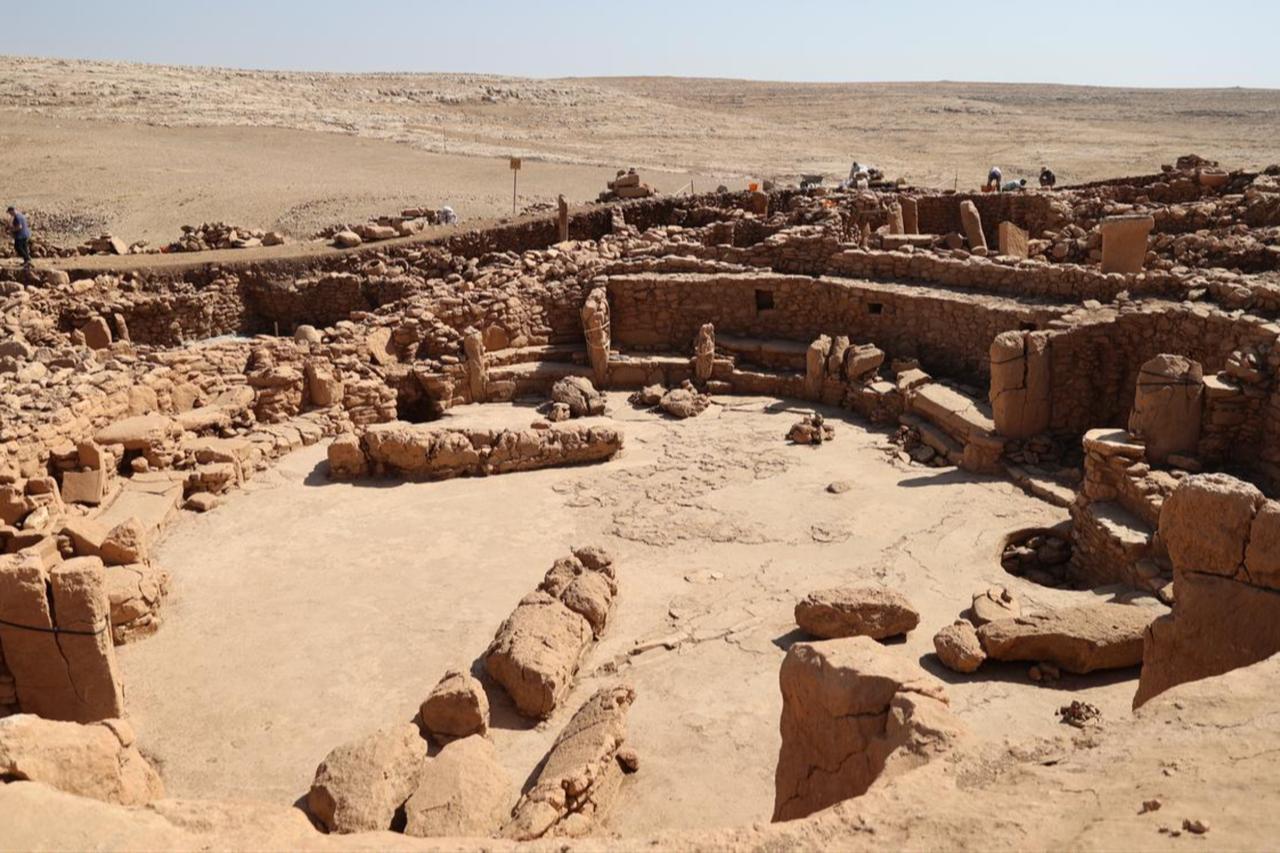


Karahantepe, a major Neolithic settlement in southeastern Türkiye, has been named one of the world’s top 10 archaeological discoveries of 2025 by Archaeology Magazine, a recognition that places the site at the center of renewed global debate over the origins of settled life. The feature, which also appeared on the magazine’s cover, highlights how ongoing excavations are steadily reshaping established views of early human societies in Anatolia.
Located near Sanliurfa and often mentioned alongside the better-known Gobeklitepe, Karahantepe has drawn increasing attention since its first stone structures came to light six years ago. According to the magazine, recent discoveries at the site continue to change how researchers understand communities living during the Pre-Pottery Neolithic period, roughly between 12,000 and 10,200 years ago, when humans were beginning to form permanent settlements but had not yet adopted pottery.
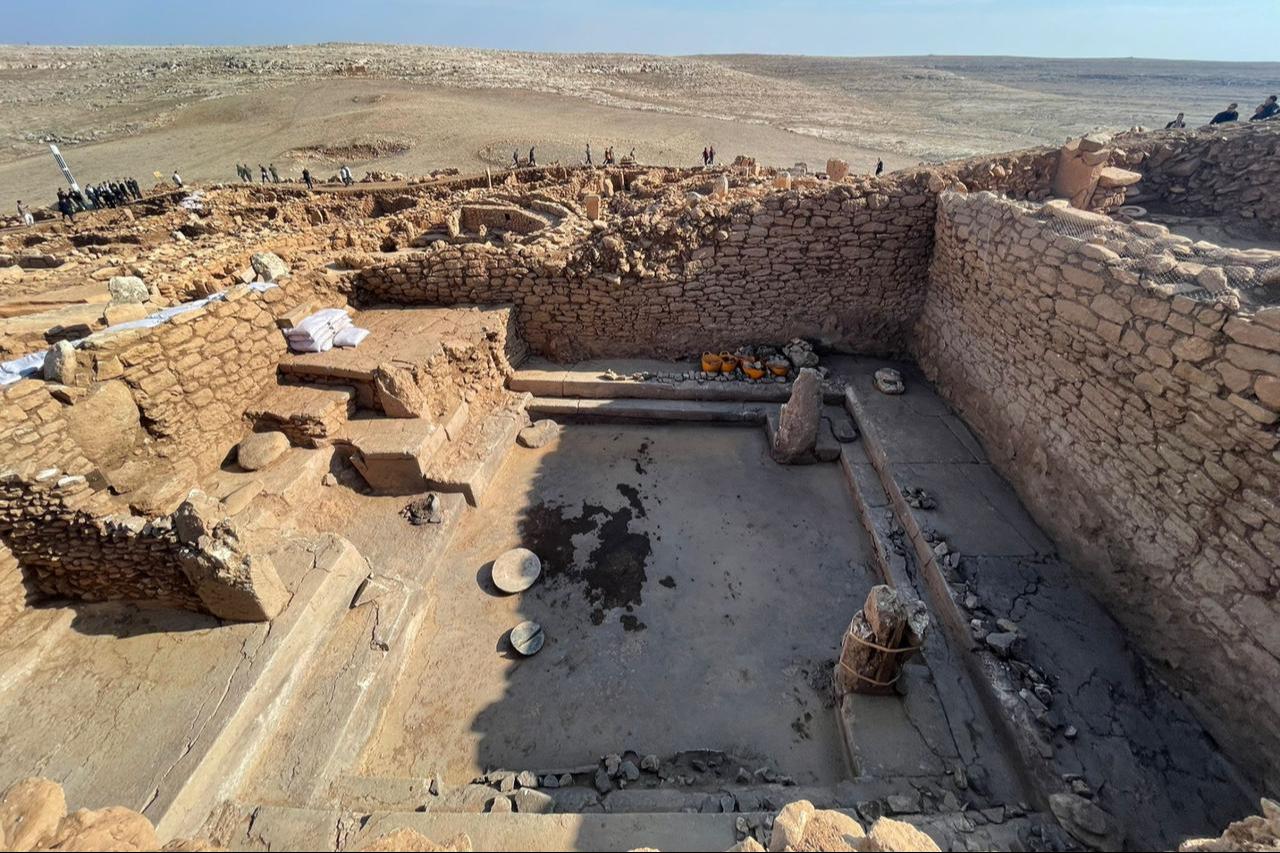

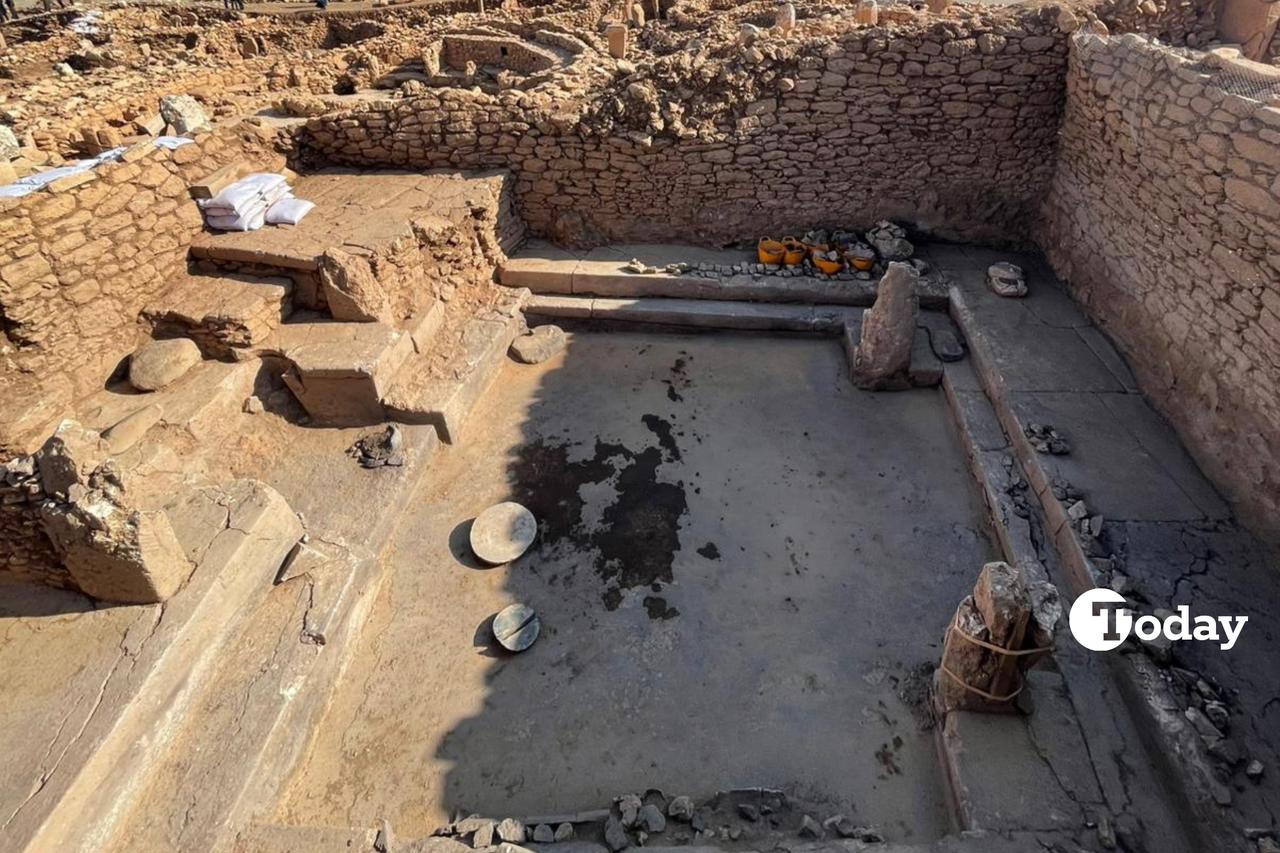
The magazine underlined that the latest excavation season produced two exceptional finds. One is a stone monument carved with a three-dimensional human face, a feature never before documented on the T-shaped pillars that define several Neolithic sites in the region. These pillars have long been interpreted as stylized representations of human figures, yet until now, none had displayed facial details.
Professor Necmi Karul, head of the excavation team, was cited as saying that the presence of a face at the top of the pillar strengthens the idea that these monuments symbolized people rather than abstract forms.

The second discovery involves a group of artifacts interpreted as possibly the world’s oldest three-dimensional narrative, suggesting that early communities were already developing complex ways of telling stories through carved stone.
 1 min read
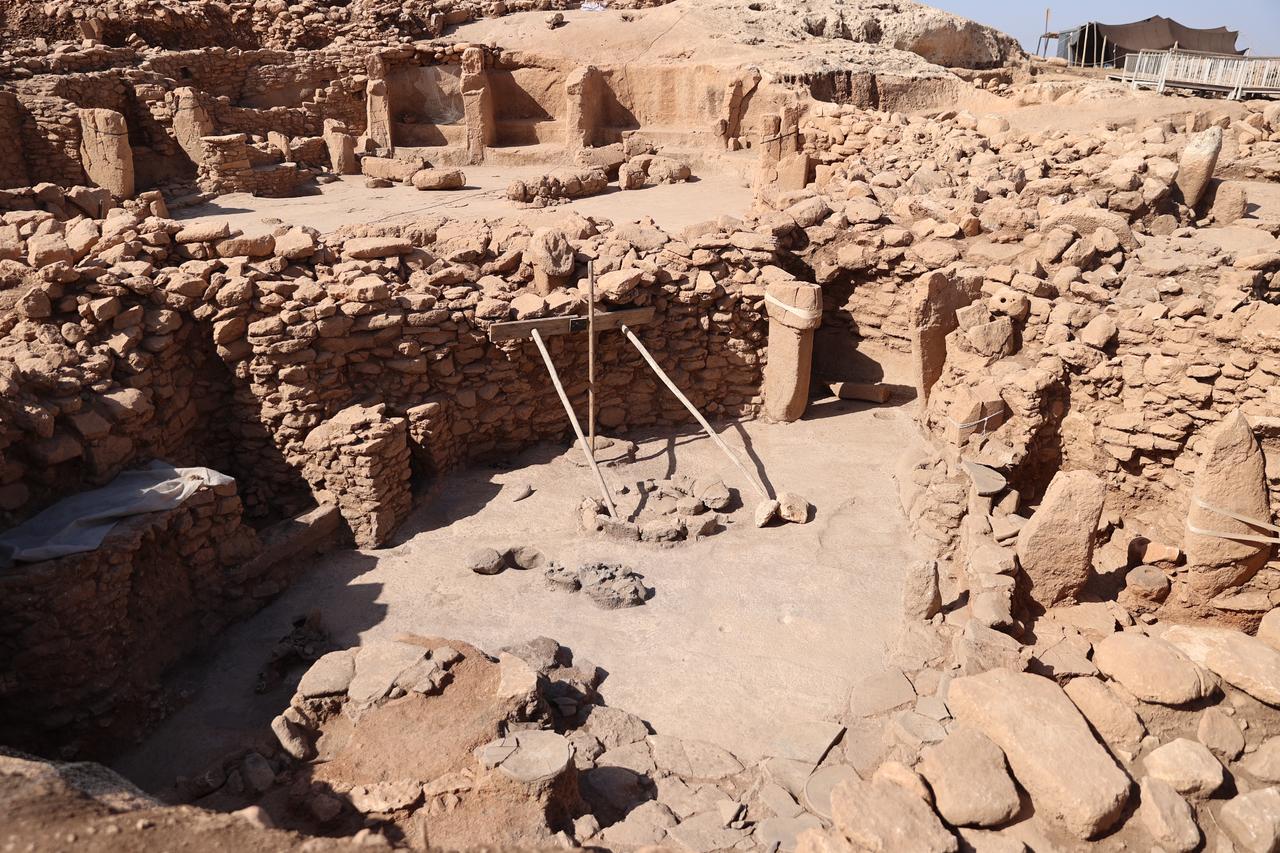
Together, the finds offer rare material evidence of symbolic thinking at a time when such expressions are difficult to trace archaeologically. Archaeology Magazine noted that these remains help researchers piece together how early Anatolian communities viewed themselves and organized their social and spiritual worlds.
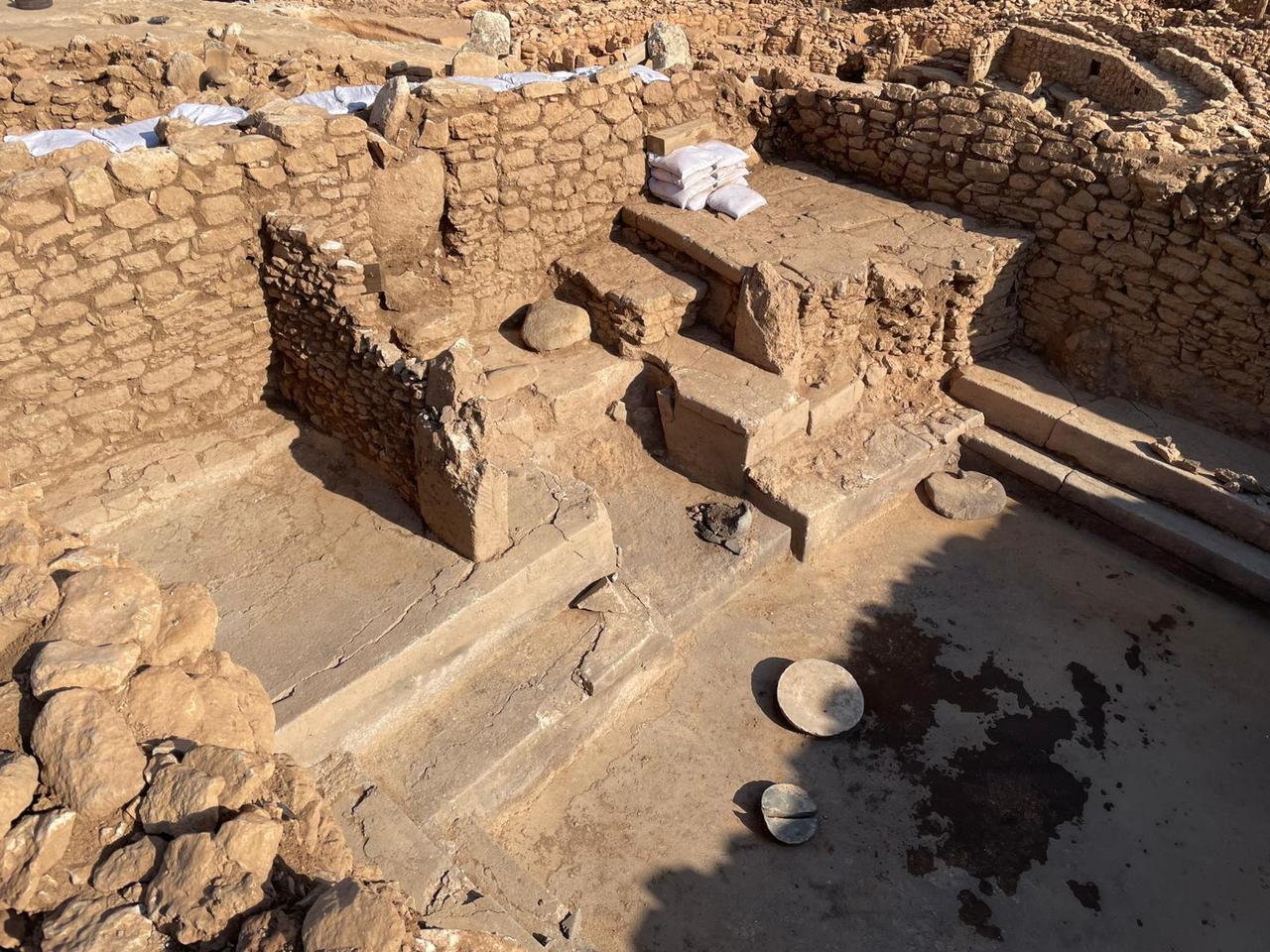
Karahantepe forms a central element of the Tas Tepeler, or Stone Mounds, Project, a long-term research initiative covering several Neolithic sites in Upper Mesopotamia around modern-day Sanliurfa. The project, supported by the Turkish Culture and Tourism Ministry, focuses on the earliest stages of settled life, tracing developments from mobile hunter-gatherer groups to farming societies.
By bringing together excavation data, laboratory-based analyses, and conservation work, the project aims to build a more connected picture of how early human communities lived, built, and expressed belief systems long before written history.
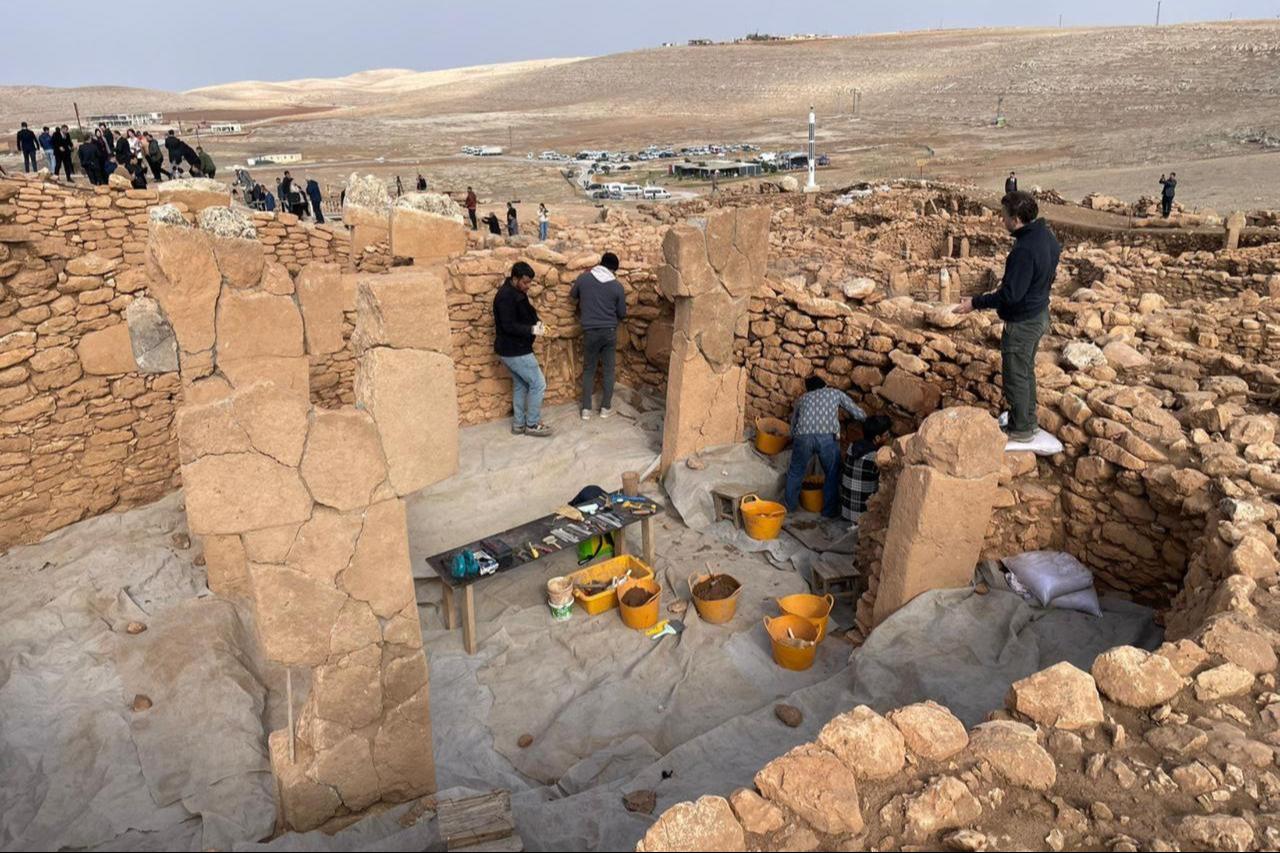
Türkiye’s Culture and Tourism Minister Mehmet Nuri Ersoy welcomed the international recognition through a statement shared on the social media platform NSosyal. He said the inclusion of Karahantepe on the global stage shows how scientific research in Anatolia continues to reshape knowledge of human history. Ersoy expressed confidence that the cumulative work at Tas Tepeler, ranging from detailed micro-analyses to the preservation of symbolic finds, would position the region as the world’s Neolithic capital.
He also stressed the government’s commitment to uncovering and safeguarding Anatolia’s 12,000-year-old heritage through science, while sharing these discoveries with an international audience. In his remarks, Ersoy thanked the scientific teams involved, as well as local authorities in Sanliurfa, for their continued cooperation.


 Set as preferred source
 Set as preferred source


 1 min read