Newsletters


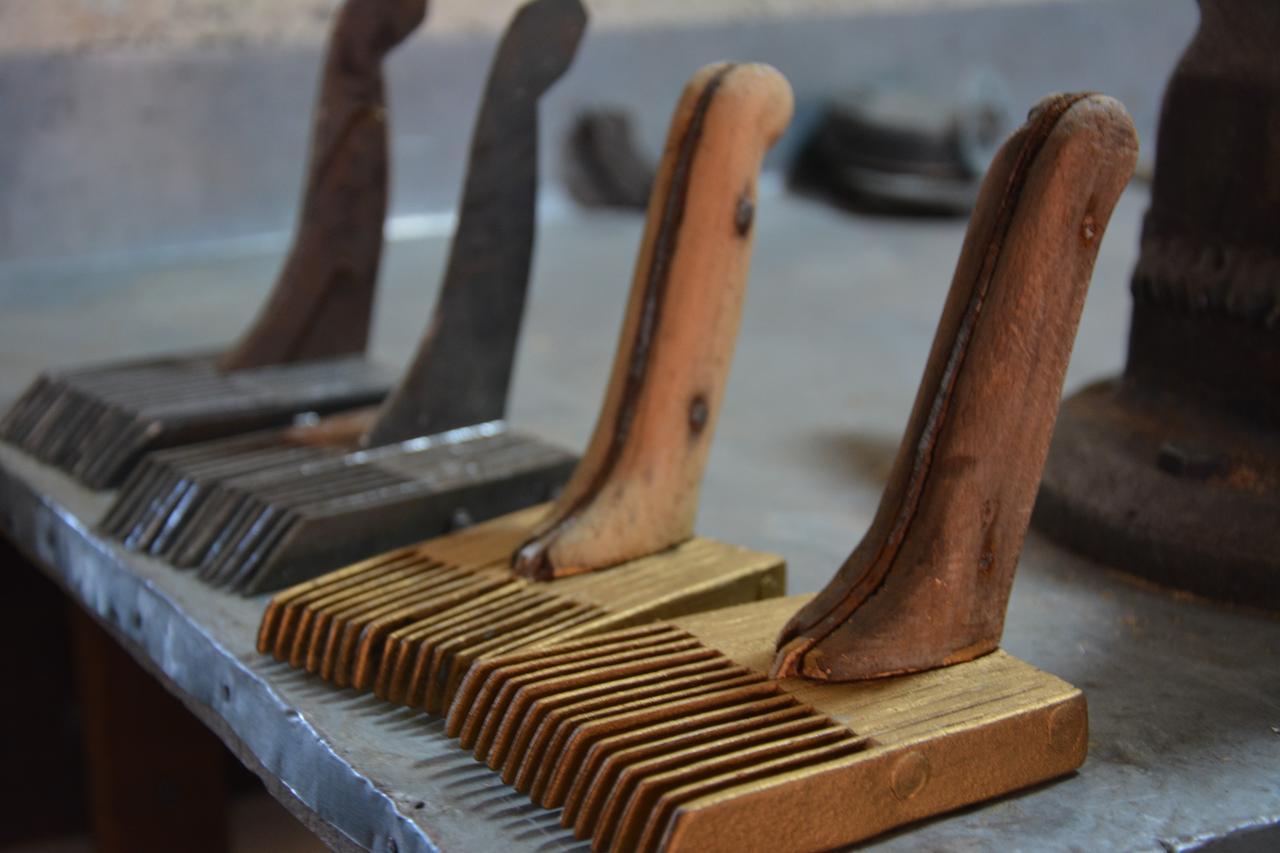


Master artisan Ismail Cilengir is single-handedly preserving the centuries-old craft of kirkit production in Manisa, western Türkiye. The kirkit, an essential tool for handwoven carpet making, continues to be produced through his dedication to this traditional trade.
Cilengir family’s craft dates back to 1925, when it began with hot-and-cold blacksmithing. Over time, the tradition evolved into kirkit production, a specialized trade passed down from one generation to the next.
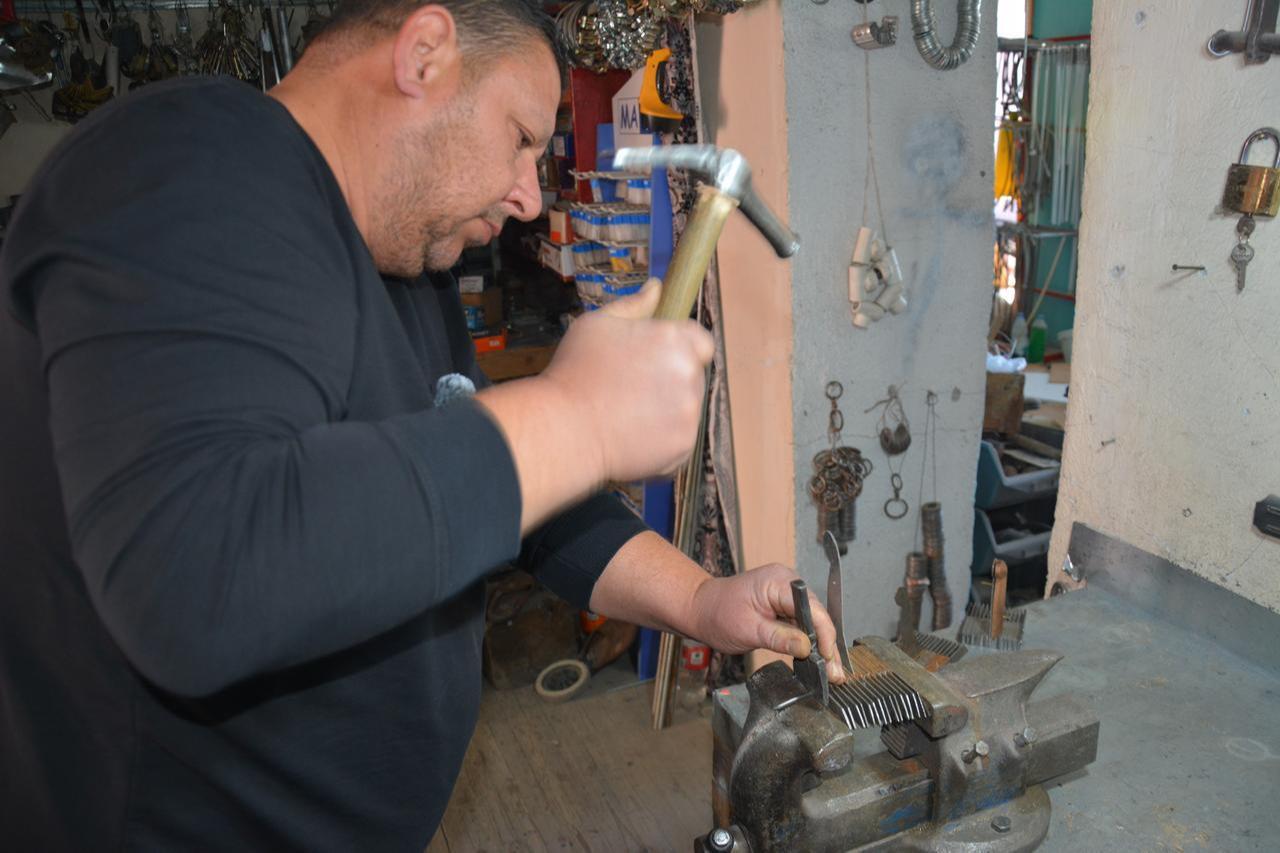

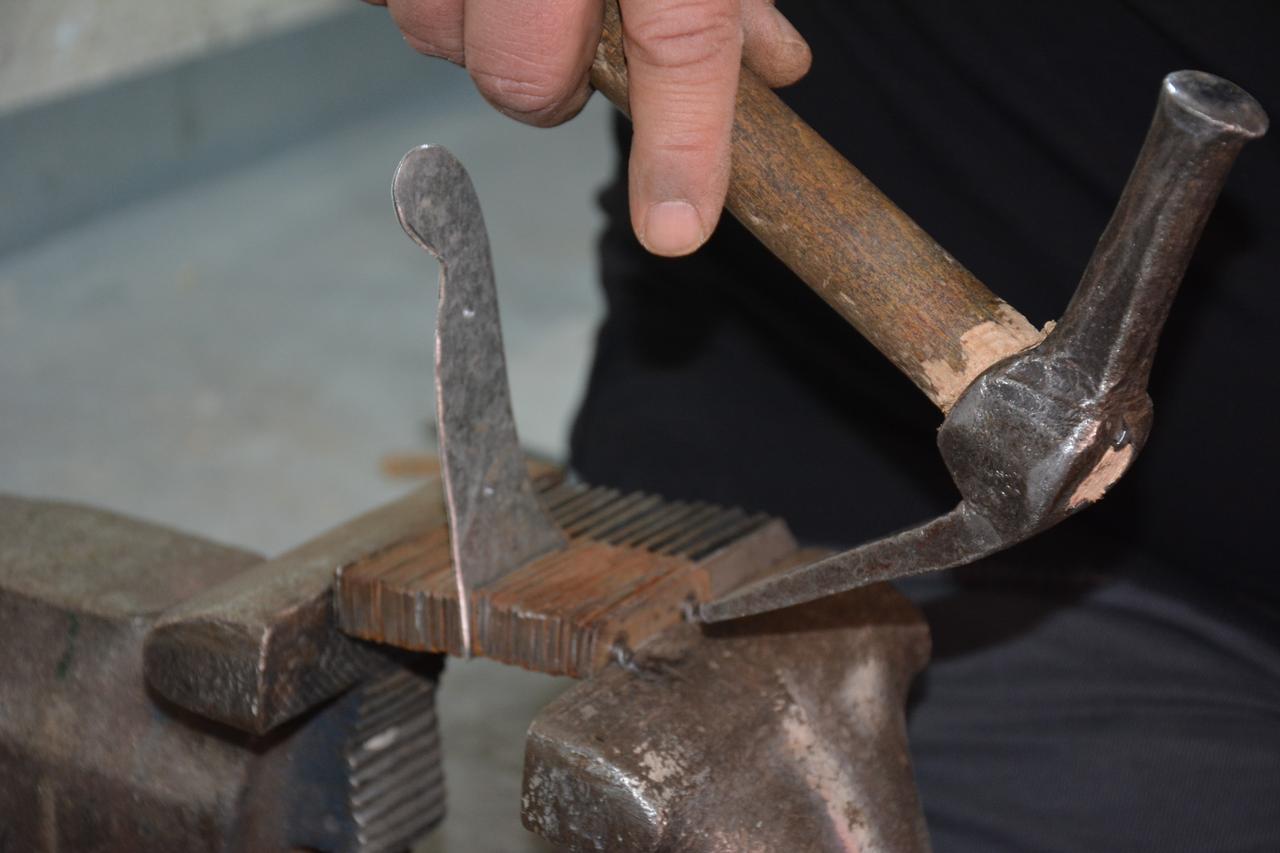
Today, Ismail Cilengir carries forward this 101-year-old heritage, continuing production in a small workshop converted from a hardware store. He shapes iron sheets using traditional methods involving fire, anvil, and hammer, producing kirkits entirely by hand.
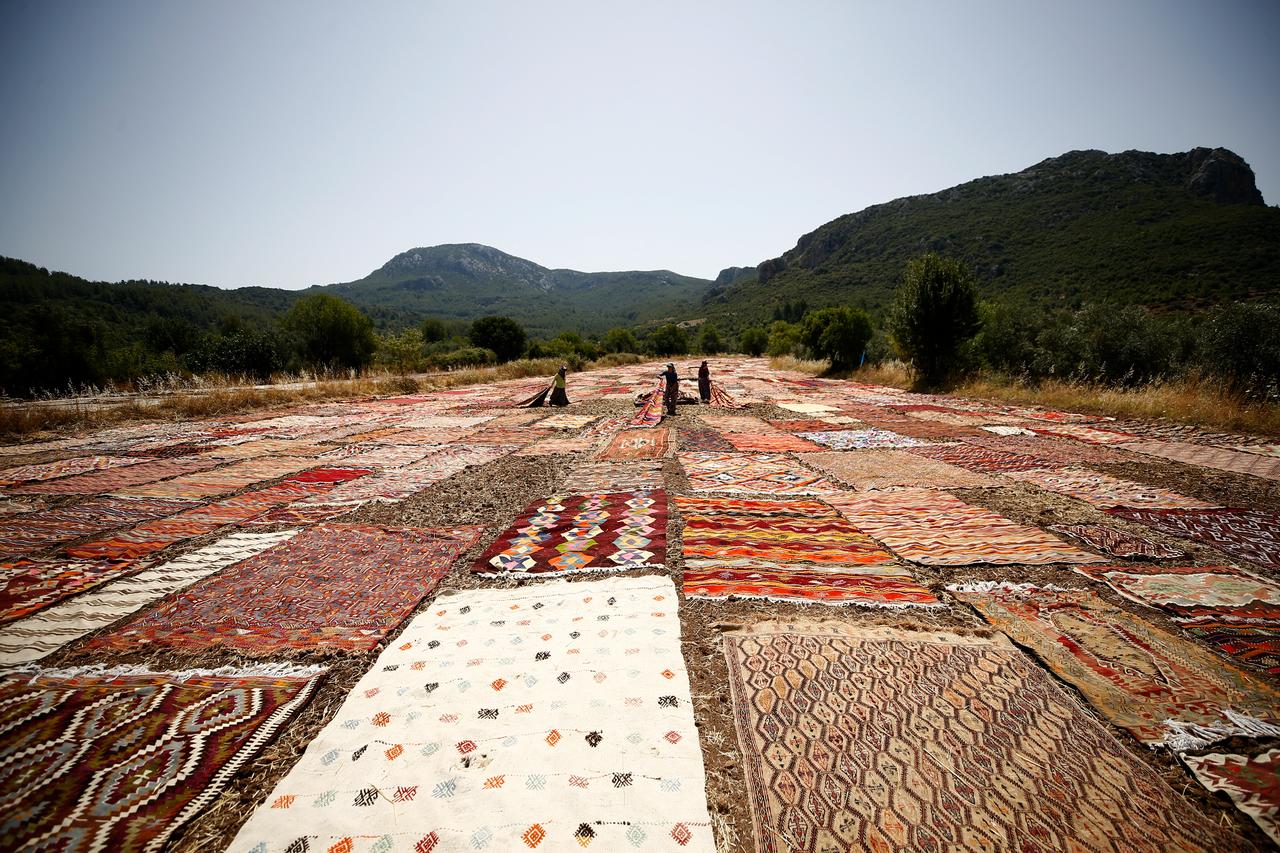
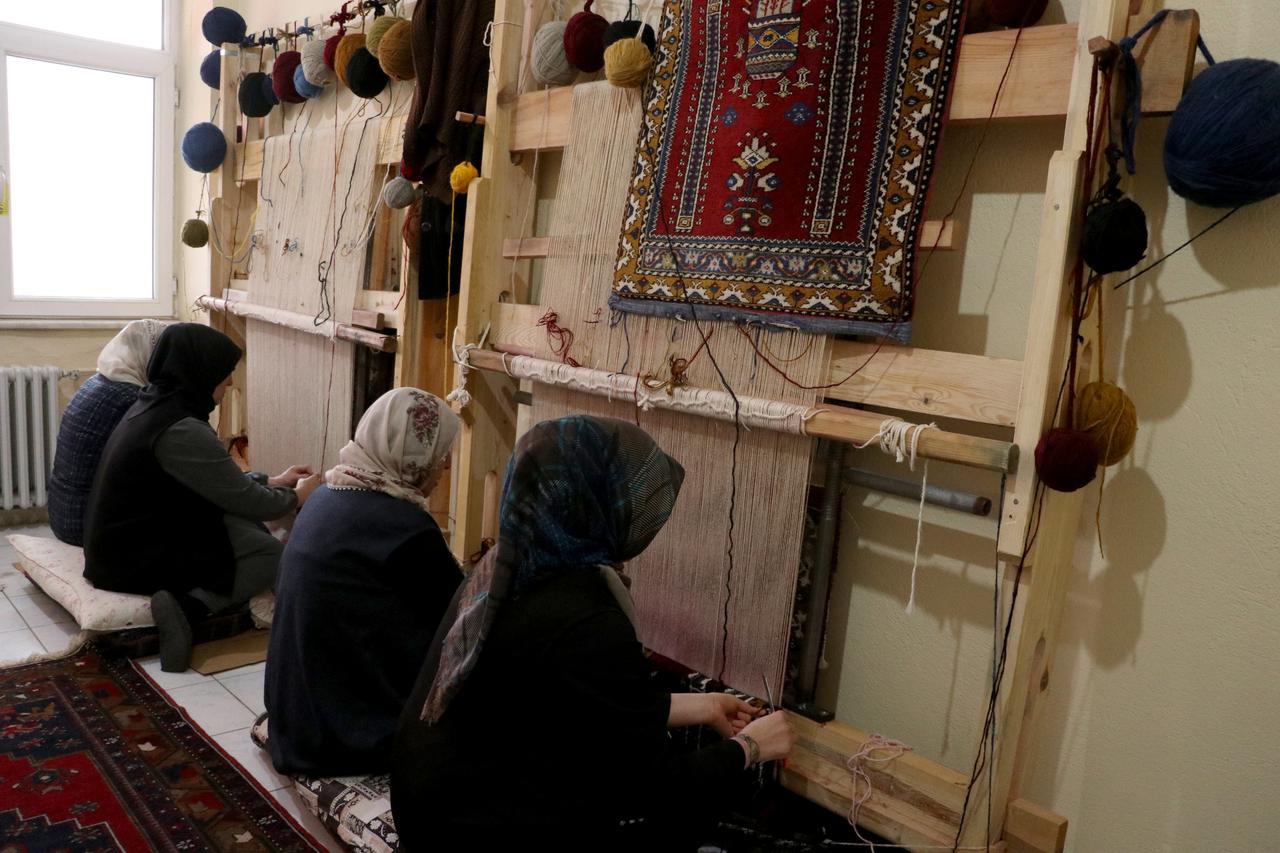
Once common in Demirci, kirkit production was deeply tied to the region’s extensive handwoven carpet industry. Cilengir recalled that nearly every household once operated a carpet loom, and demand for kirkit tools frequently exceeded local production capacity.
Although traditional weaving has declined, Cilengir reports continued demand from established carpet production centers, including Usak, Balikesir, and Selendi. He also receives orders from international buyers.
Working at a steady pace, the artisan produces an average of three to four kirkits per week, balancing craftsmanship with limited but sustained demand.


 Set as preferred source
 Set as preferred source


 1 min read
 1 min read