Newsletters


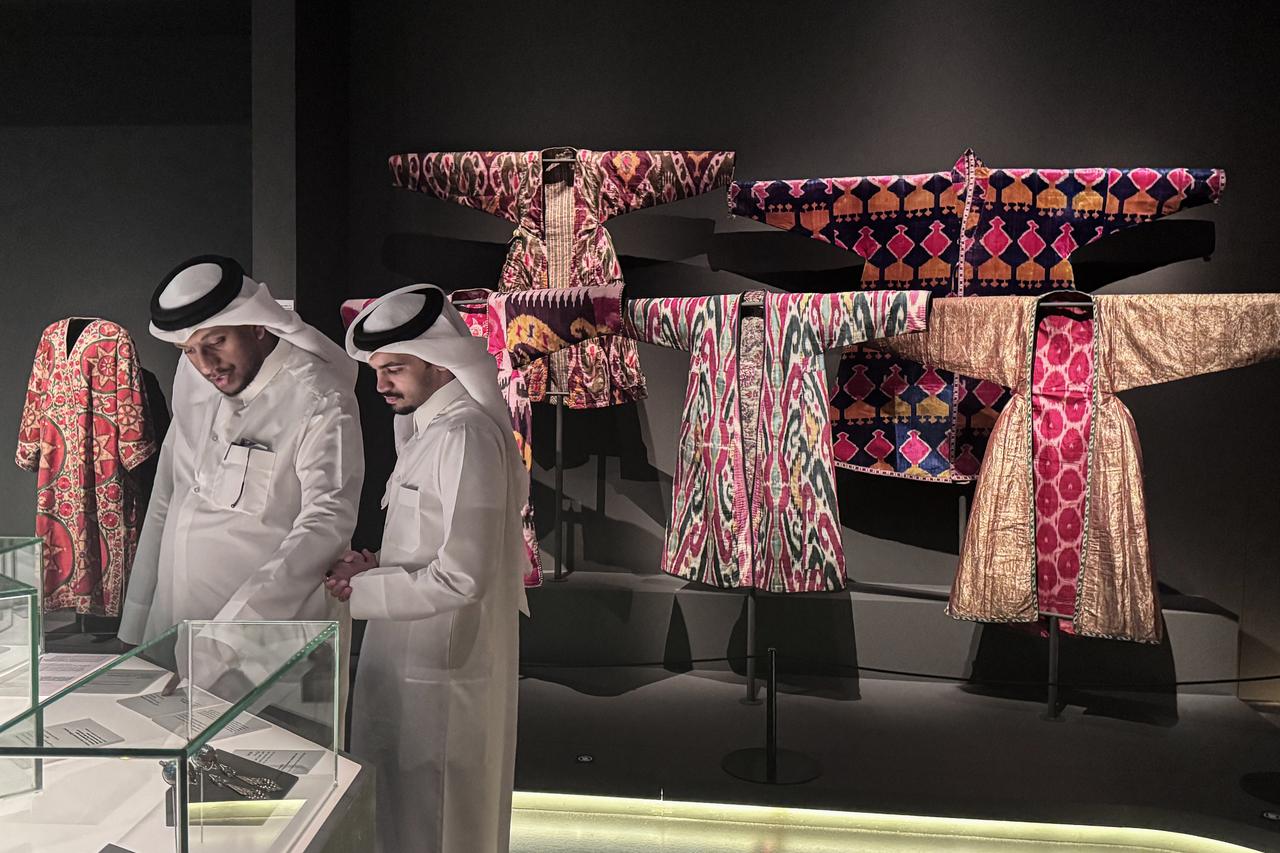


Uzbekistan's Islamic heritage, spanning more than 1,200 years, has gone on display at the Museum of Islamic Art in Doha, Qatar, bringing together rare manuscripts, architectural artifacts, traditional clothing and decorative arts that trace the country's cultural development from the eighth century to the present day.
Titled "Uzbekistan: A Heritage in Motion," the exhibition features objects ranging from a 15th-century astrolabe to Islamic calligraphy, illustrated manuscripts, ceramics and textiles. It will remain open to visitors until Nov. 28.
Organized in collaboration with the Uzbekistan Art and Culture Development Foundation and led by Uzbek curator Anastasiya Silkatcheva, the exhibition is divided into four thematic sections exploring how Islamic traditions shaped Uzbekistan's cultural identity and artistic heritage.

Among the exhibition's highlights are a calligraphic tile produced in Samarkand during the Timurid period, a page from a Quran manuscript dating to the reign of Baysunghur, and an illustrated page from "Gulistan," the literary work of Persian poet Saadi Shirazi.
Visitors can also view a bowl decorated with Kufic script, an early style of Arabic calligraphy, dating to the Samanid dynasty, alongside a 15th-century astrolabe, an instrument historically used for astronomical calculations.
The exhibition also looks into the scientific and intellectual achievements of scholars associated with the territory of modern-day Uzbekistan, including Al-Khwarizmi, Al-Biruni and Ulugh Beg.
Manuscripts and interactive displays introduce their contributions to astronomy, medicine and Islamic scholarship, while a separate architectural section explores traditional building materials, including brick, and the contributions of the Samanid and Timurid dynasties to art, science and culture.
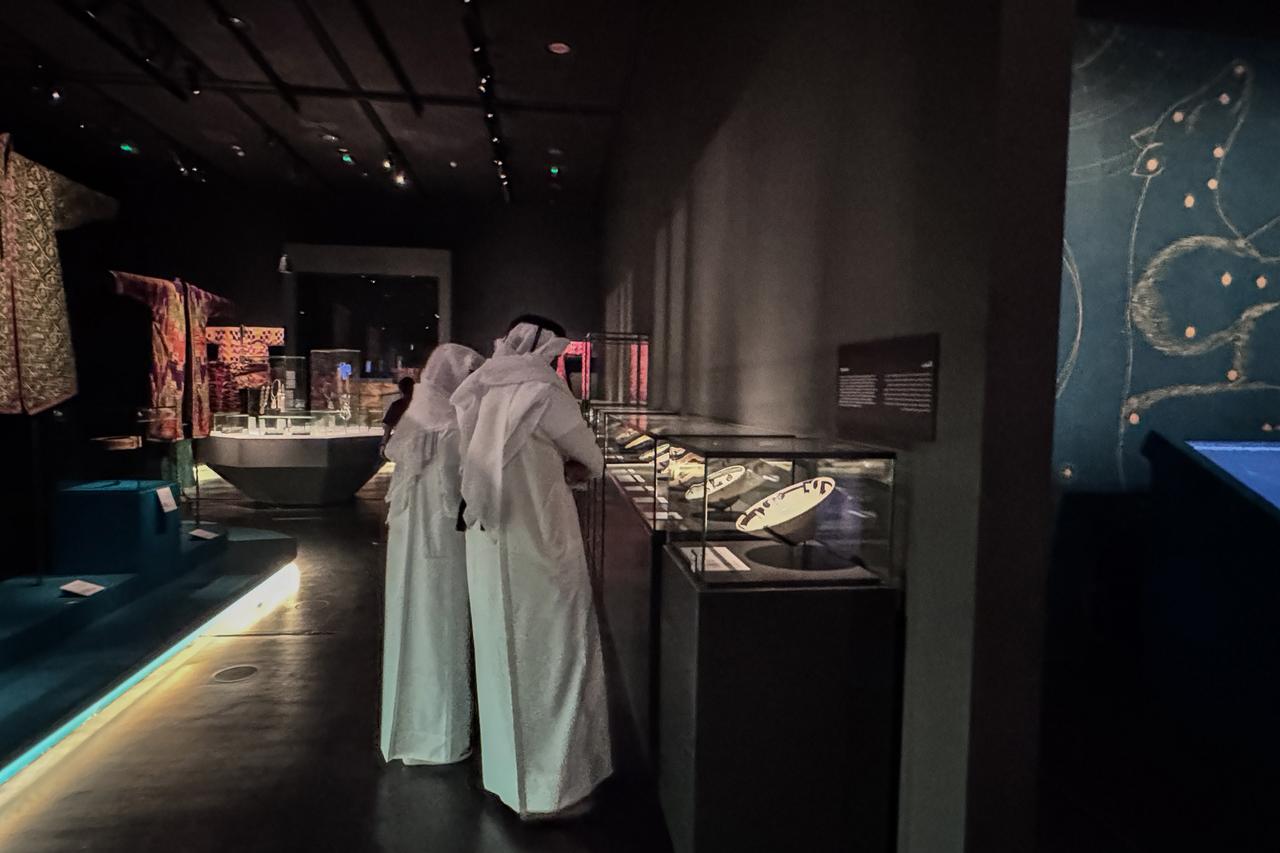
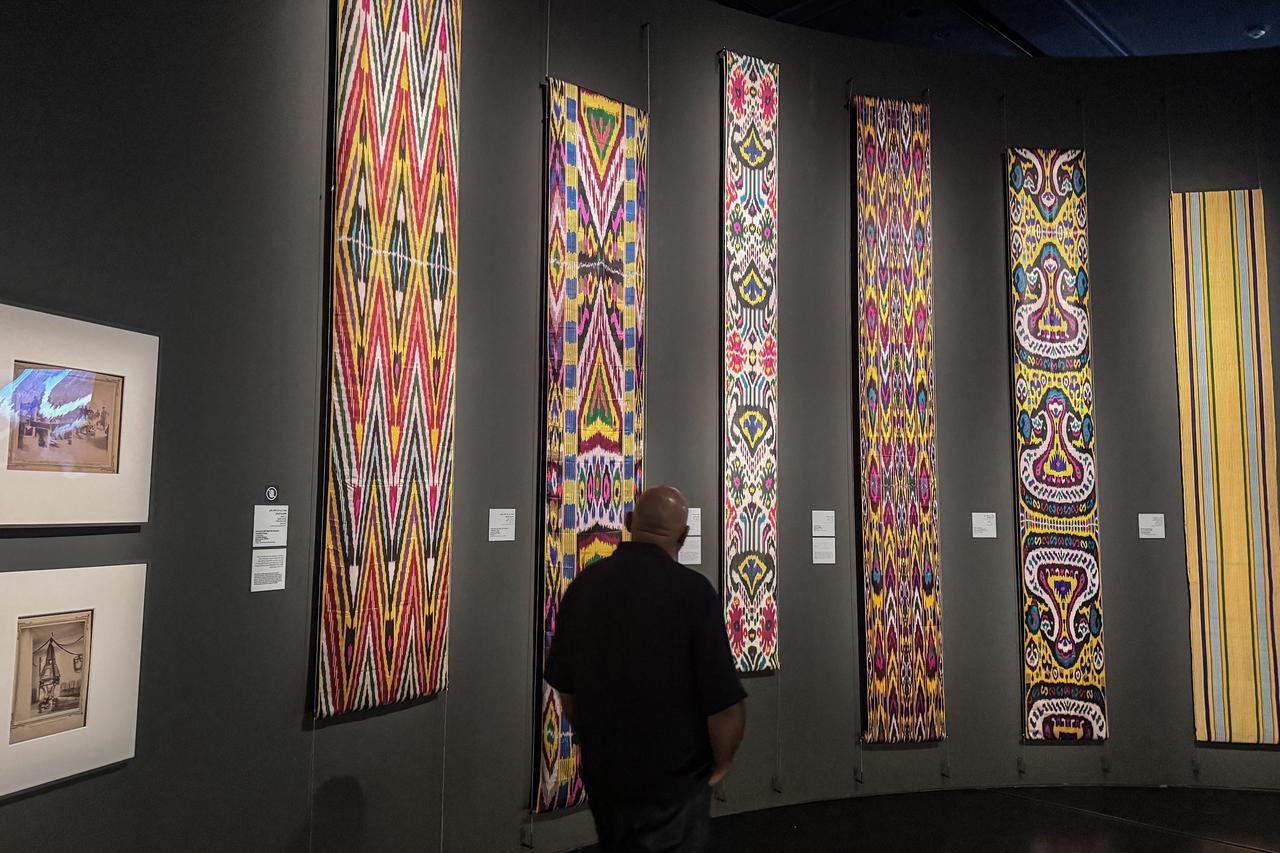
Another section brings together examples of Uzbekistan's longstanding handicraft traditions, featuring ceramics, jewelry, clothing and woven textiles.
Among the objects on display are a suzani, a traditional embroidered textile decorated with silk and wool, and a gilded silver necklace dating to the 20th century.
Through these objects, the exhibition traces how artistic styles and production techniques have been passed down through generations, connecting Uzbekistan's historical craftsmanship with its contemporary cultural identity.
"Uzbekistan: A Heritage in Motion" is open at the Museum of Islamic Art in Doha until Nov. 28, 2026.


 Set as preferred source
 Set as preferred source


 1 min read