Newsletters


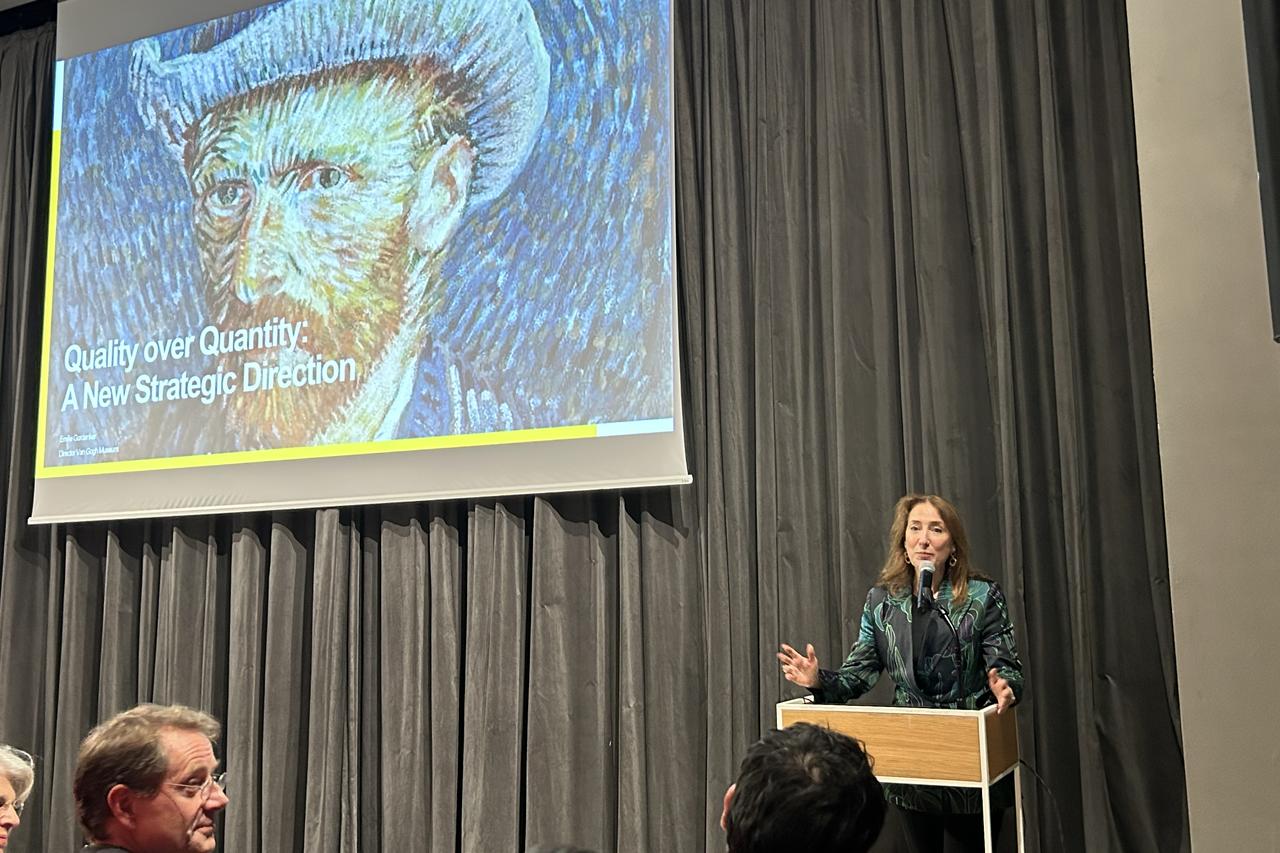


The Van Gogh Museum in Amsterdam is moving away from a strategy centered on attracting ever-growing crowds, instead focusing on visitor experience, diversity and reaching audiences who have traditionally stayed away from museums, its director Emilie Gordenker said during an event at Istanbul Modern.
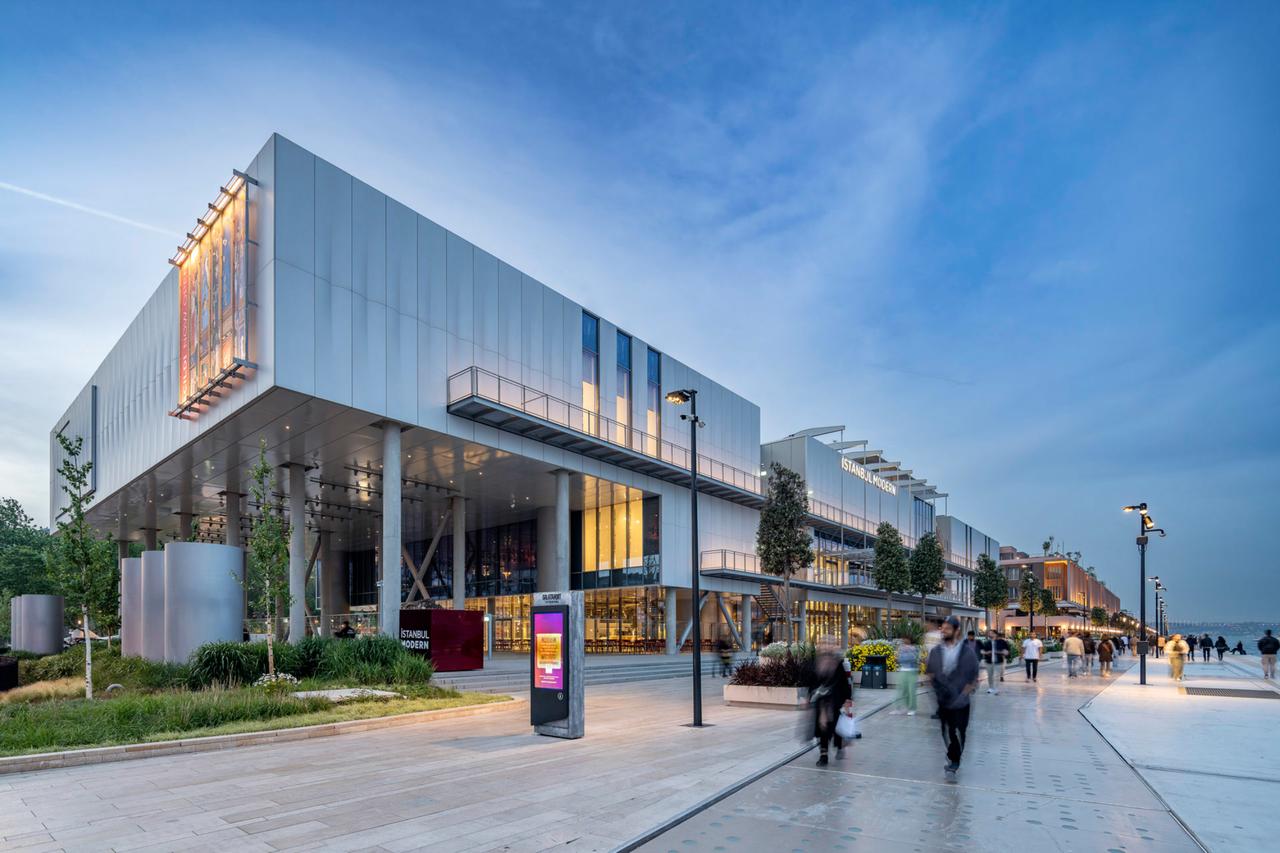
Speaking at the museum's auditorium in Istanbul, Gordenker outlined the institution's new approach in a presentation titled "Quality over Quantity: A New Strategic Direction," organized as part of Istanbul Modern's "Museums Talk" program in cooperation with the Consulate General of the Netherlands in Istanbul.
The program, held annually since 2012, brings leading international museum professionals together with art enthusiasts and cultural institutions in Türkiye.
Gordenker said the museum, which welcomes approximately 1.8 million visitors annually, has begun questioning whether increasing attendance should remain its primary measure of success.
"We have moved away from the idea of growth, of welcoming as many people as possible," she said, explaining that the institution is now asking who it has failed to reach and why certain audiences do not visit.
She described the shift as a radical departure from conventional museum management, where institutions typically seek more visitors, greater revenue and continued expansion.
Although financial sustainability remains essential, Gordenker emphasized that the museum aims to maintain high standards rather than pursue growth for its own sake.
Managing large crowds within the museum's limited physical space also presents operational challenges. To provide a safe and enjoyable experience, the institution strictly enforces a timed-entry reservation system.
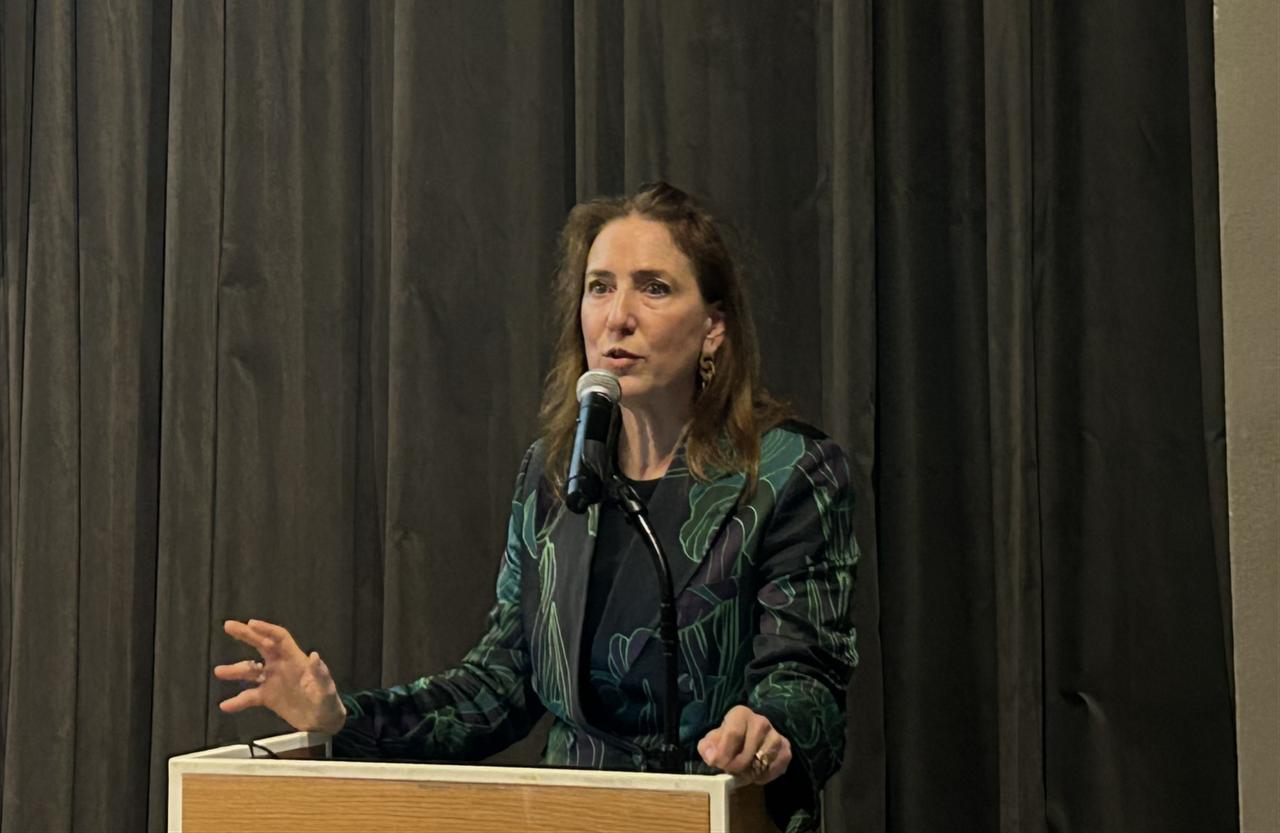

Beyond the museum's current strategy, Gordenker highlighted the largely overlooked role of Jo Bonger, the widow of Vincent van Gogh's brother Theo, in preserving the artist's legacy.
Following Vincent's death in 1890 and Theo's death just six months later, Bonger took responsibility for the collection at a time when women lacked voting rights and female participants in the art market faced widespread discrimination.
Determined to fulfill her husband's ambition of bringing Vincent's work to international attention, she carefully managed the sale of paintings while resisting efforts to break up the collection.
Gordenker recalled how Bonger rejected an offer from prominent collector Helene Kroller-Muller to purchase the entire collection, choosing instead to preserve its integrity.
A defining moment came in 1924, when Samuel Courtauld acquired a version of Van Gogh's Sunflowers for London's National Gallery.
"Now my work is done. Vincent is hanging among the greatest paintings in the world," Bonger said, according to Gordenker's account.
Bonger subsequently stopped selling the paintings and died shortly afterward.
The collection was later placed under a foundation by the artist's nephew, engineer Vincent Willem van Gogh. An agreement with the Dutch government eventually ensured its permanent accessibility to the public.
Gordenker also explained that the Van Gogh Museum's mission extends beyond displaying the artist's paintings.
Its collection covers a broader artistic period from 1850 to 1910, placing Van Gogh's work within the artistic movements and developments of his era.
Academic expertise and research remain central to the institution's strategy, with the museum using its own revenue to support scholars and research activities.
According to Gordenker, approximately 20% of the museum's budget comes from its shops and commercial operations, while ticket sales and sponsorships account for the remaining funding.
She emphasized that maintaining high-quality products, exhibitions and visitor services helps reinforce the museum's broader message.
The event opened with remarks by Dutch Consul General Daan Huisinga, who highlighted the longstanding cultural connection surrounding Van Gogh's legacy and the importance of keeping the artist relevant without reducing his work to a familiar cultural cliché.
The discussion concluded with a question-and-answer session involving museum professionals and art enthusiasts.


 Set as preferred source
 Set as preferred source


 1 min read
 1 min read