Newsletters


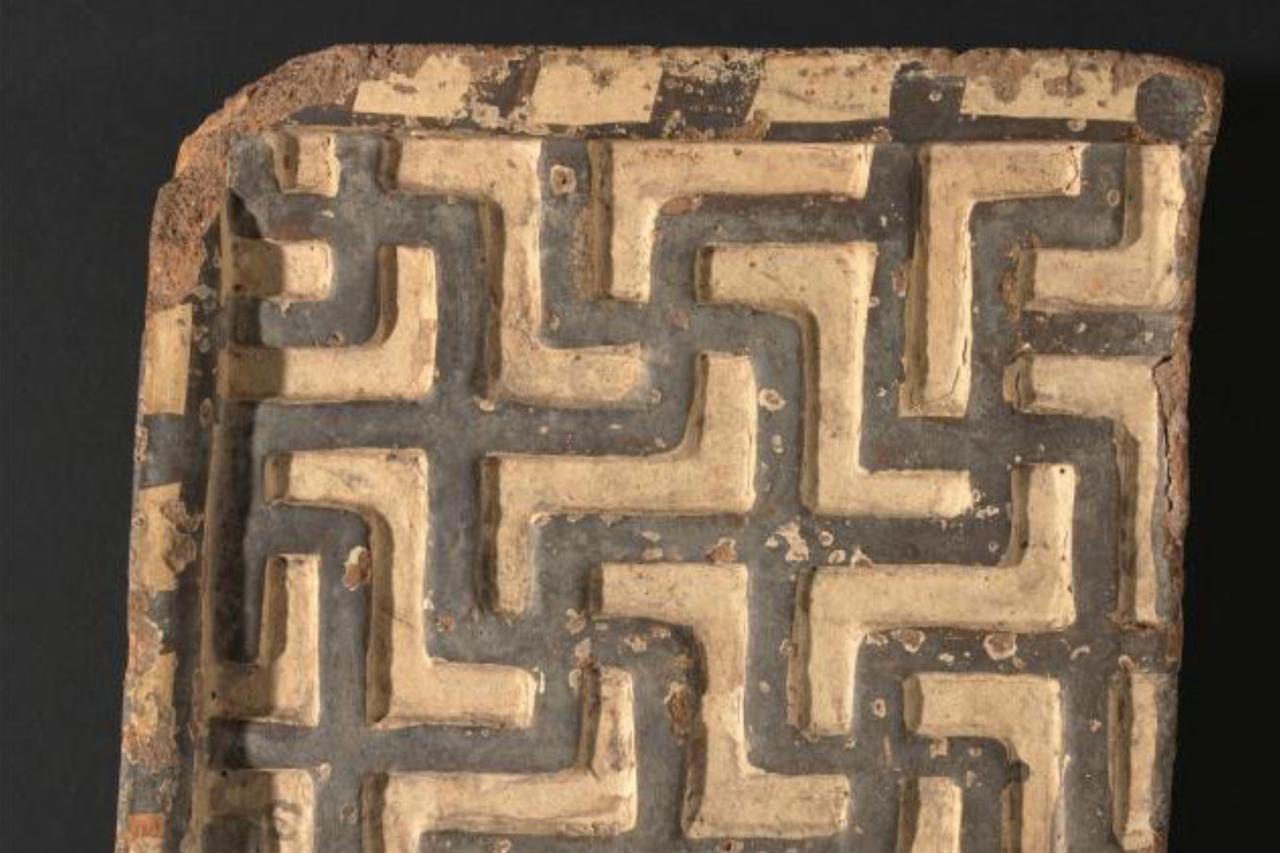


The Virginia Museum of Fine Arts in Richmond has returned 41 polychrome terracotta relief fragments to Türkiye after an investigation by the Antiquities Trafficking Unit of the Manhattan District Attorney’s Office confirmed that the objects came from an illegally excavated Phrygian temple.
The reliefs date back to the sixth century B.C.E. and were valued at about $400,000.
VMFA bought 34 reliefs from Summa Galleries in Beverly Hills in 1978. Chicago-based antiquities dealer Harlan J. Berk donated six fragments the same year. Summa Galleries gave one more fragment in 1979, which completed the group of 41 items now repatriated.
VMFA Director and CEO Alex Nyerges said the institution reached its decision after a full review of the evidence.
“Based on the evidence shown to VMFA, we are convinced that we do not have clear title for these reliefs. We are therefore happy to be working with the Antiquities Trafficking Unit of the Manhattan District Attorney’s Office to return all of the polychrome terracotta fragments in question to Türkiye,” he said, as reported by VMFA.
The museum received the restitution claim on Nov. 3. Curatorial and provenance research staff then supplied all related documents, including receipts, invoices, shipping and storage records, import and export paperwork, appraisal material and correspondence. Investigators presented what museum officials described as clear and irrefutable evidence on Nov. 17.
Dr Lisa Brody, VMFA’s curator of ancient art, said the findings left no doubt about the origins of the objects. “When, as in this case, there is indisputable evidence that objects were obtained through illicit excavation and illegal export, we consider it essential to return these works to their country of origin,” she said.
Artistic Director and Chief Curator Dr Michael Taylor added that the institution welcomed the chance to correct the record.
“Stolen or looted art has no place in our collection. We are therefore delighted to return these works and thank Colonel Bogdanos and his team of investigators for alerting VMFA to the presence of these illegally excavated works in our ancient art holdings,” he said.
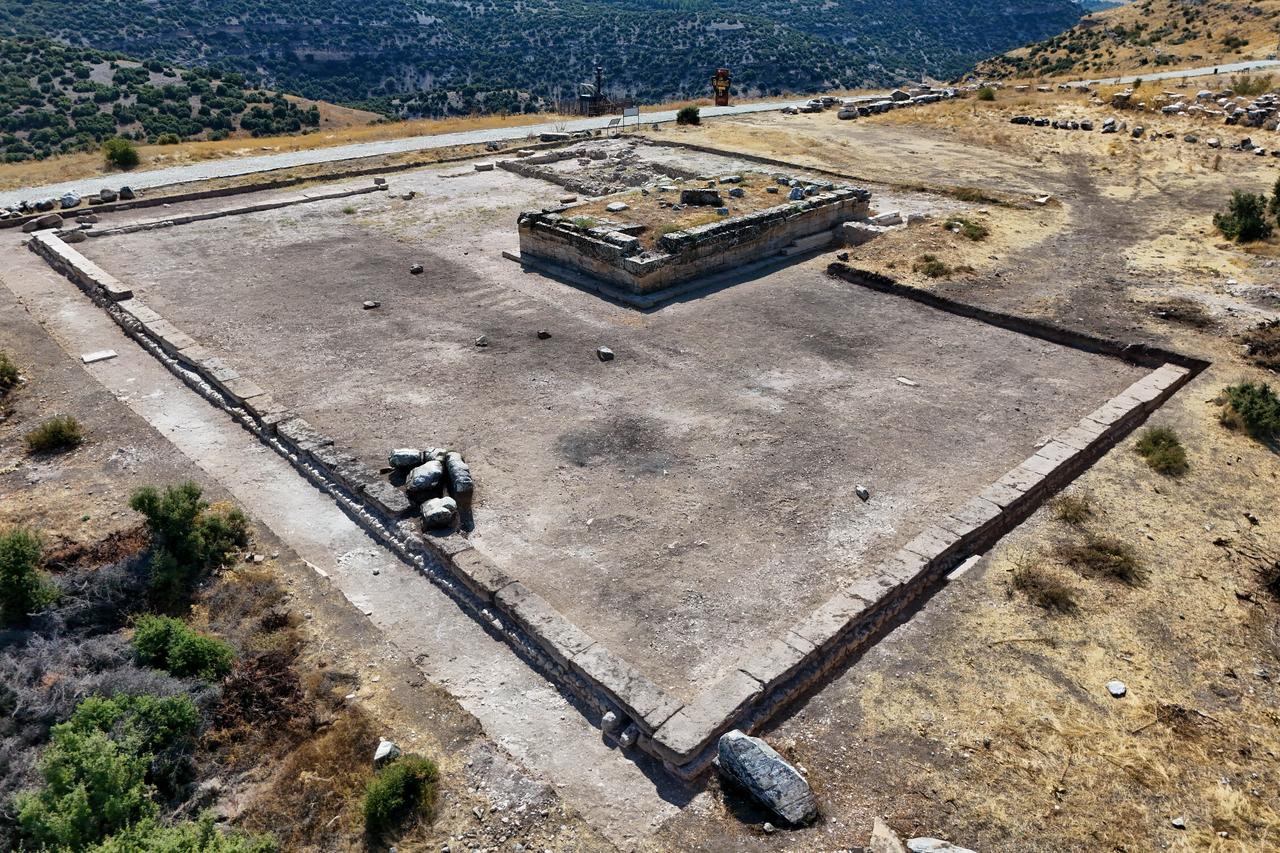
According to the Antiquities Trafficking Unit, the fragments belong to a large group of polychrome terracotta reliefs removed from a sixth century BCE Phrygian temple in Duver, in southwestern Türkiye.
The site was illegally excavated between 1962 and 1968. The finds were then exported and sold on the international art market.
The reliefs circulated for more than 50 years before investigators tracked their route into the VMFA collection. Colonel Matthew Bogdanos, who leads the Antiquities Trafficking Unit, met museum officials in Richmond and showed the evidence that confirmed the objects had left Türkiye through illicit channels.
The museum’s cooperation drew praise from investigators. VMFA said it remains committed to full transparency regarding objects that entered the collection without clear ownership histories.
Its approach follows guidelines from the American Alliance of Museums and the Association of Art Museum Directors.
The institution has carried out several repatriation efforts over the past two decades and returned 44 works to Italy, Egypt and Türkiye in 2023.
It is also compliant with the Native American Graves Protection and Repatriation Act, updated in 2024, and has returned seven objects to tribal communities. Since 2004, VMFA has resolved four claims related to Nazi era art.
The latest return adds to a growing number of cases worldwide where museums reassess the provenance of ancient works acquired during the twentieth century art trade. VMFA stated that it will continue to study its holdings and respond to restitution claims with full documentation and support.
The museum remains one of the largest comprehensive art institutions in the United States, holding more than fifty thousand works and welcomes visitors year-round with free general admission.


 Set as preferred source
 Set as preferred source


 3 min read