Newsletters


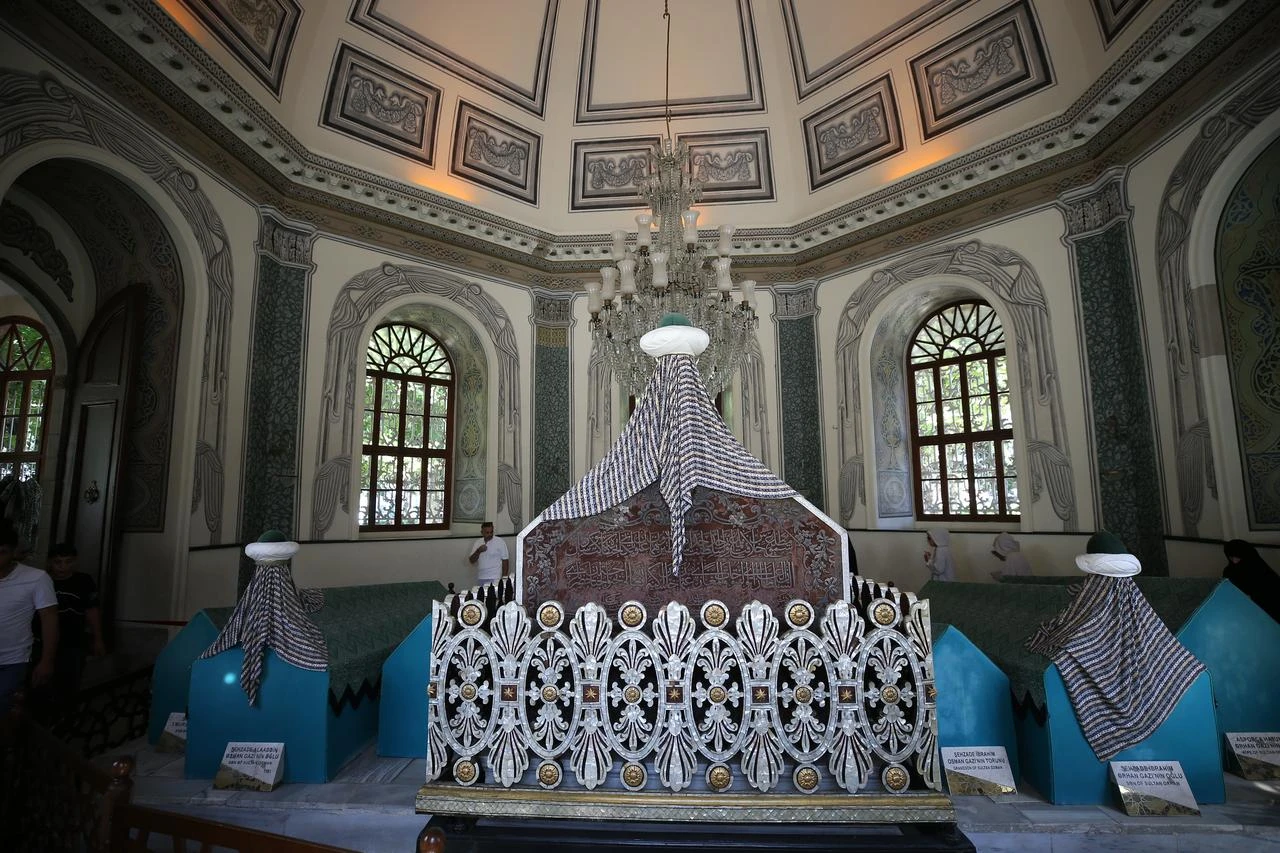
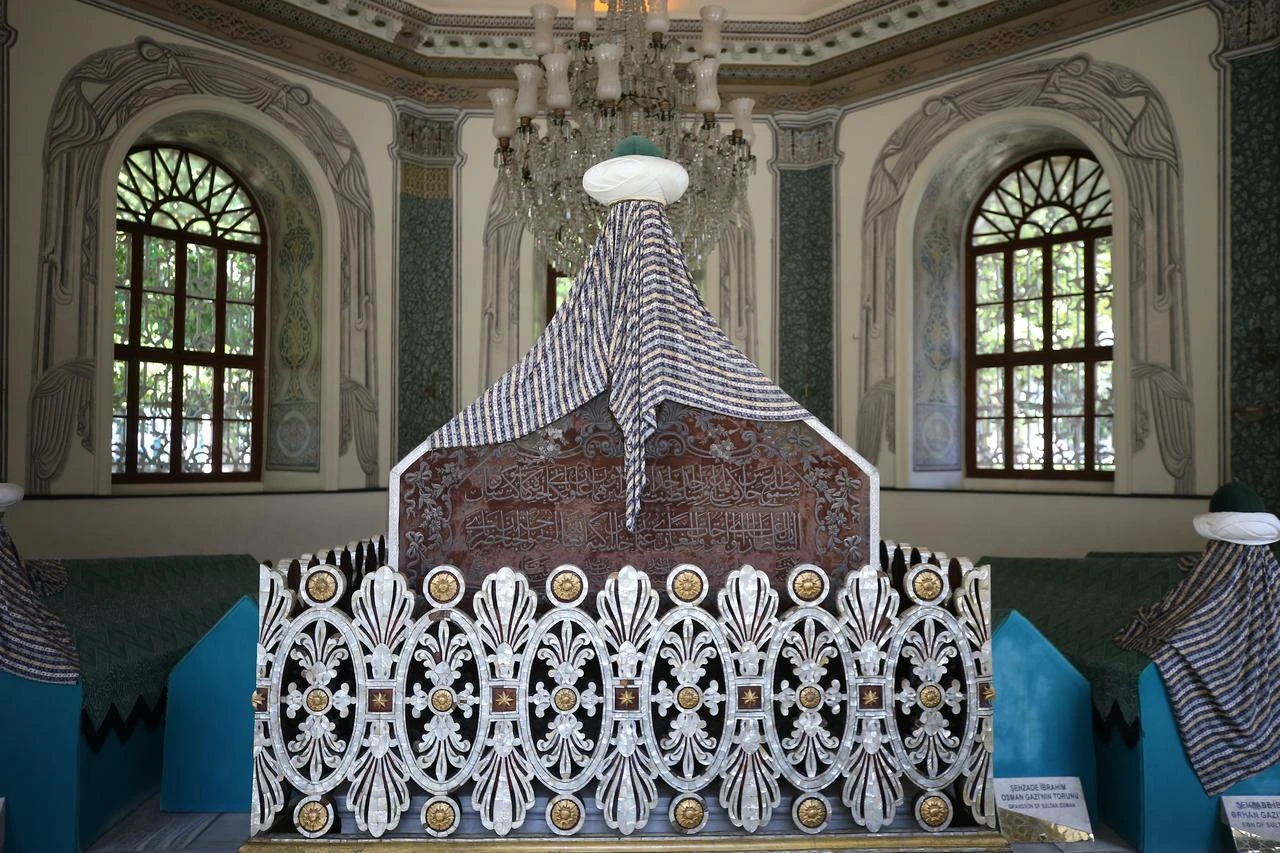
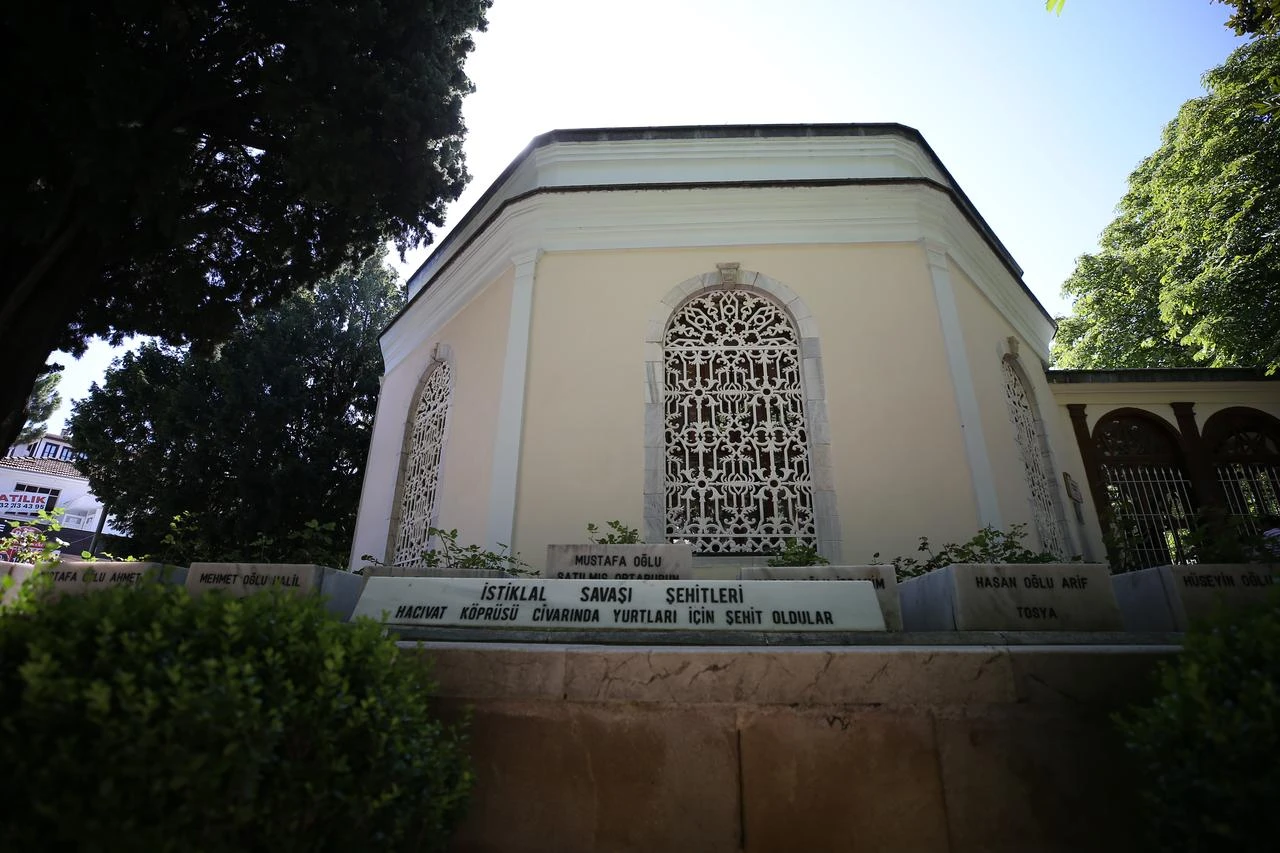
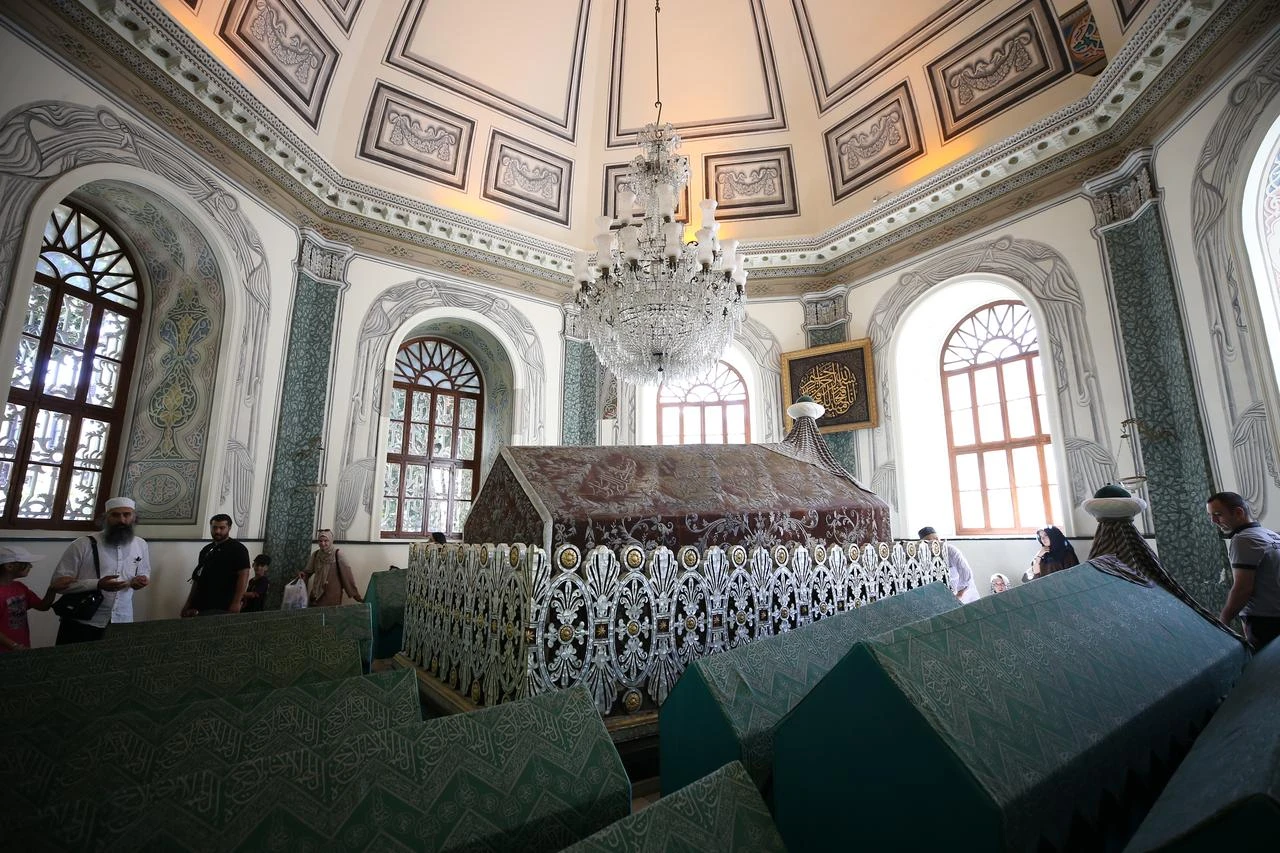
Bursa, in northwestern Türkiye near the southern shore of the Sea of Marmara, holds the tomb of Osman Gazi, founder of the Ottoman state.
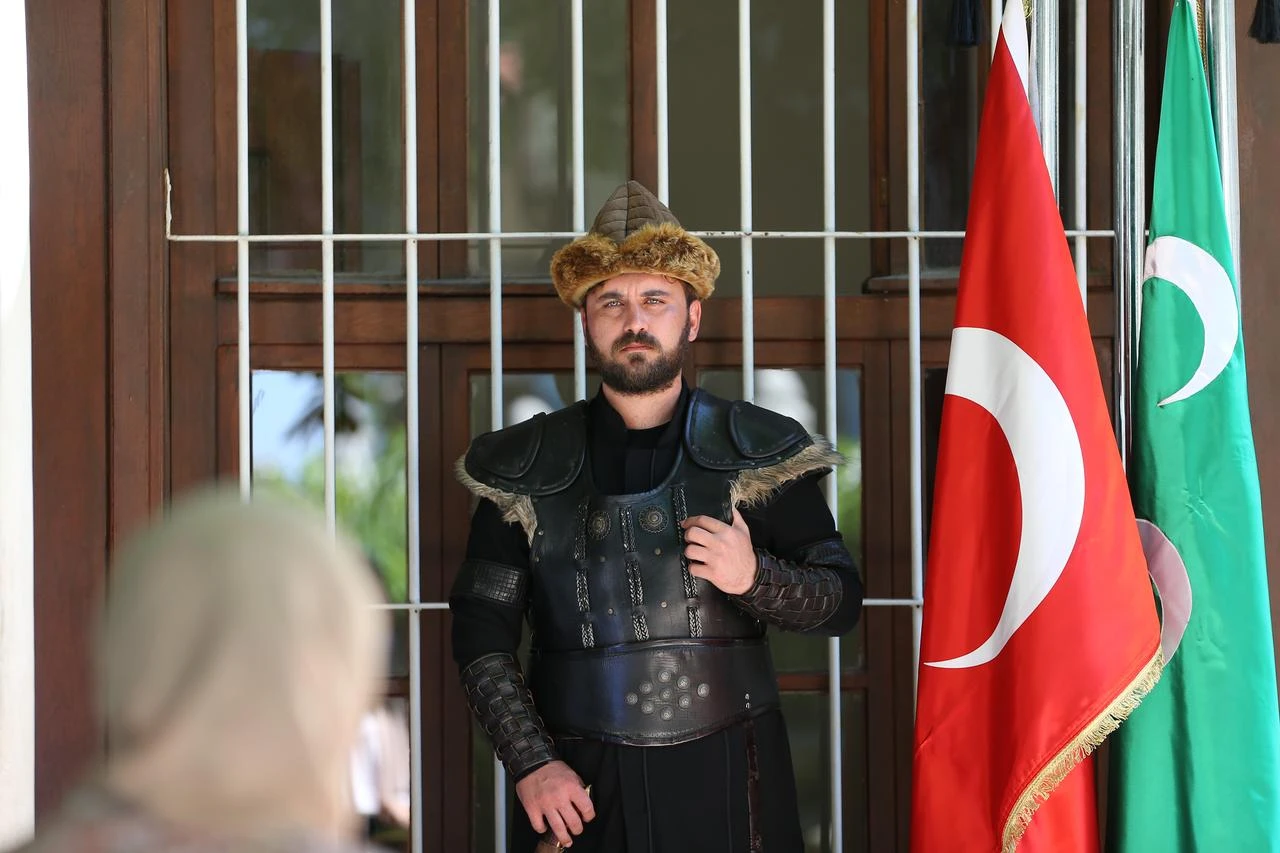
Six years after Turkish forces first launched an unbroken guard of honor there in September 2020, marking the 98th anniversary of the city's liberation, the site continues to draw visitors who trace the origins of a dynasty that grew from a small frontier principality into an empire spanning three continents.
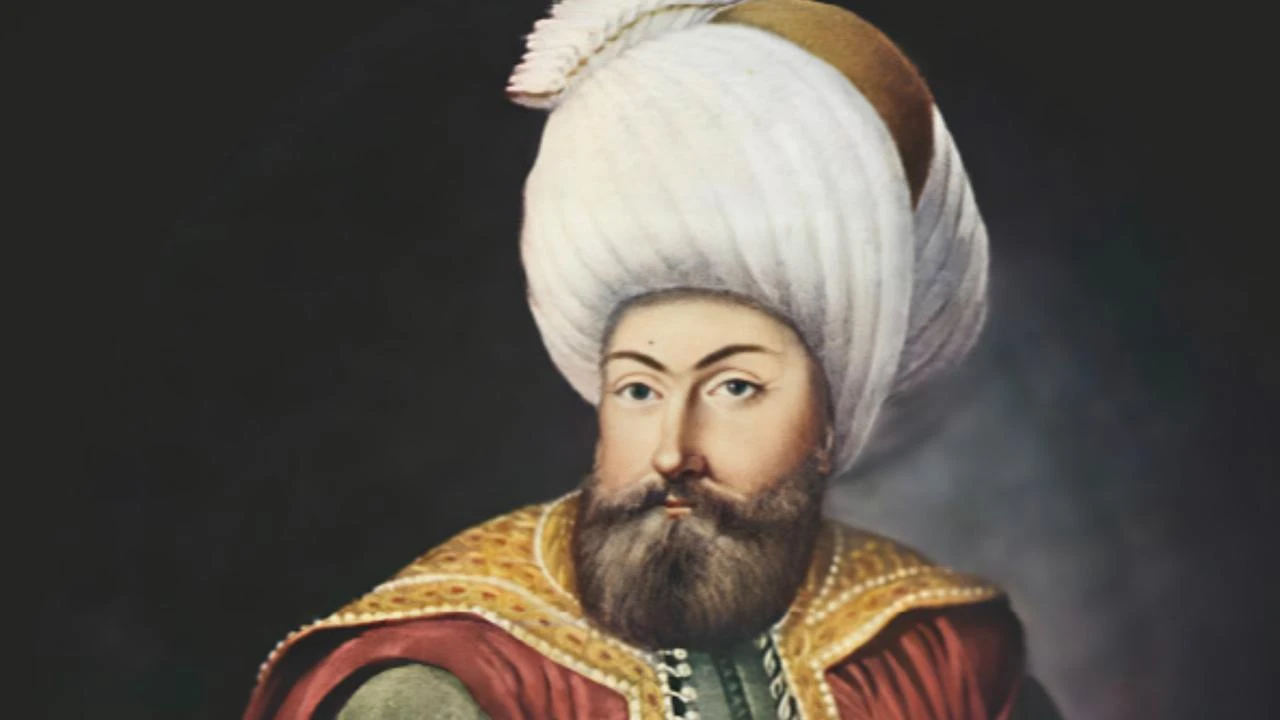
Osman Gazi was born into the Kayı tribe, a group of Turkmens who had migrated to Anatolia from Iran.
His father, Ertugrul Gazi, led the tribe before him, and the leadership and administrative practices passed down within the family later shaped how Osman Gazi organized his own emerging state in western Anatolia.
The spiritual guidance of Sheik Edebali, a religious scholar and mentor, left a lasting mark on Osman Gazi's outlook and governing style.
According to Yusuf Ziya Karaaslan, a history scholar at Bursa Uludağ University, this influence combined with Osman Gazi's military experience to shape a leadership defined as much by justice as by conquest.
Historians describe Osman Gazi's identity as that of an "alp gazi," a warrior figure rooted in the Turkic tradition of alplik, or heroic combat leadership, that Turkmen groups carried with them from Turkistan into Anatolia.
Karaaslan said this warrior character placed him among the historical figures remembered for both combat and leadership.
After the conquest of Karacahisar, near present-day Eskişehir in west-central Anatolia, Osman Gazi's prominence grew.
Alongside commanders including Konur Alp, Turgut Alp and Hasan Alp, he led campaigns across the region historically known as Bithynia, in the southern Marmara area, confronting Byzantine forces and the local fortress commanders known as tekfurs.
Following the conquests of Karacahisar, Eskişehir, Yenisehir and Bilecik, all in northwestern Anatolia, Osman Gazi advanced toward Bursa.
Karaaslan said the fall of Bursa in 1326 and of İznik in 1331 marked the point at which the Ottoman principality began transforming into a regional power under his direction and the policies he had set.
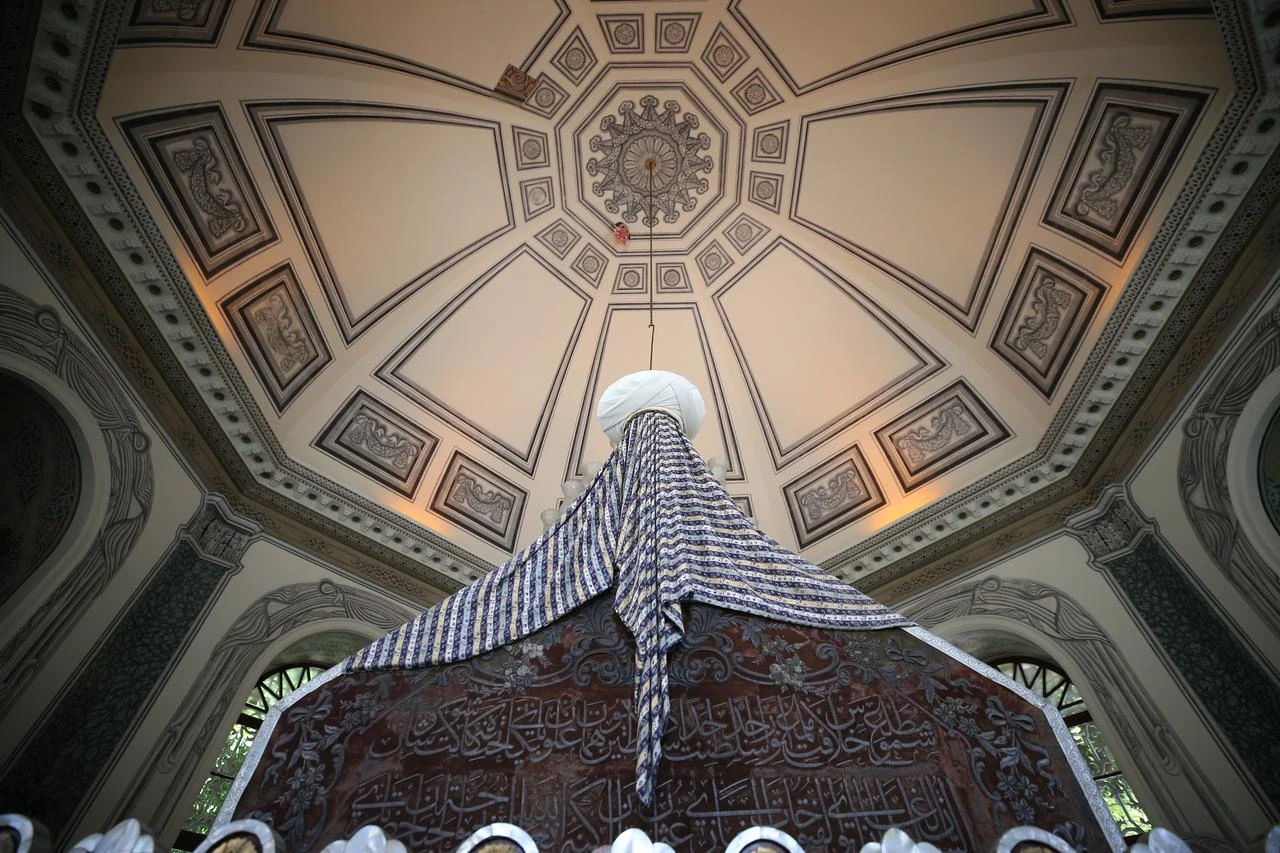
Karaaslan pointed to Osman Gazi's approach of conquest paired with a policy of istimalet, meant to draw local populations closer rather than alienate them.
Over generations, this approach, passed down within the state's traditions, contributed first to expansion into the Balkans and eventually to an empire that extended across three continents.
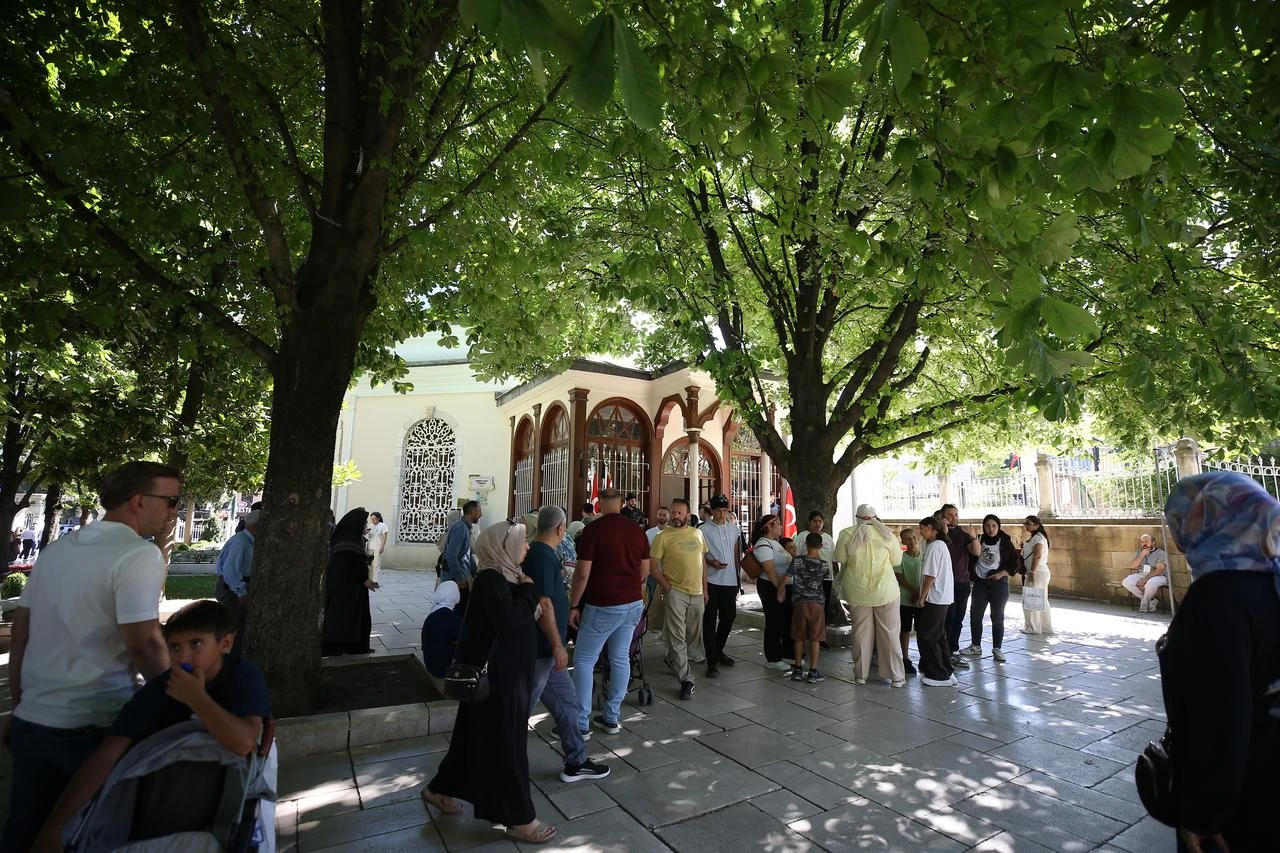
Sources describe Osman Gazi as a ruler who remained close to the population under his rule.
Following the conquest of Karacahisar, a market was established there, and some accounts indicate he visited it for inspection, reflecting a governing style that kept him among ordinary residents rather than removed from daily life.
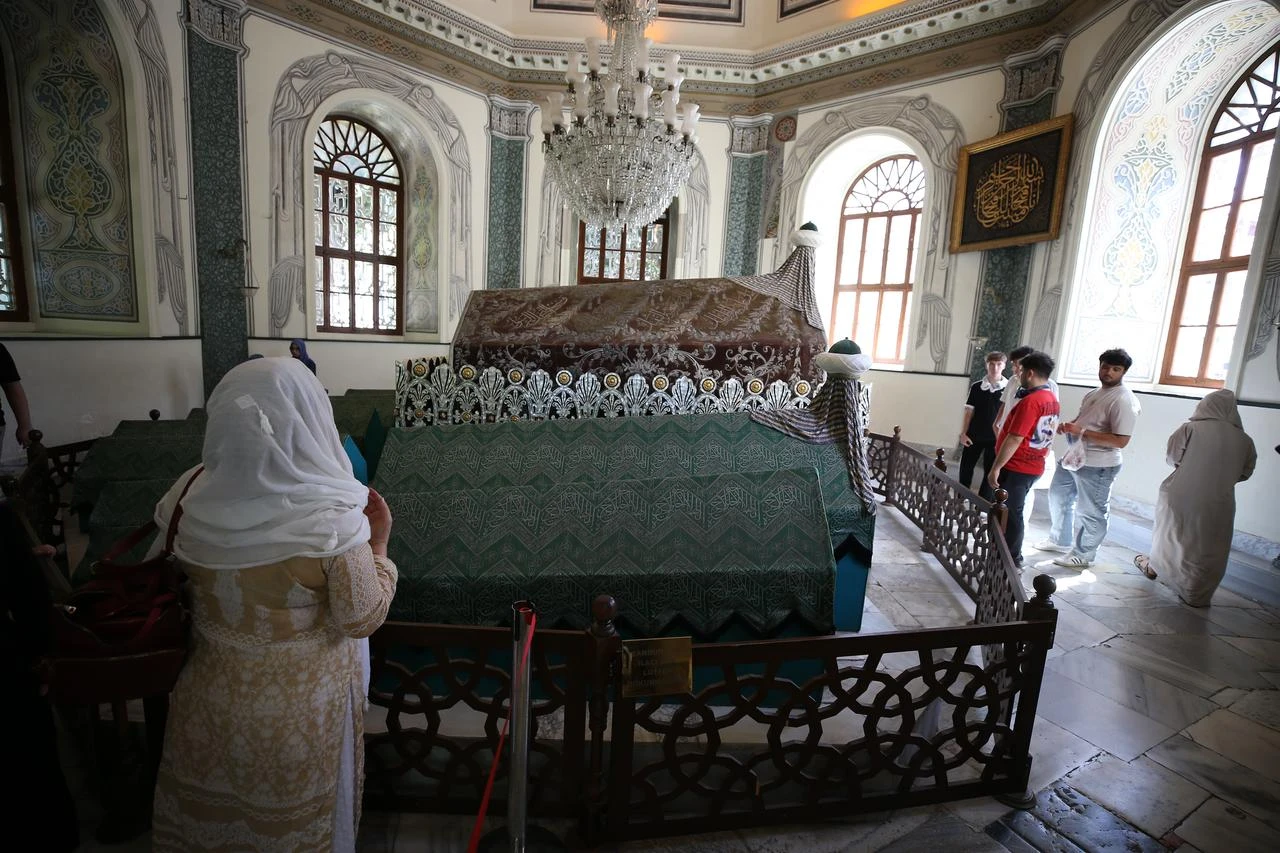
During the siege of Bursa, Osman Gazi is recorded as having looked toward the city from its eastern side and expressed a wish to be buried in what he called the "silver-domed shrine" upon his death.
The site, known during the Byzantine period as the Monastery of Saint Elias, was visible from a distance because of its dome.
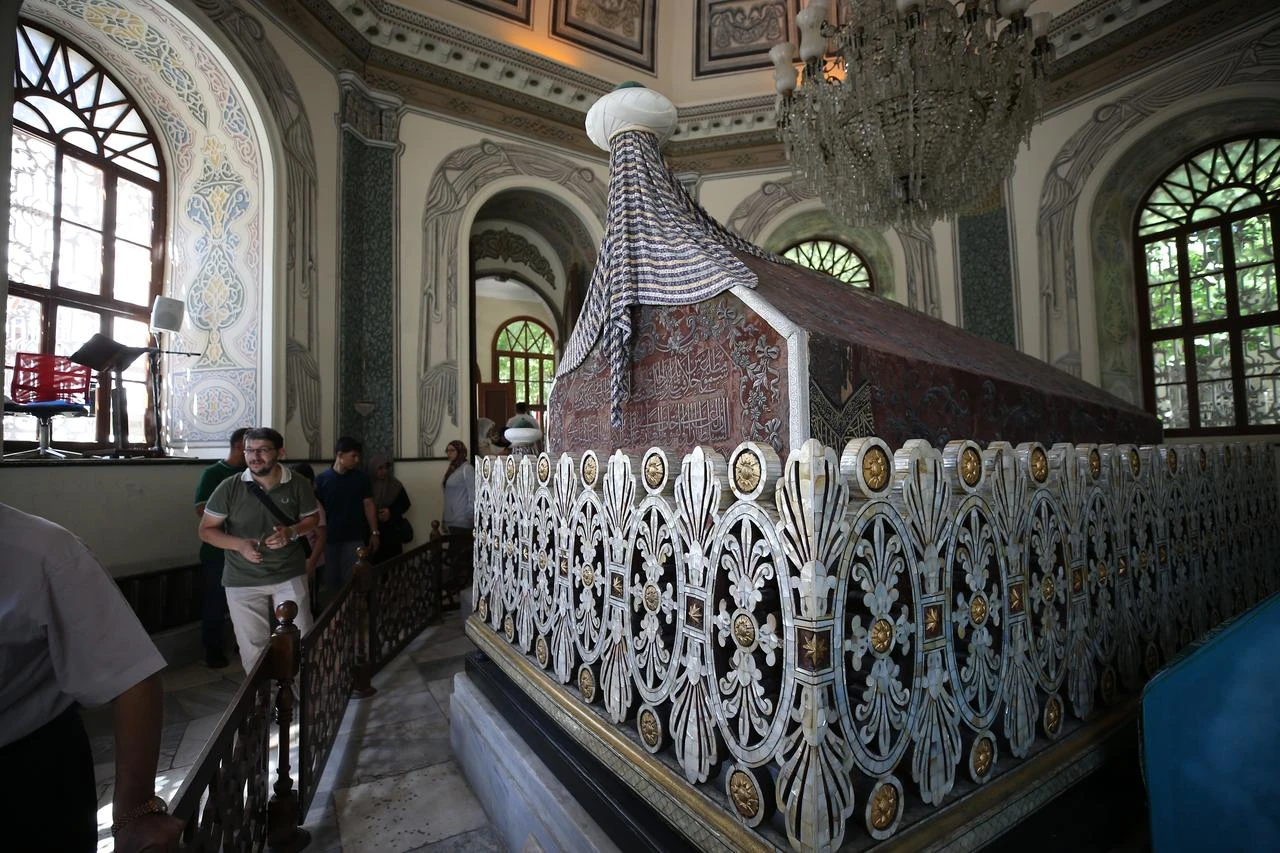
Osman Gazi died in 1326 following the conquest of Bursa and was buried at Tophane in line with his wishes.
Karaaslan identified five defining characteristics historians associate with him: gazi, for his role in Islamic religious campaigns; alp, from the Turkistan warrior tradition; adil, or just; lider, for his leadership of the alps; and fatih, for his conquests.


 Set as preferred source

 3 min read