Newsletters


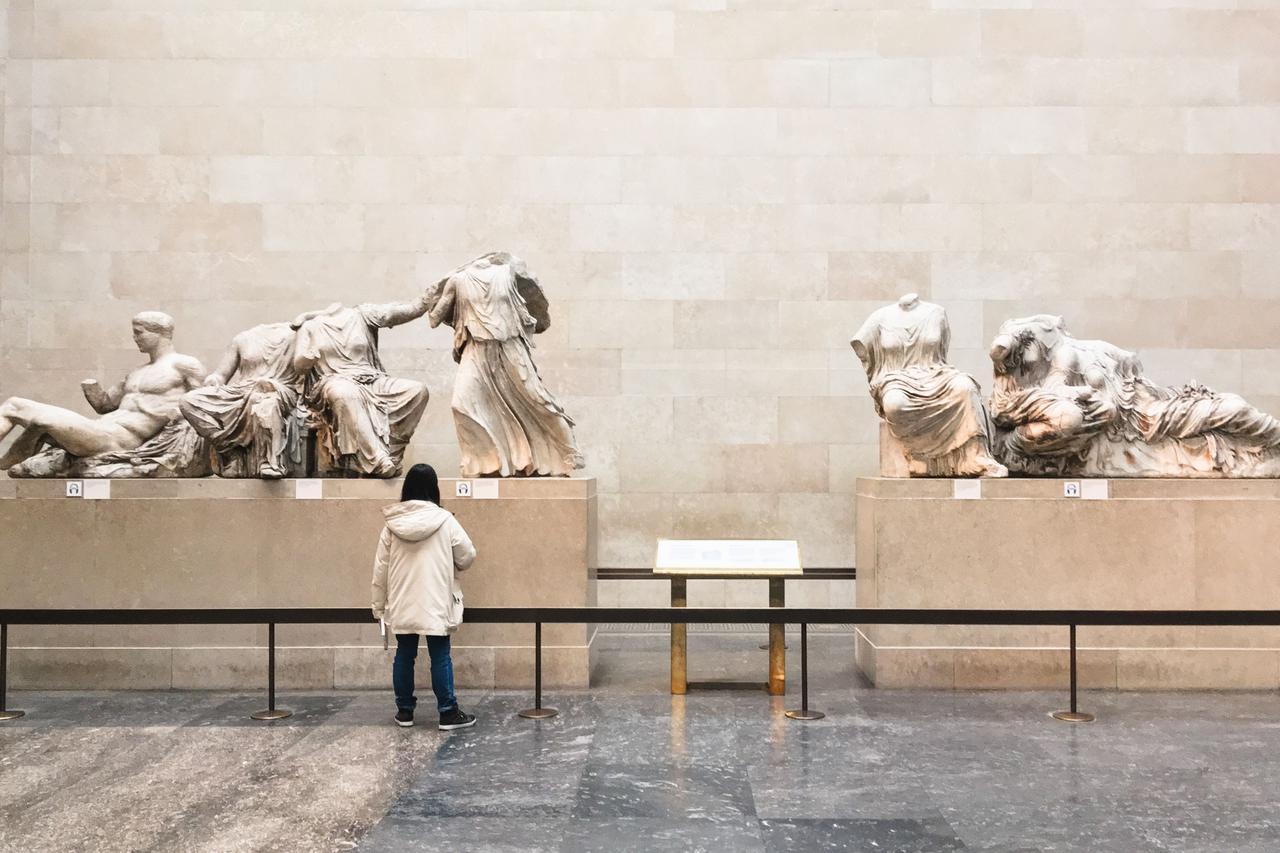


More than two years after publicly admitting that hundreds of artifacts had vanished from its collections, the British Museum is now preparing to hire a dedicated specialist whose sole task will be to track down missing objects before they disappear permanently. The move has drawn attention not only because of its unusual nature, but also because it comes from an institution long associated with contested acquisitions, many originating from regions such as the Middle East and Türkiye.
The new role, informally described as a “treasure hunter,” is intended to speed up the recovery of artifacts stolen, damaged, or lost over an extended period. Museum officials have acknowledged that the existing recovery team is overstretched, prompting the decision to bring in additional staff focused exclusively on locating the missing pieces.
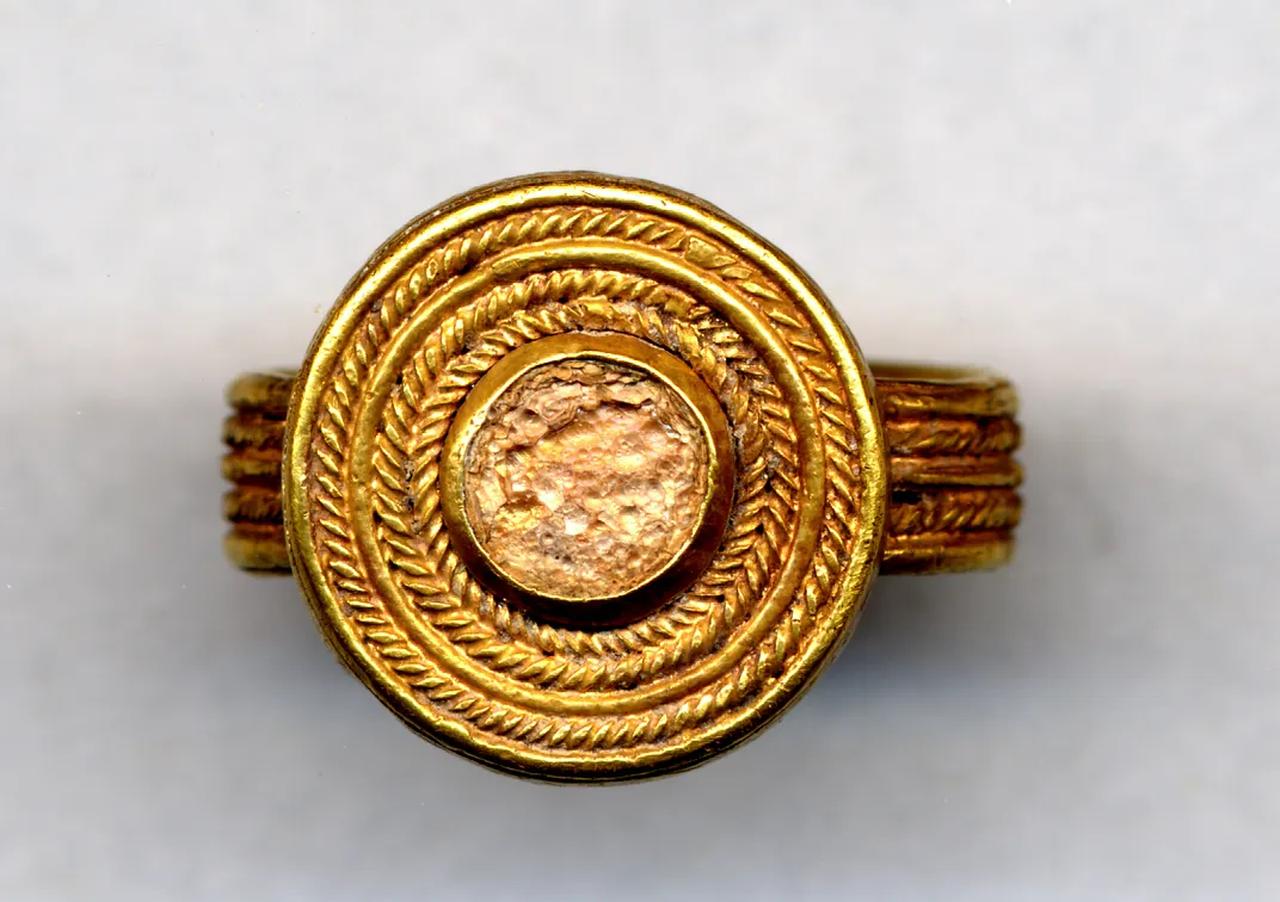

The artifacts still unaccounted for include gems, glass objects, and jewelry spanning a vast historical range, from the 15th century B.C. to the 19th century A.D. These are not monumental sculptures but small, portable items that can easily circulate through private markets. According to museum figures, around 1,500 objects were initially reported missing, with 654 recovered so far, leaving a substantial number still untraced.
Some of the recovered items surfaced through online platforms such as eBay, including a Roman jewelry piece valued at tens of thousands of dollars that appeared online at a fraction of its estimated worth. Other objects were identified by art dealers and auction specialists who recognized cataloged pieces that had quietly entered the market. One of the largest recoveries involved more than 260 items located in the United States.
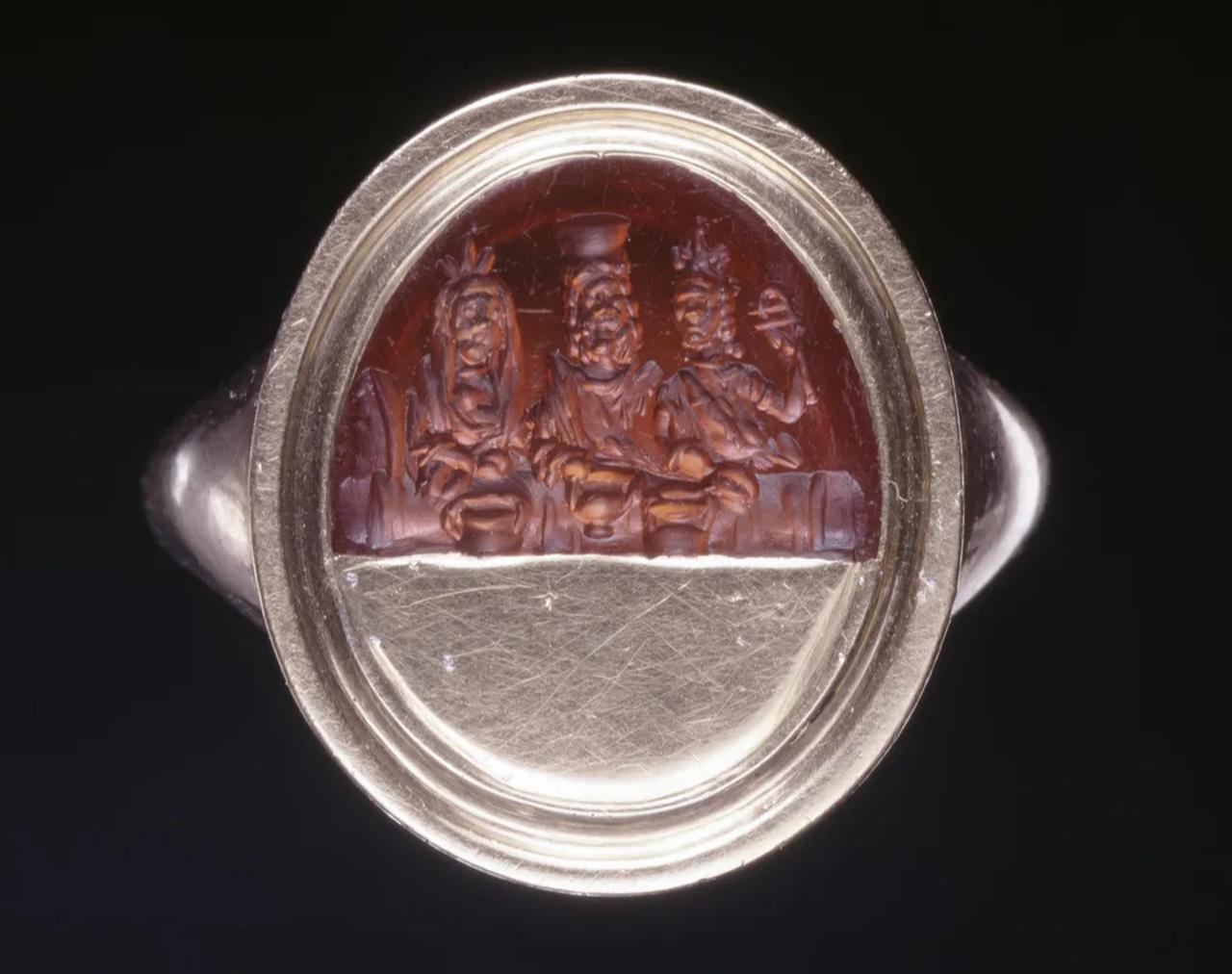
Once appointed, the new hire will work closely with auction houses, collectors, dealers, and art institutions worldwide. The role will also involve following up on tips received by the museum and conducting extensive archival research to match undocumented objects with existing records.
All missing artifacts have been registered with the Art Loss Register, an international database that tracks hundreds of thousands of stolen cultural objects. Alongside external recovery efforts, the treasure hunter will also take part in internal audits aimed at ensuring that no additional objects have gone missing unnoticed.
The decision to create this role follows an independent review that highlighted serious weaknesses in the museum’s record-keeping systems. The review recommended stricter definitions of what officially belongs to the collection and called for the full registration of objects that were either unregistered or inadequately documented.
The museum was first alerted to potential thefts in 2021 but initially dismissed the claims. A later internal audit revealed stronger evidence, leading to police involvement in late 2022 and a public announcement in 2023. A long-serving curator was dismissed after being accused of theft, though he has denied all allegations, and the museum’s director resigned shortly after the scandal became public.
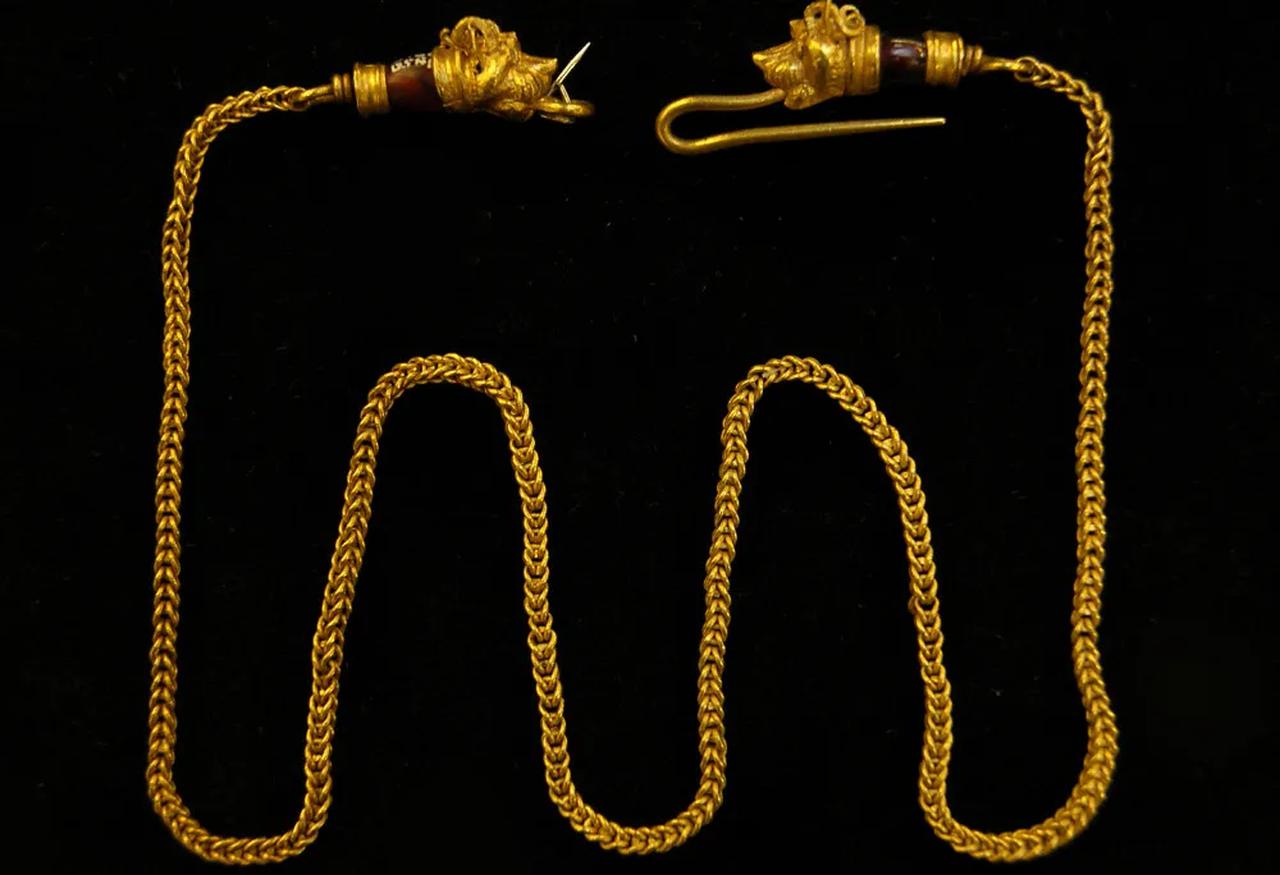
Museum leadership has stated that recovering the missing artifacts remains the top priority, alongside understanding how the losses occurred and preventing similar incidents in the future.
While some recovered objects were displayed in a 2024 exhibition titled “Rediscovering Gems,” officials have acknowledged that major discoveries are becoming rarer, raising concerns that some gold items may already have been melted down.


 Set as preferred source
 Set as preferred source


 2 min read
 1 min read