Newsletters


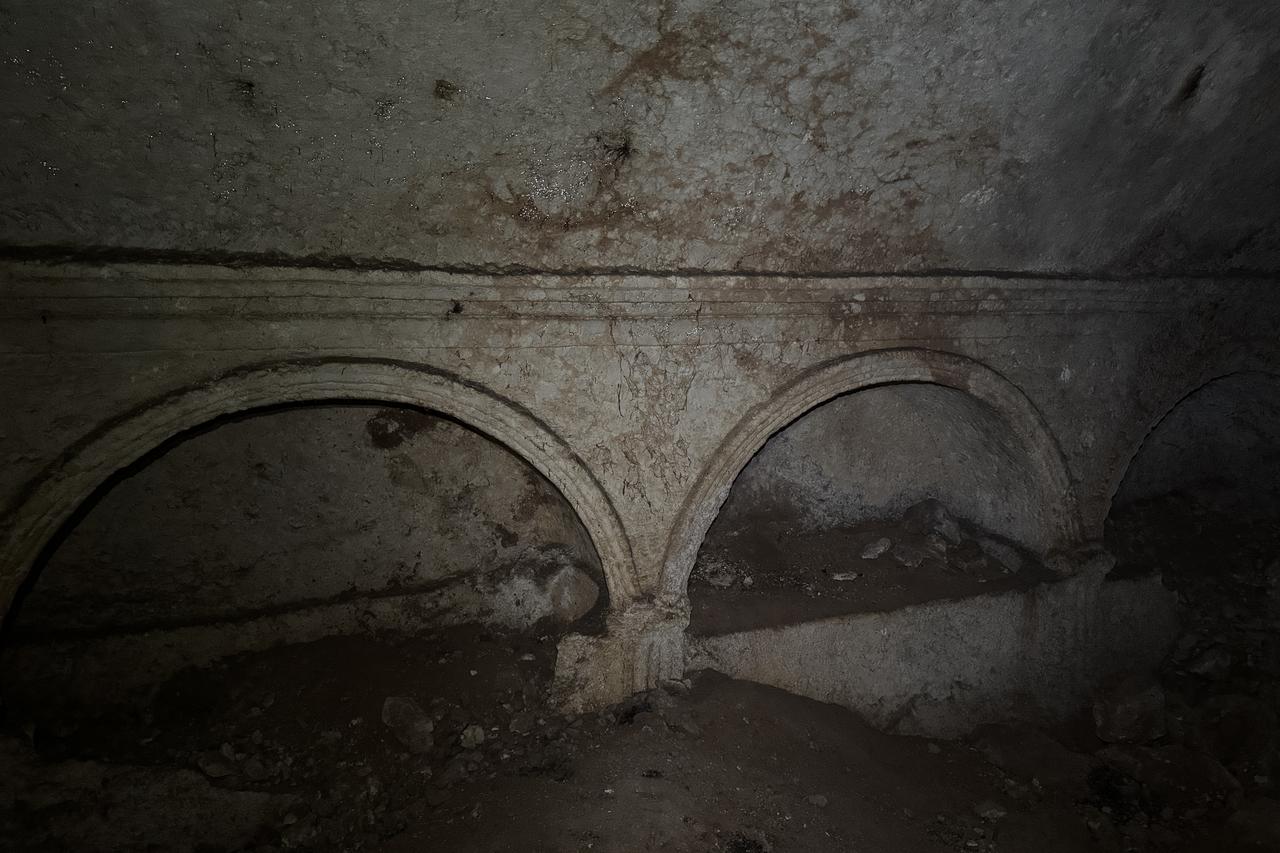


A domed burial chamber believed to date back to the second century A.D. has been discovered in the Besni district of Adiyaman in southeastern Türkiye, according to the Adiyaman Museum Directorate. The find points to the presence of an elaborate funerary complex and offers new insight into regional burial traditions during the Roman period.
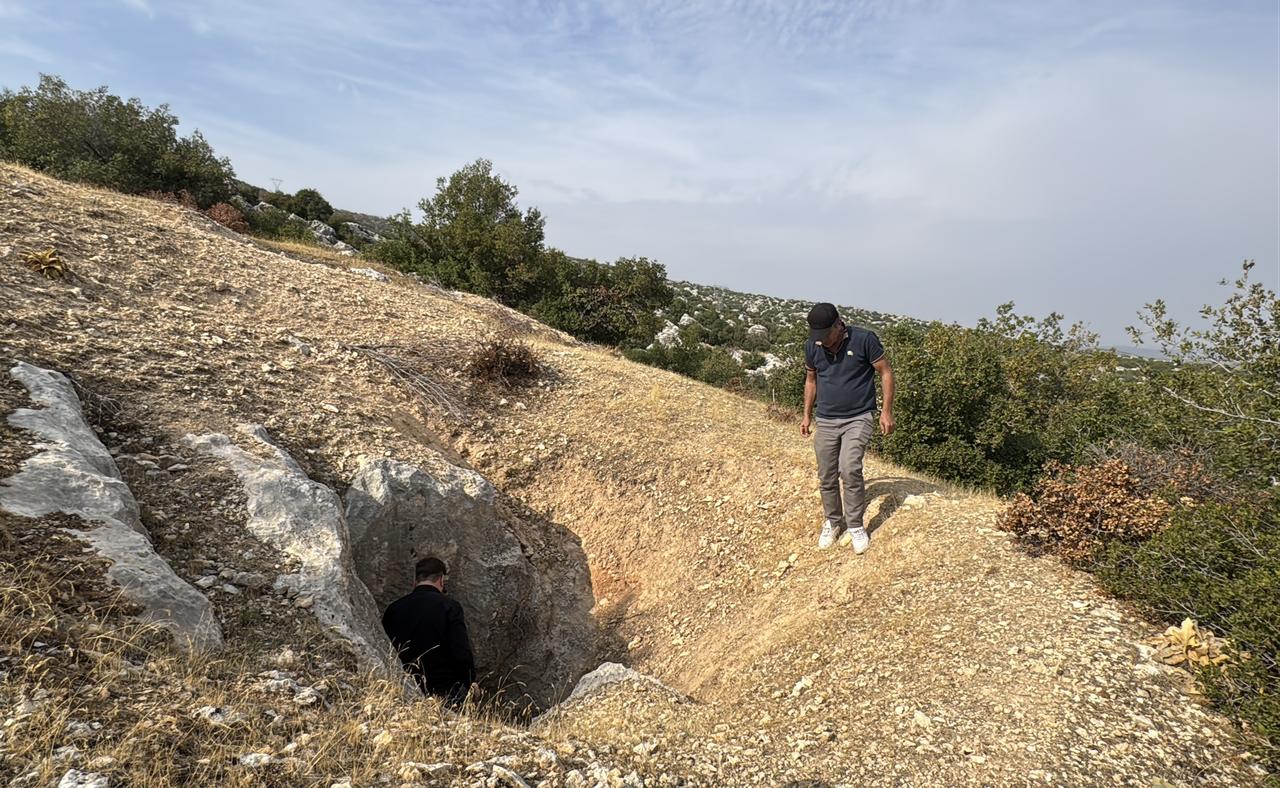
Located in a steep and rocky rural area, the structure was identified during preliminary field surveys carried out by museum experts. Initial assessments suggest the complex includes at least five interconnected chambers, one of which features a dome, an architectural element that has not been recorded before in burial structures in Adiyaman.
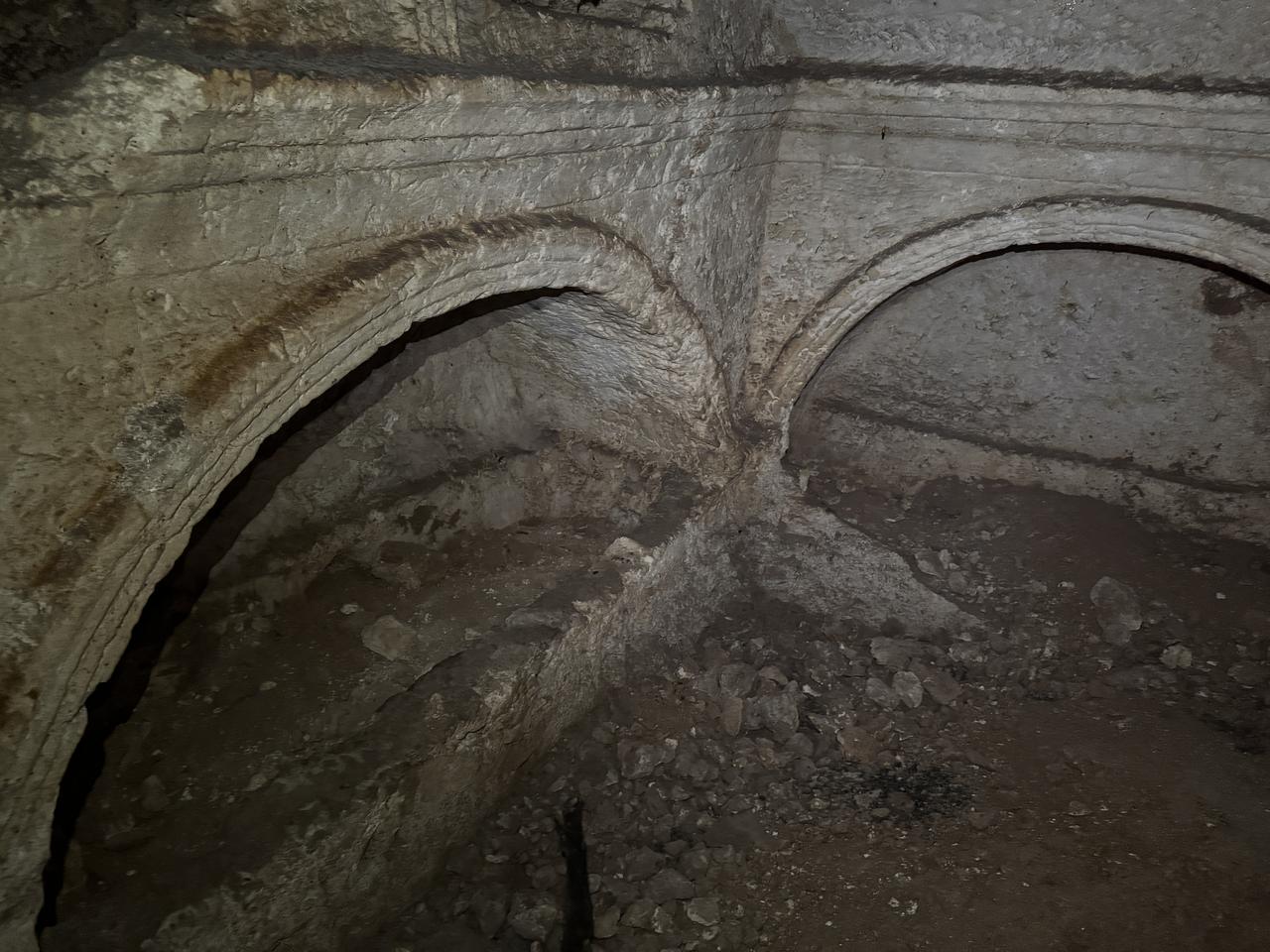

Adiyaman Museum Director Mehmet Alkan explained that researchers came across clear signs of a large and carefully planned burial site during their early examinations. He noted that the complex is estimated to be around 1,800 years old and likely dates to the Roman era, a period when the region formed part of wider imperial networks.
Alkan pointed out that the entrance to the main chamber is flanked on both sides by three arched burial niches, a common feature in ancient tomb architecture used to house sarcophagi or human remains. These niches are connected by columns, while their upper sections are decorated with finely worked cornices, indicating a high level of craftsmanship. Based on these architectural details, museum officials believe the burial chamber belonged to a family of considerable social standing.
Beyond its architectural significance, the chamber stands out for its interior decorations. Alkan said that although some reliefs have been damaged over time, several remain well preserved. Most striking are reliefs inside the arched tomb directly opposite the entrance, where six wild goat heads are depicted. These figures are linked by garlands, decorative elements often associated with ritual or ceremonial contexts in the ancient world.
Above the goat heads, oyster shell motifs can be seen. Oyster shells in ancient art are widely understood as symbols of rebirth and immortality, reflecting beliefs about the afterlife. Alkan noted that these motifs reinforce the idea that the site was designed not only for burial, but also for commemorative rituals connected to death and remembrance.
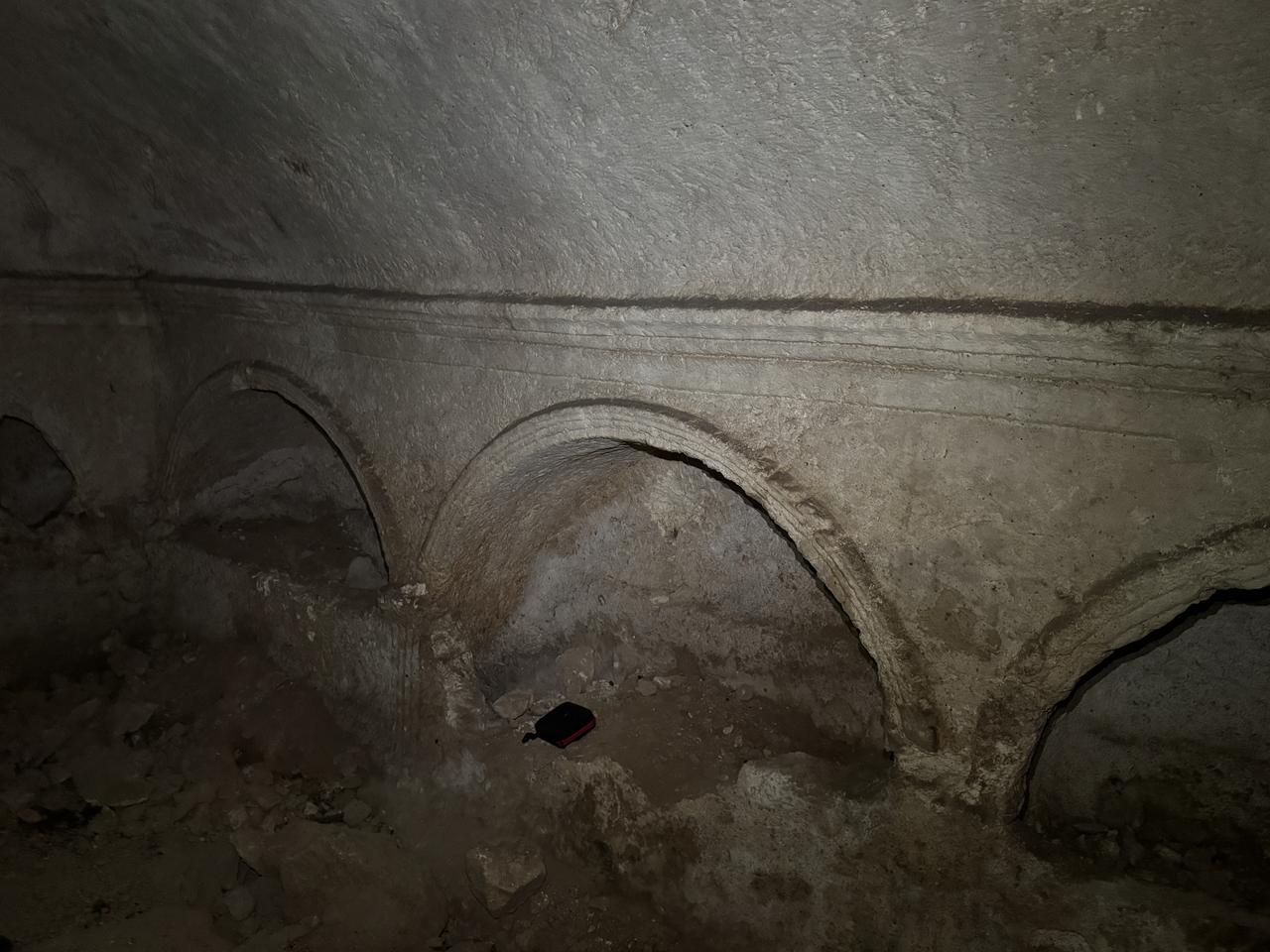
Researchers also identified small niches carved into the chamber walls, which are thought to have been used for placing oil lamps or offerings. Such features suggest that the burial chamber served a ceremonial function, where relatives or community members may have gathered to carry out rituals honoring the dead.
According to museum officials, the discovery adds a new dimension to the understanding of ancient burial customs in southeastern Türkiye. Further studies are expected to clarify the full extent of the complex and its place within the broader historical landscape of the region.


 Set as preferred source
 Set as preferred source


 3 min read