Newsletters


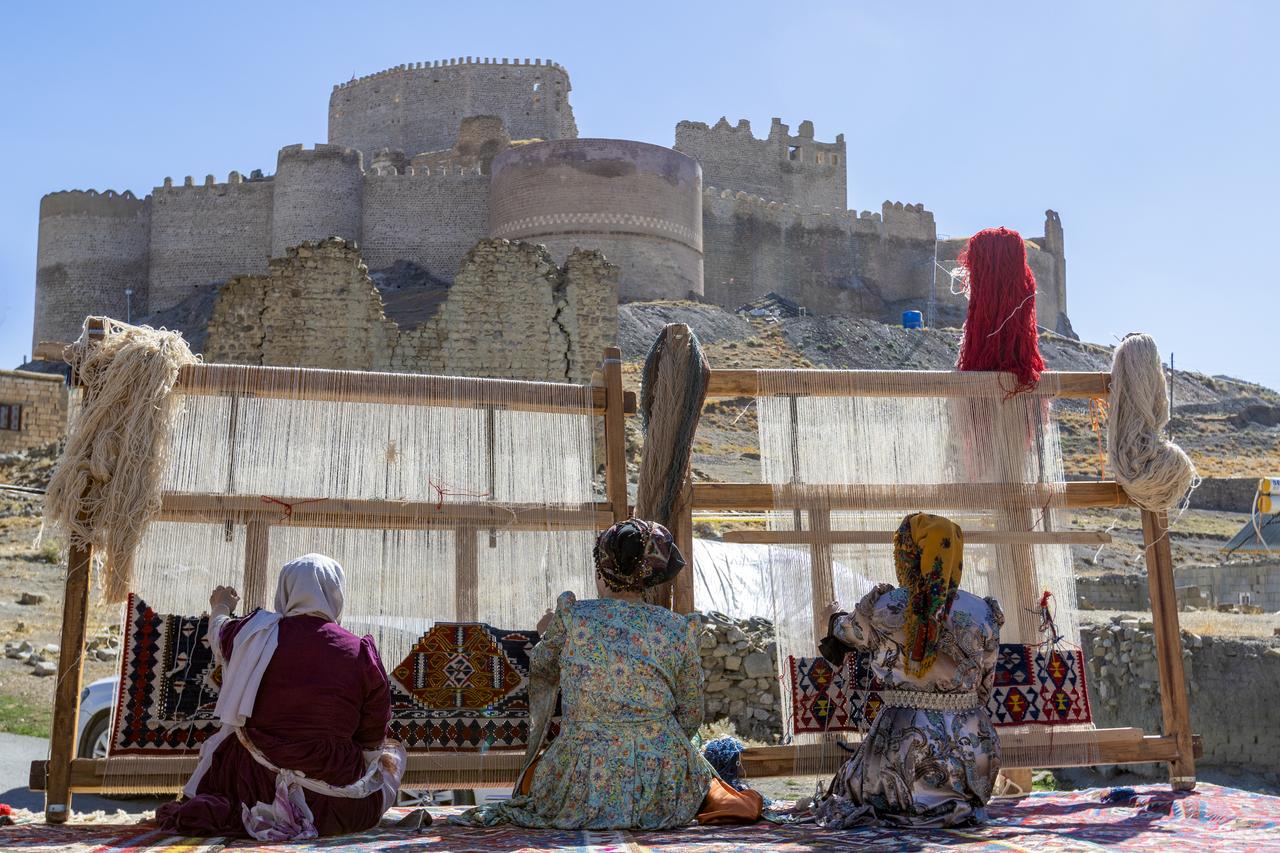


Women in Van province, eastern Türkiye, are keeping a centuries-old weaving tradition alive by transforming wool sheared from sheep grazing on the region's highlands into colorful handwoven kilims.
A kilim is a traditional flat-woven rug made without the raised pile found in many carpets.
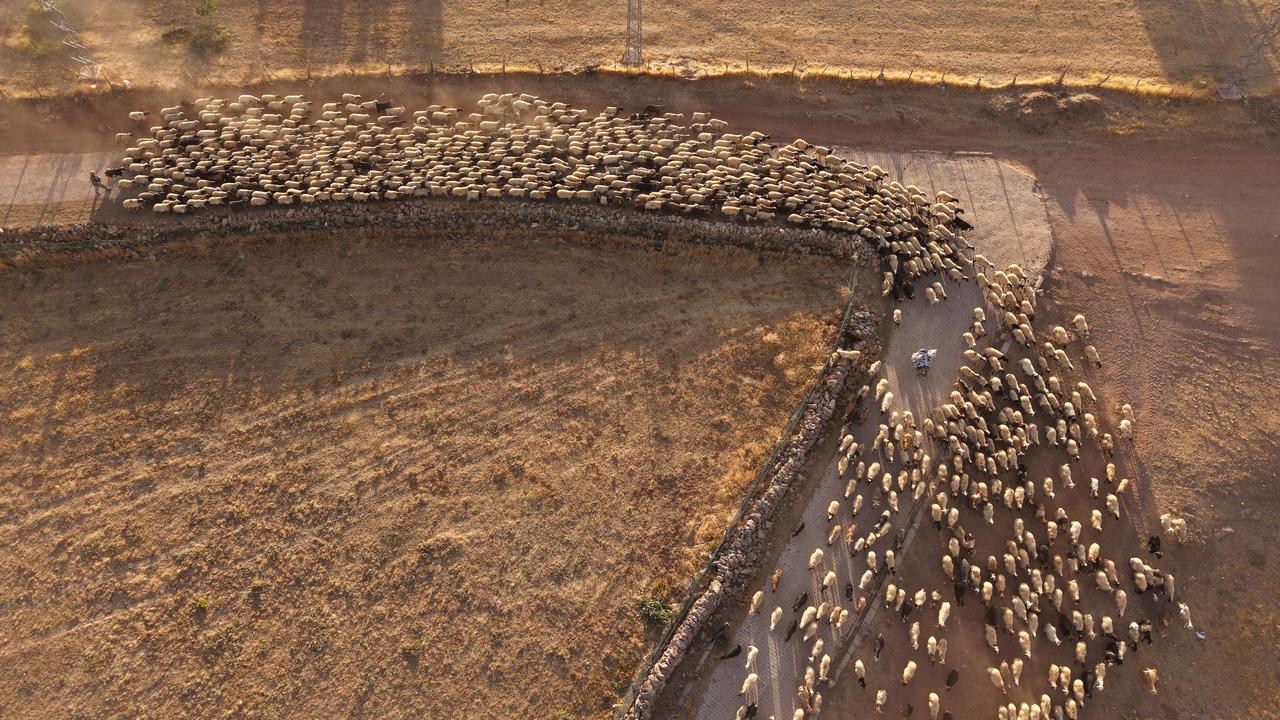
In Van, producing one begins long before the weaving stage, with wool collected from sheep taken from villages to highland pastures in spring and sheared during the summer.

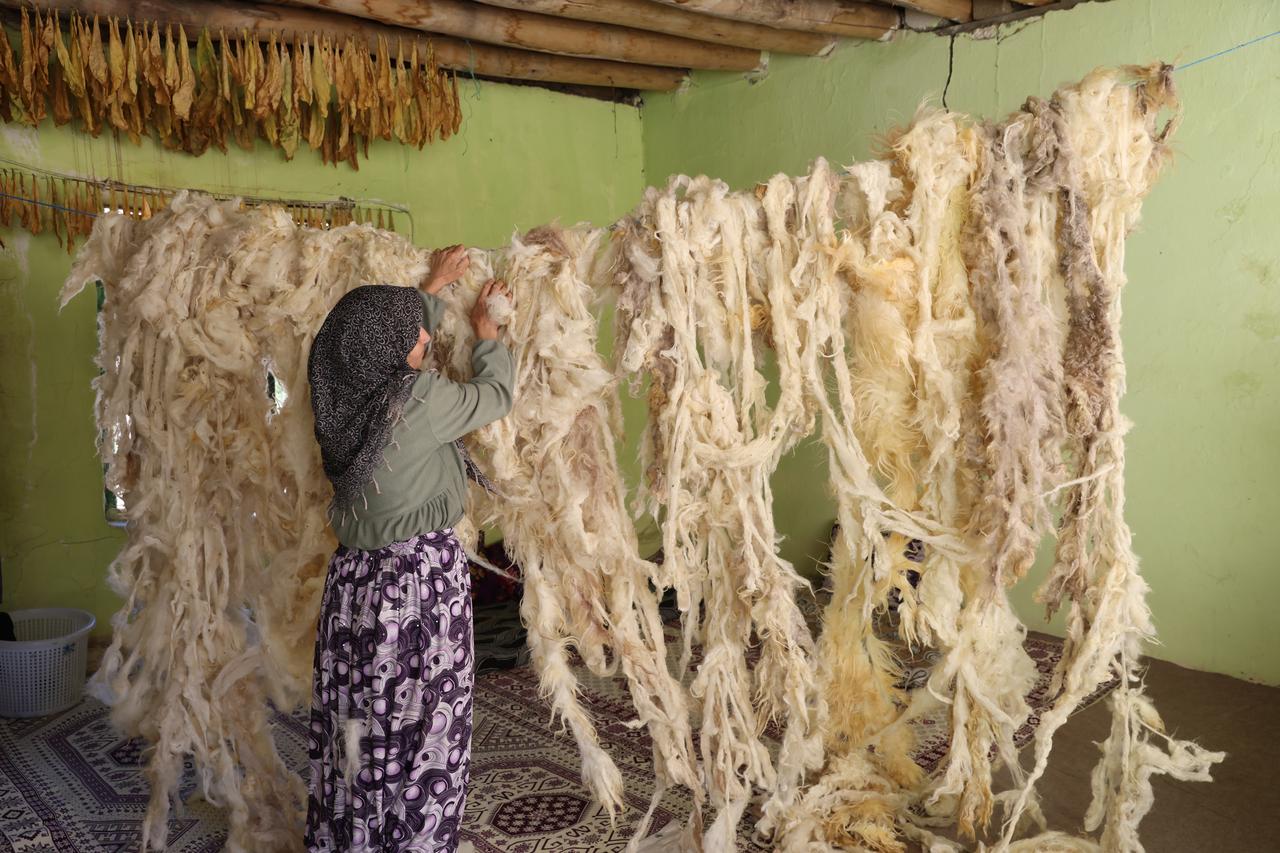
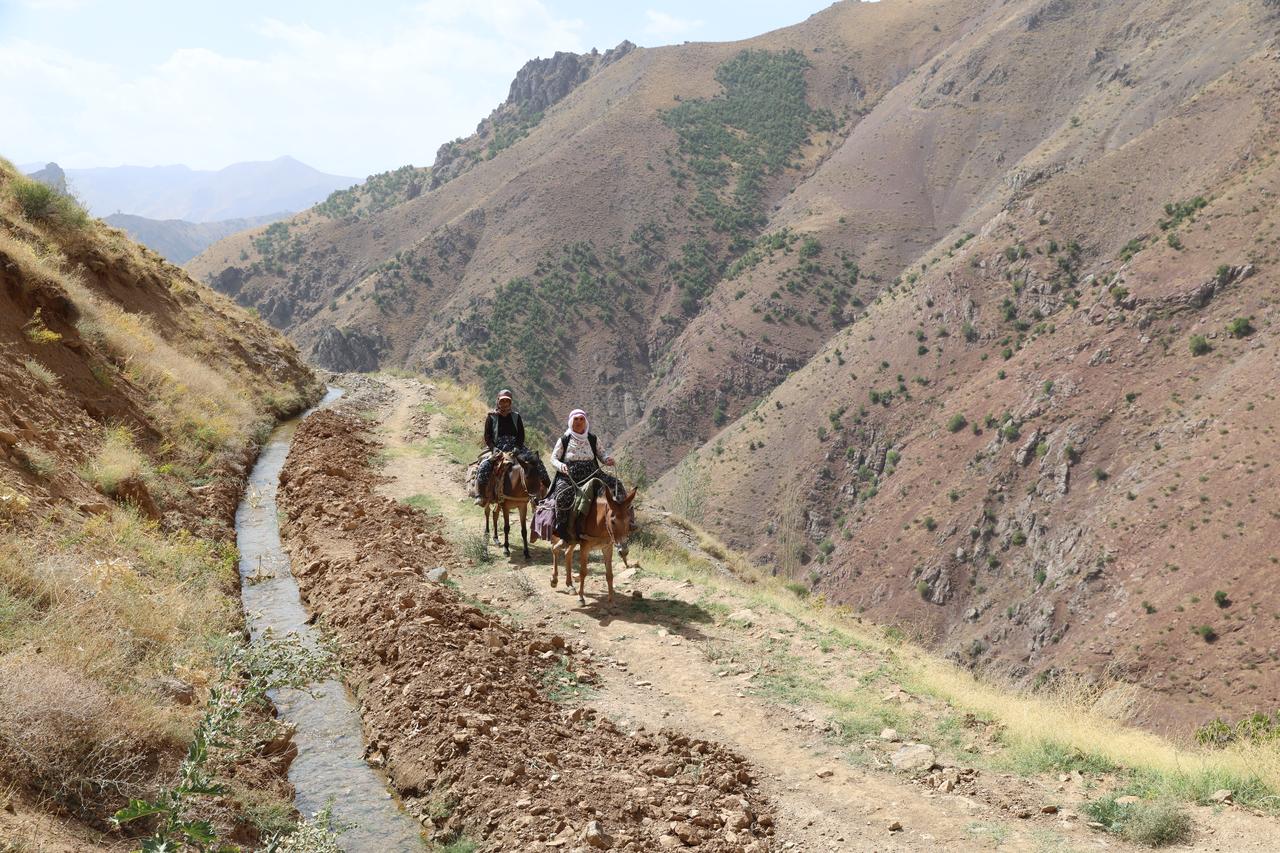
After shearing, the wool is carried on mules to nearby streams, where it is washed before being laid out to dry in the sun.
Once dry, the wool is beaten with sticks to separate and loosen its fibers. The fibers are then combed and spun into yarn with an "oreke," a traditional hand tool used in the yarn-making process.
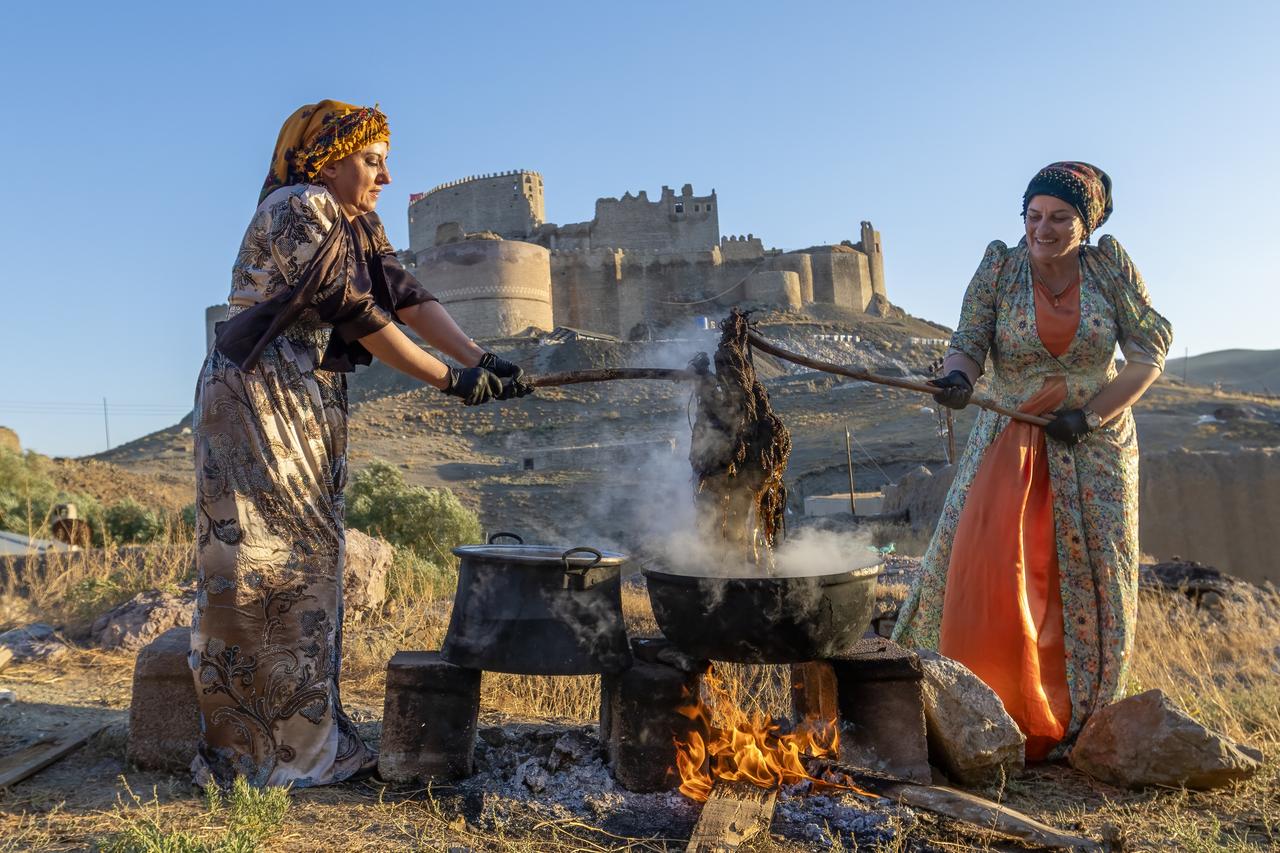
The resulting yarn is later boiled with natural dyes prepared from walnut shells, red onion skins, and different plants and roots, creating the colors used in the final designs.
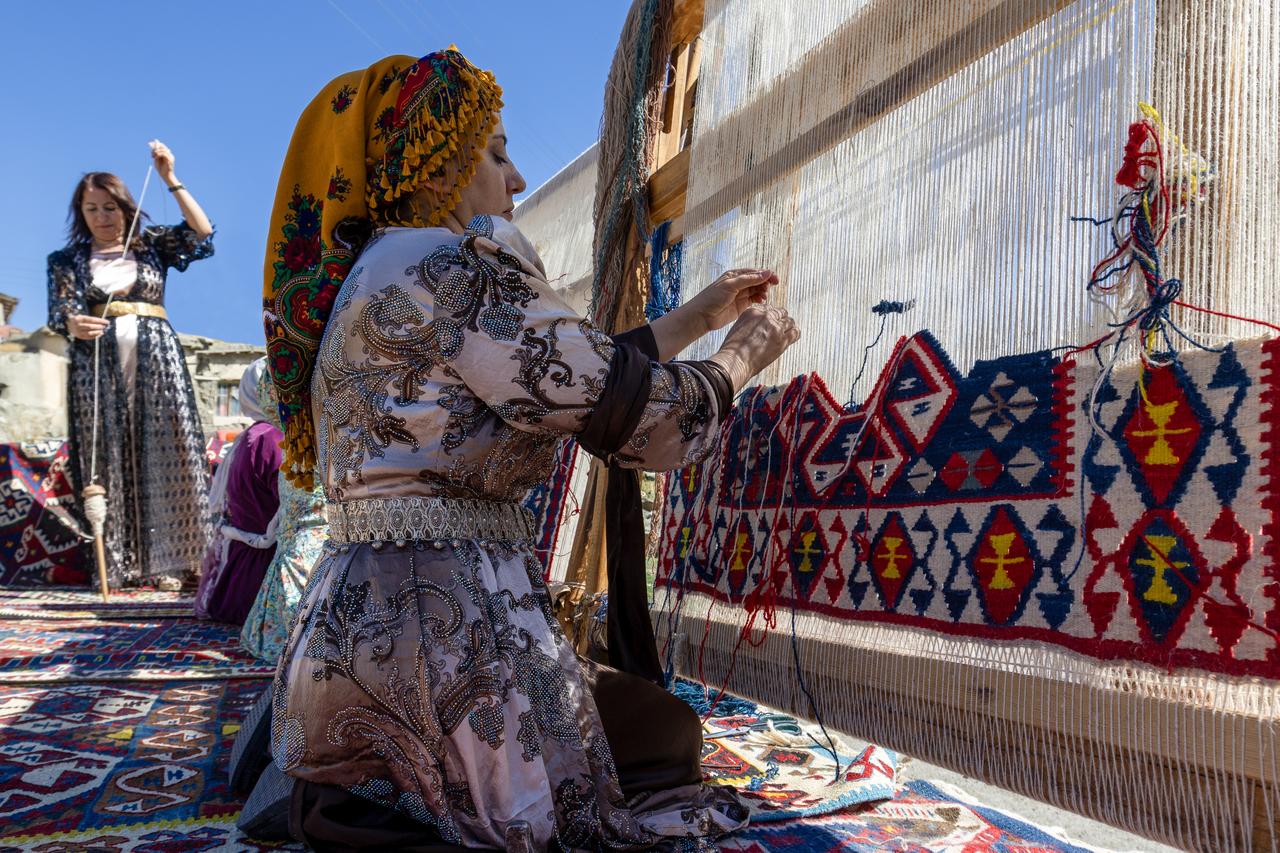
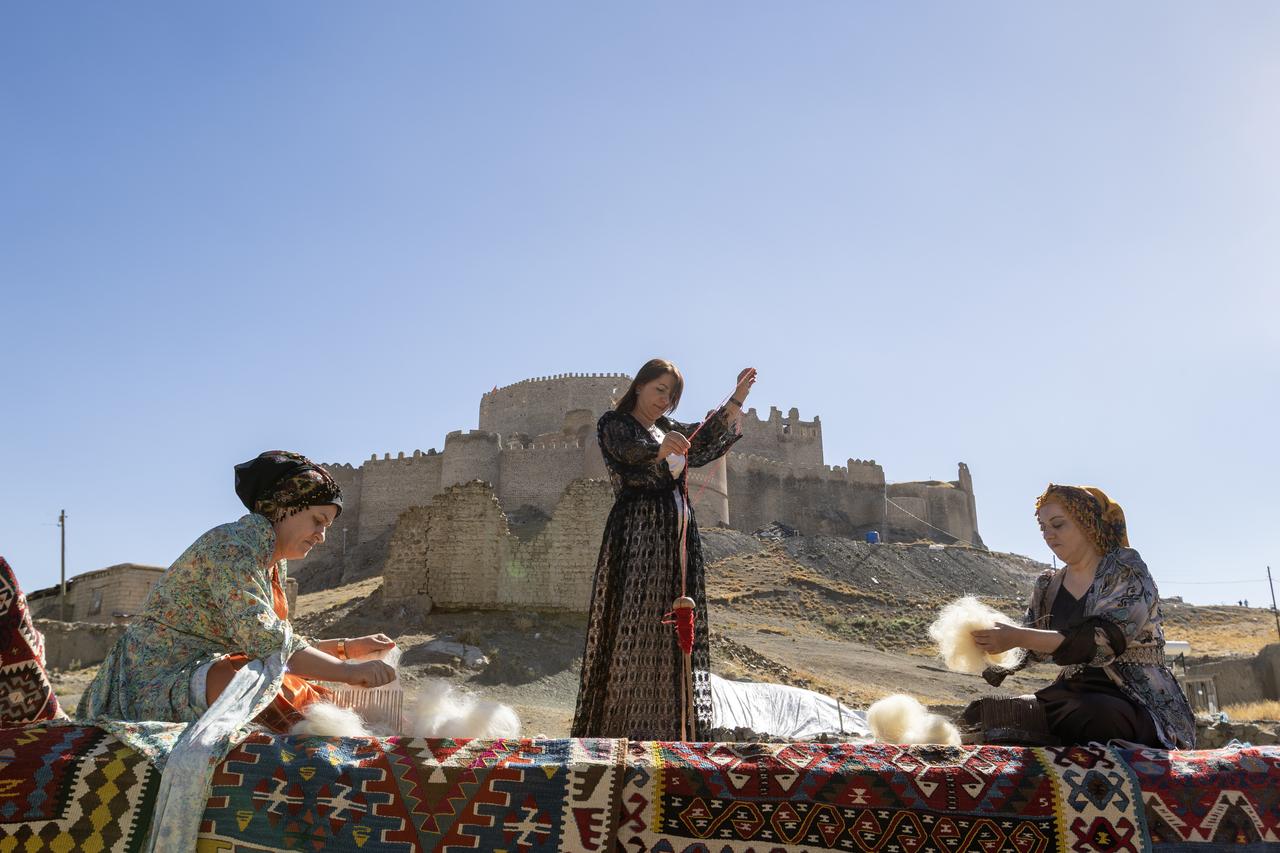
Following the long preparation process, women at the Ipekyolu Public Education Center weave the dyed yarn by hand on traditional looms.
The finished kilims carry motifs inspired by Van's history, culture, and natural landscapes, bringing together locally sourced wool, natural coloring methods, and handweaving techniques passed down through generations.


 Set as preferred source
 Set as preferred source



 2 min read