Newsletters


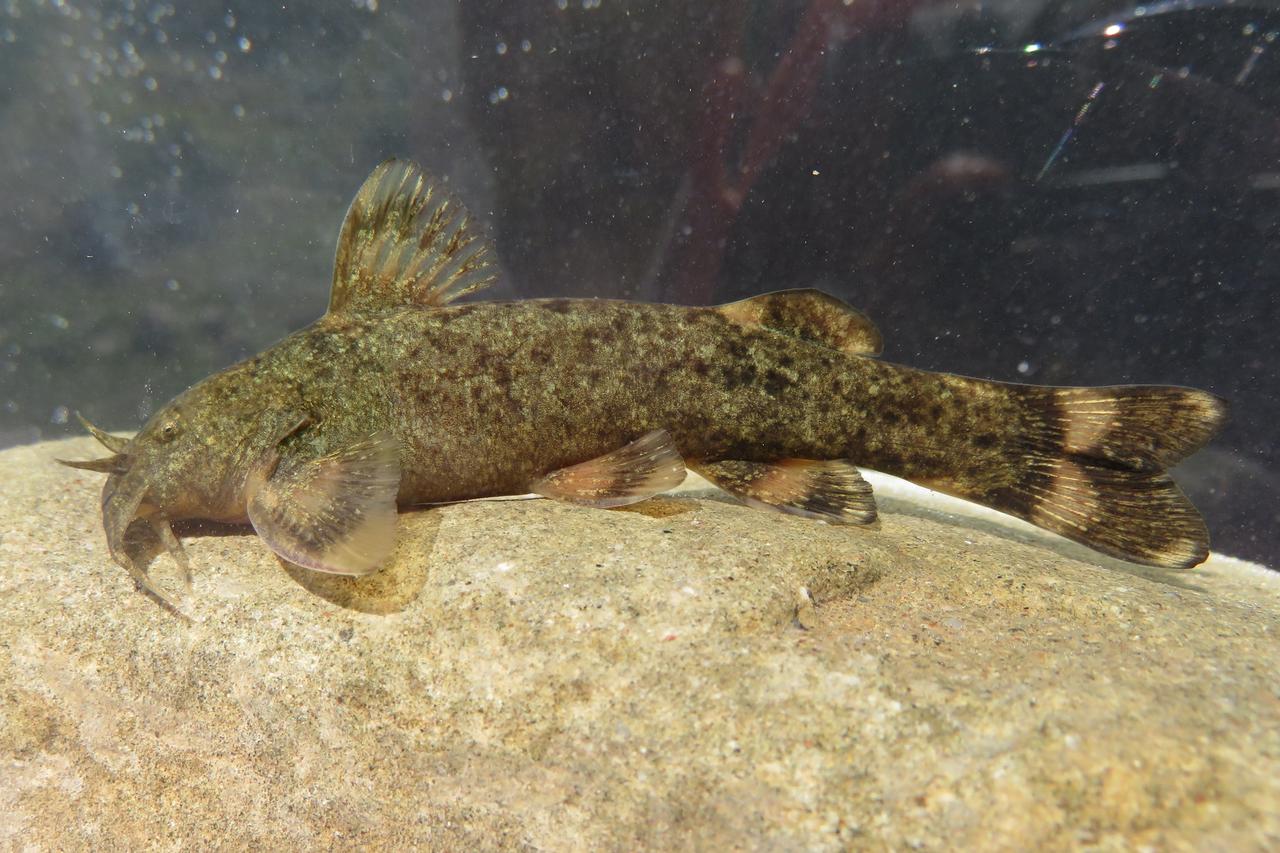


A nationwide scientific assessment has found that nearly one out of every three freshwater fish species in Türkiye is now under threat, highlighting growing pressure on the country’s rivers, lakes, and streams as climate stress, pollution, and invasive species pile up.
The findings come from the Türkiye Freshwater Fish Critical Control List (2026), a study coordinated by the Fisheries and Aquaculture General Directorate of the Ministry of Agriculture and Forestry and carried out by Recep Tayyip Erdogan University.
The project brought together 25 academics and experts from different institutions and was led by Associate Professor Cuneyt Kaya from the university’s Faculty of Fisheries.
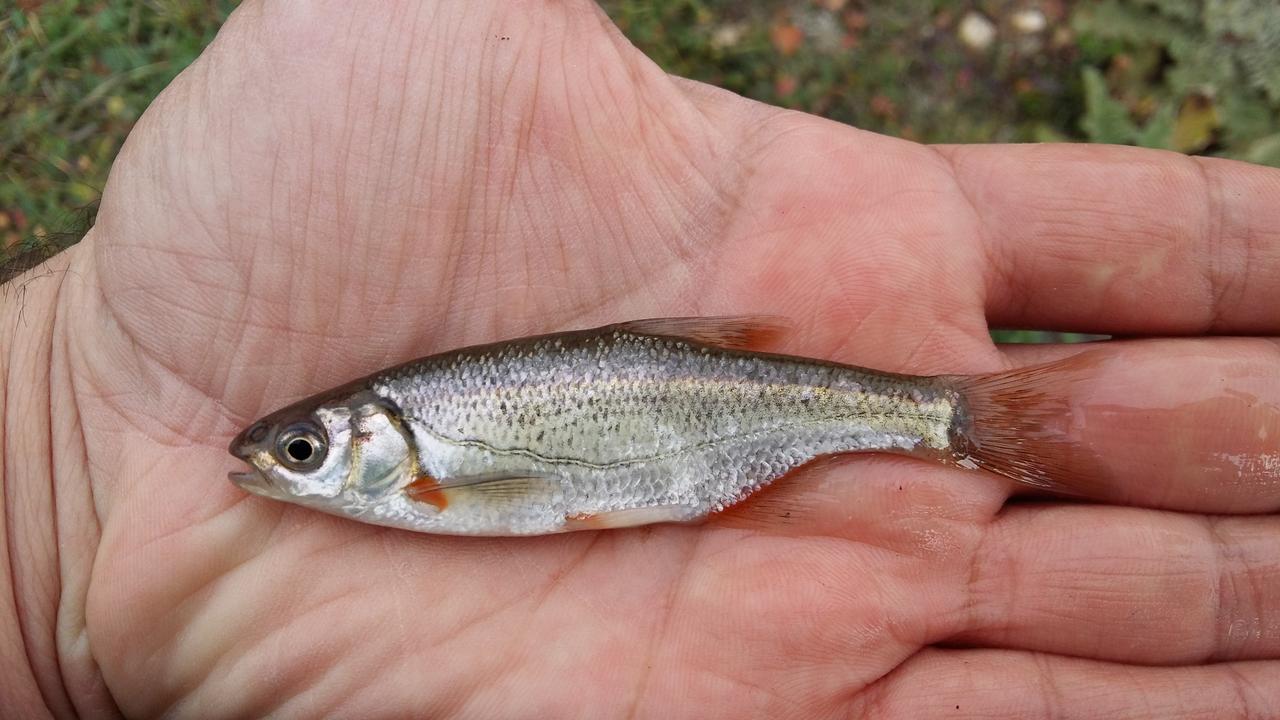

According to the updated control list, Türkiye hosts 390 freshwater fish species in total, of which 367 are native. More than half of these native species are endemic, meaning they exist nowhere else in the world.
The study found that around 38 percent of endemic species are now facing extinction risk, largely due to water pollution, prolonged drought, and the spread of non-native species.
Kaya explained that the list was drawn up to clear up scientific uncertainties, identify newly described or invalidated species, and present a clear, up-to-date picture of freshwater biodiversity, including where species live, what threatens them, and how they rank on conservation red lists.
Species richness stands out in the Sakarya River basin, where 65 species were recorded. When it comes to endemic fish, the Antalya region leads with 28 unique species.
At the same time, the Sakarya River also hosts the highest number of non-native species, underlining the double-edged pressure on inland waters.
The study confirmed that six freshwater fish species in Türkiye have already gone extinct. These include species once found in Golcuk Lake, the Goksu Stream, the Seyhan and Ceyhan rivers, the Beysehir basin, Egirdir Lake, and the former Amik Lake in Hatay. Researchers warned that accelerating drought could cause this number to rise in the coming years.
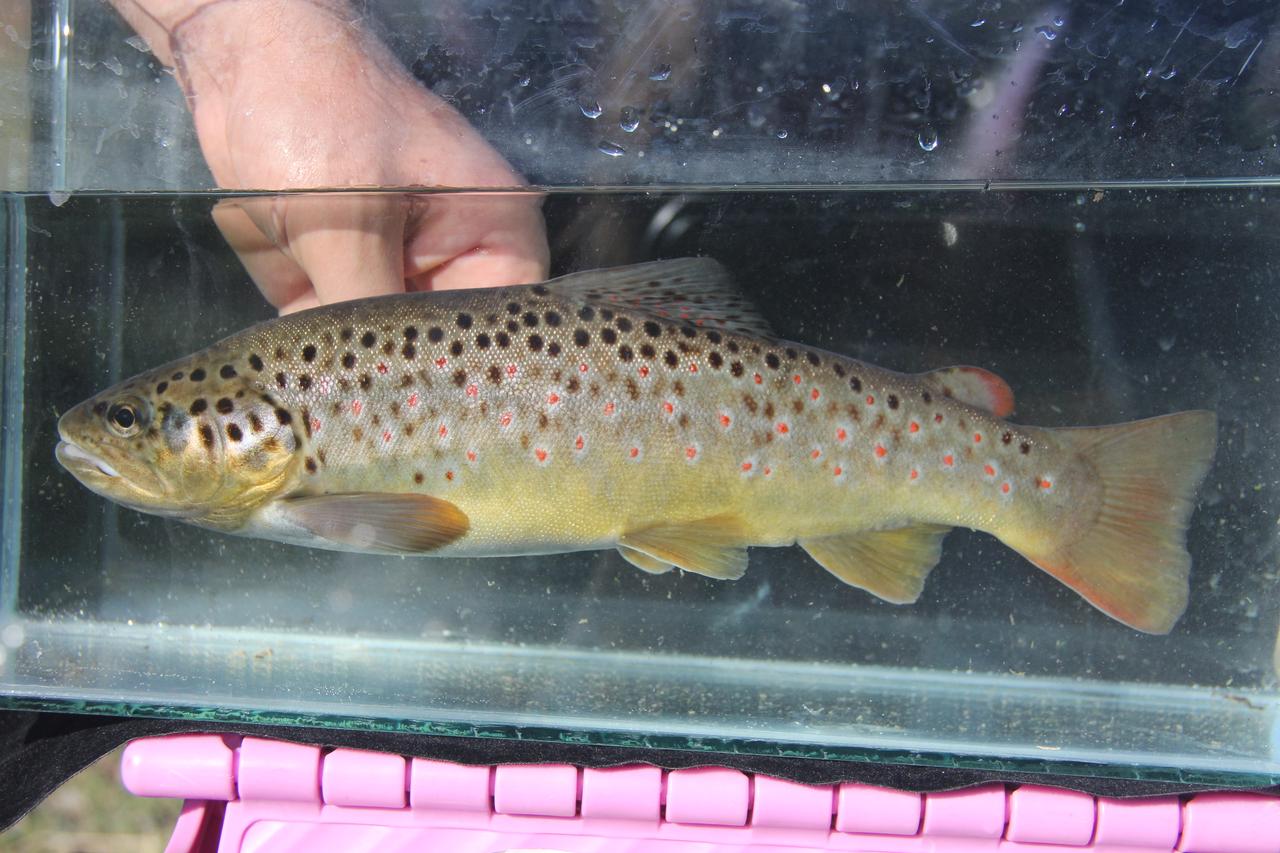
Out of all recorded freshwater fish, 23 are foreign species that have become self-sustaining in Türkiye’s waters. While not all are invasive by definition, experts stress that many have the potential to outcompete native fish.
Kaya emphasized that aquarium fish should never be released into natural waters, as they can spread rapidly outside their natural range.
The economic impact is also significant. Between 1960 and 2022, invasive species of all kinds, not only fish, caused an estimated economic loss of $4.1 billion in Türkiye.
Researchers underlined that preventing the entry and spread of foreign species through education and public awareness is far more effective than trying to control them once established.
Endemic freshwater fish are especially concentrated in closed basins and isolated river systems such as Beysehir, Egirdir, Burdur, the Konya Closed Basin, and small rivers and lakes in western and southern Anatolia. Each basin has developed its own unique species over time.
Experts involved in the study stressed that effective protection depends on keeping these systems as close to their natural state as possible. Unplanned dams, excessive water withdrawal, pollution, and the release of non-native fish were identified as major threats. Once these species disappear, researchers warned, there is no way to bring them back.


 Set as preferred source
 Set as preferred source


 3 min read