Newsletters


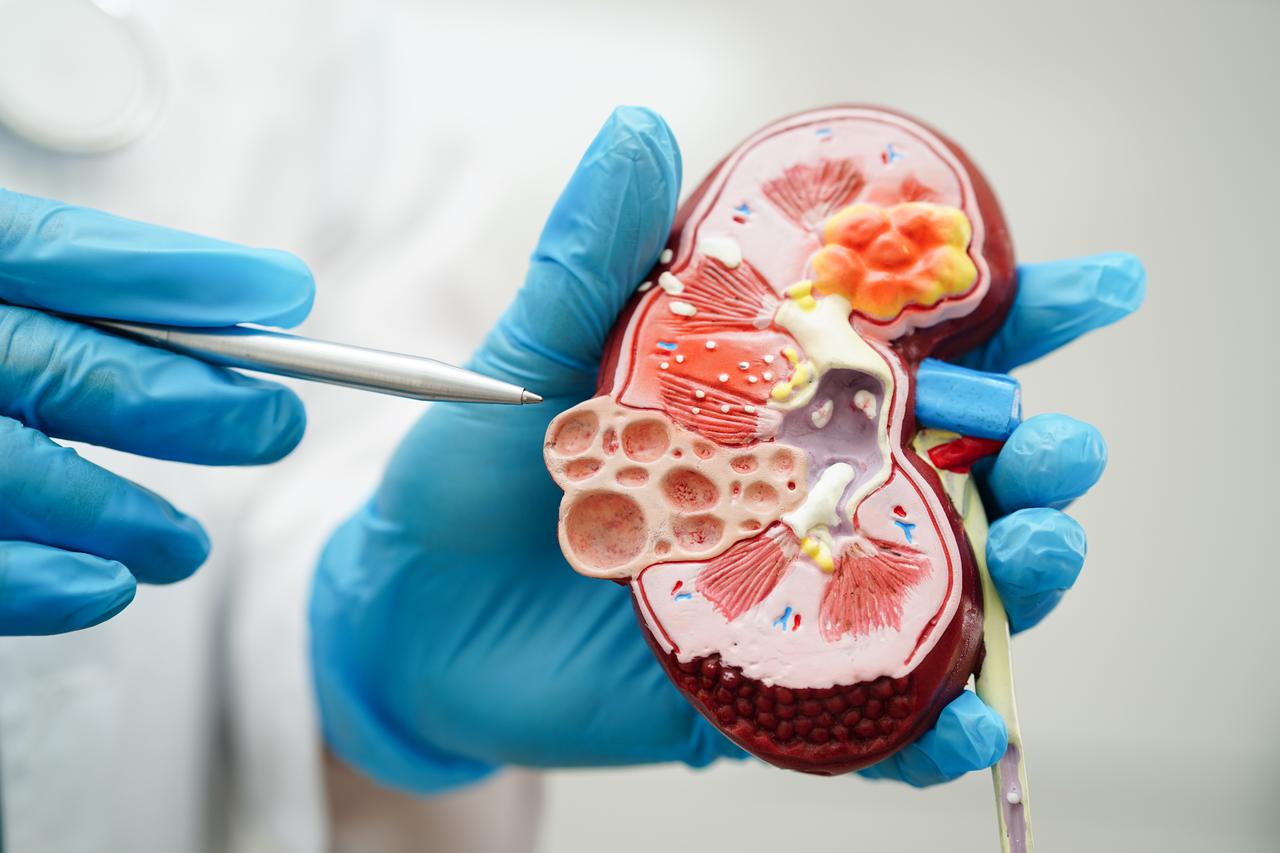


The Turkish Ministry of Health has warned that chronic kidney disease (CKD) is becoming an increasingly serious public health issue in Türkiye. According to the ministry, one in every six to seven adults in the country has some stage of chronic kidney disease. The disease often progresses silently, making early diagnosis and regular monitoring crucial.
Chronic kidney disease is characterized by permanent loss of kidney function, affecting both hormonal and essential roles of the kidneys. In its advanced stages, patients may require dialysis or kidney transplantation. The ministry emphasized that CKD can lead to serious complications and significantly affect the quality of life.
Early detection is therefore vital, as the disease frequently develops without noticeable symptoms. Screening tests allow kidney problems to be detected at an early stage, helping prevent disease progression and improve outcomes for patients.


The Ministry reported that obesity, diabetes, and hypertension are the most common contributors to chronic kidney disease. Managing these risk factors through early diagnosis, treatment, and control is critical to preventing kidney damage.
Globally, more than 850 million people are affected by CKD, and over 3 million people die each year due to complications related to the disease. This underlines the importance of preventive health measures and public awareness in mitigating the impact of CKD both in Türkiye and worldwide.

Türkiye has a robust dialysis network to support patients with advanced CKD. The ministry provides dialysis treatment in 598 state and training research hospitals, and when private centers are included, the total number of facilities reaches 969 nationwide.
Currently, over 70,000 patients receive dialysis treatment, all covered under the national health reimbursement system.
To strengthen preventive care, the Ministry launched the Disease Management Platform (HYP), enabling family physicians to monitor individuals for hypertension, diabetes, obesity, and cardiovascular risks. Physicians provide regular follow-ups and refer patients to specialized care when needed.
The Ministry also advises the public to protect kidney health by:


 Set as preferred source
 Set as preferred source


 1 min read
 1 min read