Newsletters


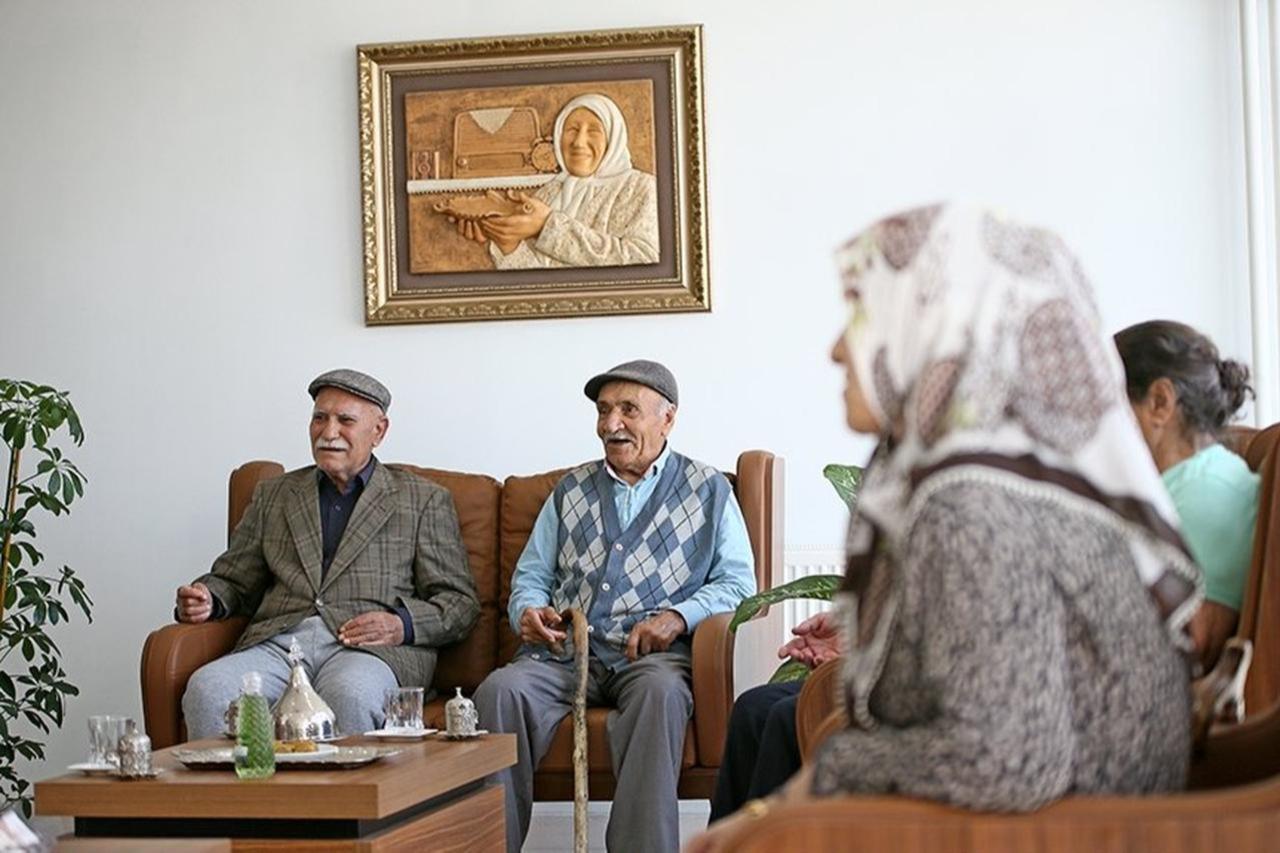


Türkiye’s elderly population has reached 9.58 million, surpassing the total population of 98 countries, including Denmark, Switzerland, Serbia, and New Zealand, signaling a demographic shift of unprecedented scale.
According to data from the Turkish Statistical Institute (TUIK) compiled by Anadolu Agency, one in every nine Turks is now aged 65 or older. Globally, approximately 10.4% of the world’s population, or 8.23 billion people, are aged 65 or older.
China tops the global ranking with 211 million elderly individuals, followed by India with 108 million and the United States with 64 million.
In relative terms, Monaco has the highest share of elderly, with 36% of its population aged 65 or older. Japan (30%), Italy (25.1%), Portugal (24.9%), and Greece (24.4%) follow. At the other end of the spectrum, Qatar (1.7%), the United Arab Emirates (1.8%), Zambia (2%), Chad (2.1%), and Sudan (2.1%) have the lowest elderly population ratios.
Prof. Dr. Mehmet Ali Eryurt of Hacettepe University emphasized that Türkiye’s aging process is outpacing that of many European countries, fueled by improved healthcare and longer life expectancy.
He warned that the growth of the elderly population will place increasing pressure on healthcare, social security, and public finances, especially given extended retirement periods and a shrinking workforce.
However, Eryurt noted opportunities as well. Flexible work policies could allow experienced workers to continue contributing, while the emerging “silver economy” products and services designed for older adults offers a new avenue for economic growth.
Initiatives promoting intergenerational knowledge transfer through mentoring and volunteering can also harness the experience and wisdom of older citizens for society’s benefit.


 Set as preferred source
 Set as preferred source


 1 min read
 1 min read