Newsletters


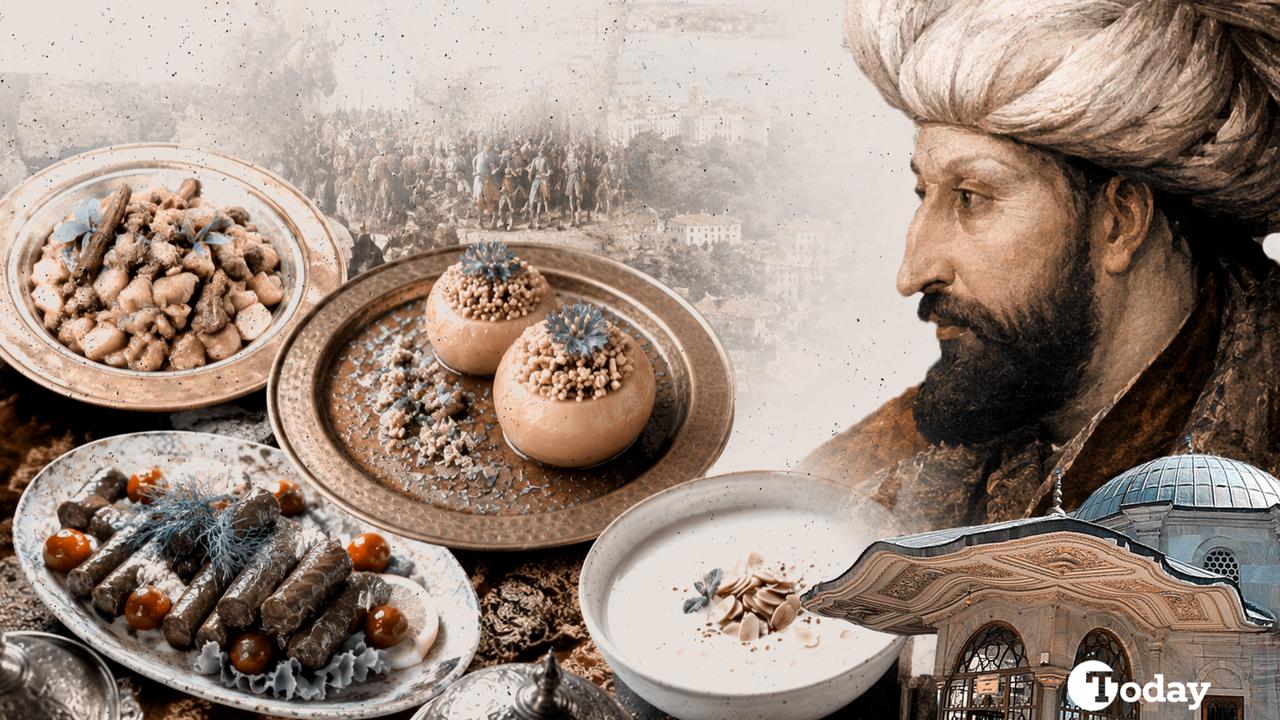
In the 15th century, the conquest of Constantinople by Fatih Sultan Mehmet, also known as Mehmed the Conqueror, ushered in an era of culinary experimentation inside the Ottoman palace kitchens.
Chefs blended sweet fruit with savory meat, creating dishes that still surprise diners centuries later.
From stuffed melons to almond-laced soups, 10 recipes rise above the rest as favorites of the sultan's table, and many remain on menus across the region today.
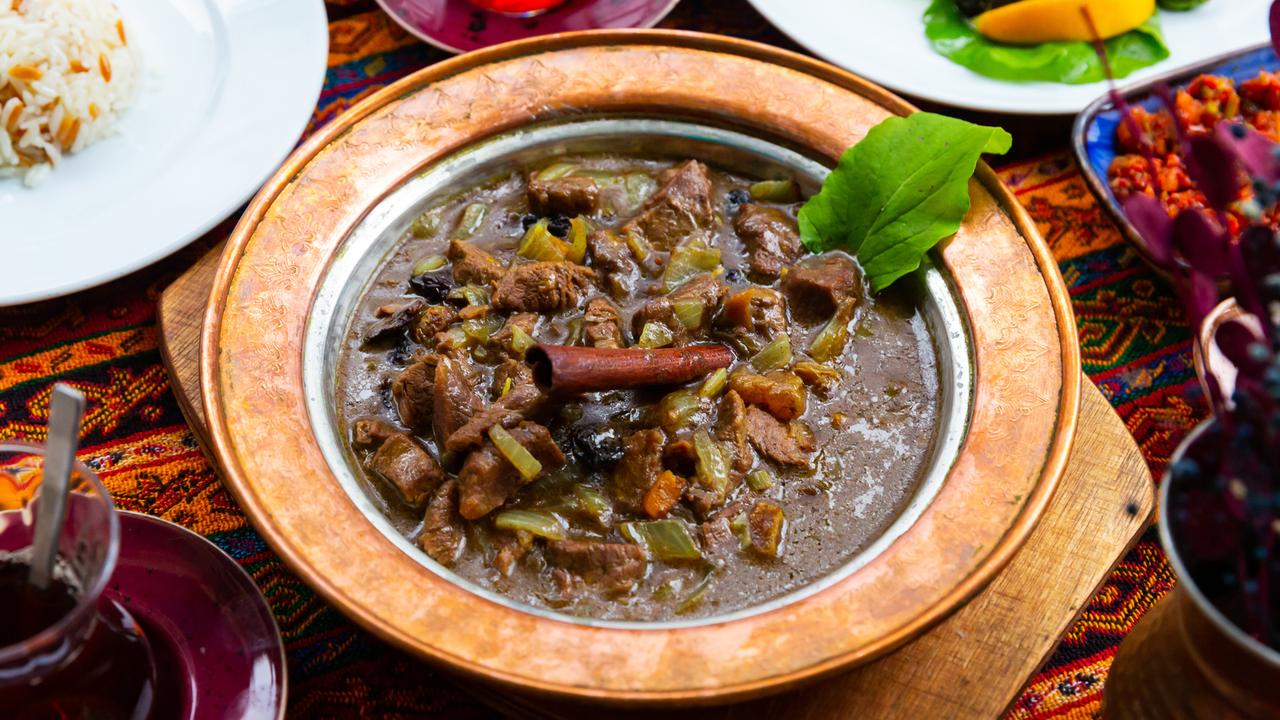
Mutancana was reportedly a favorite dish of Fatih Sultan Mehmet, prepared in the palace kitchens.
Cooks simmered lamb with dried figs, apricots, damson plums, almonds, and honey, creating a rich stew that balanced meat and fruit in a single pot.
The dish reflects the era's growing taste for combining sweet and savory flavors—a pairing that would go on to define much of Ottoman cuisine.
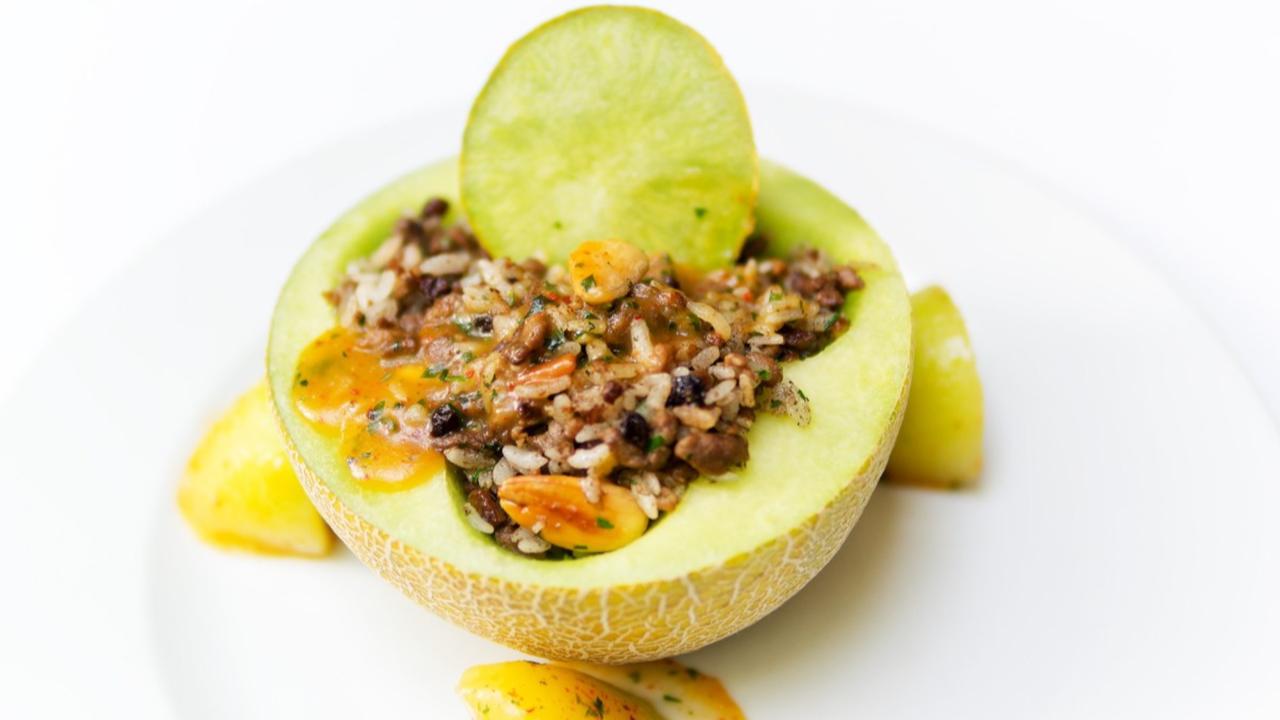
Palace chefs hollowed out melons and filled them with minced meat, rice, almonds, and currants before baking the mixture whole.
Food historians trace the recipe back to the 15th century, making it one of the era's most inventive dishes—one that served as both a main course and an appetizer within the palace.
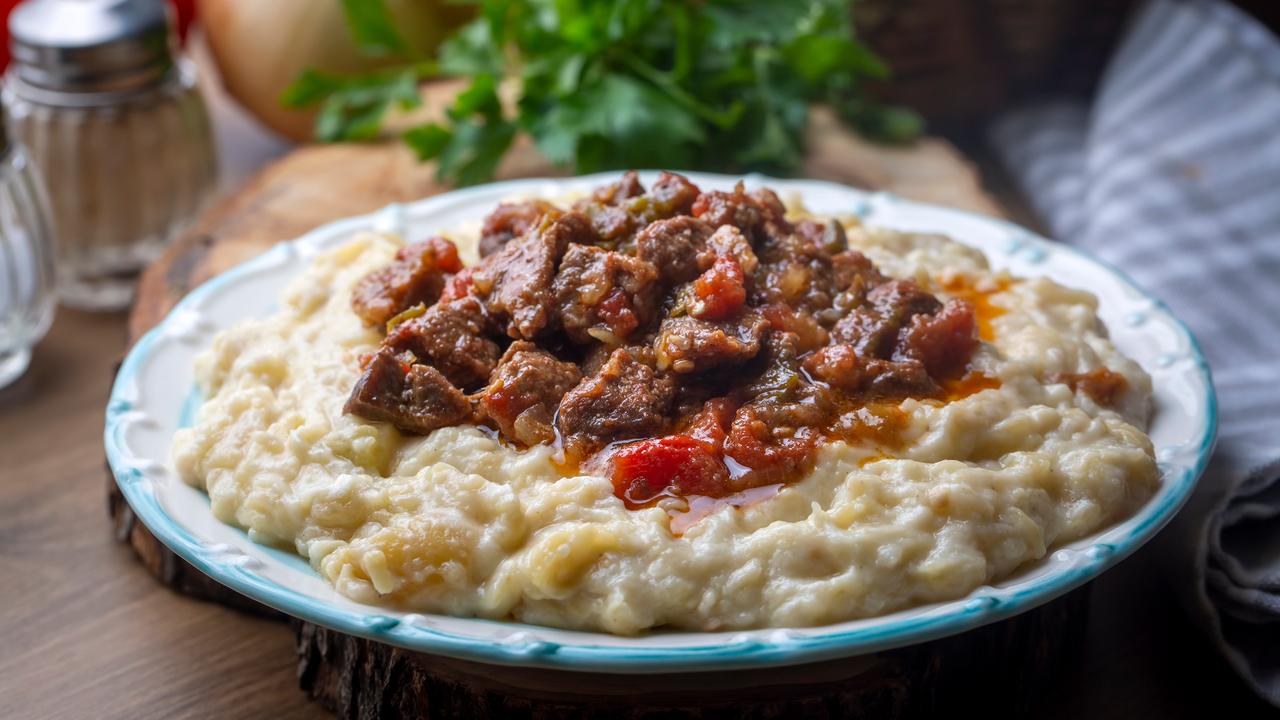
Hünkar Beğendi soon became the most consumed dish within the palace walls.
Cooks blended smoked eggplant with milk and butter, then paired the smooth puree with tender lamb—a combination that came to define the Ottoman court's everyday dining and later spread well beyond the palace.
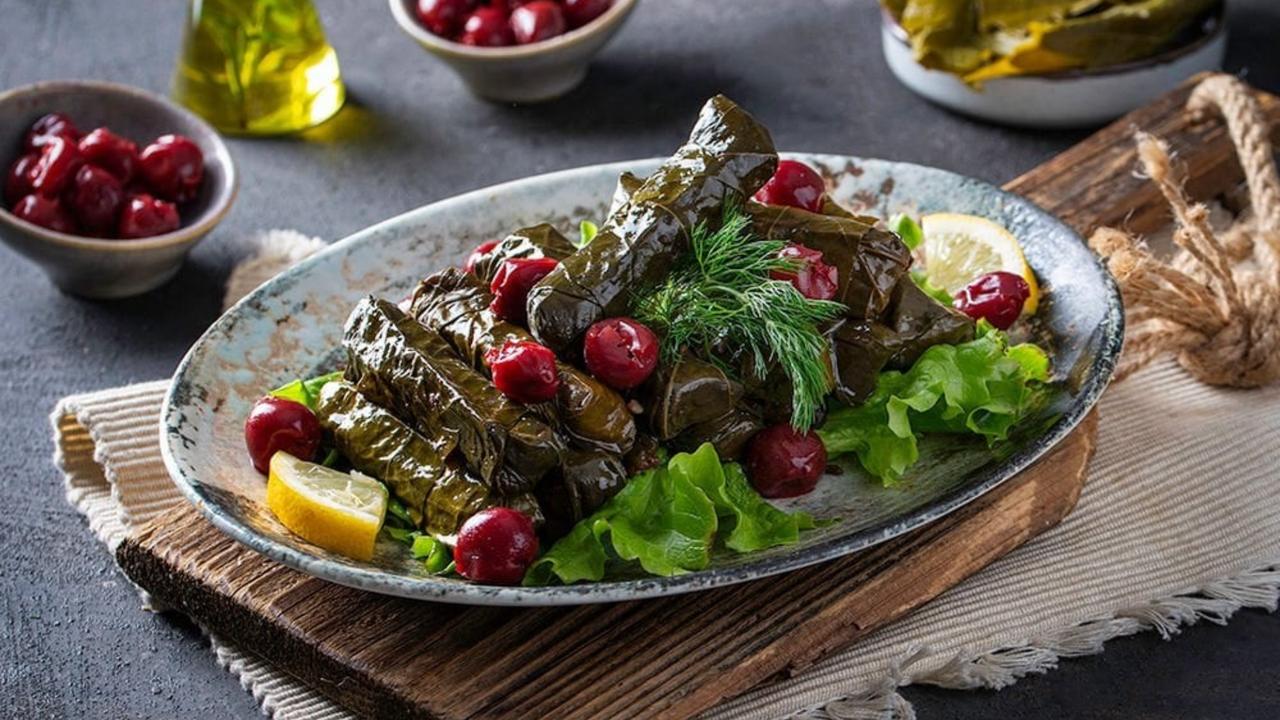
Chefs adapt the classic stuffed grape leaf by adding sour cherries to the filling.
Visneli Yaprak Sarma balances tart and sweet notes, placing it among the palace's most distinctive olive-oil-based dishes and reinforcing the kitchen's growing reputation for daring flavor pairings.
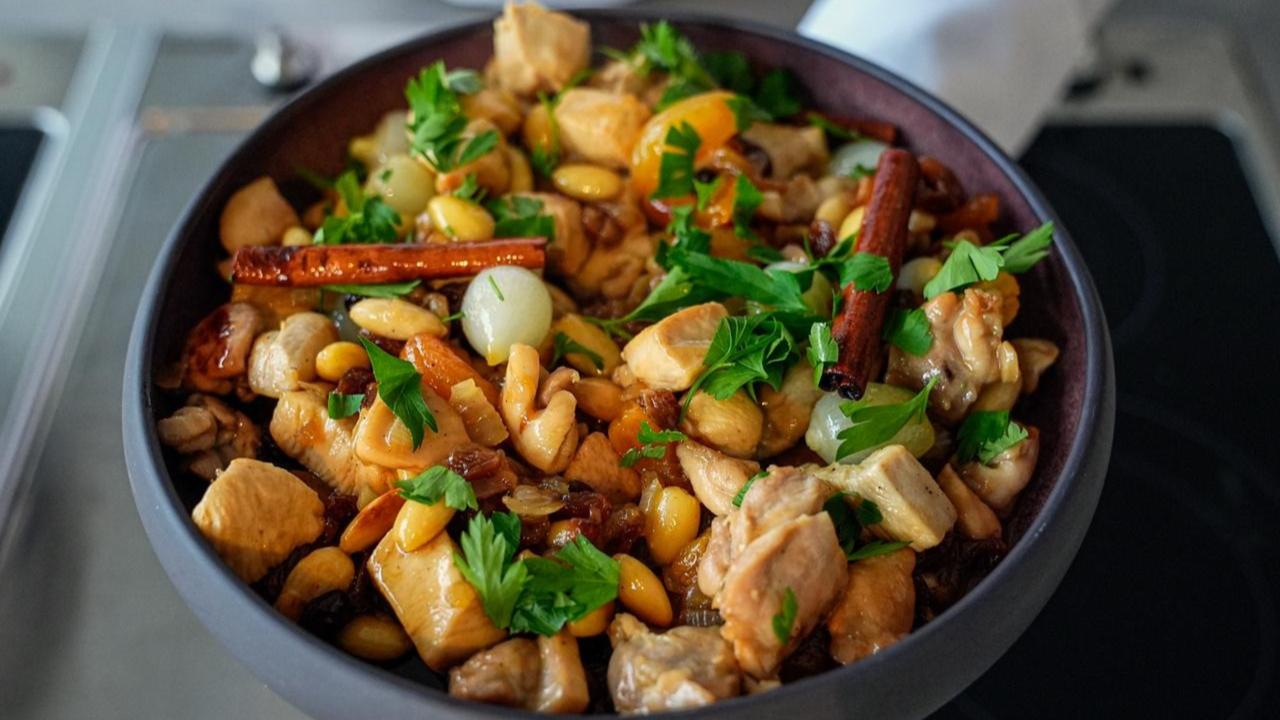
As winter approached, palace tables turned to Mahmudiye, a dish that blends almond-crusted chicken with cinnamon, cloves, honey and apricots.
The nourishing combination makes it a seasonal staple, particularly valued during the colder months when the court seeks hearty, warming fare.
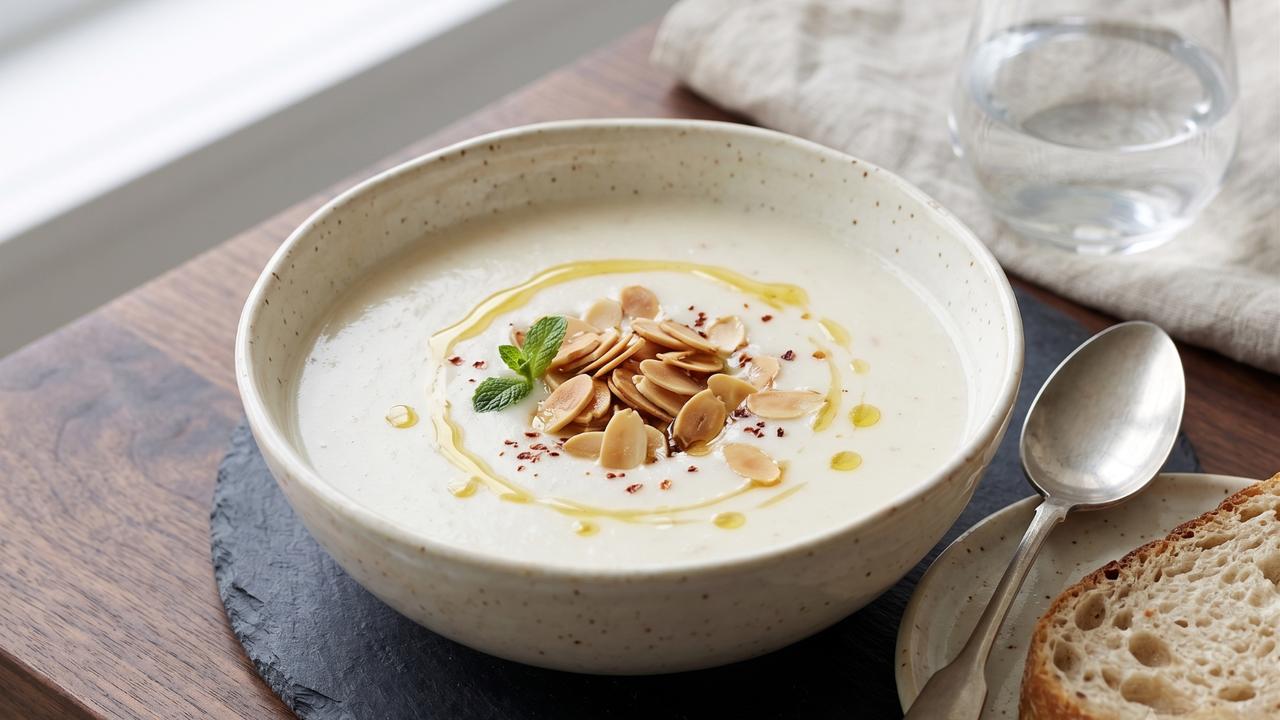
Before major feasts, palace cooks prepared Sutlu Badem Corbasi, a smooth soup made from flour, milk, meat broth and ground almonds.
Served ahead of the main course, the dish became a customary opener at weddings and important gatherings across the Ottoman court.
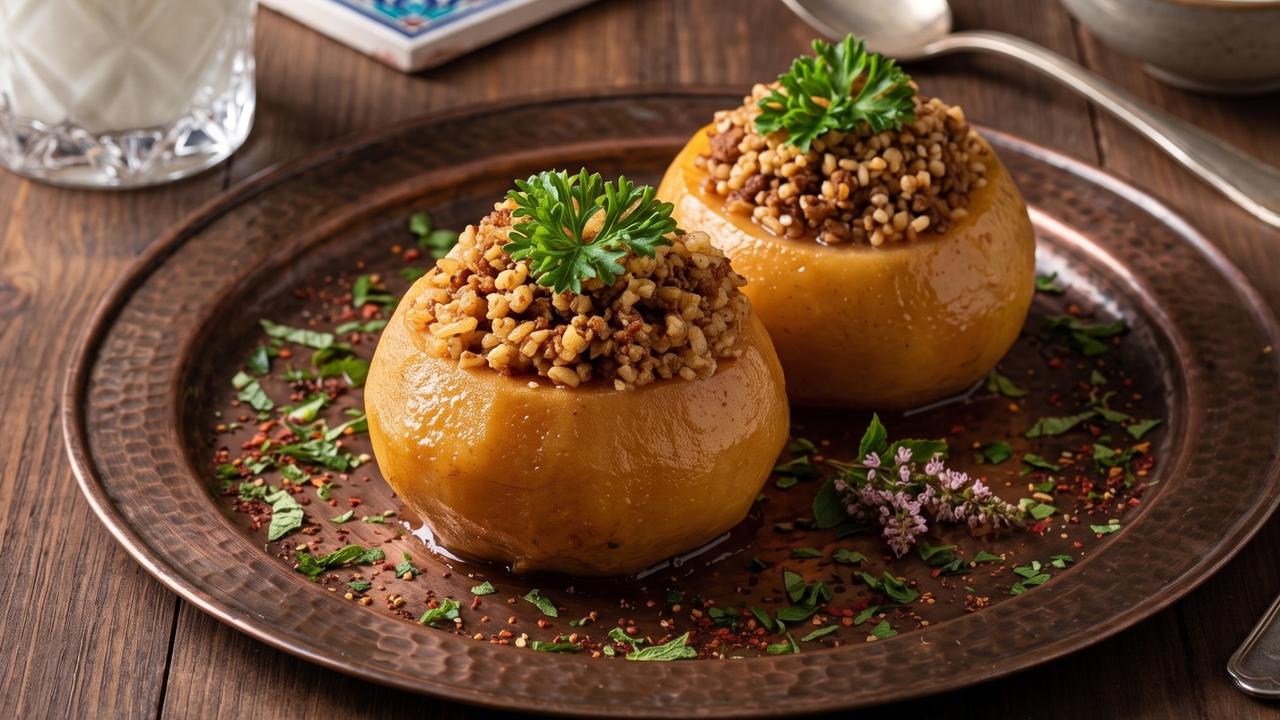
Palace chefs hollowed quinces and stuffed them with minced meat and spices, finishing the dish with a lightly sweet sauce.
Ayva Dolmasi appears on tables as both a dessert and a main course, reflecting the kitchen's continued fondness for fruit paired with meat.
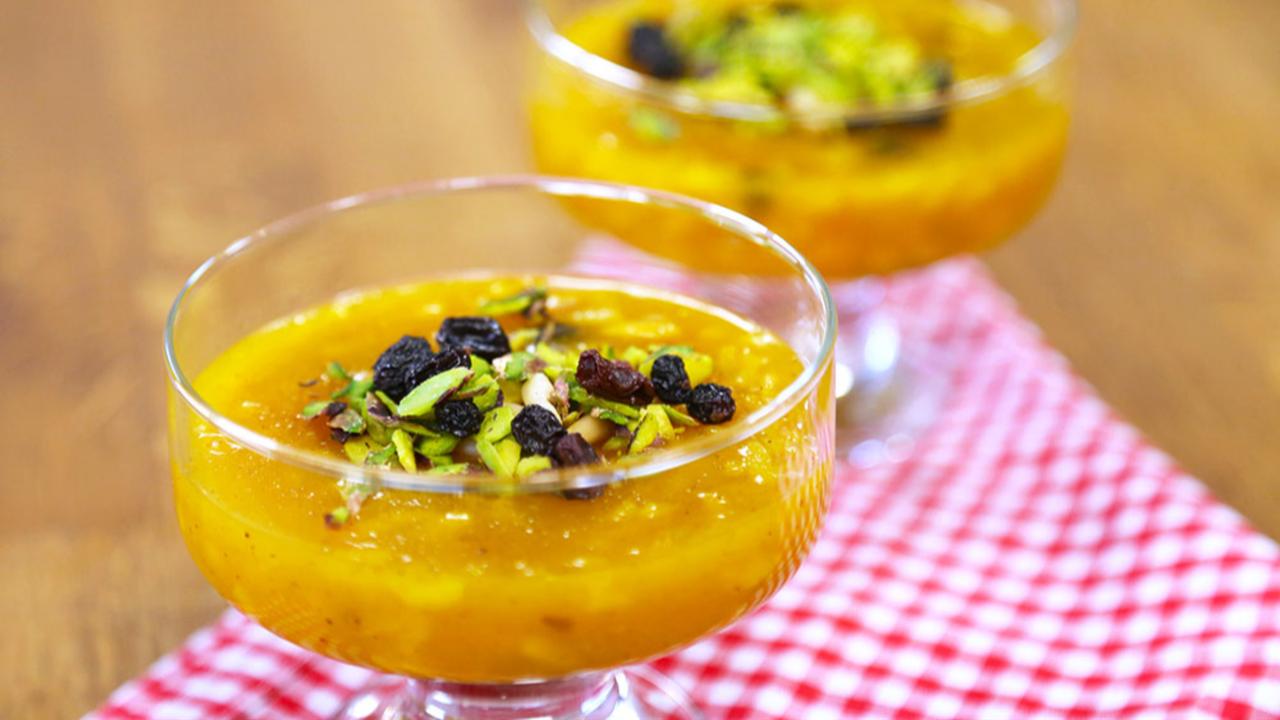
For weddings and victory celebrations, cooks prepare Zerde, a bright yellow dessert made from rice, sugar, rose water and saffron.
The dish held a central place at the grandest palace occasions, marking milestones with its distinctive color and fragrance.
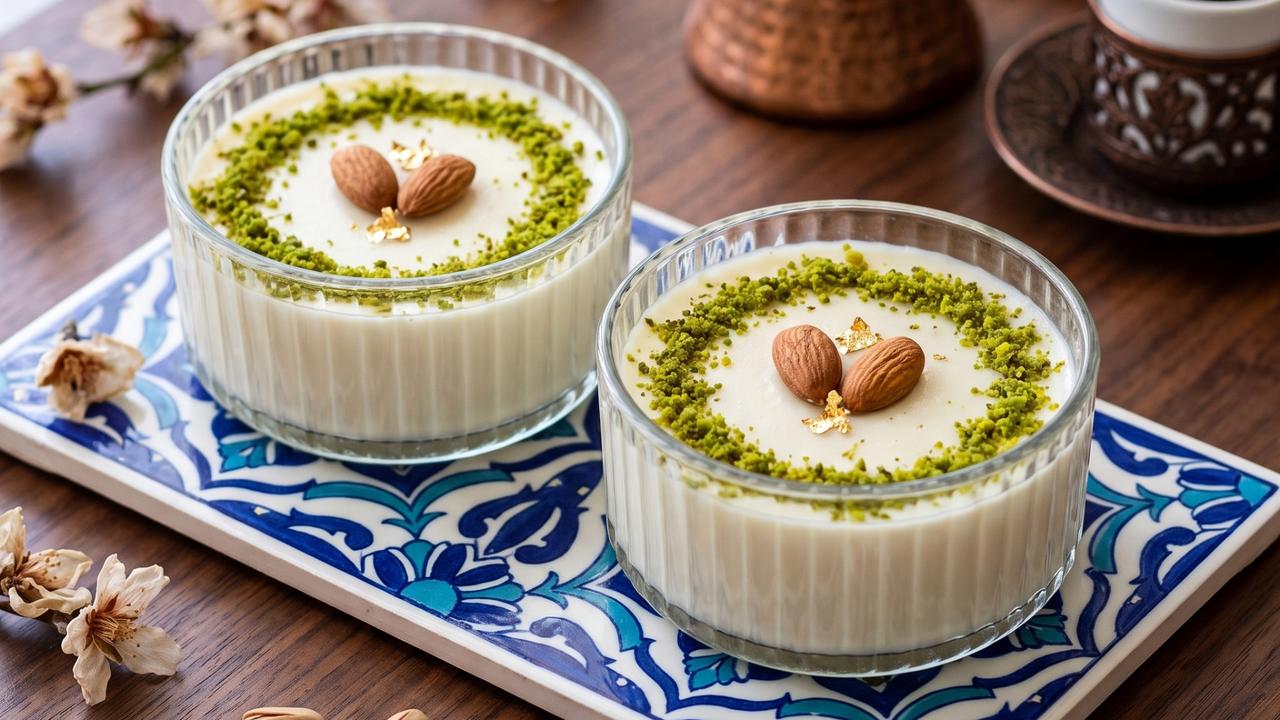
Keskul, a light dessert made from milk, crushed almonds, and coconut, takes its name from the bowls once used by dervishes to collect alms.
The dish remains one of the era's most enduring sweets, still frequently chosen by diners today.
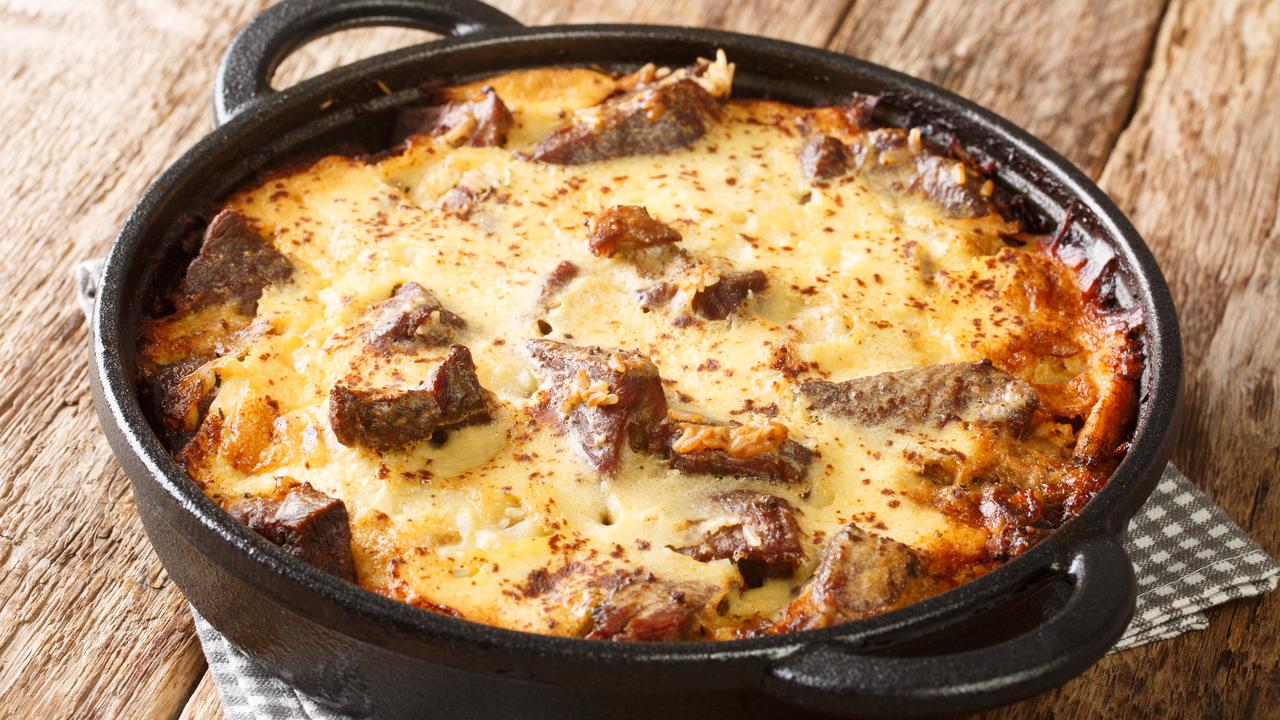
Elbasan Tava travels from the Balkans into the palace kitchens, where boiled lamb is baked in a sauce of garlic, egg and strained yogurt.
Centuries after its adoption, the dish continues to be counted among the most valued culinary inheritances linking the Balkans to the Ottoman court.

 1 min read


 Set as preferred source