Newsletters


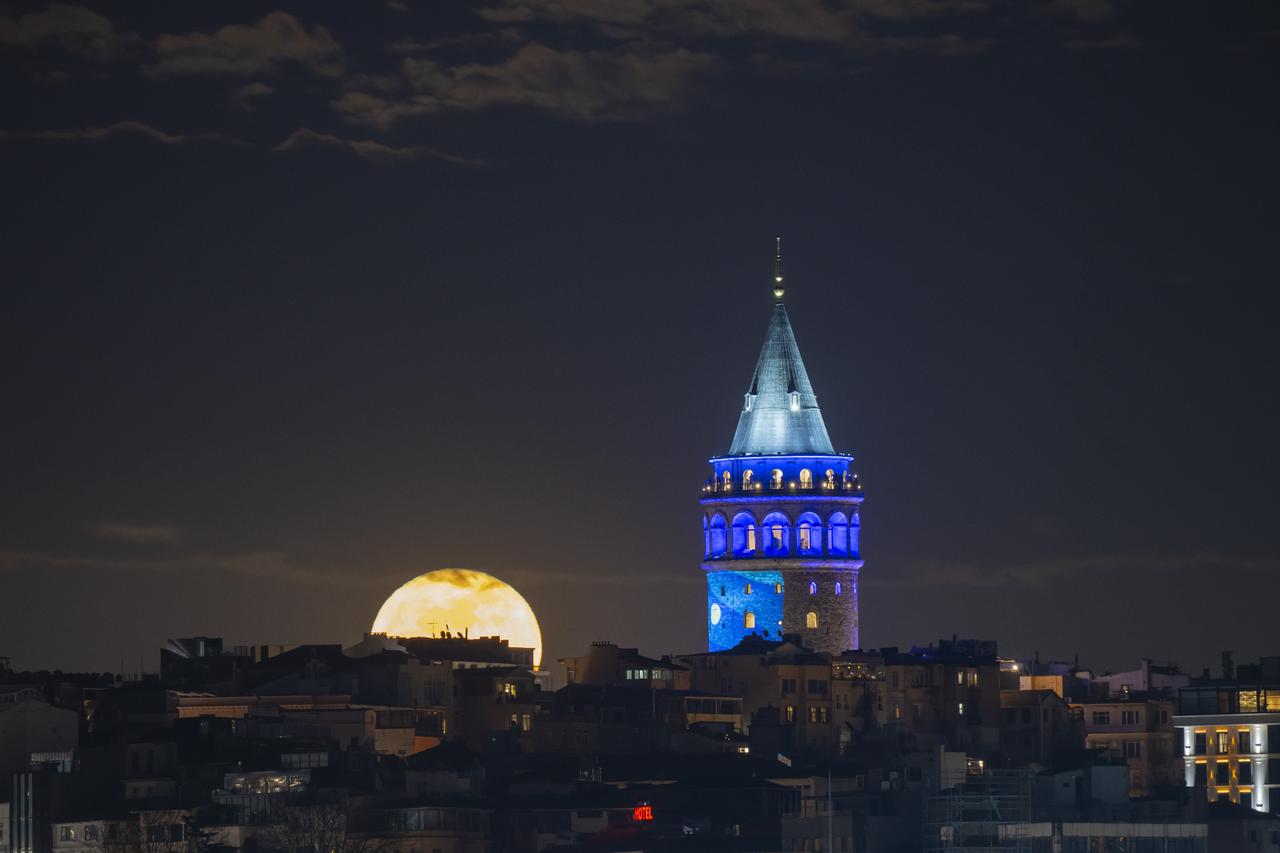


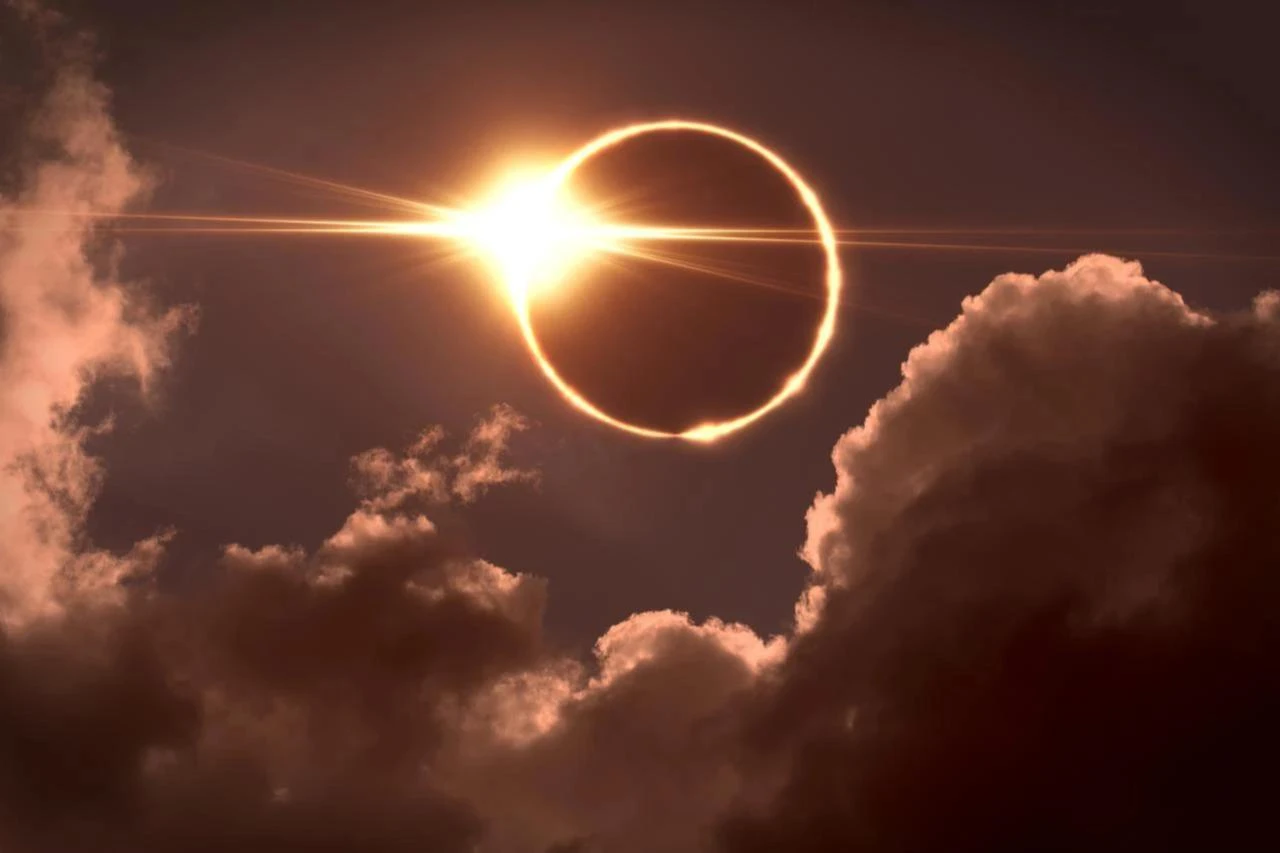
The year 2026 offers an unusually rich lunar calendar. Skywatchers will have the opportunity to observe 13 full moons over the course of the year, one more than a typical calendar year, along with three supermoons, two micromoons, and two lunar eclipses.
One of these eclipses is the final total lunar eclipse visible from parts of the globe until New Year's Eve 2028.
The moon completes its full cycle every 29.5 days, passing through eight phases based on its position relative to Earth and the sun.
The full moon occurs at the midpoint of this cycle, when the moon and sun are on opposite sides of Earth, and the moon’s Earth-facing side is fully illuminated.
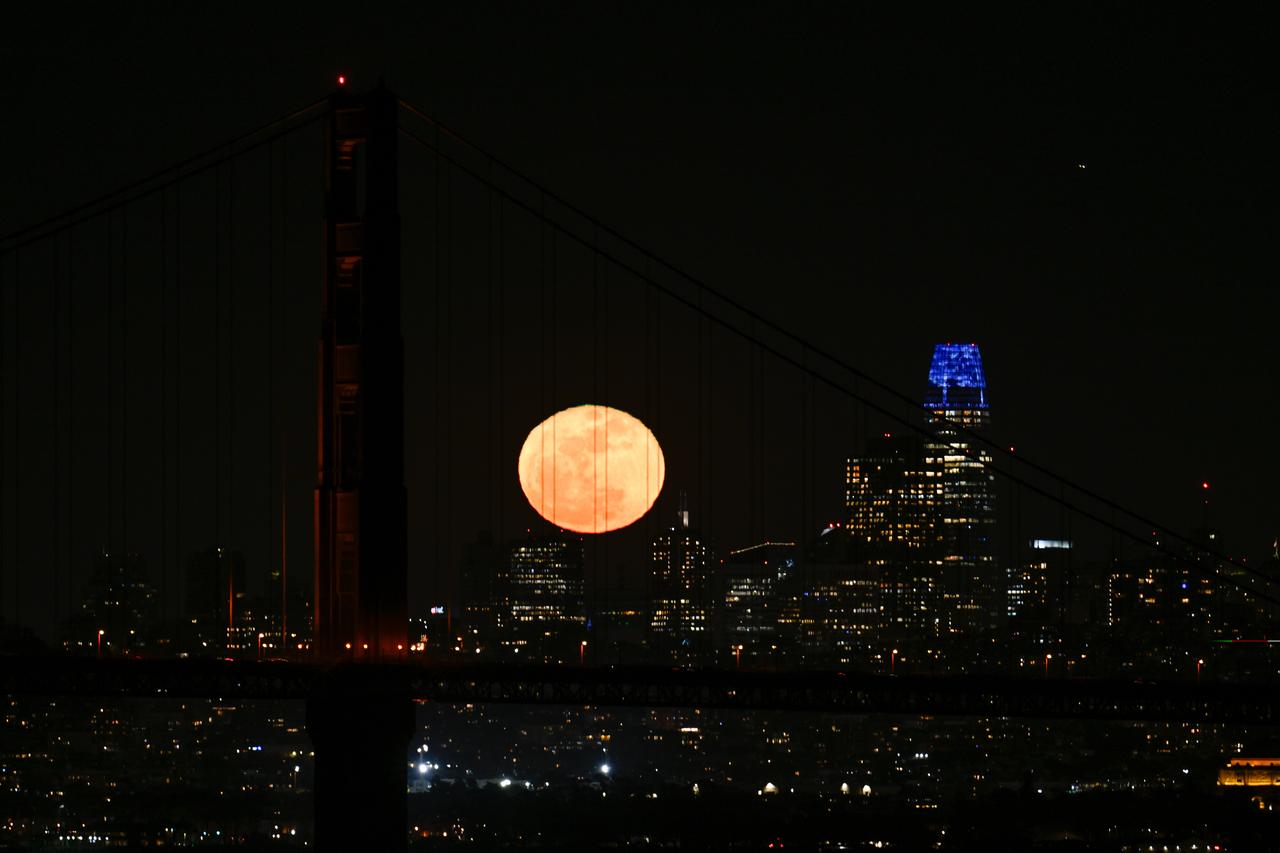

May 2026 stands out in the lunar calendar. The Flower Moon rises on Friday, May 1, reaching peak fullness at 8:23 p.m. GMT+3 (5:23 p.m. GMT).
This is also the year’s first micromoon, occurring when the moon is near apogee, its farthest point from Earth. The Flower Moon will be about 4.6% farther from Earth than average, making it appear slightly smaller in the sky than usual.
A second full moon occurs on May 31, known as a blue moon, making May a rare month with two full moons. According to NASA, only 6% of full moons qualify as blue moons, which can only occur in the last two or three days of a month.
The full moon dates are as follows:
Dec. 23: Cold Moon
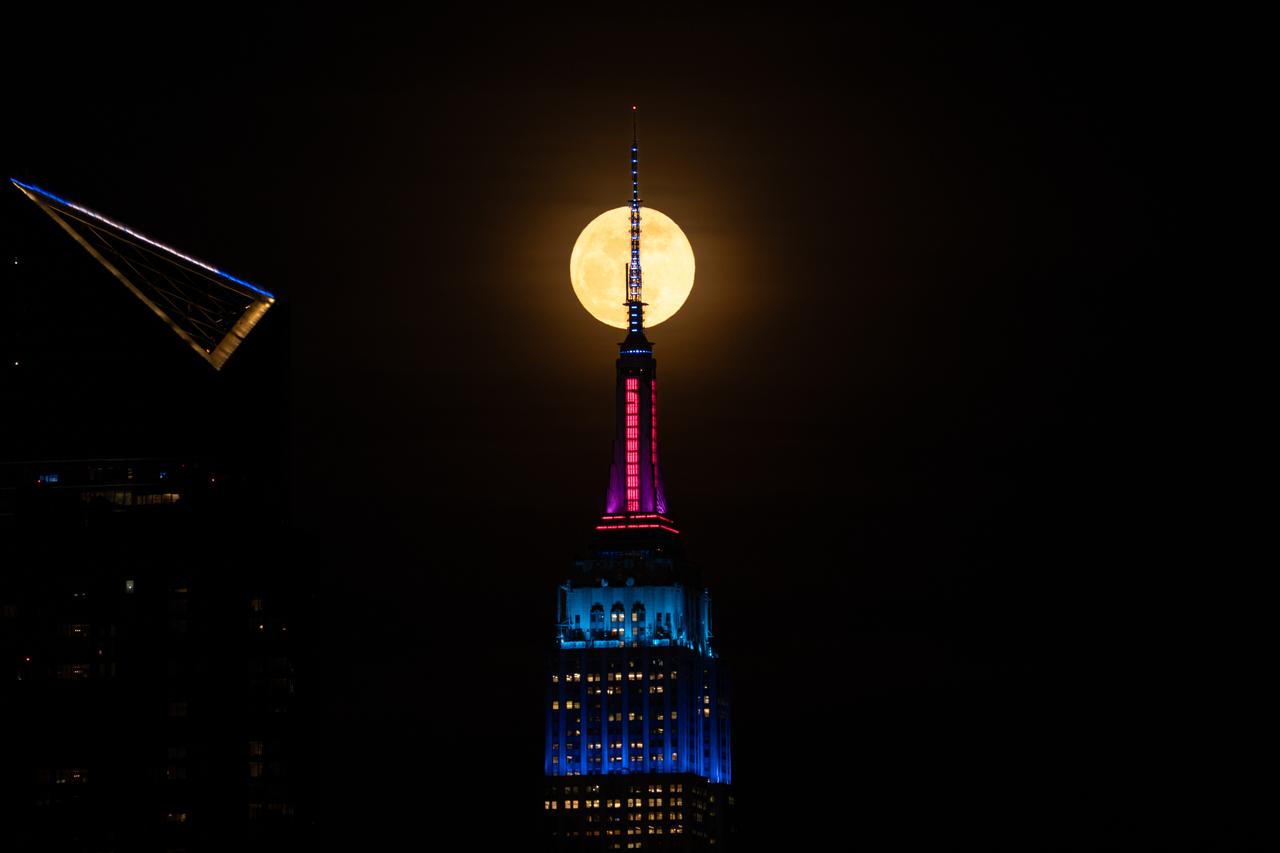
The first lunar eclipse of the year will occur during the night of March 2-3 and will be a total lunar eclipse. During this event, the full Worm Moon will pass through Earth's inner umbral shadow and appear reddish-orange, a phenomenon referred to as a "blood moon," for 58 minutes from 9:04 a.m. to 10:02 a.m. GMT+3 (6:04 a.m. to 7:02 a.m. GMT) on March 3.
The second eclipse, occurring on August 27-28, will be a partial lunar eclipse. At maximum eclipse, set for 3:12 a.m. GMT+3 (12:12 a.m. GMT) on August 28, 96% of the Sturgeon Moon will enter Earth's umbral shadow and may appear reddish orange. The best viewing conditions are expected across North and South America, Europe, and Africa.
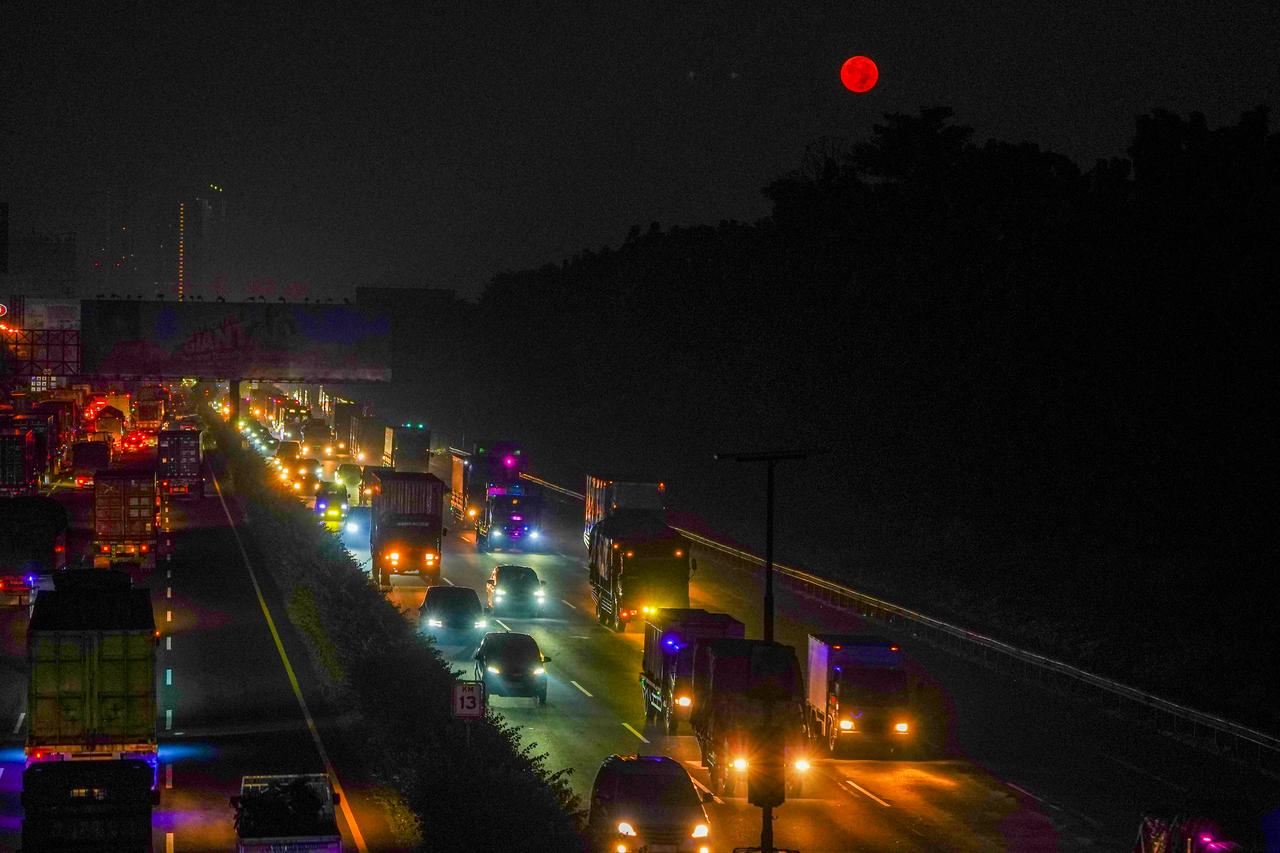
No specialized equipment is required to observe a full moon. The naked eye is sufficient for viewing the moon as it rises at dusk, a time when it often appears larger due to its position relative to distant landmarks.
For enhanced detail, binoculars can reveal the moon's craters and surface texture more distinctly. A basic telescope offers a closer view, although the full moon's brightness may obscure some surface features compared to crescent or quarter phases.
Timing is as critical as equipment. The moon reaches peak fullness at a precise moment, but it appears fully illuminated to the naked eye on the preceding and following nights, offering a three-night viewing window.
For eclipses, it is advisable to verify local times in advance, as totality or maximum coverage may last less than one hour.
Light pollution presents the primary challenge for observers in urban areas. Traveling to locations such as parks, hilltops, or open coastlines can significantly enhance visibility. Monitoring for clear skies and low humidity is also essential before any lunar event.


 Set as preferred source
 Set as preferred source




 6 min read