Newsletters


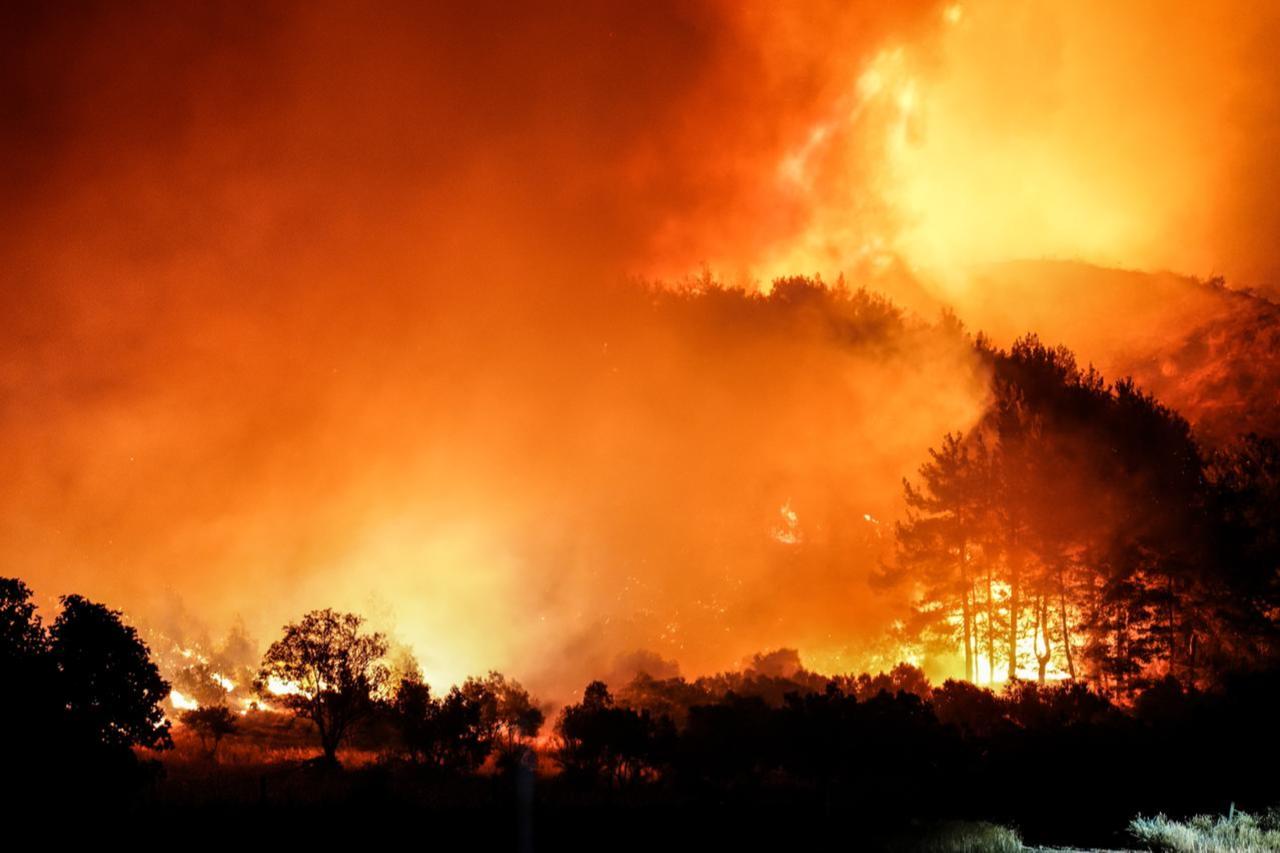


Scientists are warning that 2026 could become one of the most severe global wildfire years on record, driven by accelerating climate change and the possible development of a strong El Nino weather event.
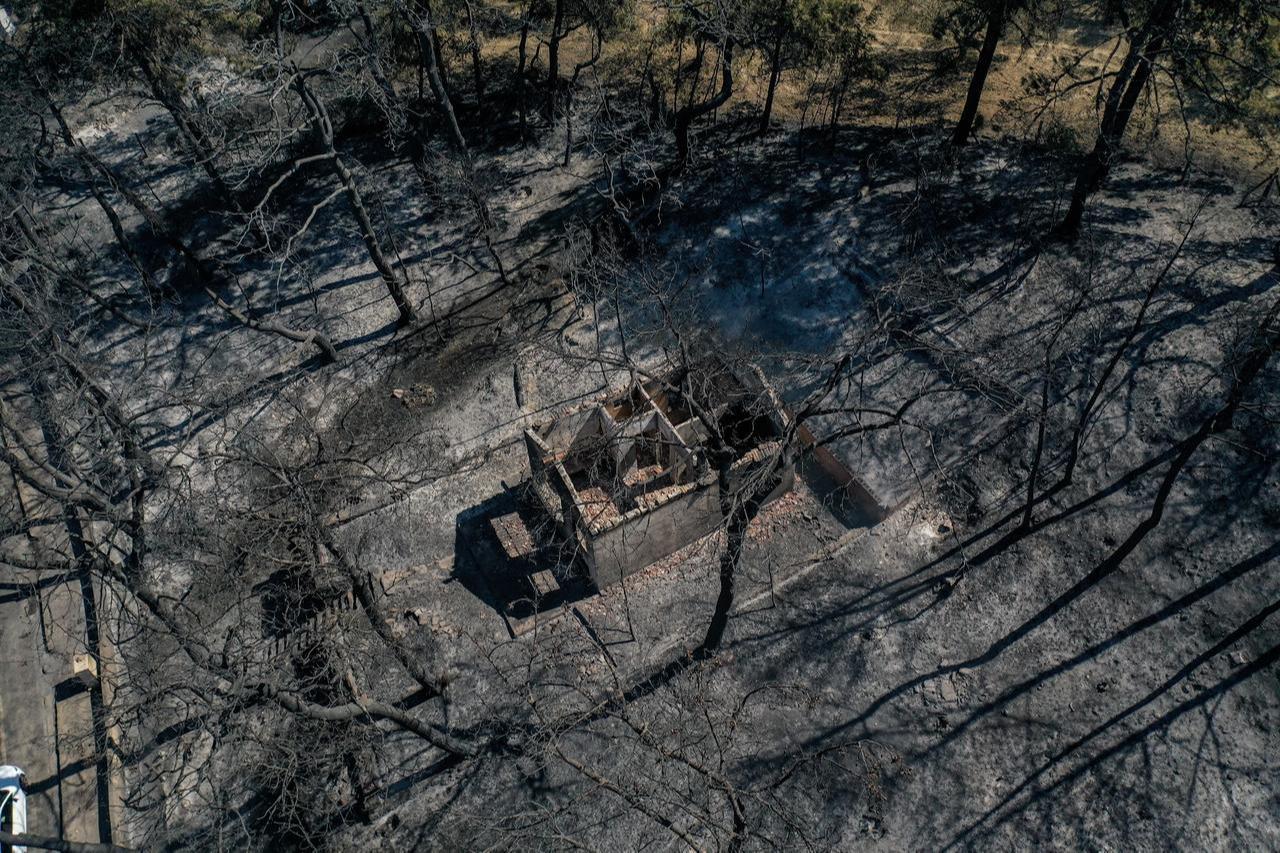
Researchers from Imperial College London and the World Weather Attribution (WWA) network report that global wildfire activity has begun at an unusually rapid pace, with burned areas significantly exceeding historical averages even before the peak fire season.
According to global monitoring data, more than 163 million hectares have already burned between January and early May 2026. This represents the highest level recorded for this period since satellite observations began in 2012, and approximately 20 percent above the previous record.
Scientists also note that the burned area is around 50 percent higher than the seasonal average, indicating unusually widespread fire activity across multiple regions.
Dr. Theodore Keeping, a wildfire researcher at Imperial College London and member of WWA, stated that the early progression of the season suggests 2026 is already shaping up to be “particularly severe,” even before El Nino conditions fully emerge.

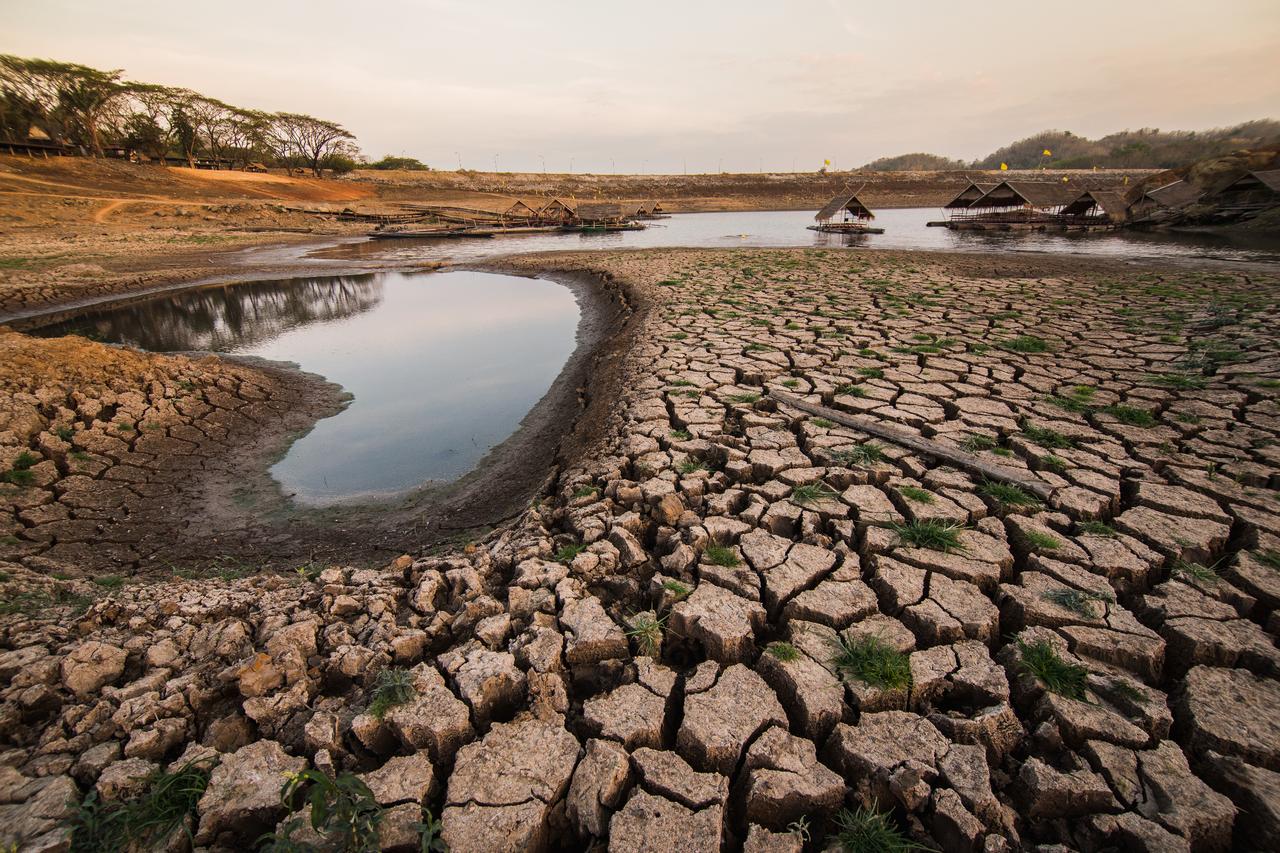
El Nino is a naturally occurring climate phenomenon associated with periodic warming of sea surface temperatures in the Pacific Ocean. It influences global weather patterns, often increasing the likelihood of droughts, heatwaves and other extreme conditions in various regions.
Meteorological agencies have indicated that the upcoming El Nino event could be particularly strong, with some projections comparing it to historically intense “super” El Nino events.
Previous strong El Nino periods contributed to record global temperatures, including 2023 and 2024. Scientists caution that a similarly strong event in 2026 could further exacerbate wildfire conditions worldwide.
Dr. Keeping warned that the probability of extreme fire conditions “could be the highest seen in recent history” if El Nino intensifies as forecast.
While El Nino is a natural climate cycle, researchers emphasize that long-term climate change remains the primary factor increasing the severity and frequency of extreme wildfire conditions.
Friederike Otto, co-founder of WWA and climate scientist at Imperial College London, stated that El Nino should not be viewed as the fundamental cause of concern, as it is temporary in nature, whereas global warming is persistent and intensifying.
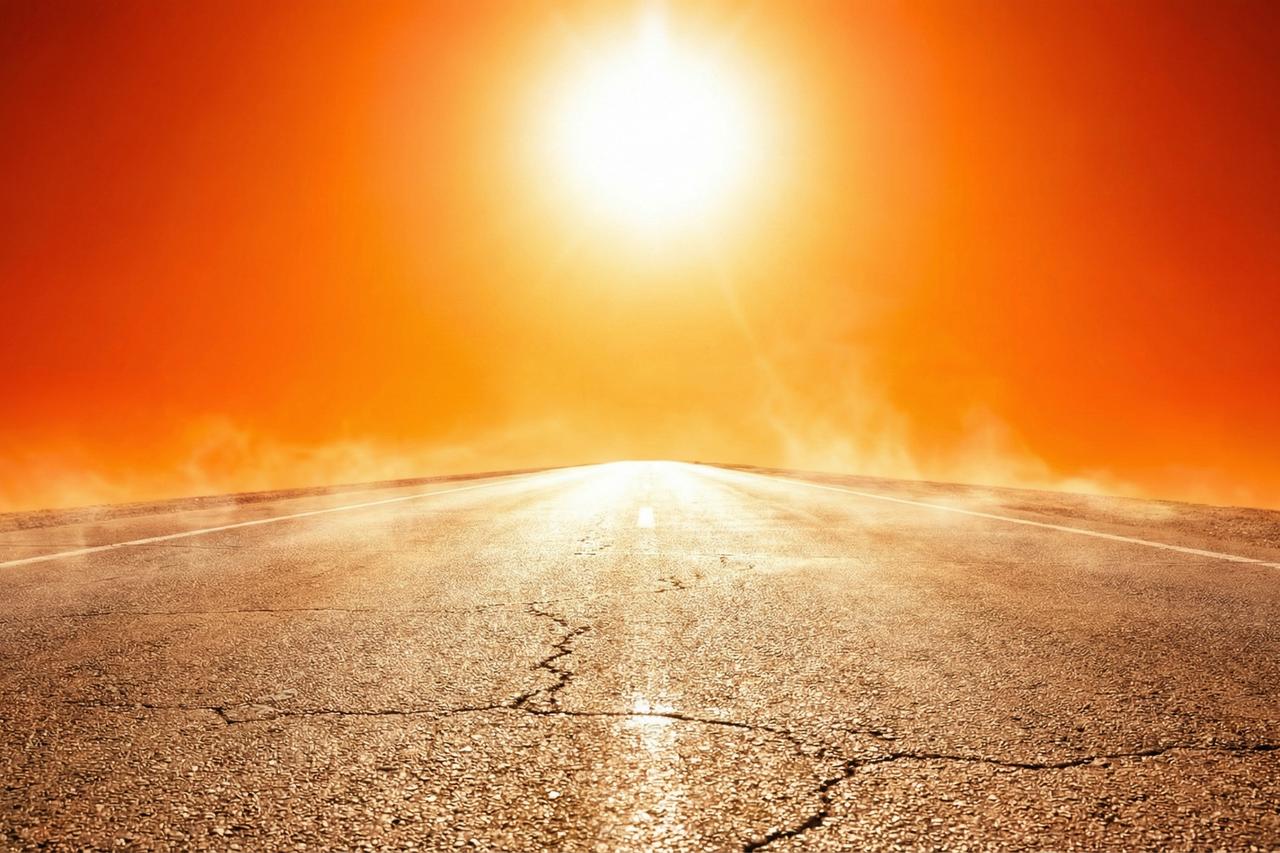
She stressed that “climate change is the reason,” noting that rising global temperatures are increasing the likelihood of extreme heat, drought, and fire-prone conditions.


 Set as preferred source
 Set as preferred source


 1 min read
 1 min read