Newsletters





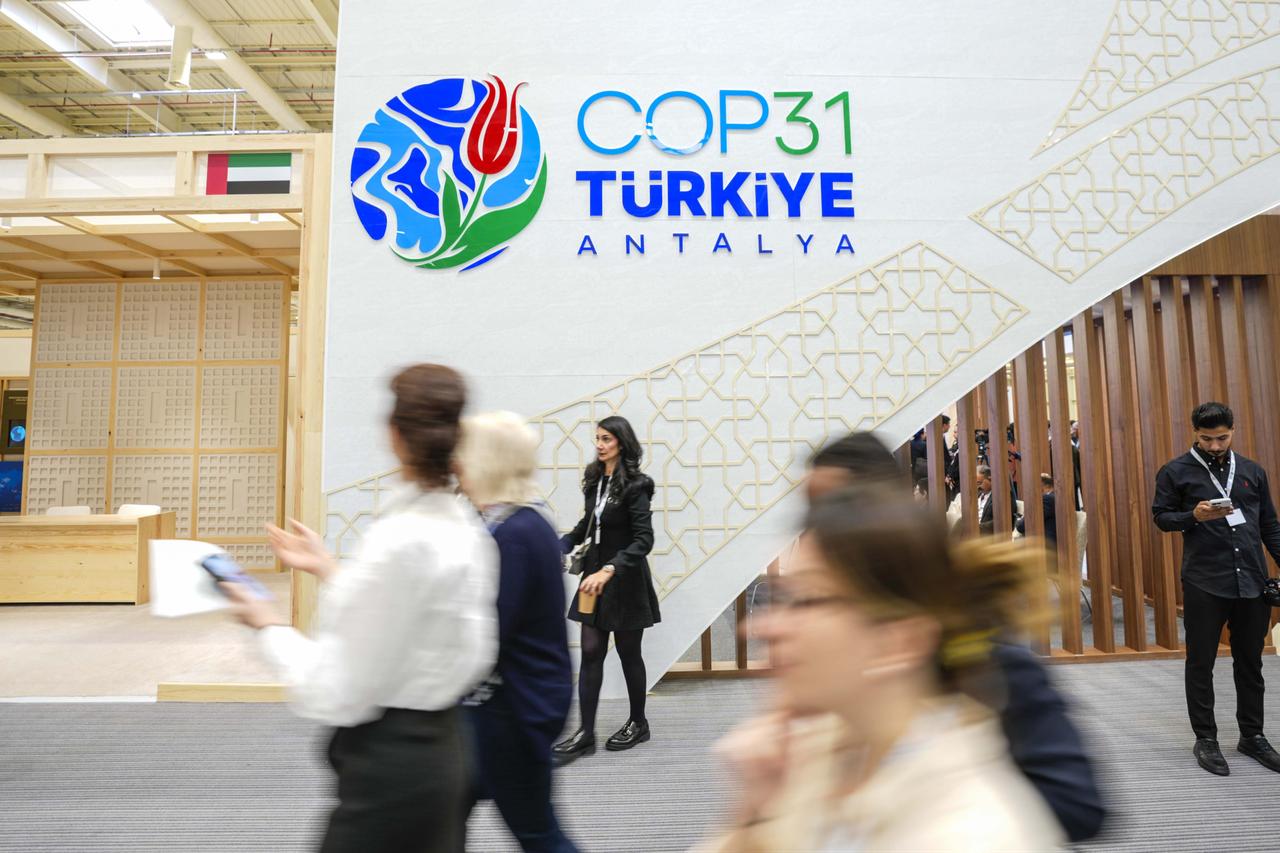
The year 2026 is on course to become the hottest ever recorded, with scientists warning that rising global temperatures and an unusually powerful El Nino are intensifying extreme weather as world leaders gather in Antalya, Türkiye, for the United Nations COP31 climate summit.
U.S.-based research group Berkeley Earth said it was 95% confident that 2026 would surpass the previous temperature record set in 2024, despite two months of the year still remaining when the assessment was made.
The warning comes as negotiators begin two weeks of climate talks in Türkiye, where governments face growing pressure to cut greenhouse gas emissions while preparing for increasingly severe natural disasters.
The World Meteorological Organization (WMO), the United Nations agency responsible for weather and climate monitoring, offered a more cautious assessment on Monday, forecasting that 2026 would rank among the four warmest years on record.
Meanwhile, the European Union's Copernicus climate monitoring service confirmed that October had been the hottest on record.
Robert Rohde of Berkeley Earth said the succession of unusually warm years reflected the continuing effects of global warming, pointing to collapsing glaciers, extreme heat waves and droughts as examples of the consequences.
"We have had a run of record warm years," Rohde said, warning that even more dramatic changes could emerge in the future.
Countries attending COP31 have already experienced widespread climate-related disasters, including wildfires across Europe and a glacier collapse in Nepal that killed more than 1,000 people.
Scientists identify rising atmospheric carbon dioxide concentrations, largely driven by burning fossil fuels, as the main cause of long-term global warming.
The current El Nino, a natural climate pattern involving changes in Pacific Ocean temperatures and atmospheric conditions, is adding to the warming by releasing heat stored in the oceans.
WMO Secretary-General Celeste Saulo explained that El Nino does not introduce additional heat into the climate system but releases energy already accumulated in oceans, which have absorbed approximately 90% of the excess heat trapped by greenhouse gases.
The WMO expects the unusually powerful El Nino to continue into 2027, keeping global temperatures elevated.


The findings have placed additional pressure on negotiators meeting in Antalya, where discussions are expected to address both cutting emissions and helping countries adapt to worsening climate impacts.
U.N. climate chief Simon Stiell acknowledged the limitations of international negotiations during his opening address.
"No single COP is a silver bullet. No single conference can bridge the chasm between the science and reality," he said, while urging governments to act on the growing urgency of climate change.
The world is currently heading toward approximately 2.8 degrees Celsius of warming above pre-industrial levels by the end of the century, substantially exceeding the Paris Agreement's goal of limiting warming to 1.5 degrees Celsius.
Türkiye, which is hosting the summit, wants this year's negotiations to focus on expanding electrification, replacing fossil-fuel-powered systems with electricity, and reducing waste.
However, divisions are emerging over which energy sources should qualify under a potential electrification agreement.
According to draft negotiating documents seen by the BBC, the European Union wants any new target to rely on clean energy rather than allowing countries to meet it through natural gas.
Countries including Saudi Arabia and Russia have previously supported using gas as a transitional alternative to coal.
Despite the disagreements, renewable energy deployment continues to expand. The International Energy Agency expects capacity growth over the next six years to be 57% higher than during the previous period.
Stiell said renewable energy had also helped economies deal with recent energy shocks, estimating that global renewables saved approximately $500 billion last year.
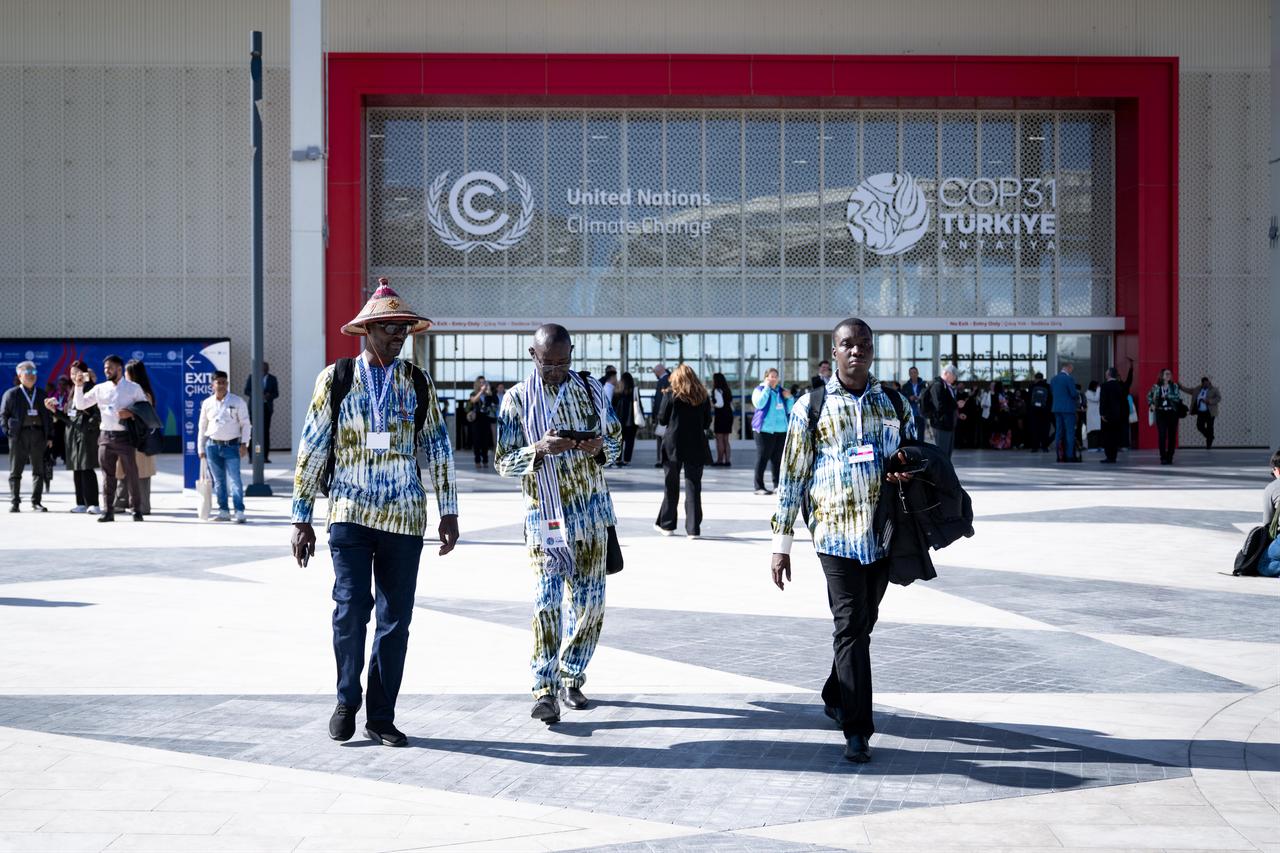
Financing for developing countries remains another major issue at COP31 as governments attempt to balance climate commitments with growing economic and security pressures.
Wealthier nations previously agreed to triple adaptation funding for developing countries to at least $85 billion annually by 2035.
However, the latest available figures, from 2024, show funding at only about a third of the target, even as the U.N. warns that climate-related financial losses are already substantial.
Some governments have redirected aid budgets toward defense spending and financial support for households affected by rising oil and gas prices following the Iran-U.S. war.
The United Kingdom is reportedly reluctant to back additional climate targets at COP31, preferring instead to focus on implementing existing agreements. It has also faced criticism over reductions to its aid budget and reports that electric vehicle targets could be weakened.
Alongside energy and climate finance, governments are expected to discuss international artificial intelligence policy, particularly the growing electricity and water demands of data centres supporting the technology.
As negotiations continue in Antalya, the WMO's warning that temperatures could remain exceptionally high into 2027 adds further urgency to efforts to address emissions, energy transitions and climate adaptation.


 Set as preferred source
 Set as preferred source


 1 min read


 1 min read