Newsletters


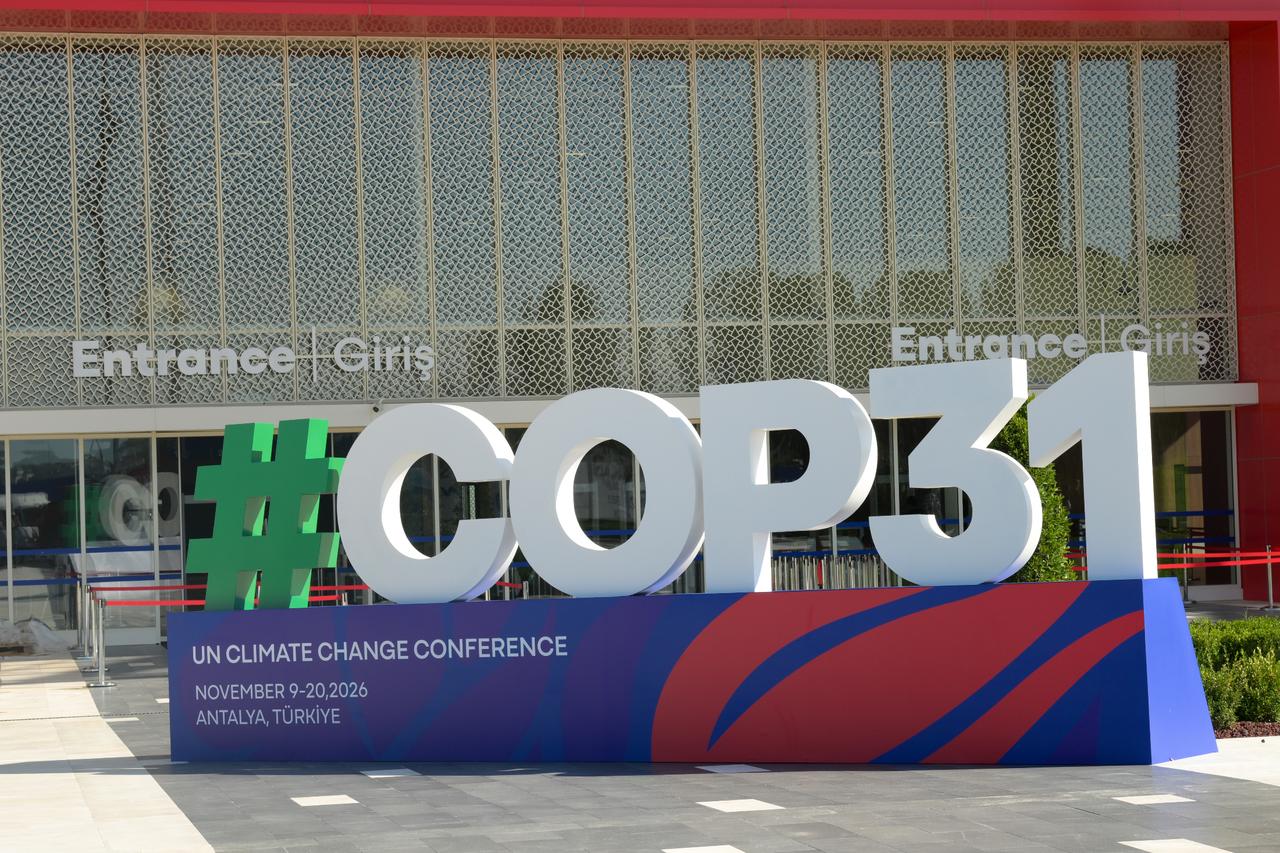


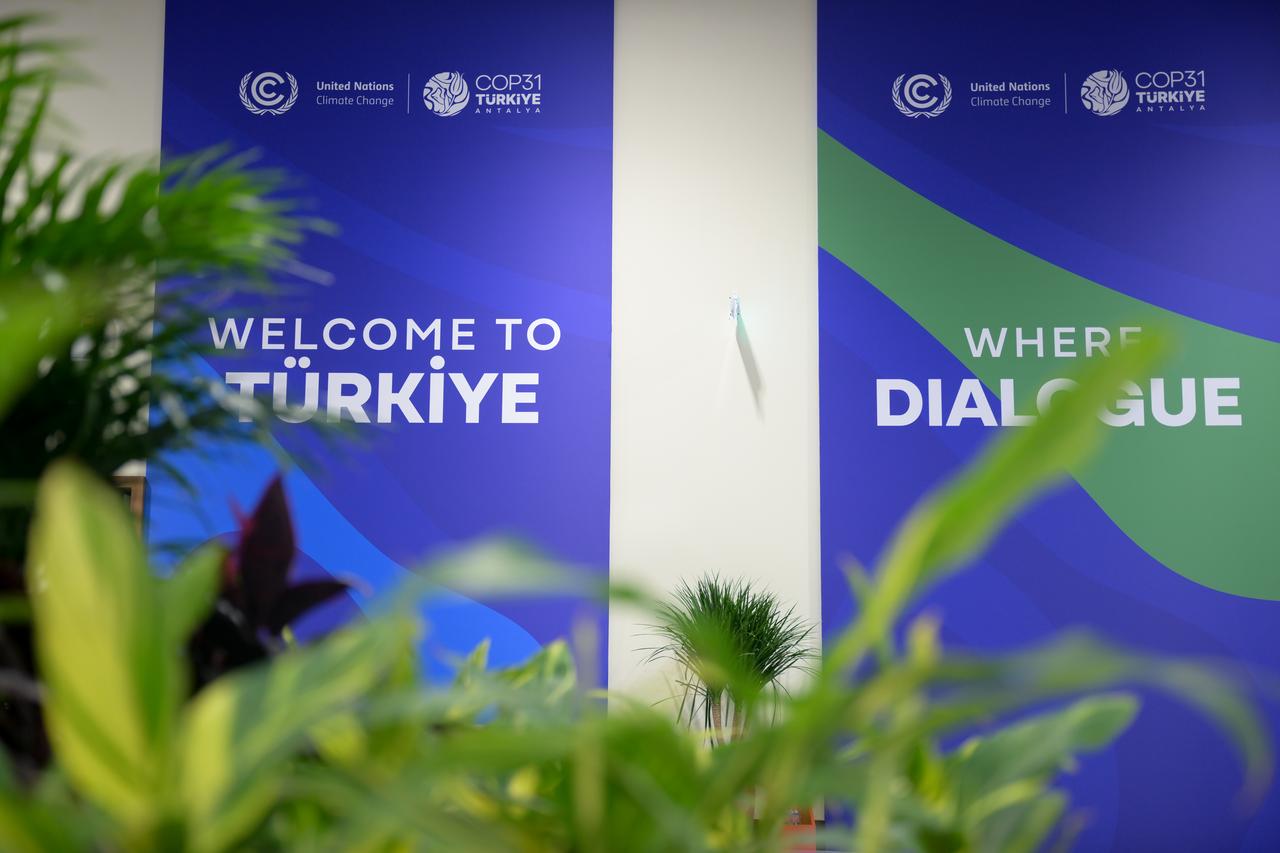
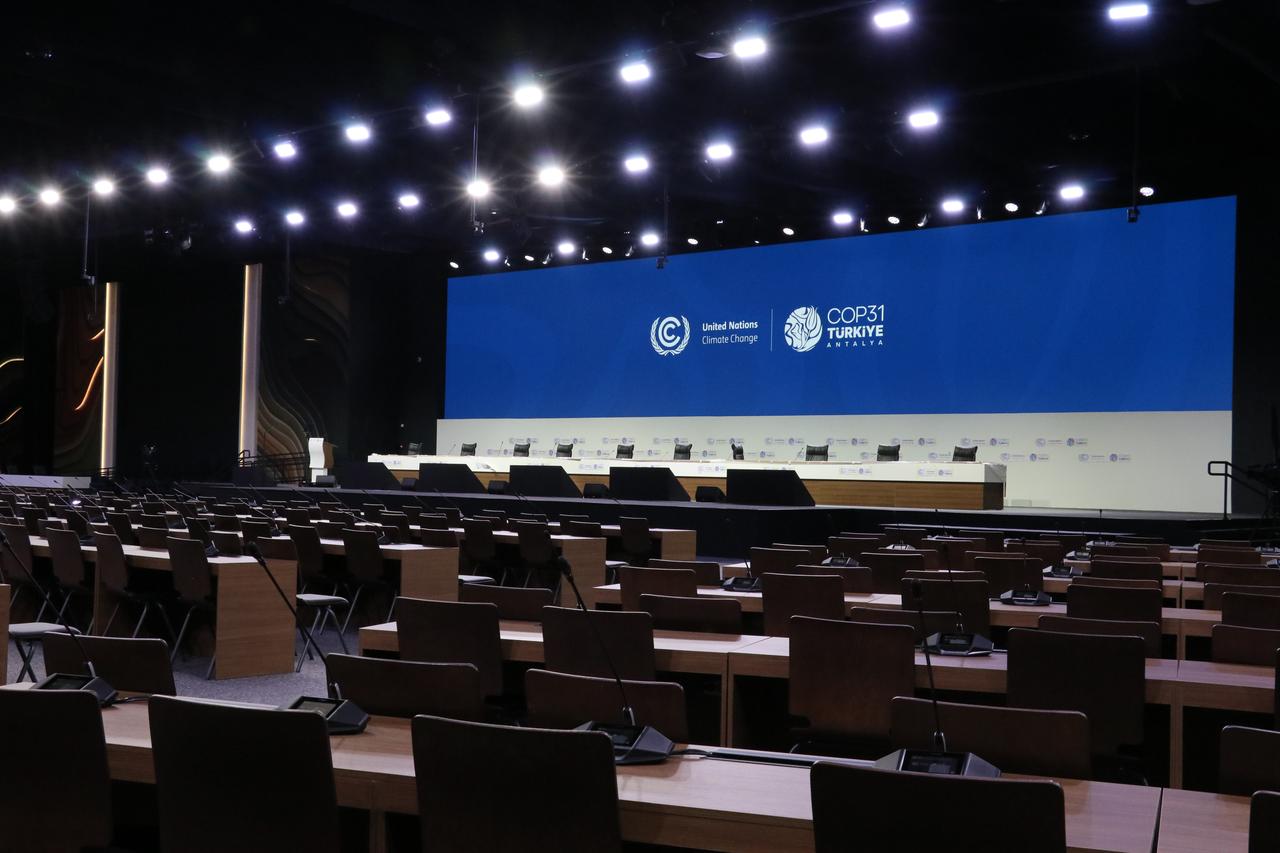
The 31st U.N. Climate Change Conference, also known as COP31, opens Monday in Antalya, a Mediterranean resort city in southern Türkiye, and runs through Nov. 20. AFP reported that more than 100,000 people are expected, though tensions over geopolitics, finance and fossil fuels are tempering hopes of a breakthrough.
Türkiye presides over the conference, while Australia leads the negotiations under an unusual arrangement that settled a dispute over who would host.
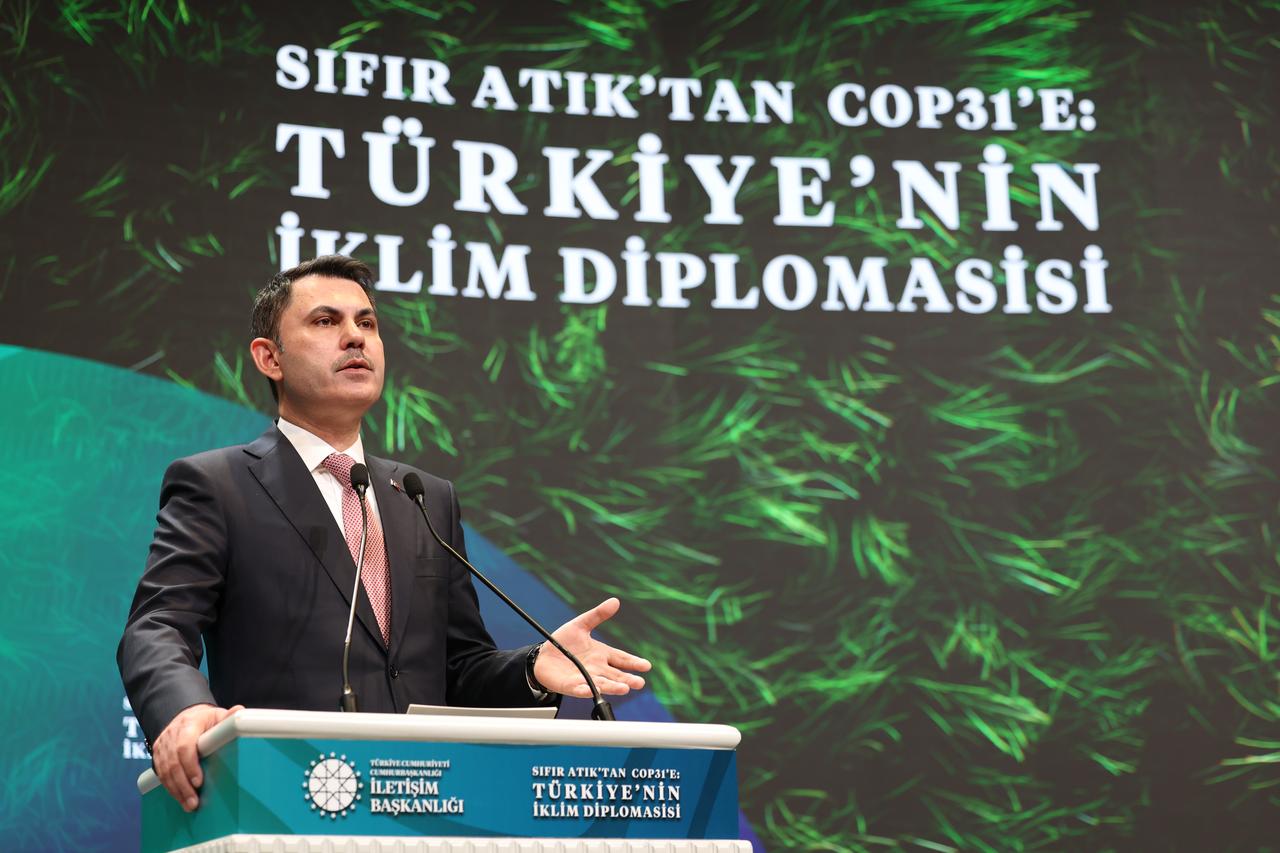
COP31 President Murat Kurum, Türkiye’s environment minister, said the conference aims to turn past COPs' commitments into real results.
Officials have called it an “implementation COP.” Australia's Climate Minister Chris Bowen said reaching consensus among nearly 200 countries “will not be easy.”
A leaders’ summit takes place Nov. 11-12, on the conference's third and fourth days. Kurum said Oct. 22 that 85 world leaders confirmed attendance and nearly 300 ministers are expected.
President Recep Tayyip Erdogan, U.N. Secretary-General Antonio Guterres and Australian Prime Minister Anthony Albanese are expected to give opening remarks. A U.S. congressional delegation will attend, but the Trump administration is not taking part in the negotiations.

Alongside the formal talks, the Turkish presidency promotes an action agenda of non-binding pledges on topics ranging from artificial intelligence to waste management. Martin Krause of the United Nations Environment Program (UNEP) said the presidency has named 10 priority areas, with waste management first.
The centerpiece is an electrification drive to raise the share of global energy demand met by electricity from around 20% today to 35% by 2035.
“Electrification is the answer,” Kurum said. Türkiye and Australia want the goal in the cover decision, an overarching political statement negotiated by consensus.
The European Union has called for “clean” electrification, a term that could prompt debate over the role of fossil fuels.
Countries committed to transition away from fossil fuels at COP28 in 2023 but have struggled to turn the pledge into action.
The COP30 deal last year made no explicit mention of fossil fuels after oil-producing countries objected, and Brazil instead produced a voluntary roadmap. Observers say Türkiye and Australia want to avoid a repeat.
Finance is a second fault line. African negotiators want a pledge to triple adaptation finance added to the agenda, while budget-strapped developed countries are reluctant to commit more money.
Krause said existing mechanisms, including the Green Climate Fund, fall short of the investment needed. An energy crisis fueled by the war in the Middle East also weighs on the talks.
“This is not going to be the COP that changes the world,” said Paul Watkinson, France’s former chief negotiator at climate summits.
A UNEP report released in October found that fully implementing current national commitments would still put the world on course for about 2.6 degrees Celsius (4.7 degrees Fahrenheit) of warming this century.
The U.N. warned in September that temperatures were on course to exceed 1.5 degrees Celsius above preindustrial levels, the most ambitious Paris Agreement threshold.
An exceptionally strong El Nino is forecast to peak later this year and could make 2026 or 2027 the hottest year on record.
World Meteorological Organization Secretary-General Celeste Saulo said the conference will include a high-level event on early warnings for all.
Bayram Ozturk, president of the Turkish Marine Research Foundation, said the Mediterranean is among the fastest-warming regions and urged financing tools such as blue bonds for wastewater treatment.
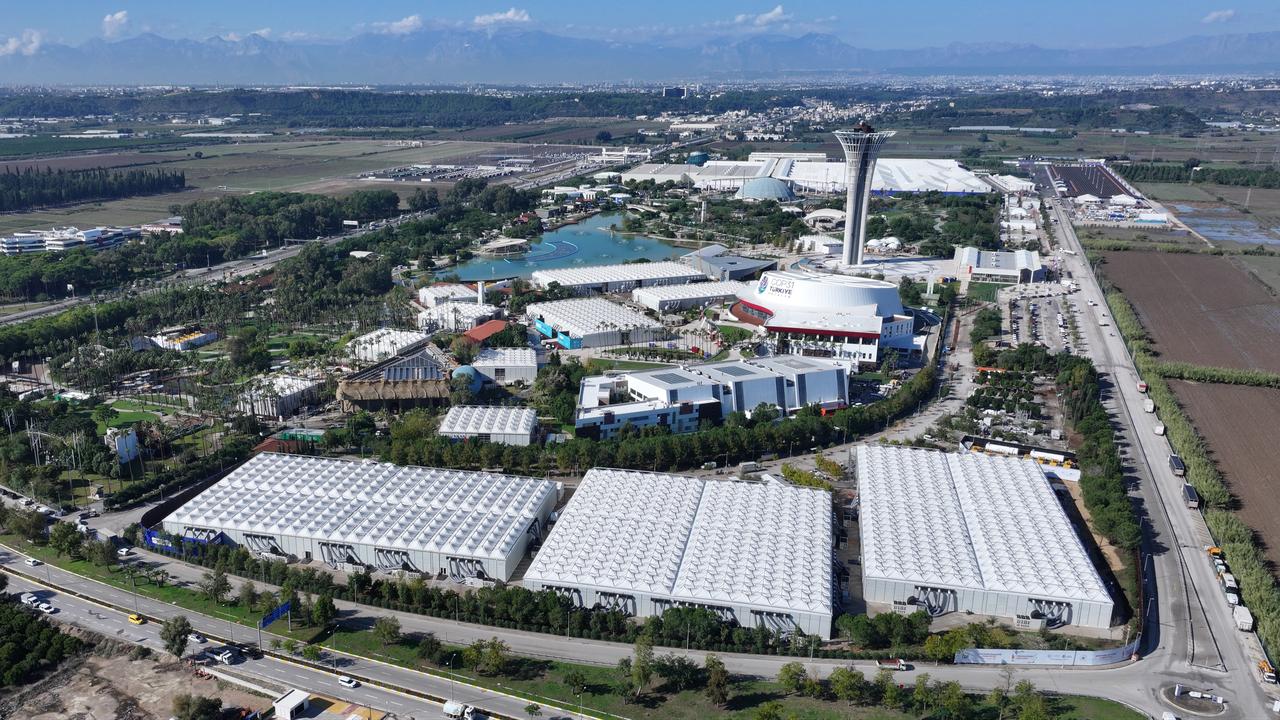
Antalya Metropolitan Municipality plans 72 events to present the city’s climate work to international participants. Sixty take place in the Green Zone, with the rest at the Türkiye Pavilion in the Blue Zone and at events run by international organizations.
Panels, talks and workshops cover climate-friendly agriculture, zero waste, wastewater management, energy transition and urban heat risk. Rabat and Antalya are set to sign a cooperation agreement.
The municipality will launch its Antalya Heat Action Plan at the pavilion, with an international presentation on Nov. 12 at the Türkiye Pavilion featuring UNEP Global Chief Heat Officer Eleni Myrivili and officials from Paris and Brazil.


 Set as preferred source
 Set as preferred source


 2 min read

 1 min read