Newsletters


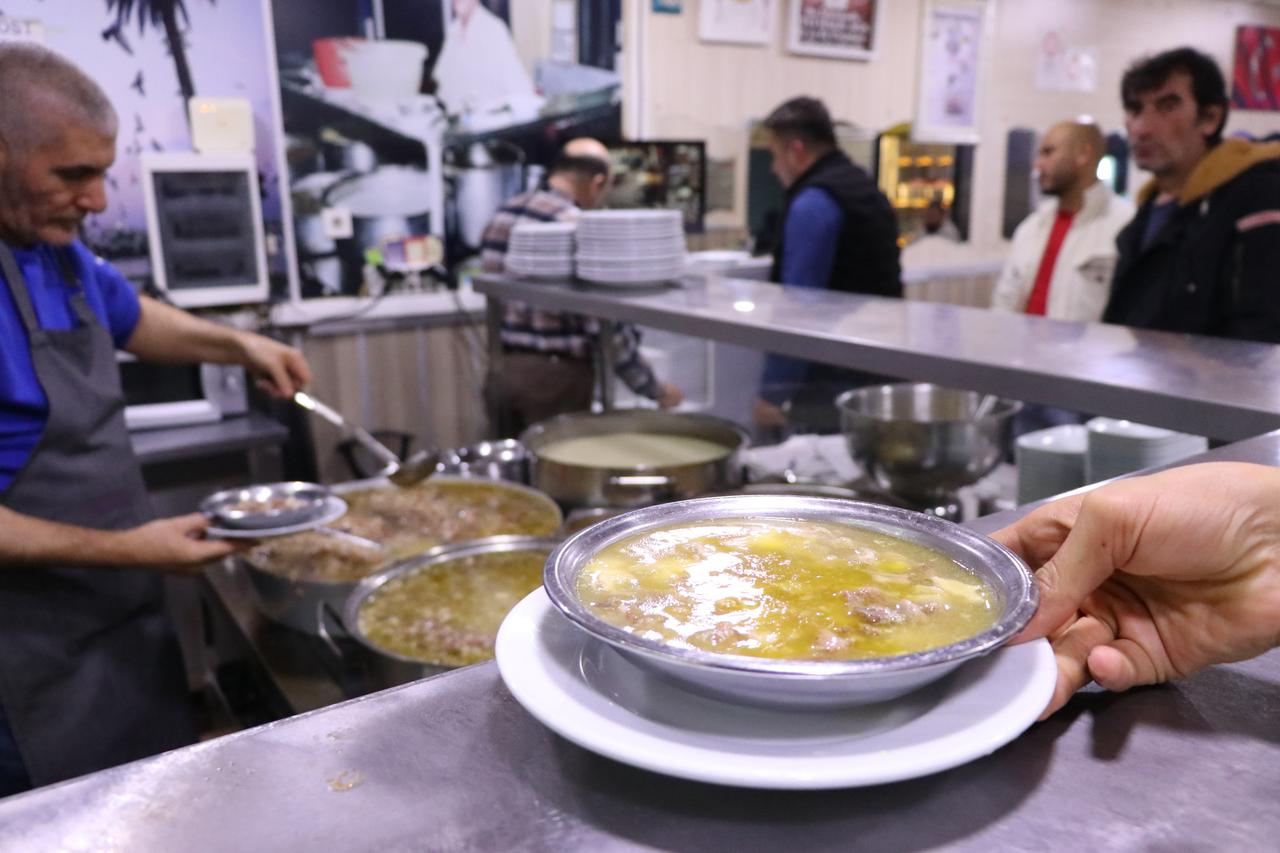


Soup is not treated as a side dish in Türkiye, but as a central part of daily eating habits, seasonal routines, and regional identity. Across the country, soups are served at breakfast, offered as comfort food during illness, and relied on as affordable, nourishing meals throughout the year. For foreigners living in or visiting Türkiye, understanding its soup culture offers a direct way to connect with local life.
What follows is a curated look at the most widely known and frequently encountered Turkish soups, based solely on lived experiences, traditional preparation methods, and common serving customs described in the source material. Soup is known as "corba" in Turkish.
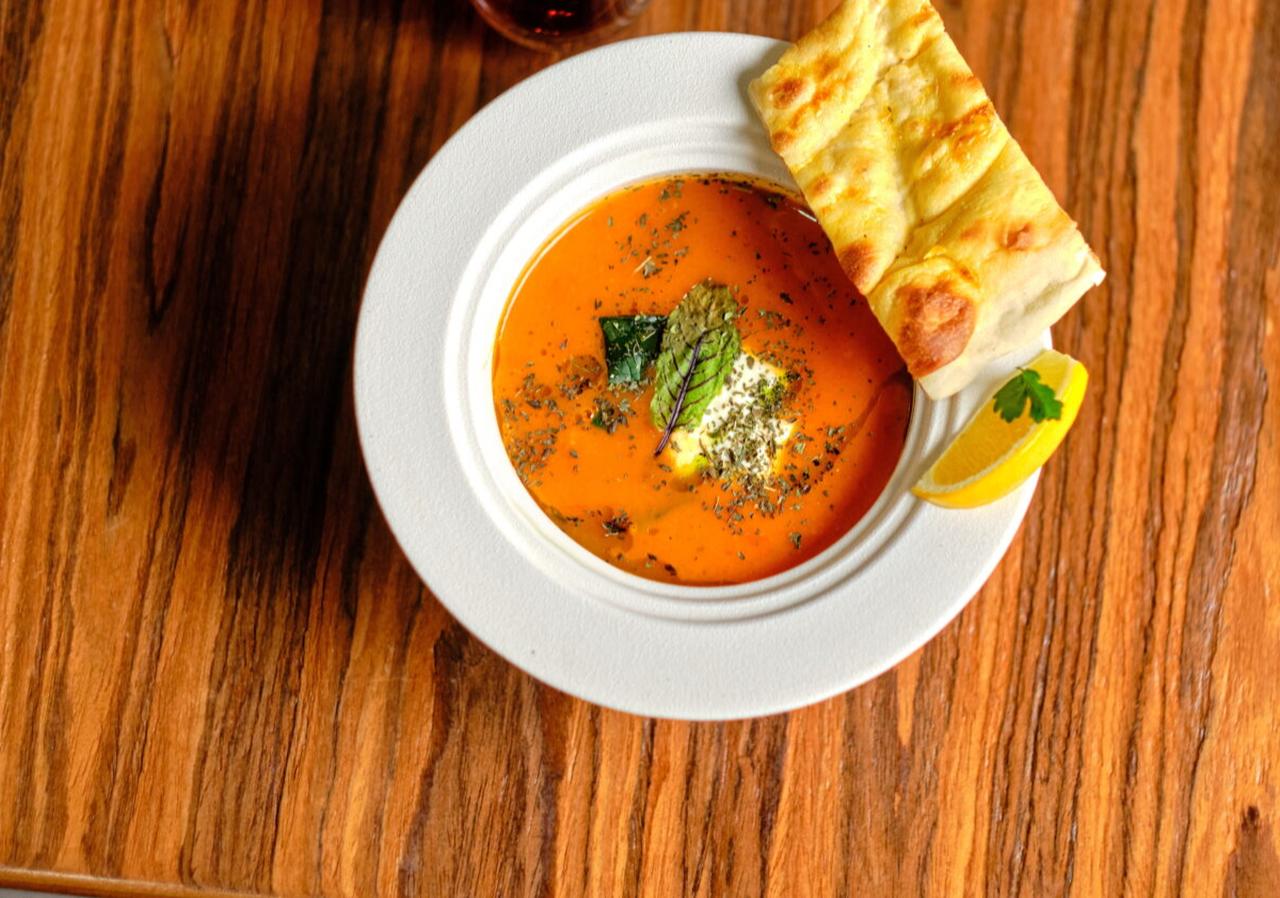

Tarhana corbasi stands out as one of the oldest and most practical soups in Türkiye. It is made from a fermented mixture of yogurt, vegetables, herbs, spices, and flour that is dried and ground into a powder. This powder is typically prepared at the end of summer, when fresh produce is abundant, and stored for winter use.
Because the base is already prepared, the soup can be cooked quickly, often in about ten minutes. Its nutritional density, coming from fermented dairy and vegetables, explains why it is commonly introduced as one of the first solid foods for babies. While the basic method remains the same, flavors vary by region depending on local ingredients.
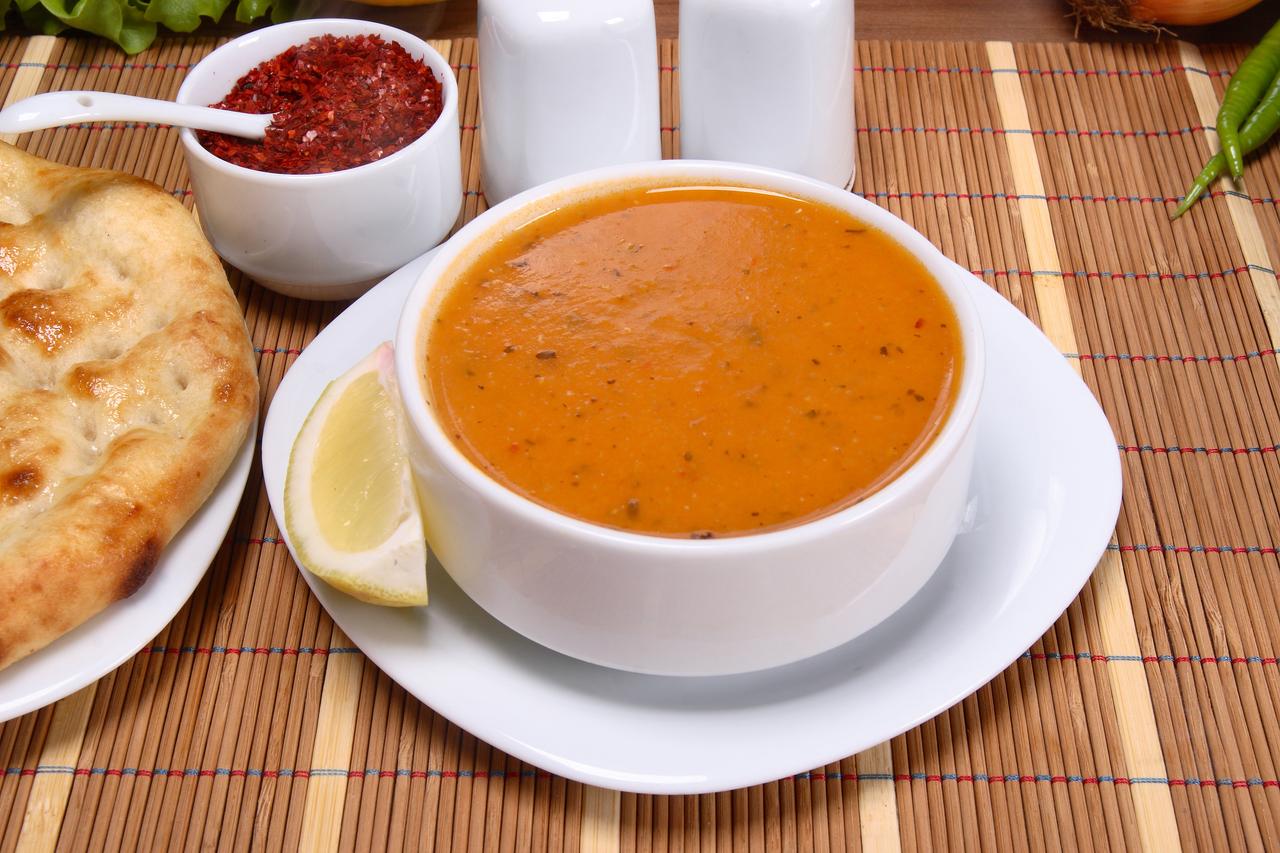
Ezogelin corbasi is deeply tied to Turkish folklore and is widely recognized across the country. The soup takes its name from a woman known as Ezo, whose life story has been passed down through songs, television programs, and films. The dish she is associated with was created using simple pantry items during a time of personal hardship.
The soup is made with lentils, bulgur wheat, rice, onion, tomato, mint, and spices, and is traditionally served with a wedge of lemon. Although it is often mistaken for red lentil soup due to its appearance, its texture and flavor profile are distinct. It is commonly served as a starter, eaten for breakfast in some households, and known as a popular hangover remedy.
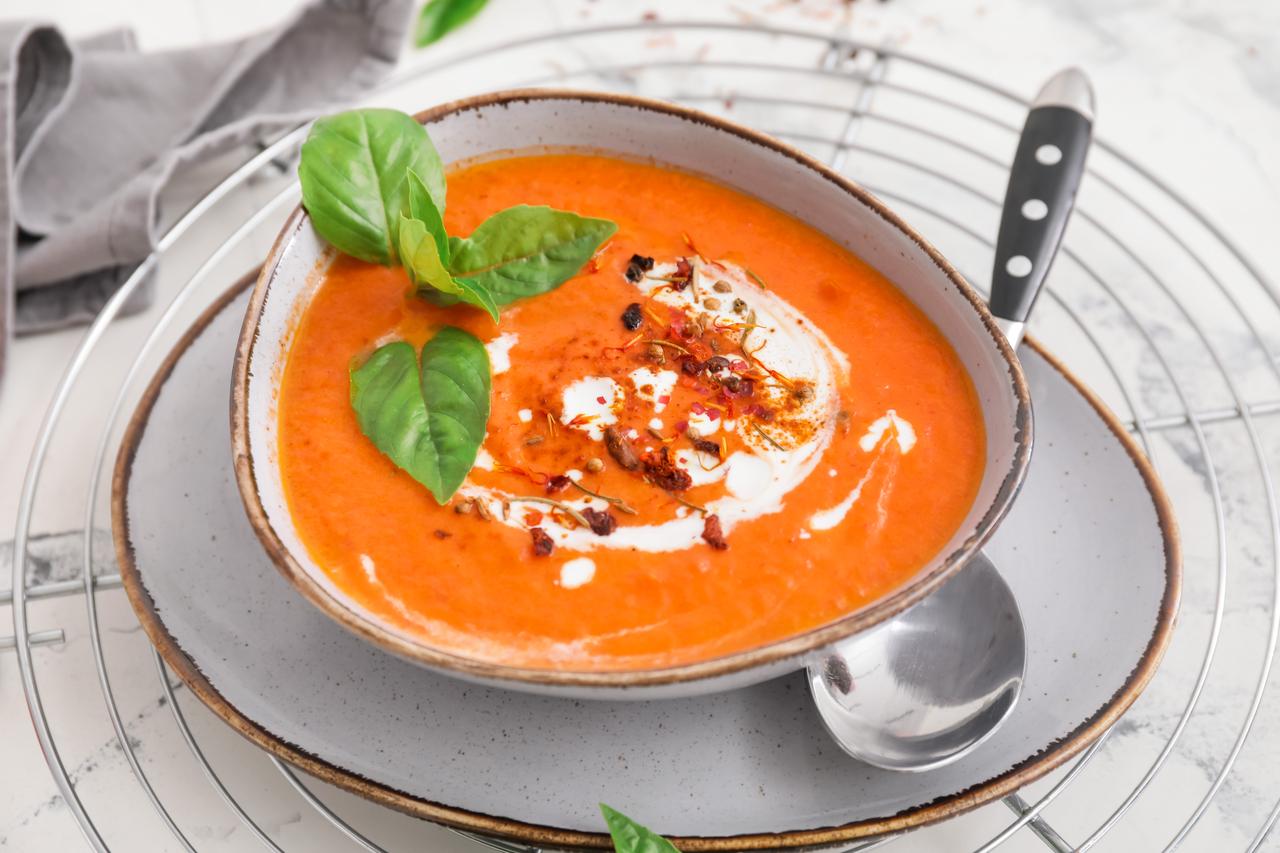
Domates corbasi, or tomato soup, reflects how basic ingredients take on a different character in Türkiye due to the natural flavor of local produce. Tomatoes grown in the country are described as noticeably richer in taste, which directly shapes the final dish.
The soup is usually made with tomatoes, onion, garlic, olive oil, salt, pepper, and basil. Some kitchens add a small amount of flour to thicken it, a detail that is particularly relevant for gluten-free diners. It is often served with bread or toasted sandwiches, locally known as tost, and is valued for its simplicity and comfort.
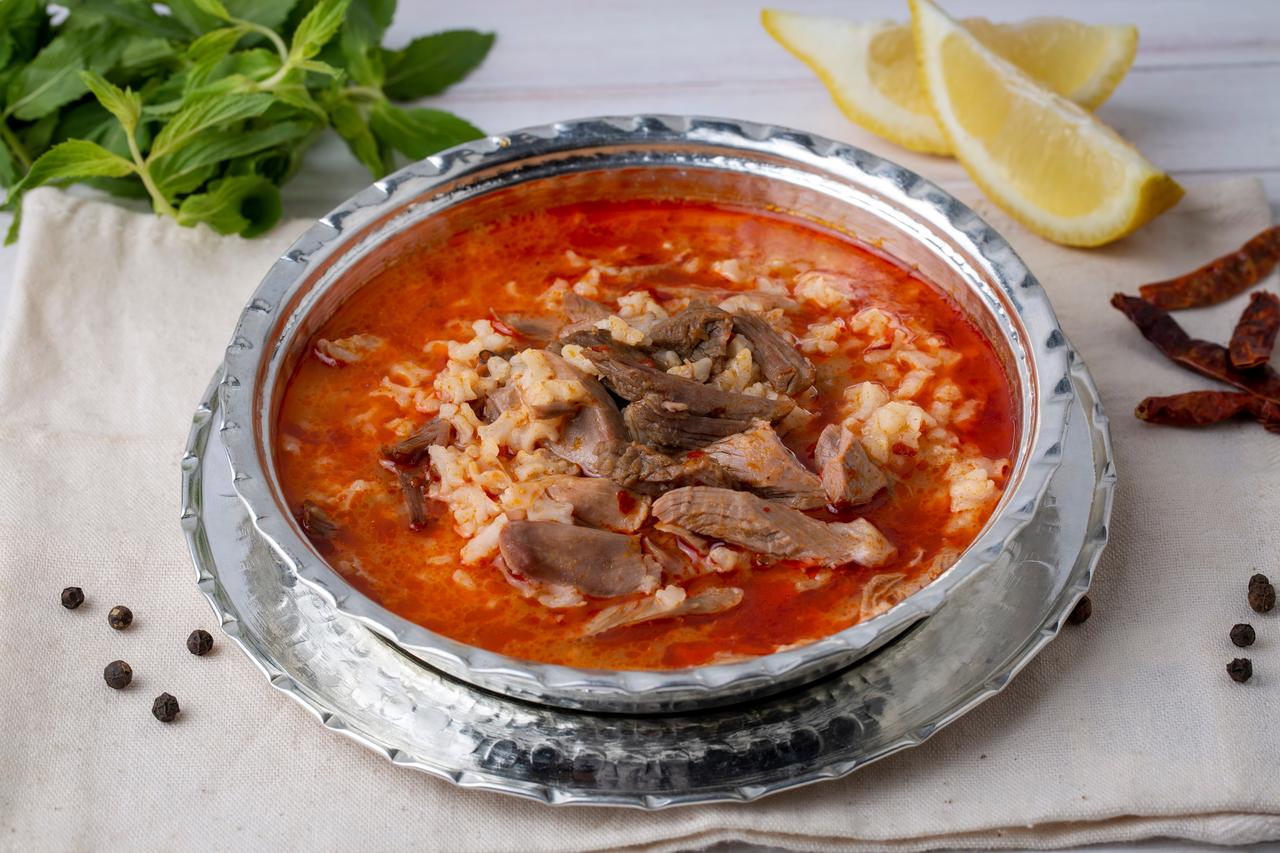
Beyran corbasi is closely associated with the southeastern city of Gaziantep and is considered both a specialty dish and a restorative meal. It is made using lamb neck, rice, garlic, butter or lamb fat, chili, and spices, resulting in a rich broth high in collagen.
The soup is traditionally cooked and served in individual copper bowls and is commonly eaten in the morning, especially in its region of origin. While it may appear simple in composition, its depth of flavor has made it a personal favorite for many who encounter it, particularly when feeling unwell.
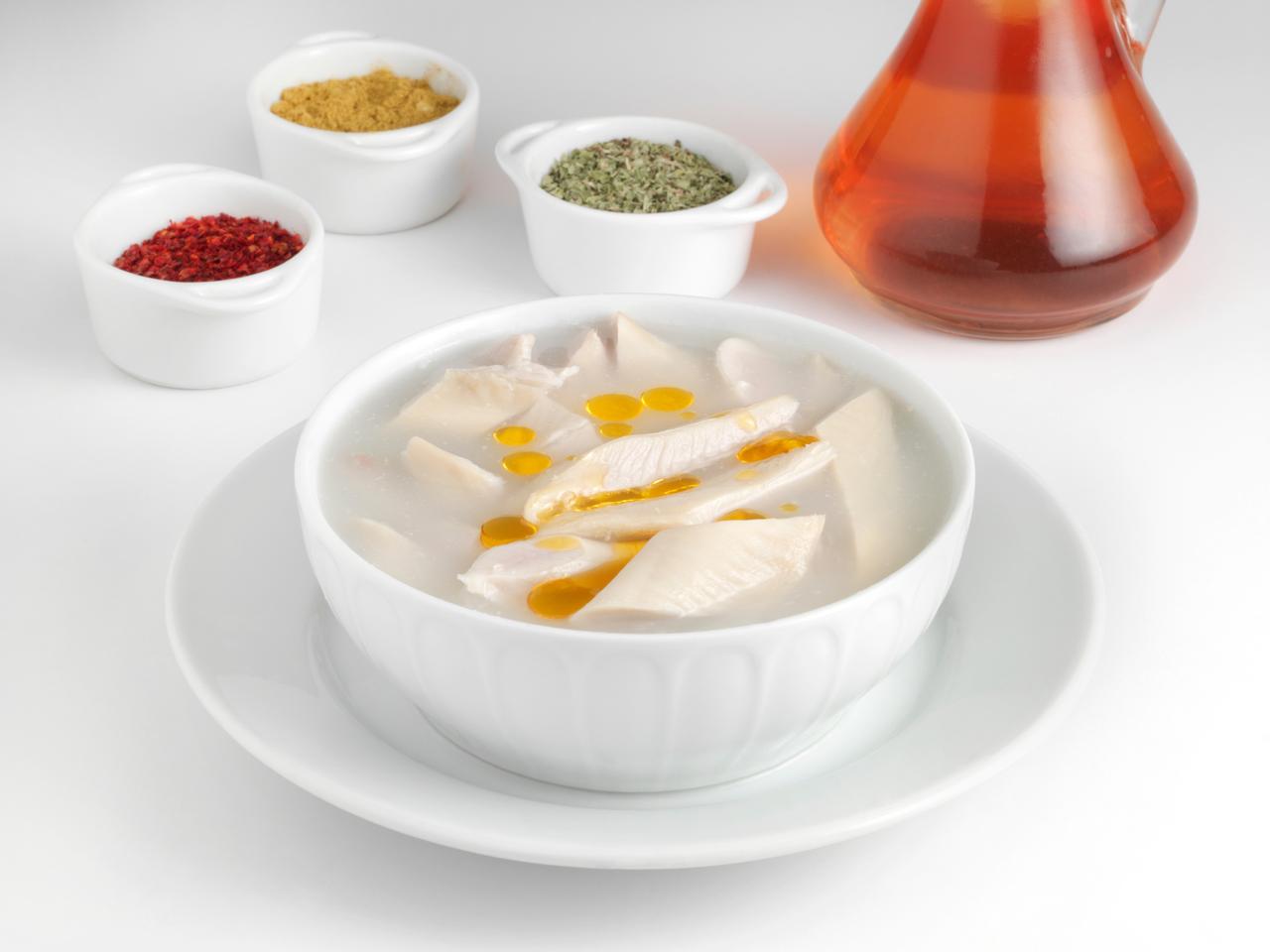
Iskembe corbasi, or tripe soup, is one of the most polarizing dishes in Turkish cuisine. Made from thoroughly cleaned beef tripe, it is commonly associated with late-night dining and hangover recovery. The soup includes milk, flour, butter, egg yolk, and broth, and is typically seasoned at the table with garlic, vinegar, and red pepper.
It is especially popular during Kurban Bayrami, or Eid al-Adha, when every part of the animal is traditionally used. Because of its main ingredient, it is strongly recommended that it be eaten only at reputable establishments.
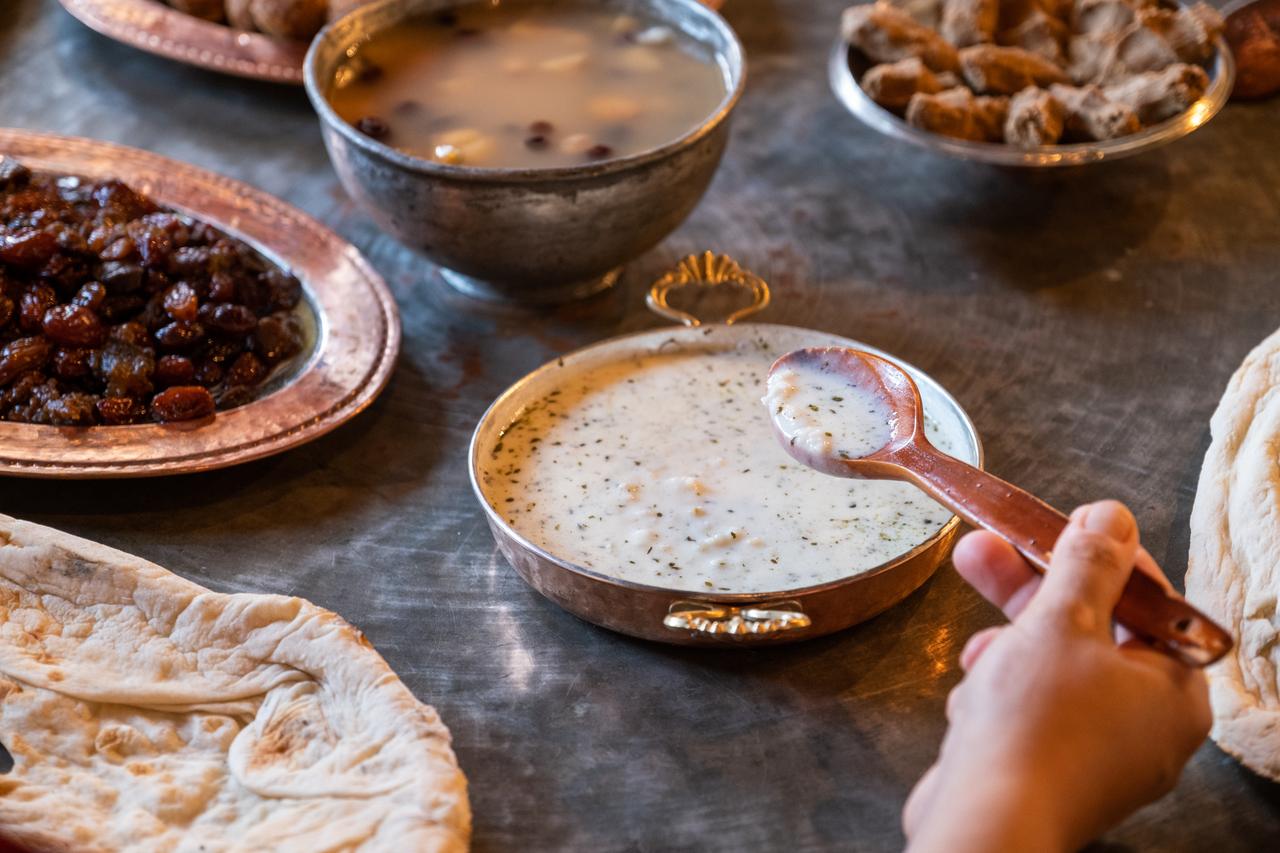
Yayla corbasi, often translated as highland yogurt soup, reflects the dairy traditions of northern Türkiye. Made with yogurt, rice, flour, herbs, and seasoning, it has a light yet filling consistency and a mildly sour flavor.
The soup is enjoyed year-round, frequently served to children, and even appears on hospital menus due to its gentle nature. Mint is a defining element, and a butter-based herb topping is often added just before serving.
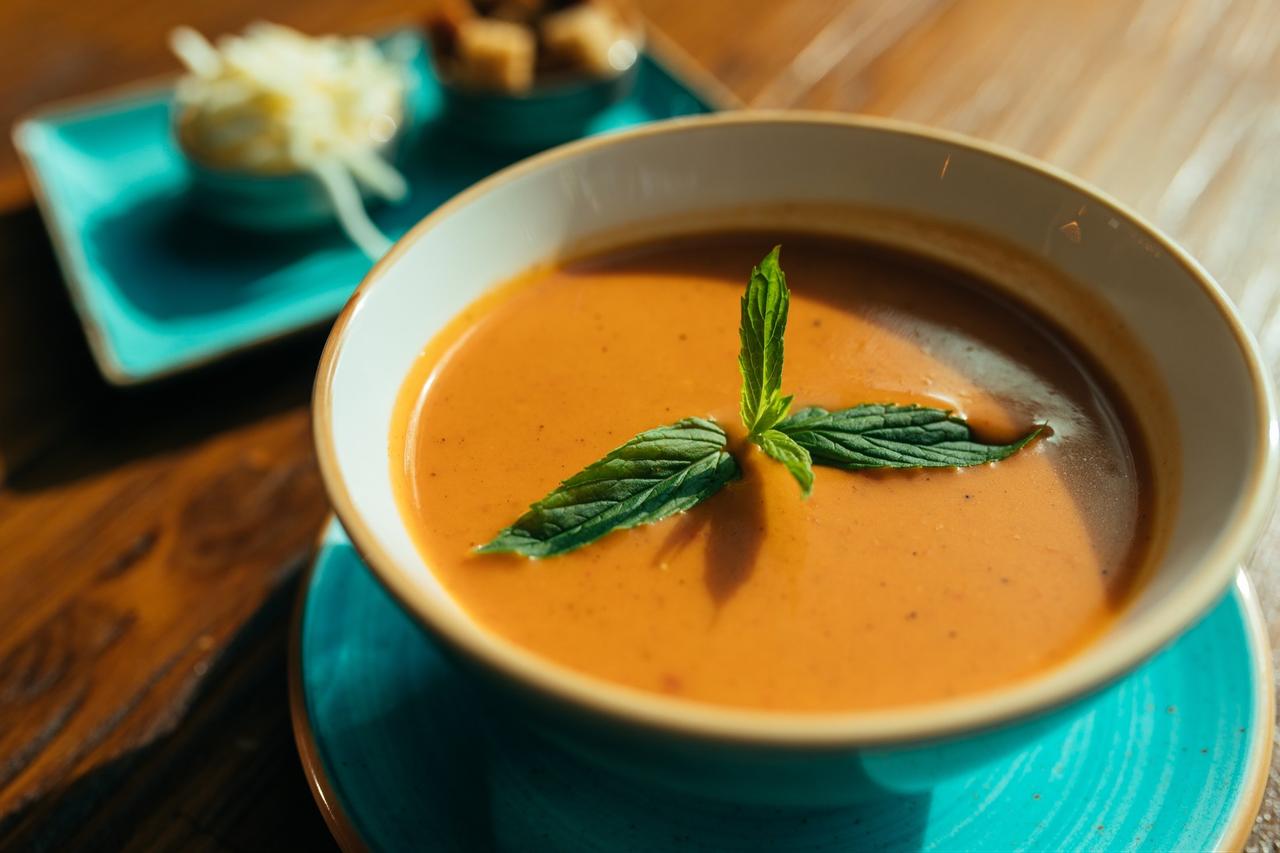
Lentil soup is one of the most common dishes found in Turkish homes and restaurants. It is valued for being inexpensive, filling, and nutritionally dense, providing both protein and fiber. Variations may include onion, carrot, potato, tomato, and spices, and the soup can be served either blended smooth or left slightly textured.
It is eaten at any time of day, including breakfast, and is often served with bread and lemon wedges. Regional variations are common, particularly in southeastern Türkiye.
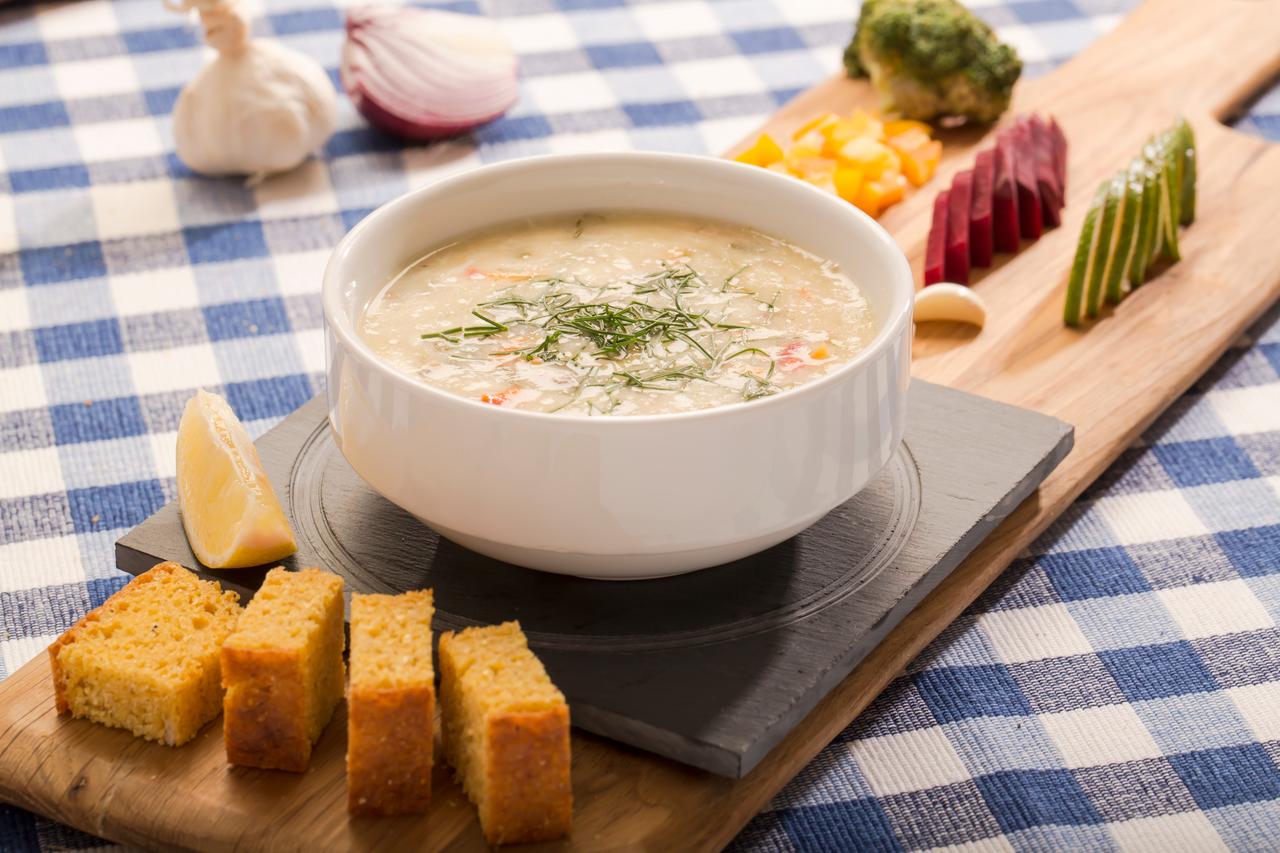
Balik corbasi, or fish soup is more commonly encountered in coastal regions, particularly along the Black Sea. The ingredients depend on seasonal availability, but the base typically includes fresh fish, vegetables, flour, and a broth enriched with lemon and egg yolk.
Its flavor is closely tied to freshness, making it a recommended choice when dining near the sea. Though less widespread than other soups, it reflects the regional diversity of Turkish cuisine.
Across regions, seasons, and social settings, soup remains a constant in Türkiye. Whether fermented, dairy-based, meat-rich, or plant-forward, these dishes serve practical, cultural, and emotional roles. For foreigners, trying these soups offers not only a taste of local flavors but also insight into daily life and long-standing traditions.


 Set as preferred source
 Set as preferred source


 3 min read