Newsletters


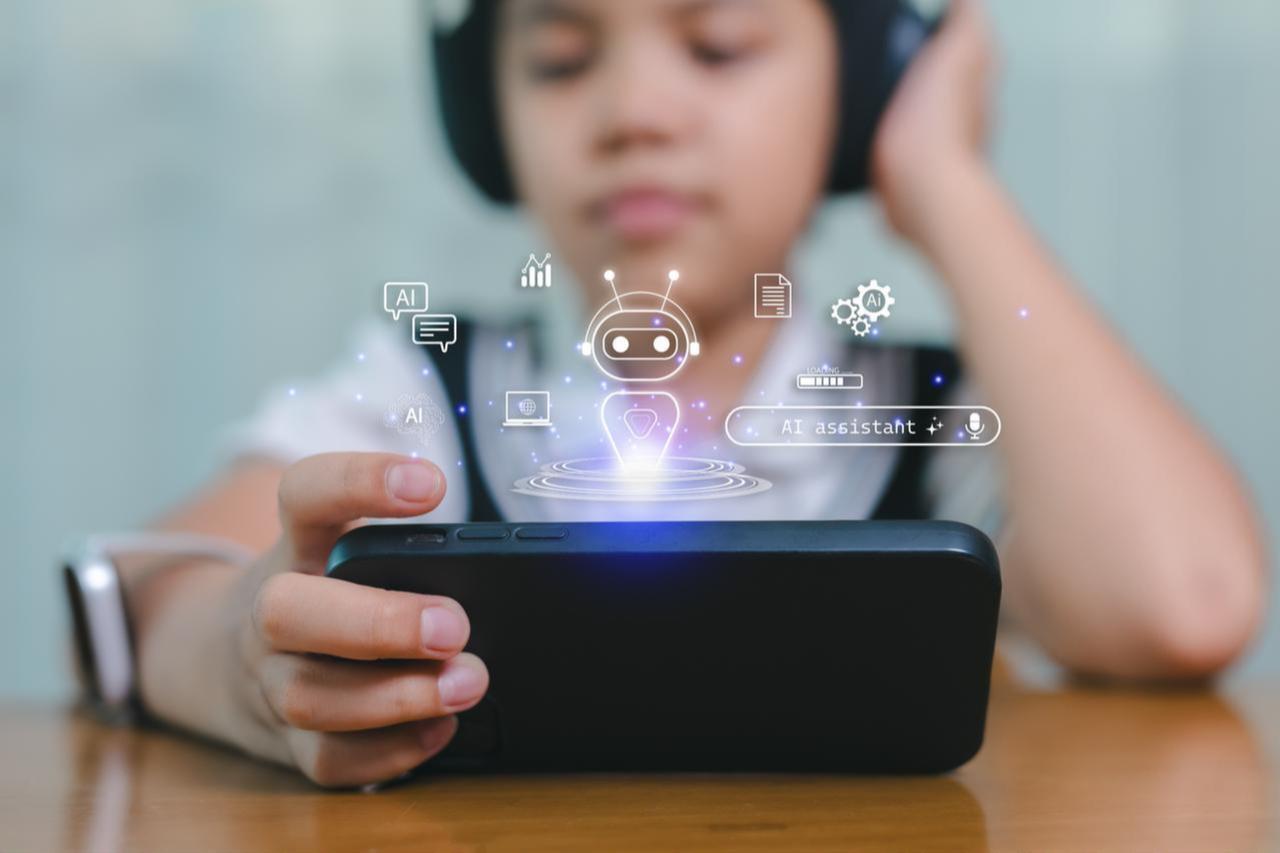


About nine in 10 children aged 10 to 16 in Türkiye use artificial intelligence, and one in four turn to it for emotional advice, according to preliminary findings from theEU Kids Online 2026 study.
The findings also point to growing concerns over online safety, with only 32% of children surveyed in Türkiye saying they feel safe on the internet, compared with 48% across Europe.
Professor Engin Kursun of Ataturk University, who also serves as Türkiye coordinator for EU Kids Online, said children in the country had taken up AI considerably faster than their European peers.
"Children in Türkiye have adopted artificial intelligence much faster than their peers in Europe, with nine out of 10 actively using the technology. However, what we should really focus on is that one in four children receives emotional advice from AI, while 60% fear becoming the victim of a crime or fake image in the digital world," Kursun said.
EU Kids Online, a research network examining children's internet use and online experiences, carried out its wider European study between April 2025 and April 2026 across 19 countries, surveying 28,465 children between the ages of 10 and 16.
Türkiye's fieldwork is still being completed, but a preliminary analysis covering 1,330 children has already shown a sharp difference in AI adoption.
Only one in 10 children surveyed in Türkiye said they had never used AI, compared with roughly one in three children across Europe. Around half of children in Türkiye also said they use AI to do their homework, compared with about one-third of their European peers.
The Türkiye data were largely collected with support from the Information Technologies Department of the Ministry of National Education.
The wider European report also found that children's sense of online safety has weakened over recent years.
The proportion of children who said they felt safe online fell to 48%, down from 65% in 2020. Meanwhile, the share reporting that they had encountered something upsetting or disturbing online during the previous month climbed from 7% to 23% over five years.
Kursun said the report also showed changes in how parents deal with children's online experiences, with families increasingly turning to technical tools rather than discussing problems directly with their children.
In Türkiye, concerns appear even stronger, with just 32% of surveyed children saying they feel safe online. According to Kursun, 60% are also worried about becoming victims of online crime or manipulated images.
The full report comparing Türkiye with European countries is expected to be released in October.


 Set as preferred source
 Set as preferred source



 3 min read