Newsletters


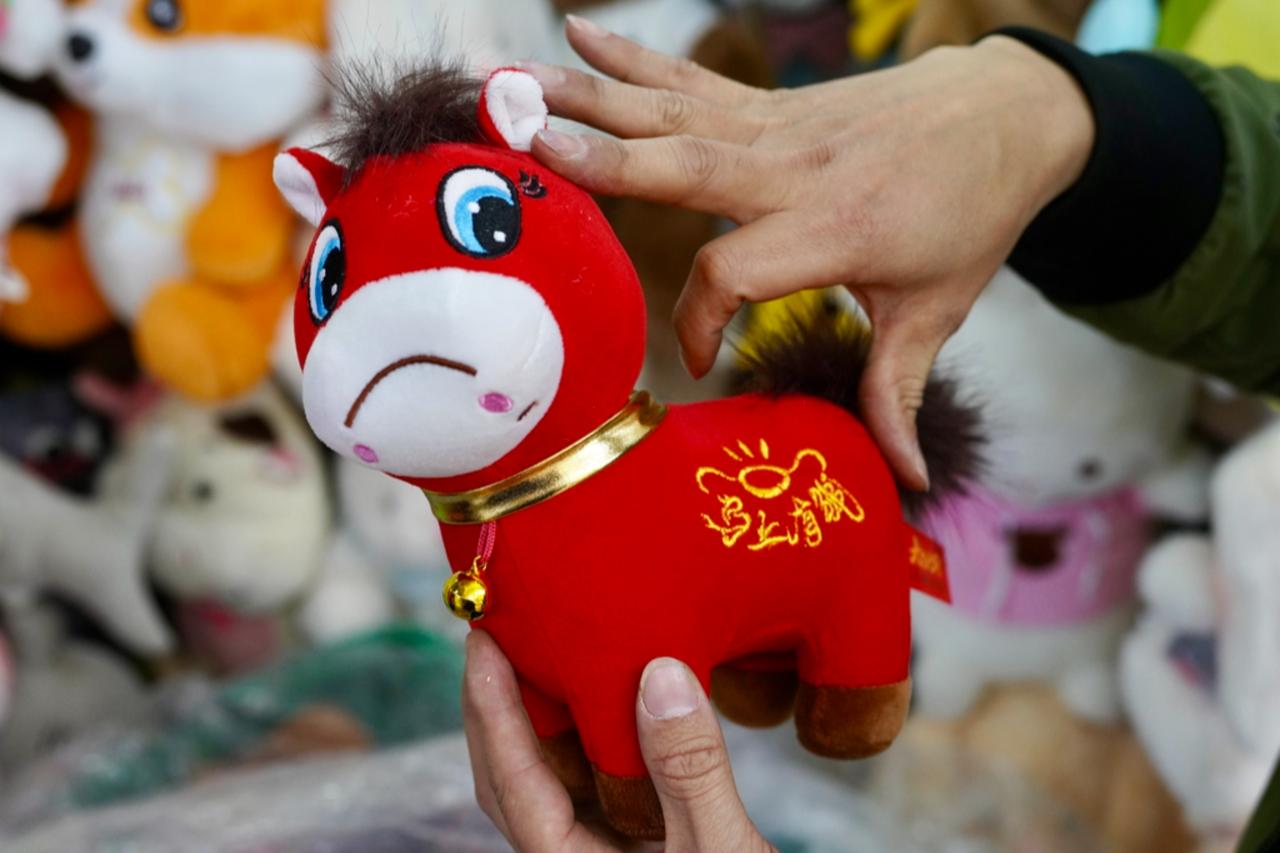


In Yiwu International Trade City, China’s largest wholesale market, customers crowd into a small shop searching for an unexpectedly popular trending item ahead of the Lunar New Year. In a scene reflecting the pre-Spring Festival shopping rush, the shop has become a magnet for those looking to buy a doll that has become the talk of Chinese social media.
The product shoppers are looking for is not a traditional decoration, but a red horse with unusual features: a sad mouth, a gold colored bell around its neck, and eyes that seem to avoid looking directly at you.
This distinctive appearance was enough to give the doll widespread popularity ahead of the holiday, especially as this year’s Spring Festival coincides with the start of the new Chinese lunar year, known as the “Year of the Horse.”
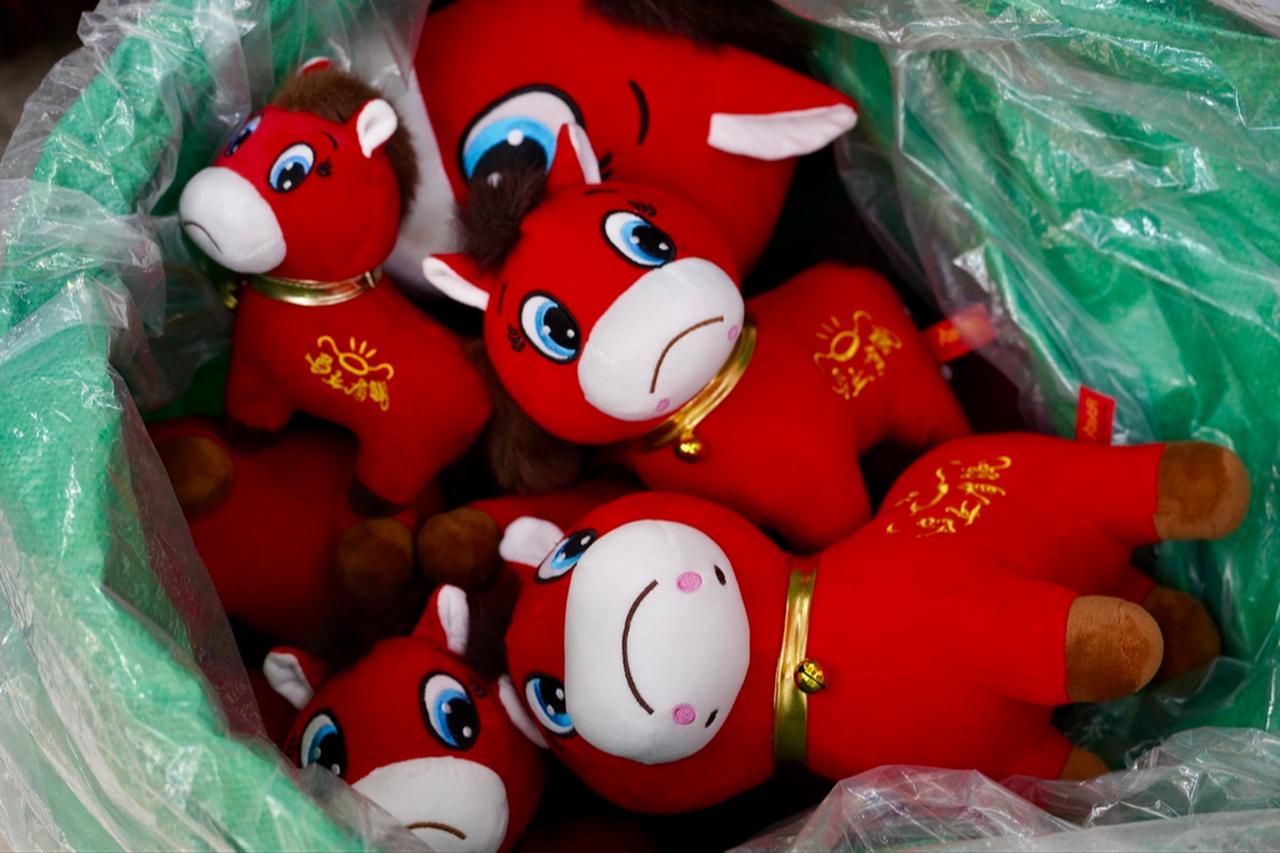

Notably, the surge in demand did not come from a deliberate design intended to create a social media trend, but rather from a manufacturing error that completely altered the doll’s features.
It was originally designed as a decoration with a happy face to celebrate the Lunar New Year, but something went wrong during production, causing it to appear gloomy instead of wearing the usual smile.
While manufacturing defects are typically grounds for withdrawing products, this mistake turned into a strength and became a direct driver of increased demand.
As images of the doll spread online, shoppers began flocking specifically to look for it, eventually turning it into a highly sought after item across the market.
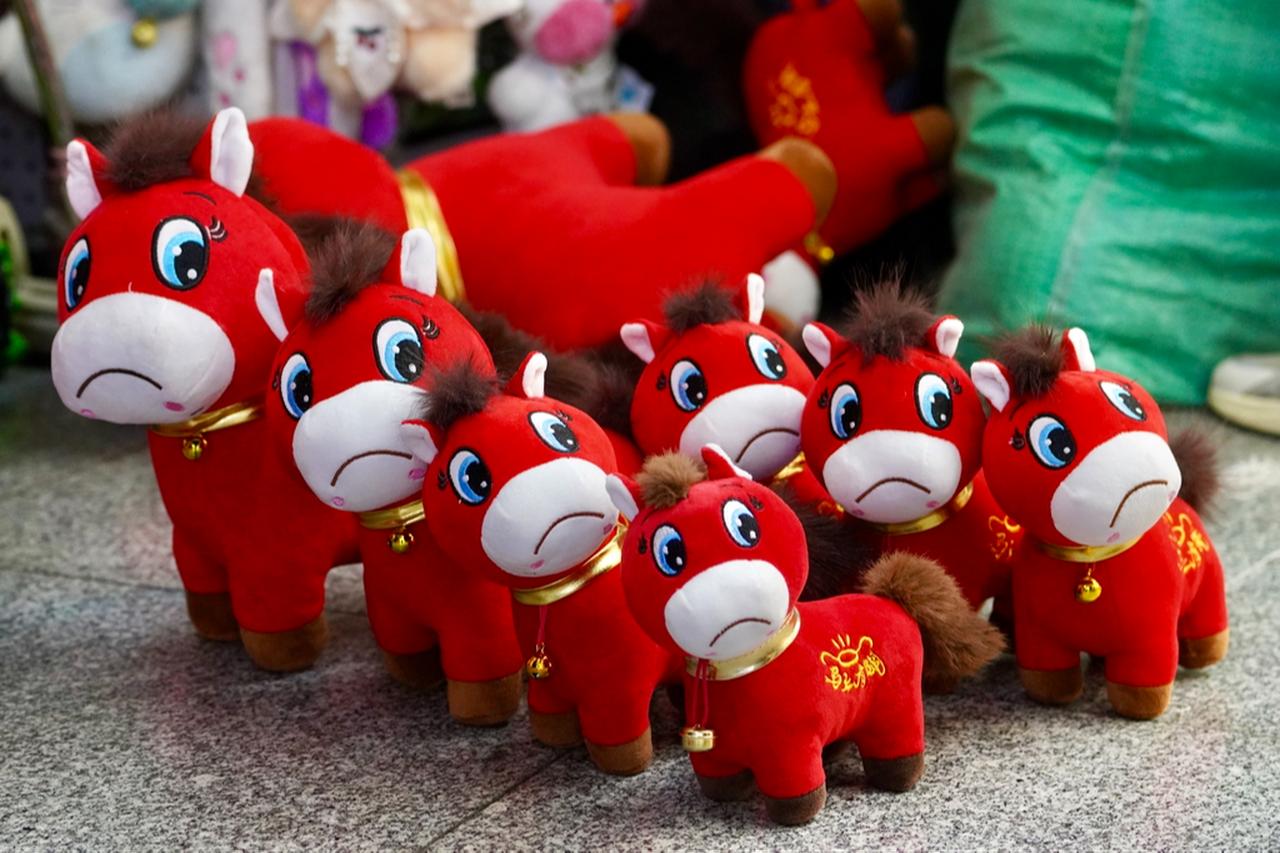
Internet users have dubbed the toy the “Crying Horse,” a reference to its sad expression, which has become its most distinctive feature. Zhang Huoqing, owner of the “Happy Sister” shop in Yiwu, says the gloomy look was caused by a small but decisive mistake: “One of the workers accidentally stitched the mouth upside down.”
Zhang adds that she offered a refund to the customer who bought the doll after the defect was discovered, but the buyer did not return it. Shortly afterward, she was surprised to see photos of the doll spreading online, sparking a wave of engagement that turned it into a sought after item.
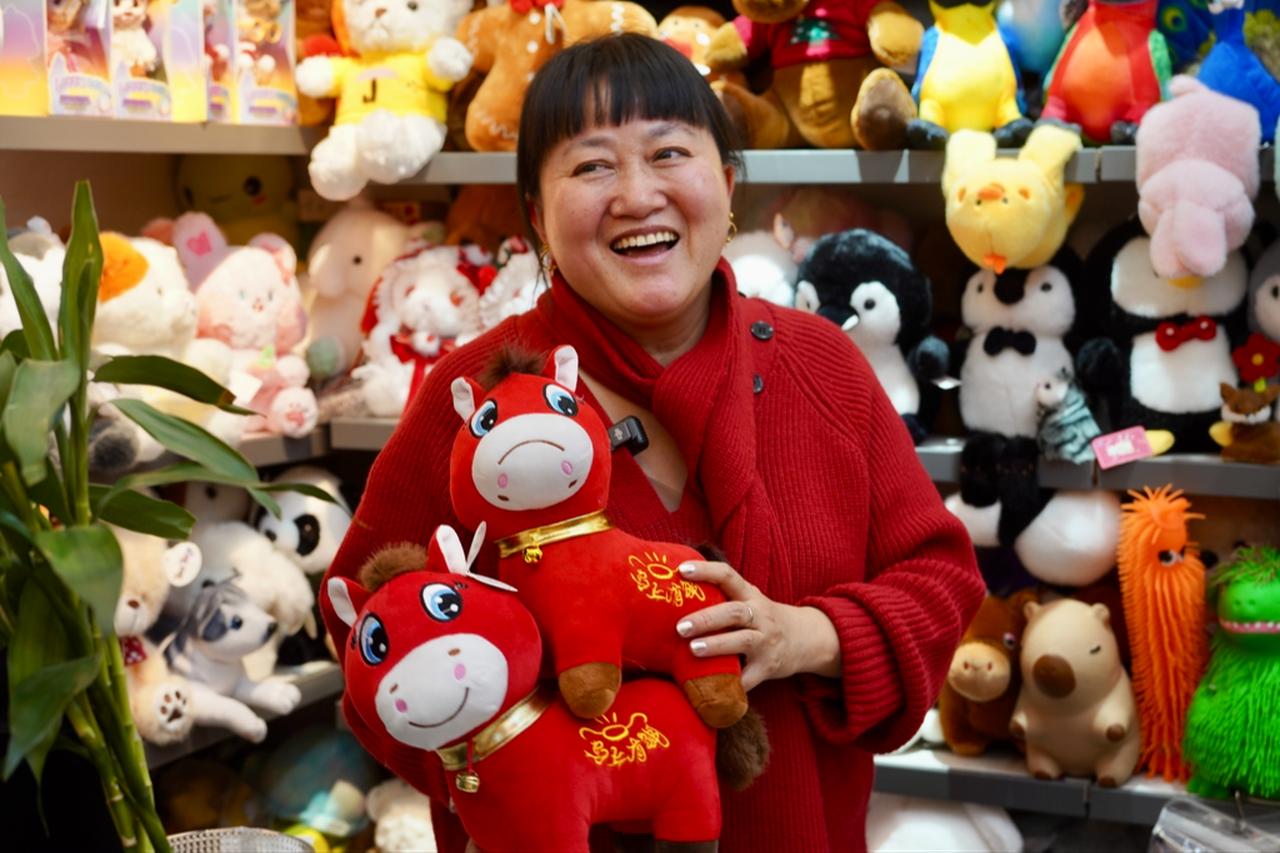
Social media reactions went beyond liking the quirky design, becoming a space for commentary and satire about everyday life. Zhang says people joked that “the Crying Horse is what you look like at work, while the smiling horse is what you look like after work.”
As demand grew, the shop owner made a practical decision: keep producing the frowning version rather than treating it as a one off “mistake.” The scowl became a marketing advantage, and the doll turned into a widely shared symbol that people felt matched how they actually feel.
Some young workers in China say the horse’s miserable expression reflects how they feel under workplace pressure and long hours. That implied meaning helped fuel the doll’s spread, making it more than just a decorative item.
At the same time, the doll has benefited from a broader trend toward so called “ugly cute” toys, a wave that has grown in popularity in recent years. One prominent example is the sharp toothed monster “Labubu,” produced by Pop Mart.
According to Lu Chenxian, a Yiwu vendor who has sold holiday dolls for more than 25 years, demand has become almost daily: “These days, almost everyone who walks through the door asks for the Crying Horse.” The dolls quickly sold out from the shelves of the “Happy Sister” shop, and staff rushed to restock them.
Zhang sums up the secret behind its popularity: “We’ll keep selling it. This Crying Horse captures the reality of modern workers.”


 Set as preferred source
 Set as preferred source


 3 min read