Newsletters




A new AI-generated video imagining Grand Theft Auto V set in Türkiye is drawing attention online, blending the mechanics of the globally known video game with distinctly Turkish urban and coastal life.

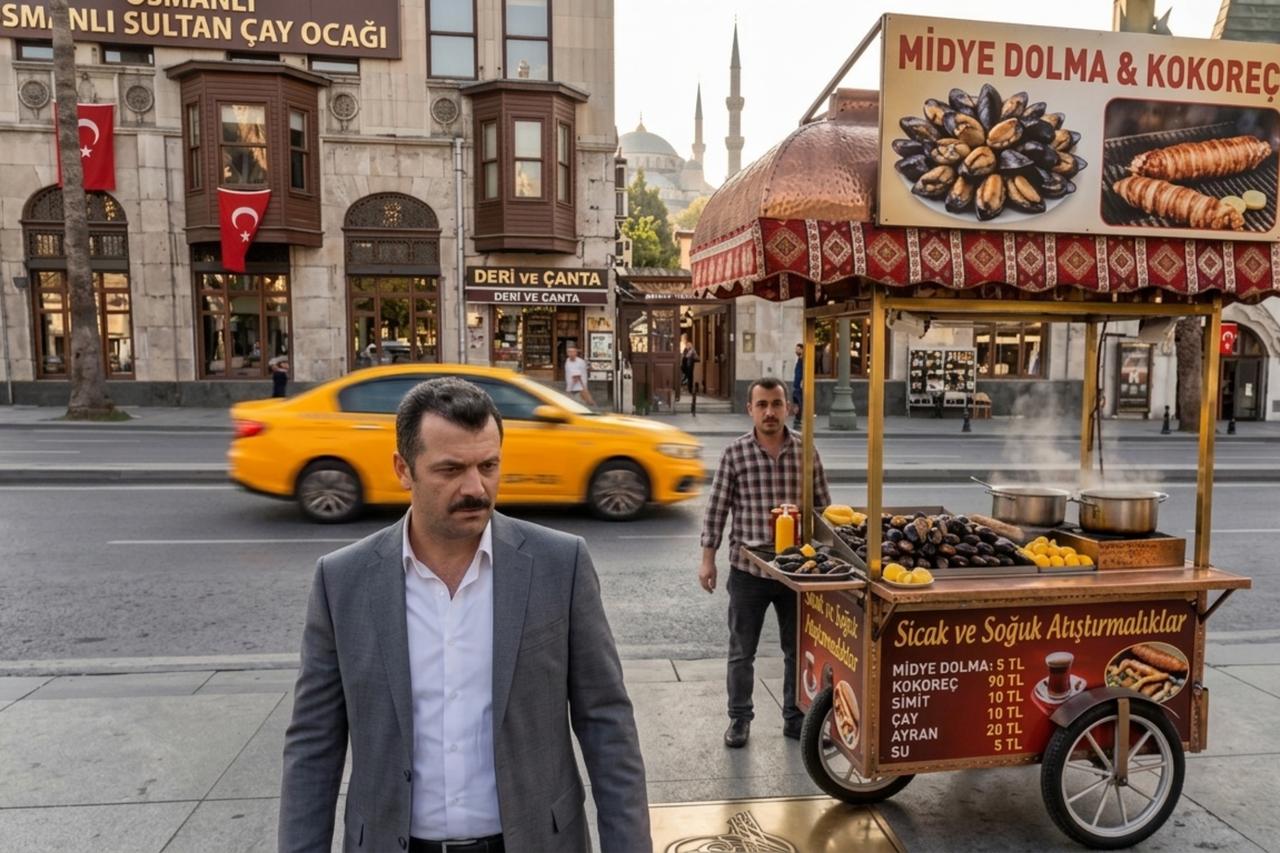
The clip presents a reworked version of the open-world action game, widely known as GTA V, placing its characters and gameplay into environments inspired by Türkiye. The scenes move through busy city streets, where yellow taxis, street vendors, and Ottoman-style architecture shape the setting, offering a localized reinterpretation of the game’s original Los Angeles-based design.
In several moments, the visuals recreate everyday urban details, including simit carts, midye dolma (stuffed mussels) stands, and storefront signage in Turkish.
These elements help anchor the fictional gameplay in a setting that international audiences may recognize as characteristic of Türkiye’s major cities.
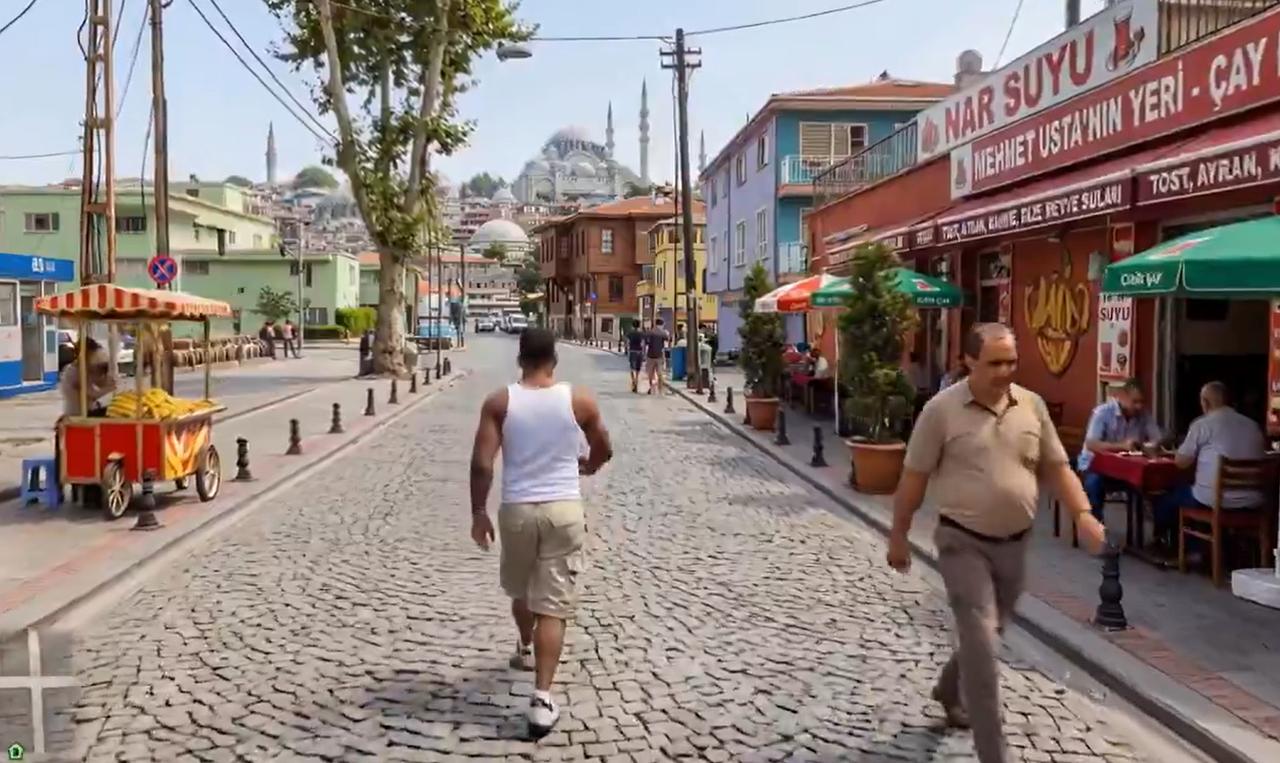
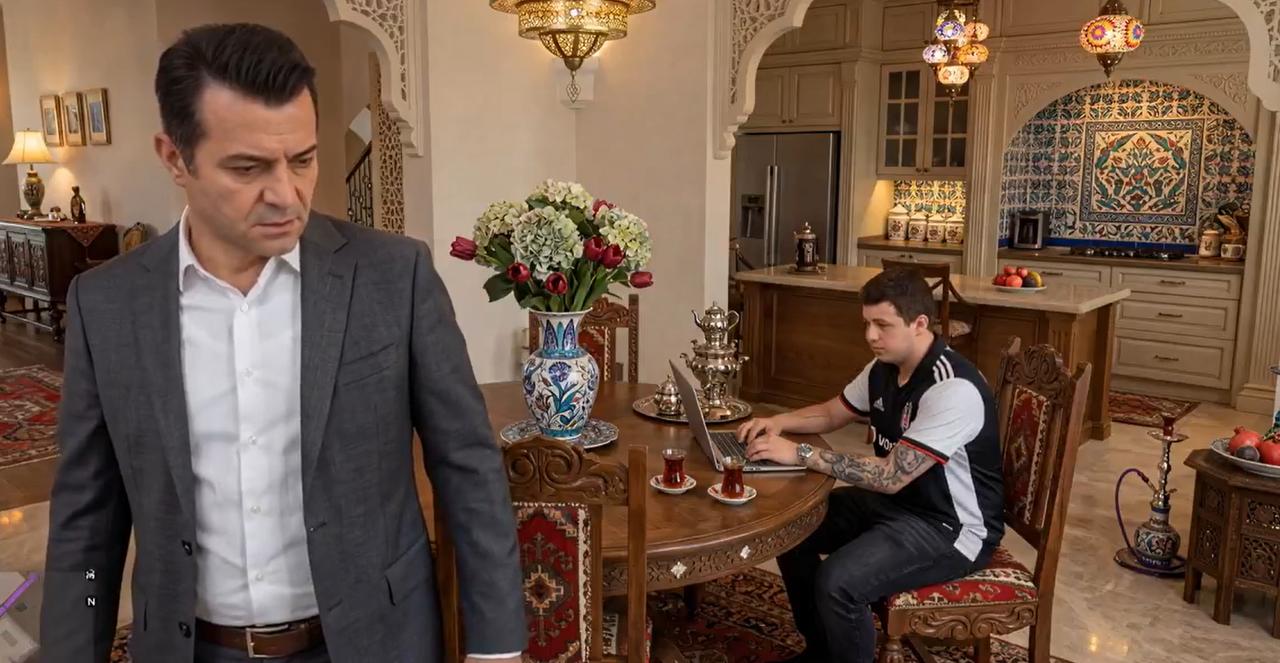
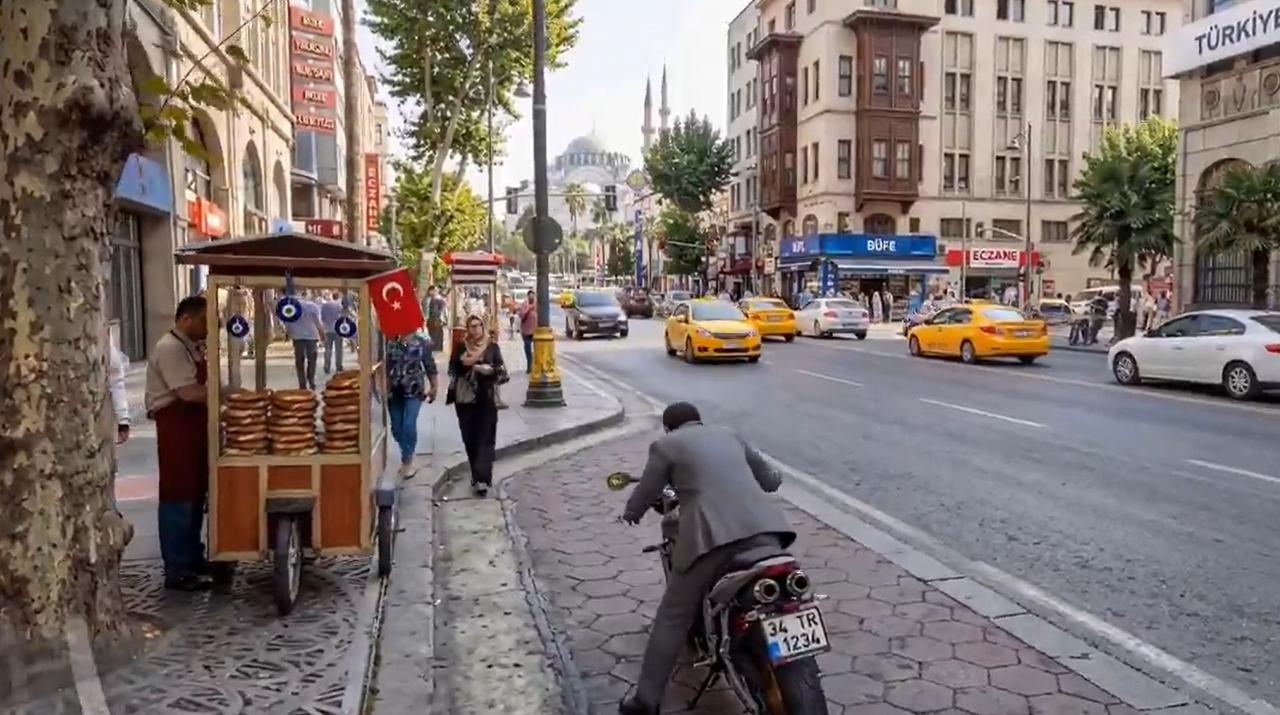

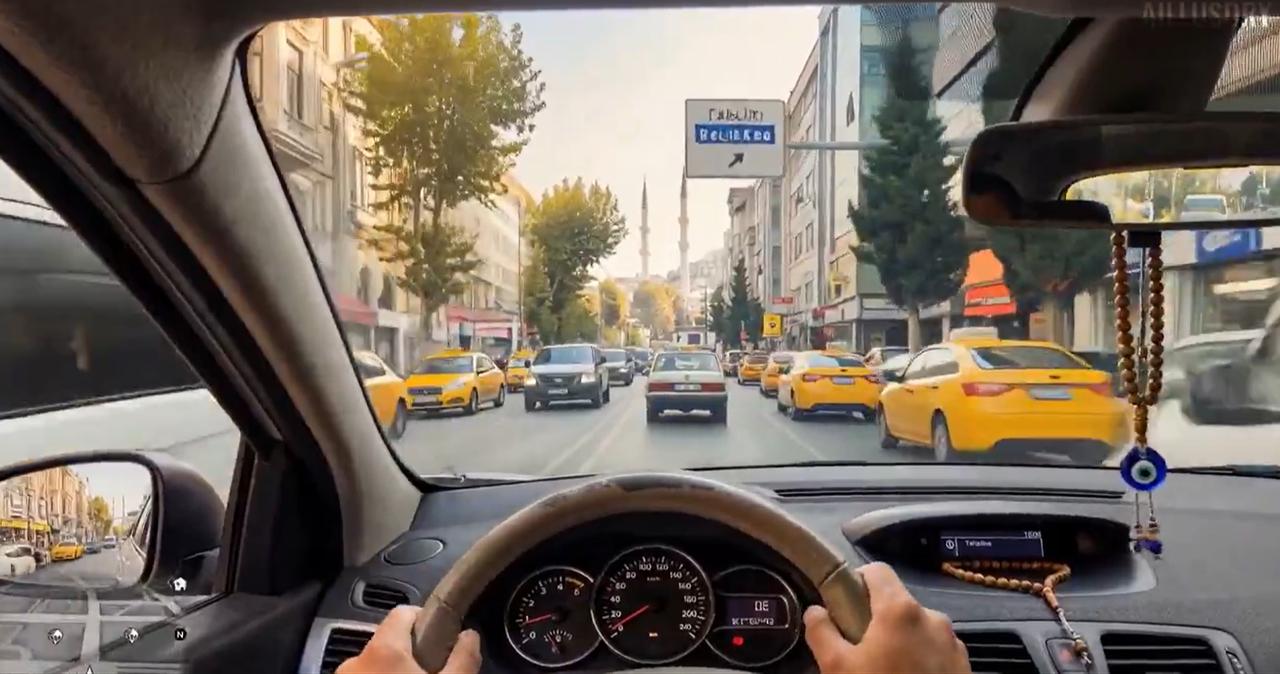
The AI-generated sequence also shifts perspective, showing driving scenes from inside a vehicle navigating dense traffic, alongside pedestrians moving through lively streets. Mosques with prominent domes and minarets appear in the background, reinforcing the cultural setting.
Interior shots further expand the reinterpretation, placing characters inside traditionally decorated homes, complete with ornate furnishings and tea service, which may be unfamiliar to global viewers but reflect common elements of Turkish domestic culture.

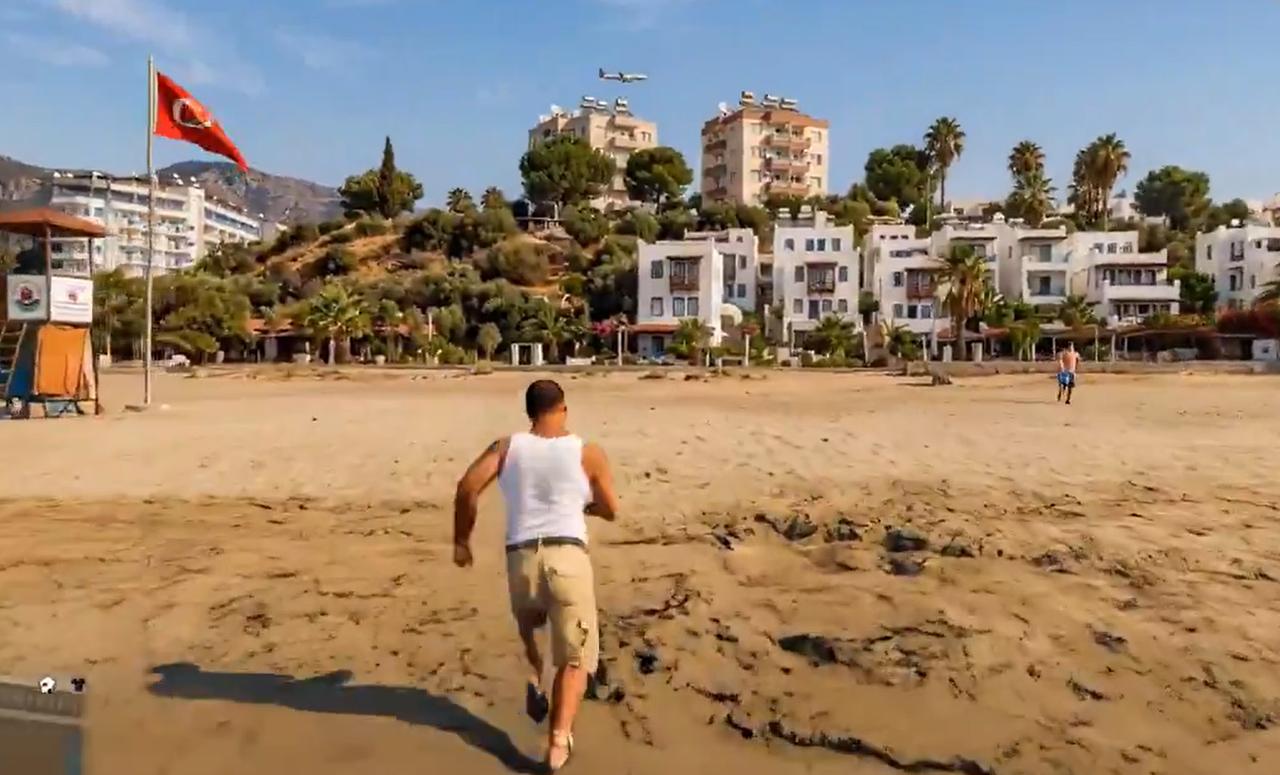
Beyond the city, the video transitions to coastal regions, where boats, jet skis, and seaside resorts feature prominently. These segments draw on imagery associated with Türkiye’s tourism industry, showing whitewashed houses, marinas, and beach life.
Such visuals broaden the scope of the reimagined game world, suggesting a blend of urban intensity and coastal leisure that differs from the original game’s environment.
By merging a globally recognized video game with localized cultural and visual elements, the project offers a new perspective on how digital environments can be adapted to different geographic and cultural contexts.


 Set as preferred source
 Set as preferred source




 6 min read