Newsletters


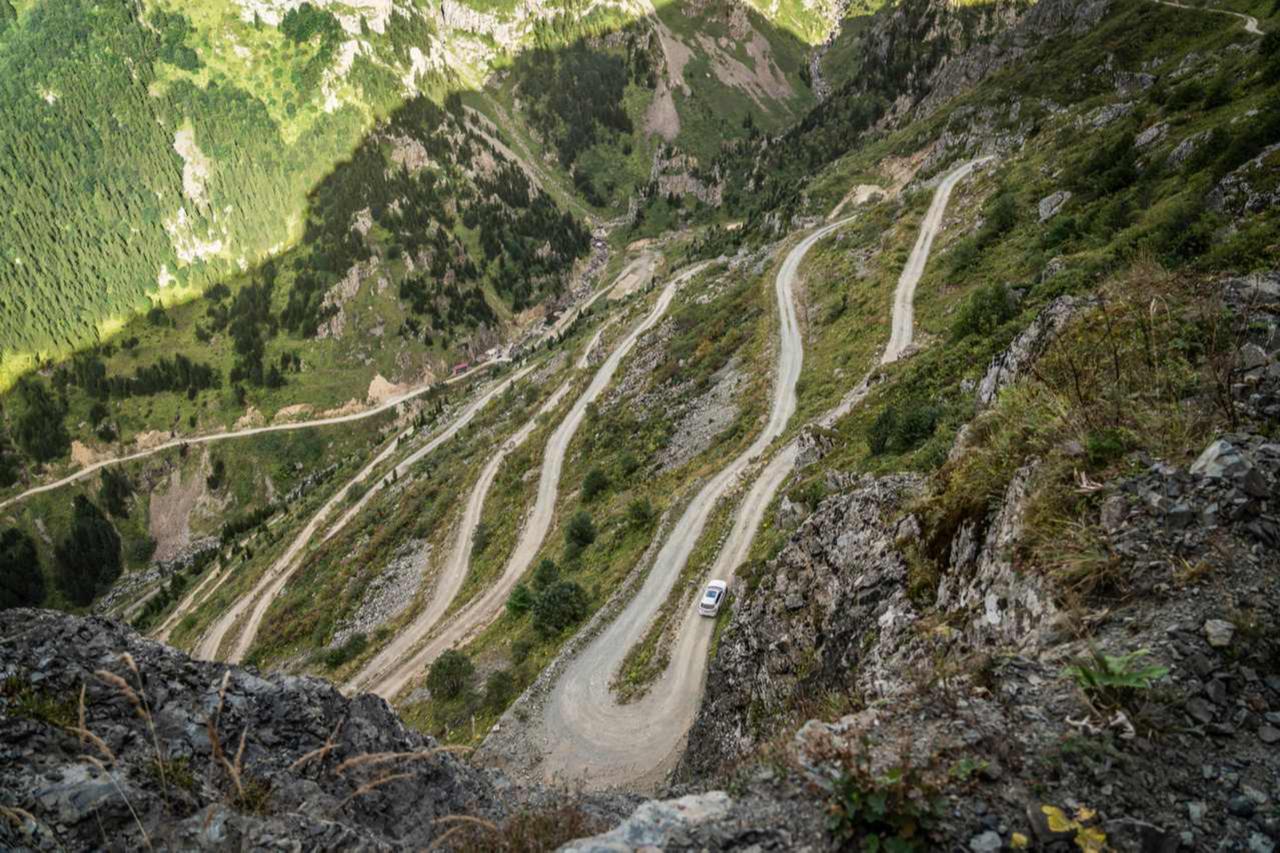


A remote mountain road linking the northeastern provinces of Bayburt and Of continues to attract attention after being listed among the world’s most dangerous roads by Dangerous Roads in 2015, with travelers describing both its risks and striking scenery.
The route, officially known as the D-915 highway, dates back to 1916, when it was constructed during the Russian occupation of the region. According to local accounts cited by travelers, the road was opened using basic tools and built by captured Turkish soldiers under difficult conditions, including cold weather, hunger and heavy labor. Many are said to have died during its construction.
The road was reportedly intended to facilitate ammunition transport between Trabzon and Bayburt. However, following the Bolshevik Revolution, Russian forces withdrew from the region, leaving the route behind.
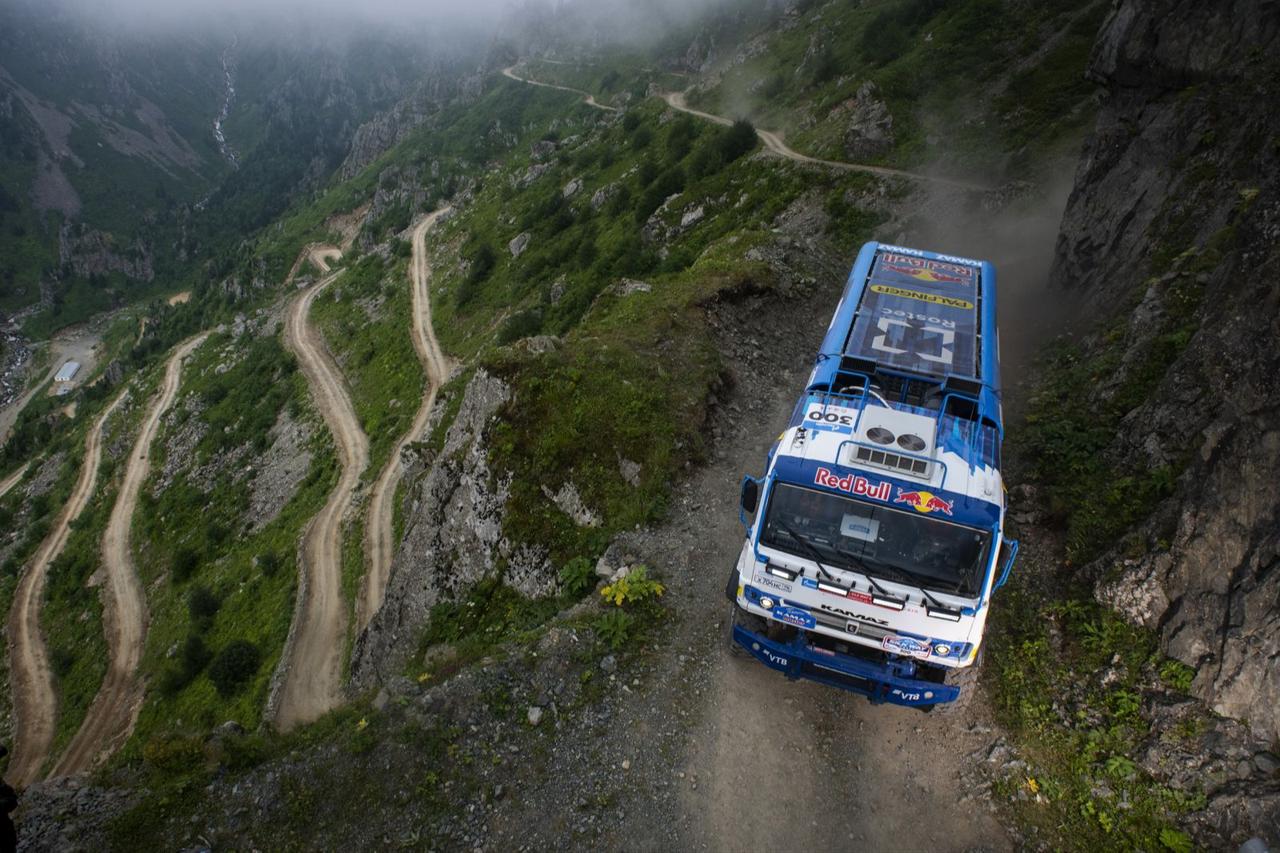

Today, a newer and safer road connects the same two regions, significantly reducing traffic on the older route. Travelers note that local residents often advise against using the D-915, directing visitors instead to the modern alternative. In some sections, warning signs discourage entry altogether.
Despite this, the road continues to draw those seeking a unique driving experience rather than a practical route.
The most demanding section of the road begins near Derebasi, also referred to as the Soganli Pass, where a steep ascent includes 29 sharp hairpin bends. This stretch typically takes between 30 minutes to one hour to navigate, depending on the vehicle, driver experience and road conditions.
Before reaching the main section, drivers pass through a narrow valley road with steep drop-offs, which already signals the difficulty ahead. Communication can be limited in the area, as mobile phone coverage is unreliable.
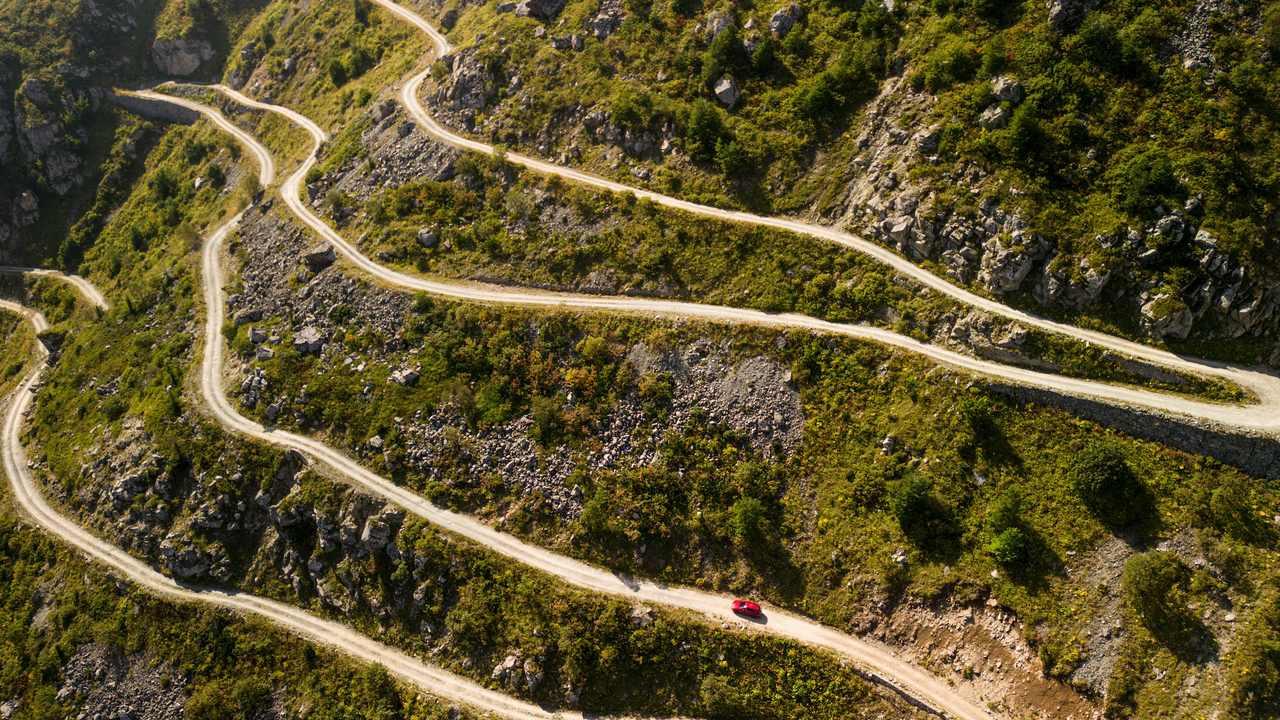
Travelers report that the road itself is not excessively damaged, though it remains unpaved. The main risk stems from its narrow width, which in many places allows only one vehicle to pass. When two vehicles meet, one must reverse to a wider section, a maneuver made more stressful by steep cliffs, loose ground and sudden fog.
While the route has fewer vehicles today, reducing some of the danger, the lack of visibility and unstable terrain continue to pose challenges. Local accounts suggest that fatal accidents occurred more frequently before the new road was built, with one commonly cited saying in nearby villages claiming that “no one dies a natural death here, they fall off the road.”
Drivers who have completed the route suggest that risks are manageable under certain conditions. Clear weather, a reliable vehicle and confidence in handling narrow roads are seen as essential factors.
However, fog often sets in later in the day, increasing difficulty. Travelers recommend completing the journey early and taking precautions, including informing others beforehand due to limited communication access along the route.


 Set as preferred source
 Set as preferred source



 2 min read