Newsletters


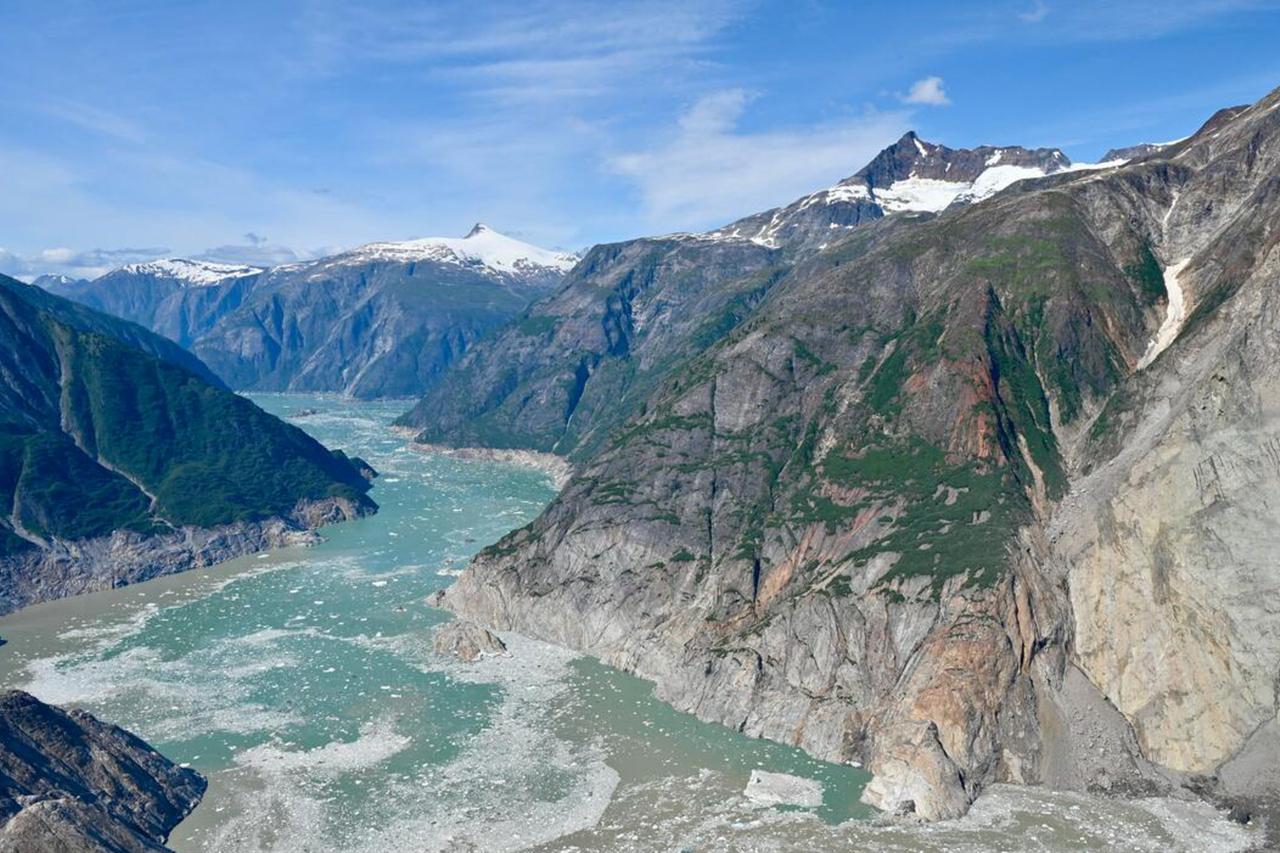


A massive landslide in Alaska triggered a mega-tsunami, nearly 500 meters tall, making it the second largest ever recorded and raising fresh concerns over risks in glacier-lined fjords.
The wave hit the Tracy Arm Fjord in southeast Alaska after 64 million cubic meters of rock broke away from a mountainside and plunged into the water in under a minute. Scientists said the collapse created a wave about 482 meters tall.
A mega-tsunami is a very large, localized wave usually caused when a landslide or collapsing rock mass crashes into water. Unlike ocean-wide tsunamis triggered by earthquakes, mega-tsunamis tend to lose power quickly but can cause extreme destruction near their source.
The event happened in the early hours of the morning, which researchers said likely prevented tourist cruise ships from being caught in the fjord.
Alaskan geologist Bretwood Higman, who later visited the area, described the incident as “a close call,” adding: “I’m quite terrified that we’re not going to be so lucky in the future.”
Researchers said the retreating glacier had previously helped hold up the rock face. Once the ice pulled back, the base of the cliff was exposed, allowing the rock to collapse into the fjord.
The damage left behind included stripped vegetation, scarred rock, broken trees and uprooted shoreline areas. Scientists are now calling for wider monitoring in vulnerable parts of Alaska, where steep mountains, narrow fjords and frequent earthquakes already create ideal conditions for such events.
Some cruise companies have since decided to stop sending ships into Tracy Arm because of safety concerns.


 Set as preferred source
 Set as preferred source



 2 min read