Newsletters


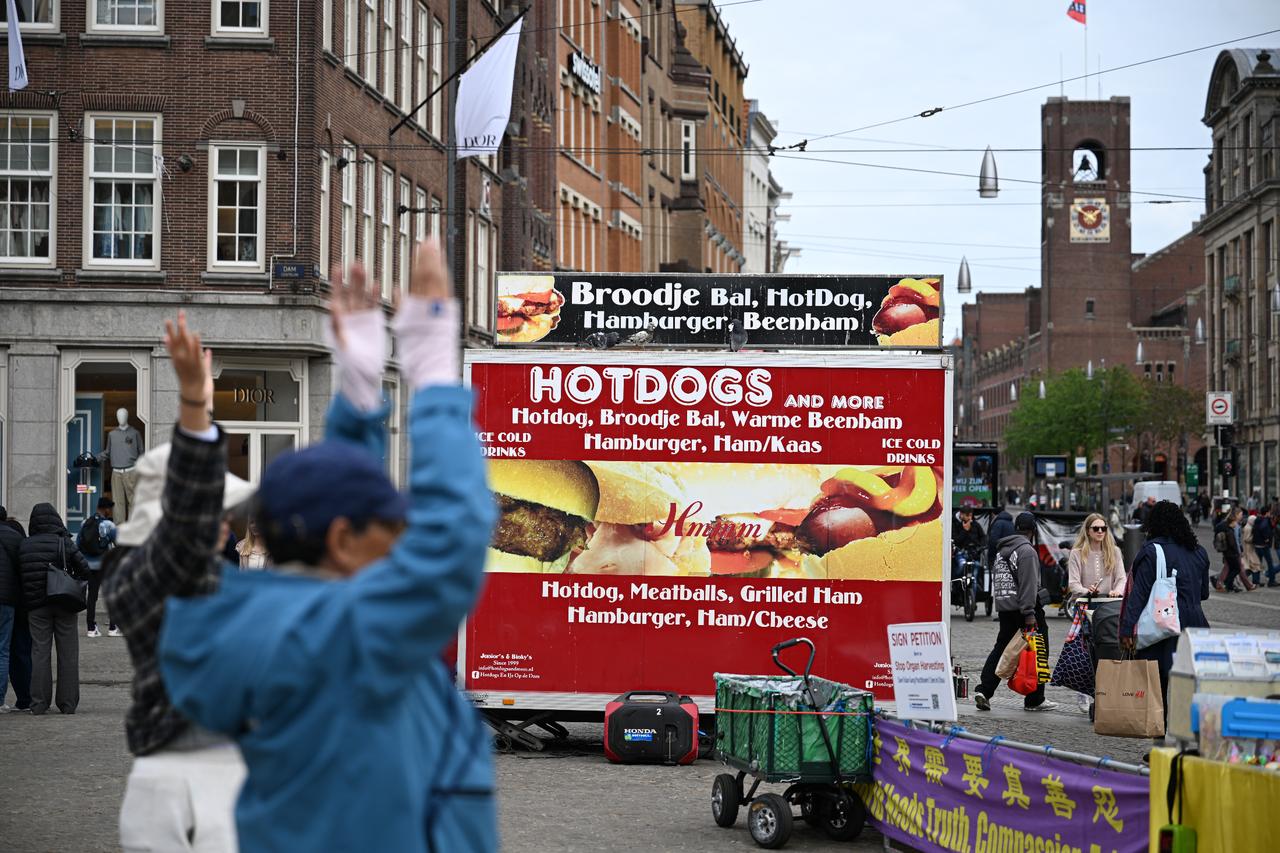


Amsterdam has become the first capital city in the world to ban advertisements for fossil fuel products and meat, in a move aimed at challenging the messages that have helped normalize carbon-intensive lifestyles for decades.
The ban, which took effect on May 1, covers advertising on city-controlled infrastructure, including bus shelters, metro station screens and freestanding street panels.
It applies to products linked to fossil fuel use, such as flying, cruises, combustion engine vehicles and home gas-heating contracts, as well as meat advertising.


Amsterdam’s decision places the Dutch capital among a growing group of cities trying to cut back on high-carbon promotion. Stockholm is expected to introduce a similar measure this summer, while more than 50 cities worldwide, including Sydney, The Hague and Florence, have moved in the same direction.
France became the first country to restrict fossil fuel advertising nationwide in 2022, and Spain could follow.
Supporters of these bans argue that climate policy should not only focus on energy systems and transport infrastructure, but also on the public messaging that shapes everyday choices. Behavioral psychologist Reint Jan Renes said cities with serious climate goals should restrict promotional materials that “promote and normalize these high-carbon lifestyles.”

The policy draws from earlier public health campaigns against smoking. Tobacco advertising bans were used to reduce the visibility and appeal of cigarettes once their health risks became widely accepted.
Climate campaigners now argue that fossil fuel advertising works in a similar way by keeping carbon-heavy habits socially acceptable. A Greenpeace Netherlands and New Weather Institute estimate linked car and airline ads in the E.U. in 2019 to up to 122 million tons of greenhouse gas emissions.
Experts caution that such bans will not change behavior overnight. However, they say advertising restrictions can gradually weaken long-standing consumption norms around flying, cruises, large cars and other high-emission choices.
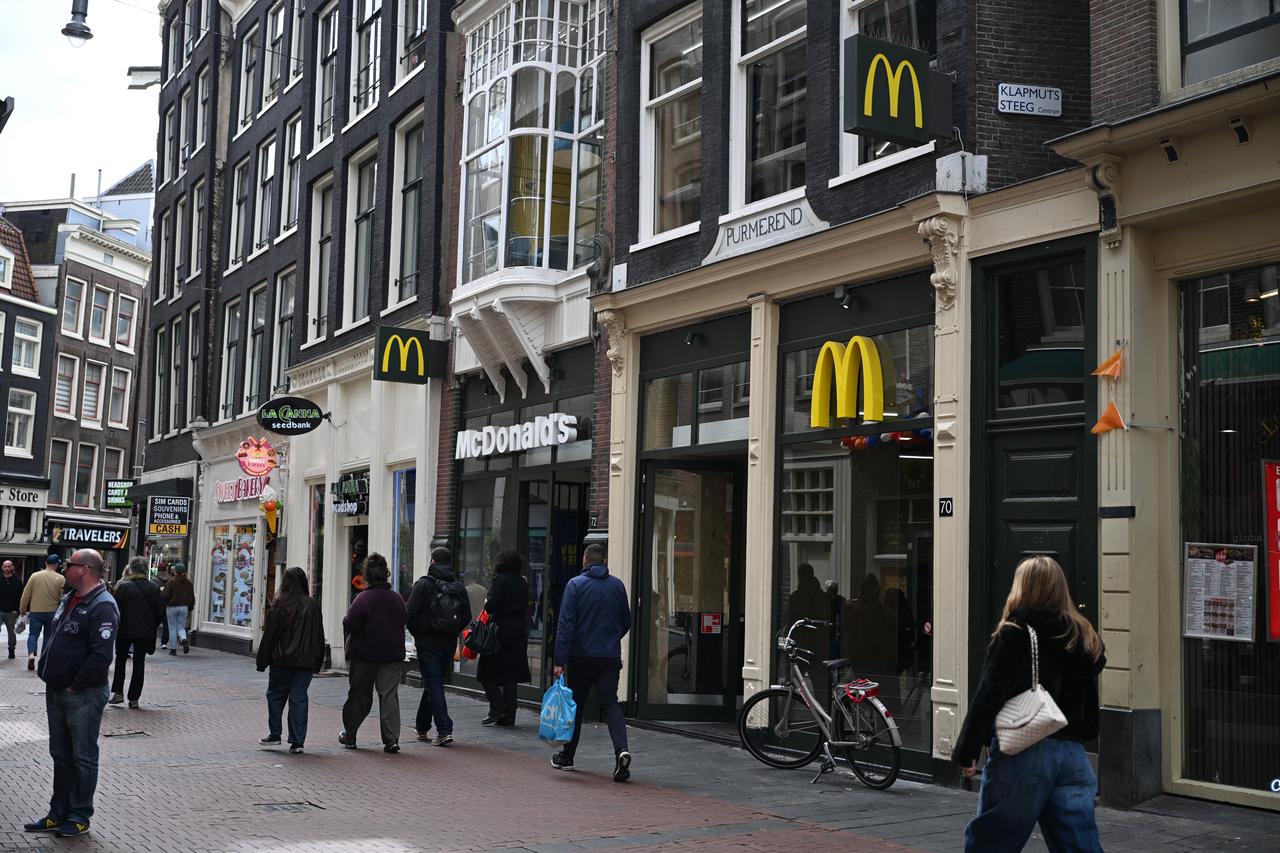
The ban has faced criticism from advertisers, businesses and conservative lawmakers. Outdoor advertising company JCDecaux warned of financial and legal consequences, while critics argued that the policy restricts commercial freedoms.
A legal challenge against a similar ban in The Hague was rejected by a Dutch court, which found that climate and health goals could justify limits on commercial advertising.
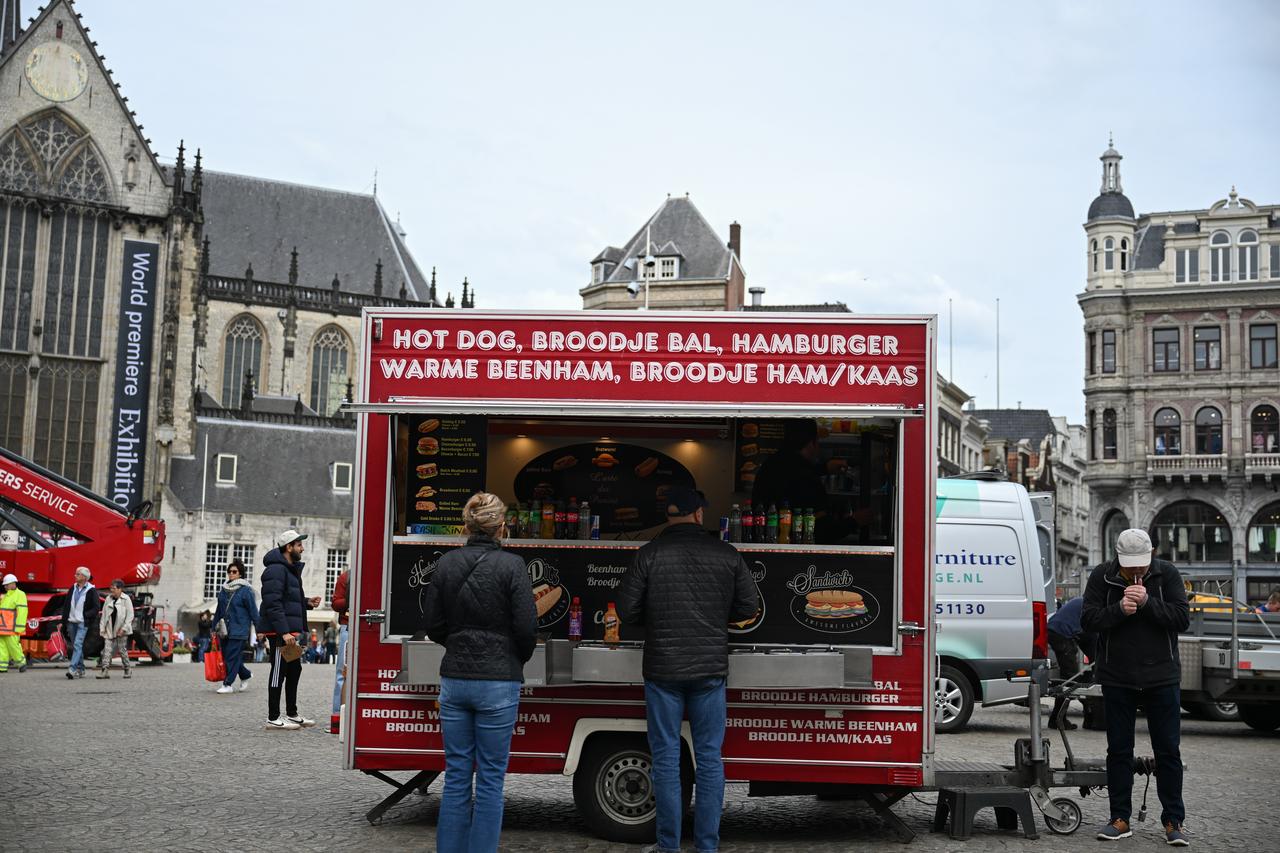
Amsterdam’s ban also has clear limits. It does not cover private property, meaning shops can still promote products in a limited way outside their own premises. It also does not reach digital advertising, where much of today’s marketing takes place.
Still, supporters say the measure should be seen as part of a wider climate policy package rather than a stand-alone solution.


 Set as preferred source
 Set as preferred source


 1 min read

 1 min read