Newsletters


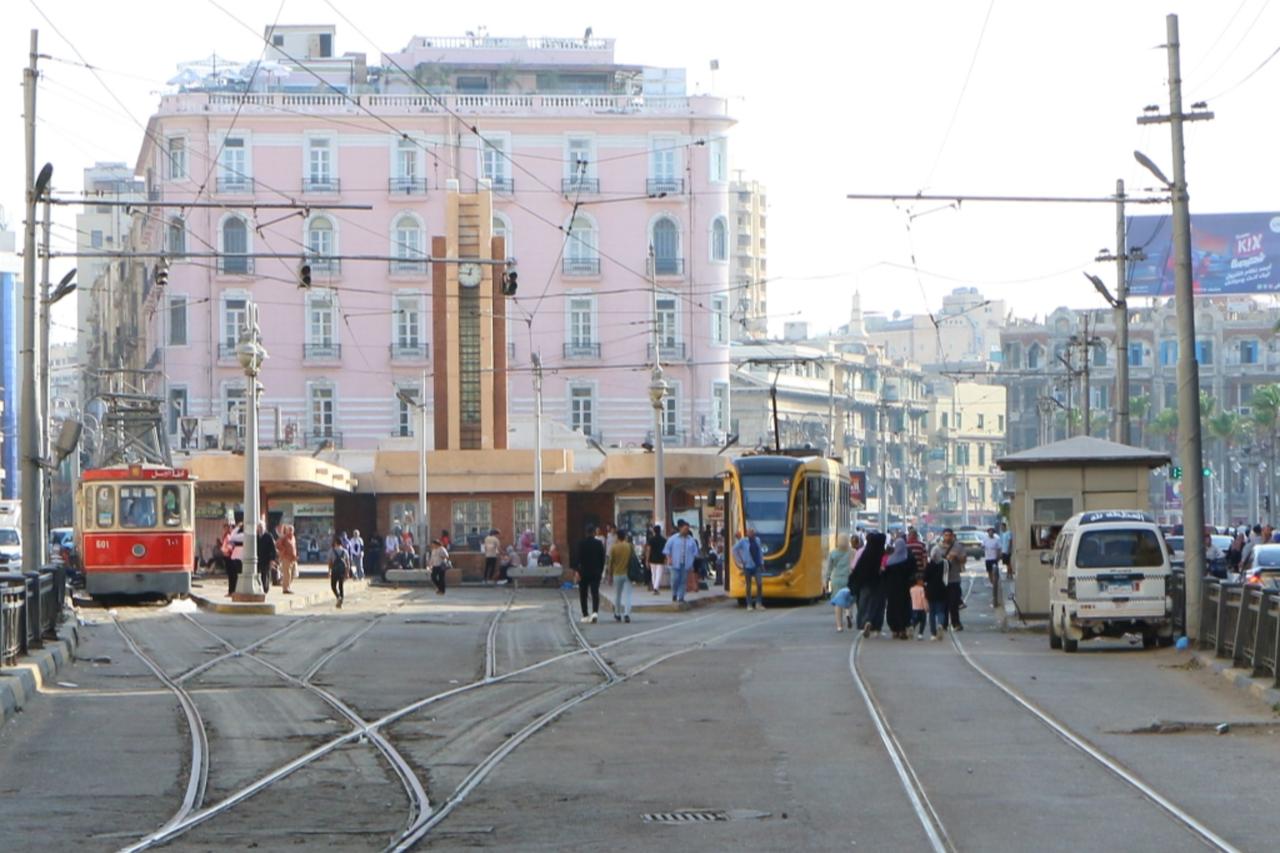


Alexandria’s 150-year-old tram network began a phased shutdown on Sunday, with some single-deck and double-decker services suspended as part of a plan to prepare for a major modernization project that will replace the aging system with a digitally controlled light-rail network.
The first steps to suspend Alexandria’s historic Ramleh Tram have begun, ahead of a comprehensive redevelopment project that will transform the over 150-year-old line into a digitally controlled light-rail system.
Egyptian authorities say the project is necessary to tackle traffic congestion, while many Alexandria residents see it as a painful farewell to one of the city’s most iconic coastal landmarks.
The three-stage plan starts with a trial shutdown from Feb. 1 to 10, followed by a partial suspension beginning Feb. 11 and a full shutdown starting April 1.
The tram runs along a route of about 14 kilometers (8.69 miles) and is expected to be replaced by a light-rail system within broader efforts to upgrade Egypt’s road and railway infrastructure under President Abdel Fattah el-Sissi, according to reports.
The National Authority for Tunnels said the renovation would nearly double current operating speeds, cut travel time from the first station to the last by more than 30 minutes, and increase passenger capacity.
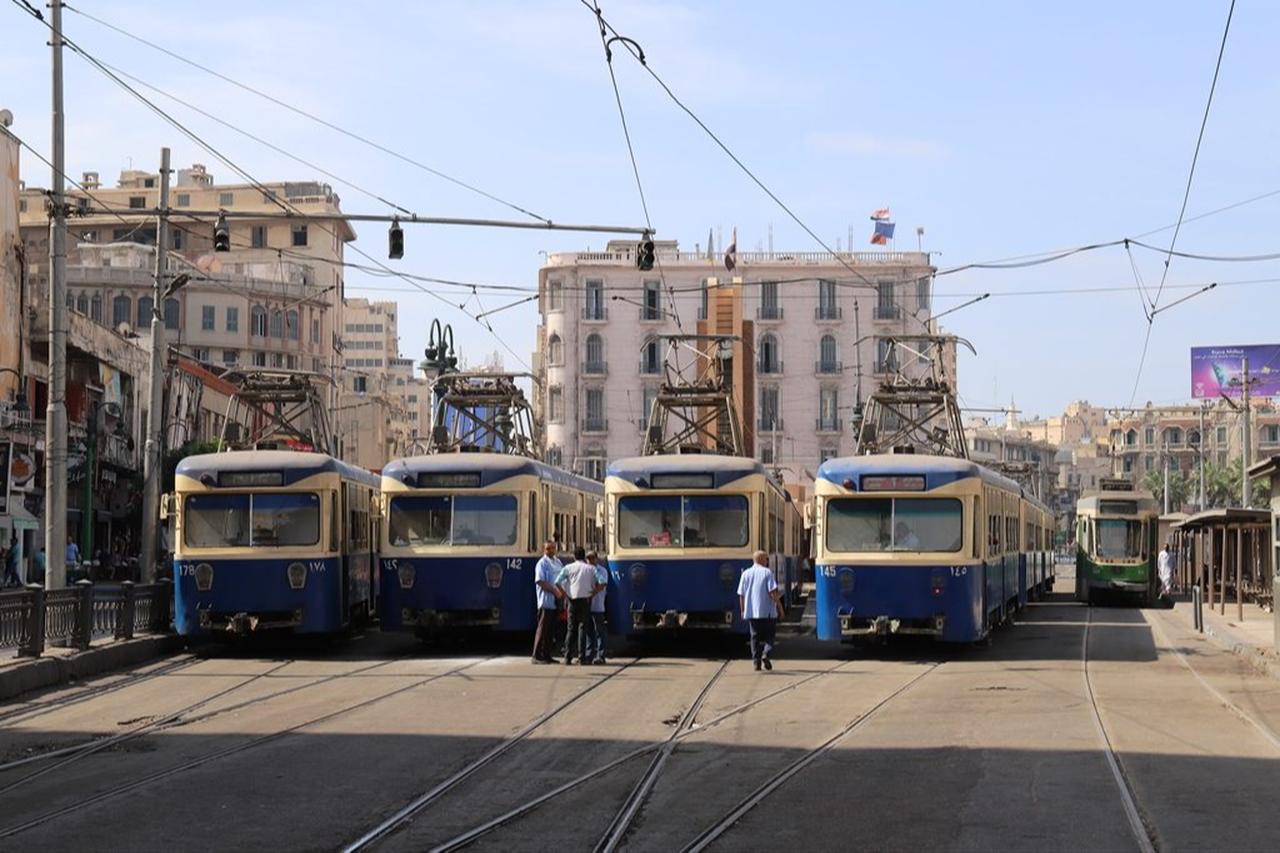

What makes it especially depressing for some residents is that they consider the tram one of the city’s most recognizable seaside landmarks.
The tram is even engraved in Egyptian literature. As Egyptian poet Amal Dunqul wrote, “The Ramleh tram was bulging, like a woman in the final months of pregnancy.”
There has been a mixed reaction between riders and residents. Some welcomed the renovation as overdue, while others warned construction could worsen traffic on Alexandria’s narrow streets, raise ticket prices, or extend beyond the planned two-year timeline.
Records cited in the information show trams first arrived in Alexandria in 1860, becoming the first form of mass public transport in Egypt and Africa during the rule of Khedive Muhammad Saeed Pasha.
The Egyptian government granted a concession to Edward St. John’s company to establish the Ramleh tram, known as the blue line.
A second network, the city tram, the yellow line, was introduced in 1896 by a Belgian company known as Tramway in the presence of Khedive Abbas Helmy II.
Until the 1952 revolution, tram drivers were Italian and ticket collectors were Maltese. The system began with horse-drawn cars, then moved to steam power before switching to electricity as routes expanded to serve wider parts of the governorate for more than 15 kilometers.
The blue tram still passes through upscale neighborhoods, including Gianaclis, Zizinia and Roushdy.
Some cars include separate sections, a women-only car, a men-only car and a mixed car.


 Set as preferred source
 Set as preferred source



 2 min read