Newsletters


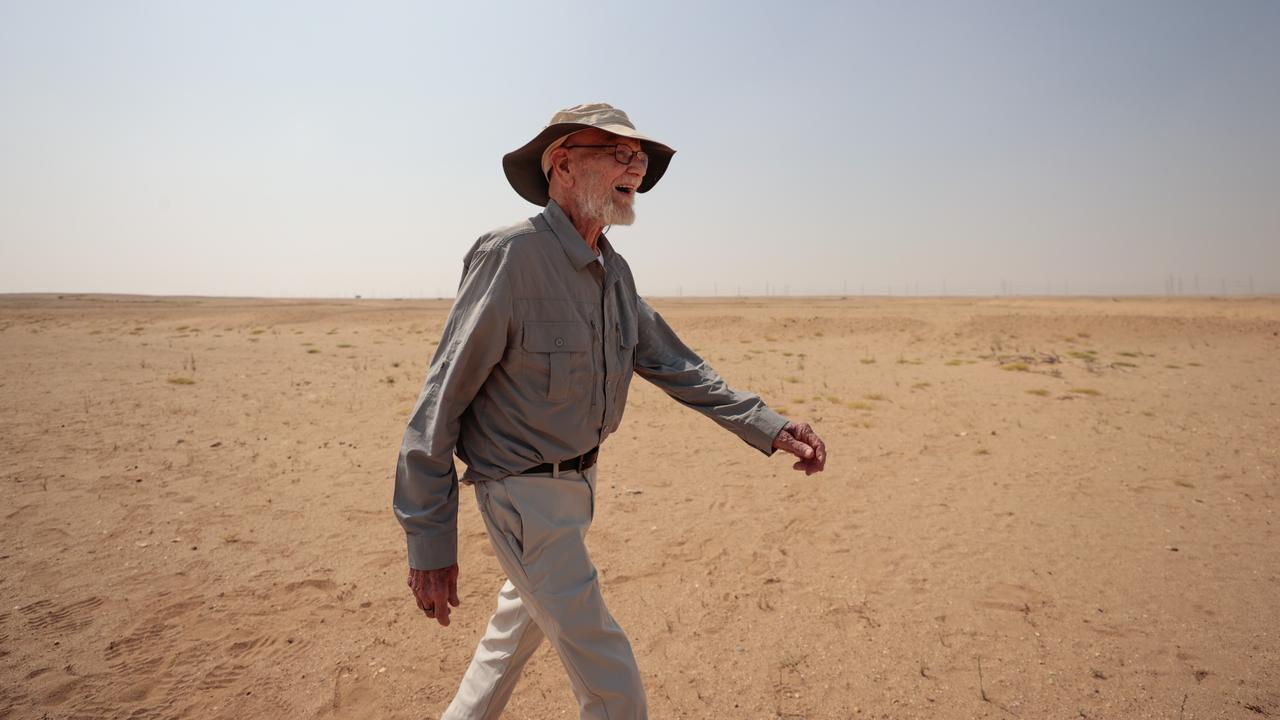
At the age of 83, American Muslim David Noble set out on a deeply personal journey to Saudi Arabia, carrying with him a promise he had made to his late wife. After performing Umrah, the Islamic pilgrimage that can be carried out at any time of the year, Noble also joined part of the historic Hijrah route between Mecca and Medina. The path retraces the migration of the Prophet Muhammad from Mecca to Medina, a defining event in Islamic history.

Noble and his wife Sandra Susan Noble embraced Islam roughly two decades ago. He described her as his “soulmate,” and her death two years ago pushed him to look more closely into his faith. As he began to read and learn more about Islam, he said the teachings about the life of the Prophet Muhammad stirred a deeper sense of purpose and curiosity within him.
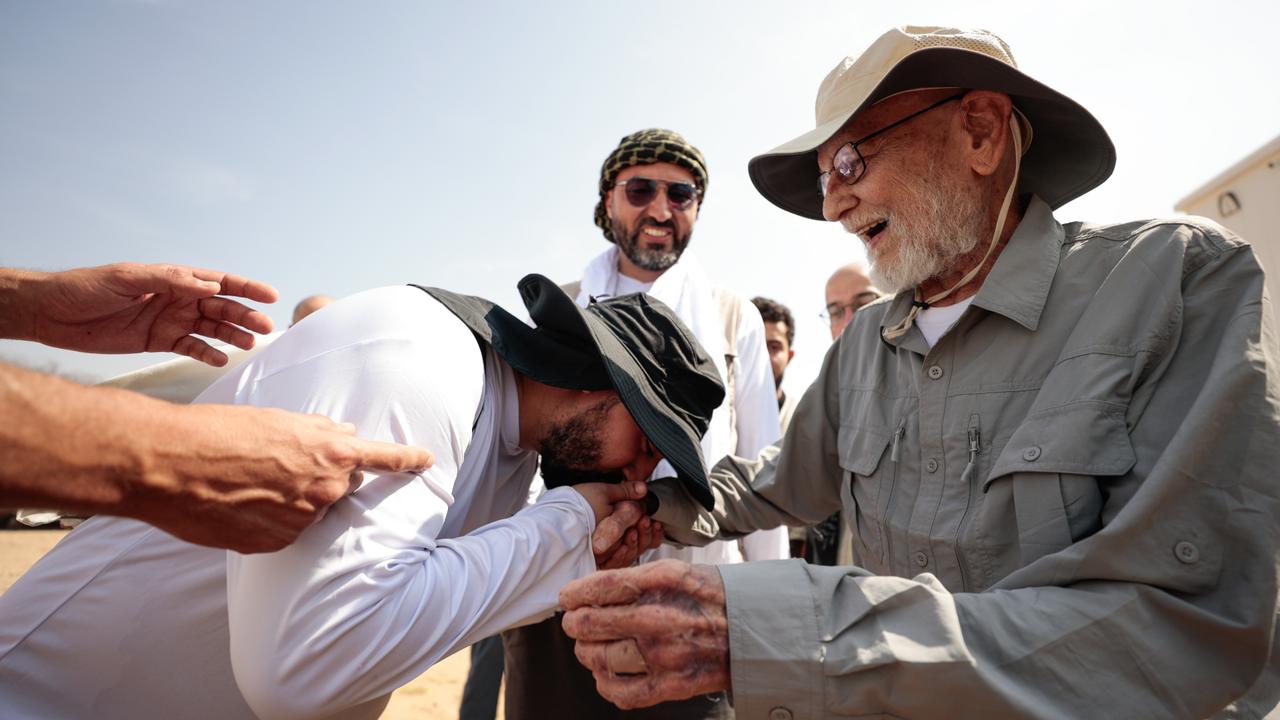
His path to Islam first opened up through his stepson, American filmmaker Mustafa Davis. Noble recalled that he had once been a devout Christian before Davis introduced him to Islam in 2007. Looking back, he said his son had effectively “gifted” him Islam after returning home from a period away.
As Noble continued to explore the religion, he came to see Islam as a guide not only for worship but also for everyday conduct. He explained that the faith offers clear principles about how people should treat God, neighbors, and other members of society. For him, the message that kindness should be extended to everyone regardless of appearance or background stood out as particularly meaningful.

The turning point came when Davis encouraged him to travel to Mecca for Umrah and dedicate the spiritual reward to his late wife. Noble immediately accepted the idea and later learned about a commemorative walk along the Hijrah route. Despite being told that the journey would not be easy, he reportedly replied with a simple phrase that captured his outlook: “Life is not easy anyway, so let’s just do it.”

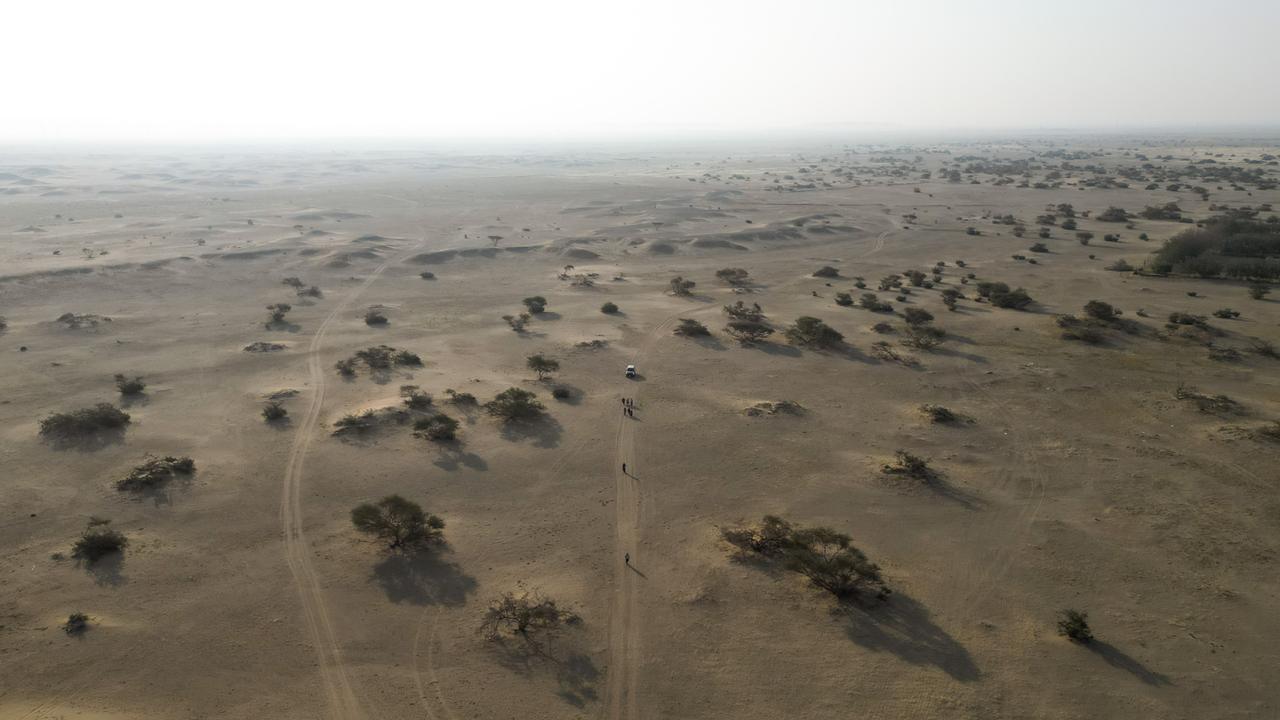
The traditional Hijrah route stretches roughly 450 kilometers between Mecca and Medina. Because of his age and physical condition, Noble walked sections of the path until he became tired and then continued by vehicle. Even partial participation in the journey held deep symbolic value, connecting him to the early history of Islam.

One of the most emotional moments of the trip came during the Umrah ritual known as tawaf, in which pilgrims circle the Kaaba—the cube-shaped structure at the center of Islam’s holiest mosque in Mecca. Noble recalled that his son asked him to keep his head lowered until he stood in front of the Kaaba. When he finally looked up, he described the moment as overwhelming, saying the structure appeared larger and more beautiful than he had imagined.

Mustafa Davis turned the experience into a documentary titled “In Her Name.” The film focuses on Noble’s effort to honor his late wife while reconnecting with his faith. Davis explained that the story felt worth telling because of the unlikely path that had brought both of them to Islam.

Davis reflected that his relationship with Noble had not always been smooth during his youth. At the time, he said, he could never have imagined that both of them would one day become Muslims, walk side by side around the Kaaba, and take part in the Hijrah route together. In retrospect, he described the experience as something that once would have seemed almost unbelievable.

According to Davis, the trip gained urgency after Noble began thinking more seriously about his own faith following his wife’s death. Noble explained that he wanted to show God that he was serious about Islam and hoped that by doing so he might reunite with his wife in the afterlife. Even after major health challenges, including bypass surgery, a stroke, and a recent heart attack, he insisted on going ahead with the journey, saying that even taking “two steps” along the Hijrah path would be enough to express his devotion.

 2 min read


 Set as preferred source