Newsletters


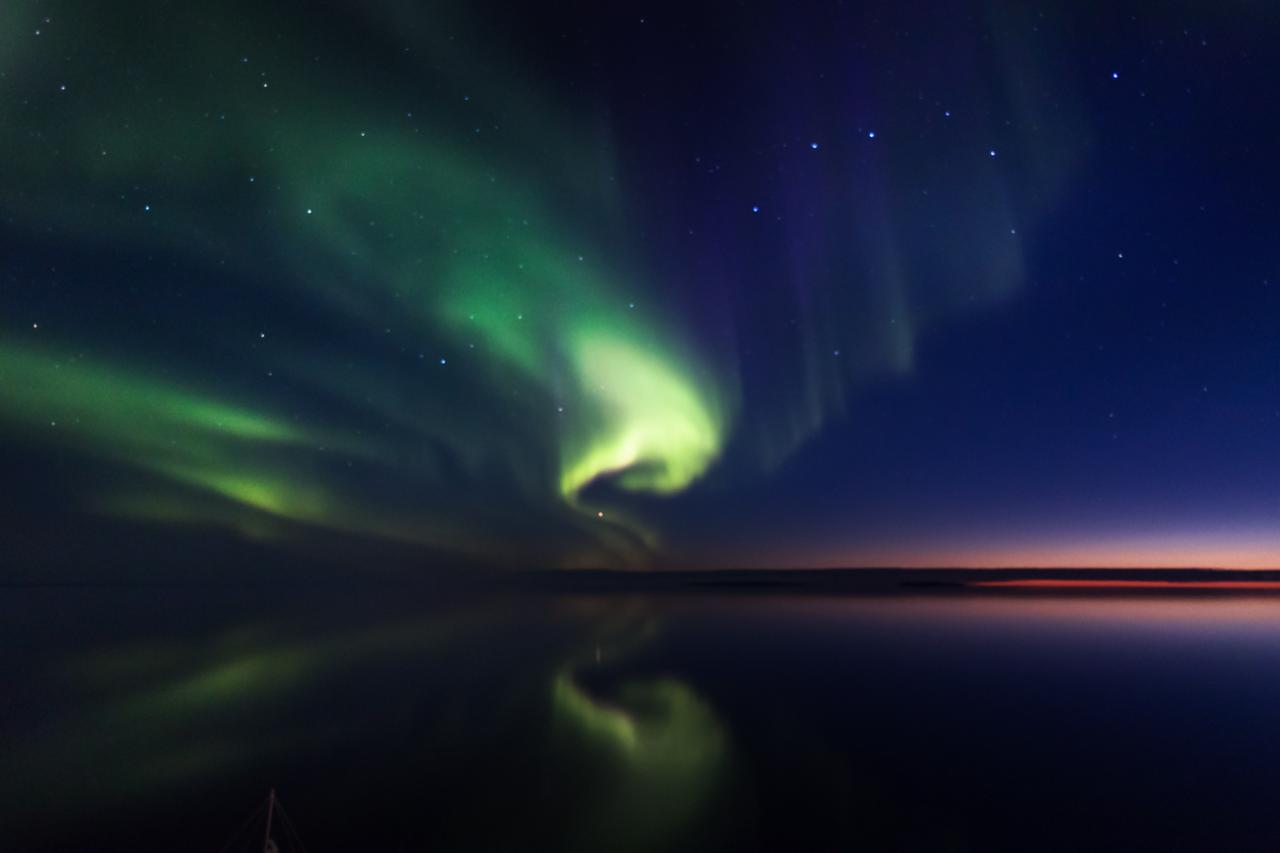


Between March 20 and March 22, Earth experienced a strong geomagnetic storm that reached G3 level, which is the third-highest on NOAA’s five-point scale.
The storm was caused by both coronal mass ejections (CMEs) and fast solar wind streams, and it happened during the spring equinox, a time when geomagnetic disturbances are usually stronger.
NOAA’s Space Weather Prediction Center (SWPC) first issued a G2 watch for March 19 to 21. But the storm became stronger than expected, reaching G3 levels by March 22, as SWPC confirmed in an updated alert.
NOAA rates geomagnetic storms from G1 (minor) to G5 (extreme), and a G3 storm is considered strong. At this level, there can be some risks for infrastructure, like power grid fluctuations, occasional satellite issues, and less accurate GPS. During the March 20 to 22 storm, SWPC advised power grid operators to take steps to reduce possible problems.
Two main solar events caused the storm. Coronal mass ejections (CMEs), which are big bursts of plasma and magnetic field from the sun’s outer layer, happened on March 16 and March 18.
After that, a fast solar wind stream came from a coronal hole, which is a cooler, less dense area of the sun that lets solar wind escape quickly.
When these reach Earth, they can squeeze and change our planet’s magnetic field, leading to a geomagnetic storm.
The timing fits known patterns. March 20 was the spring equinox in the Northern Hemisphere. Data from 1932 to 2007 show that March and October usually have the most geomagnetic disturbances, with each month averaging over six disturbed days.
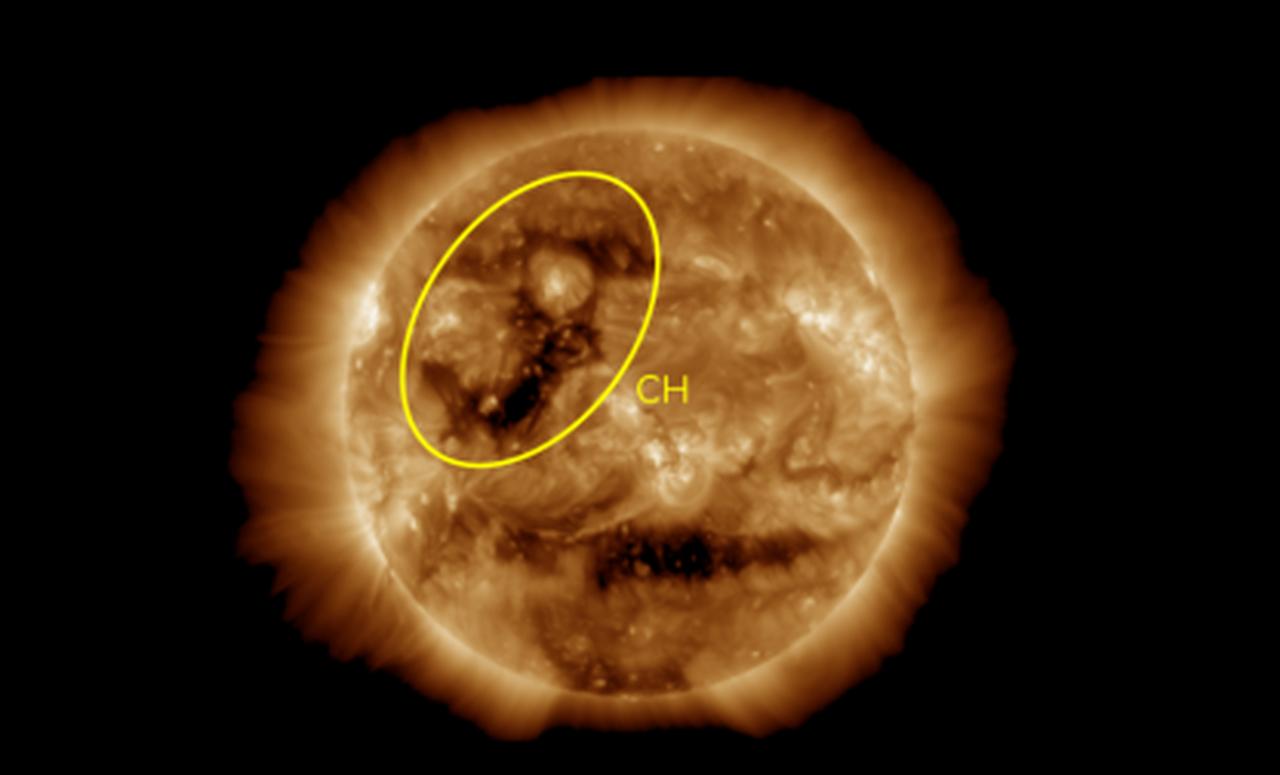

SWPC says that during a G3 storm, the main technology concerns are power fluctuations, possible satellite problems, and occasional GPS issues.
The storm also made the auroral oval, the area where the northern lights can be seen, wider, so the aurora was visible much farther south than usual.
Besides affecting infrastructure, some research suggests geomagnetic storms might also impact human health, though scientists are still studying this and haven’t proven a direct cause.
Studies have found that during these storms, hospitalizations for heart problems like heart attacks, angina, and arrhythmias can be up to twice as high as during quiet periods.
A 2014 study in "Stroke," which looked at six extensive studies from Europe and Australasia, found a link between geomagnetic storms and more strokes.
Research also suggests that repeated solar disturbances might disrupt people’s sleep cycles. In some cases, this can lead to more inflammation, tiredness, and flu-like symptoms for some people.
Some studies have also found more reports of irritability and anxiety, possibly because sleep patterns are affected.
The U.S. Geological Survey says that Earth’s magnetic field does not directly affect most people’s health.
When health risks have been found, they mostly affect people who already have heart or brain conditions. High-altitude pilots and astronauts have a different risk: they get more radiation during magnetic storms, but this is due to the radiation, not the magnetic field.


 Set as preferred source
 Set as preferred source



 2 min read