Newsletters


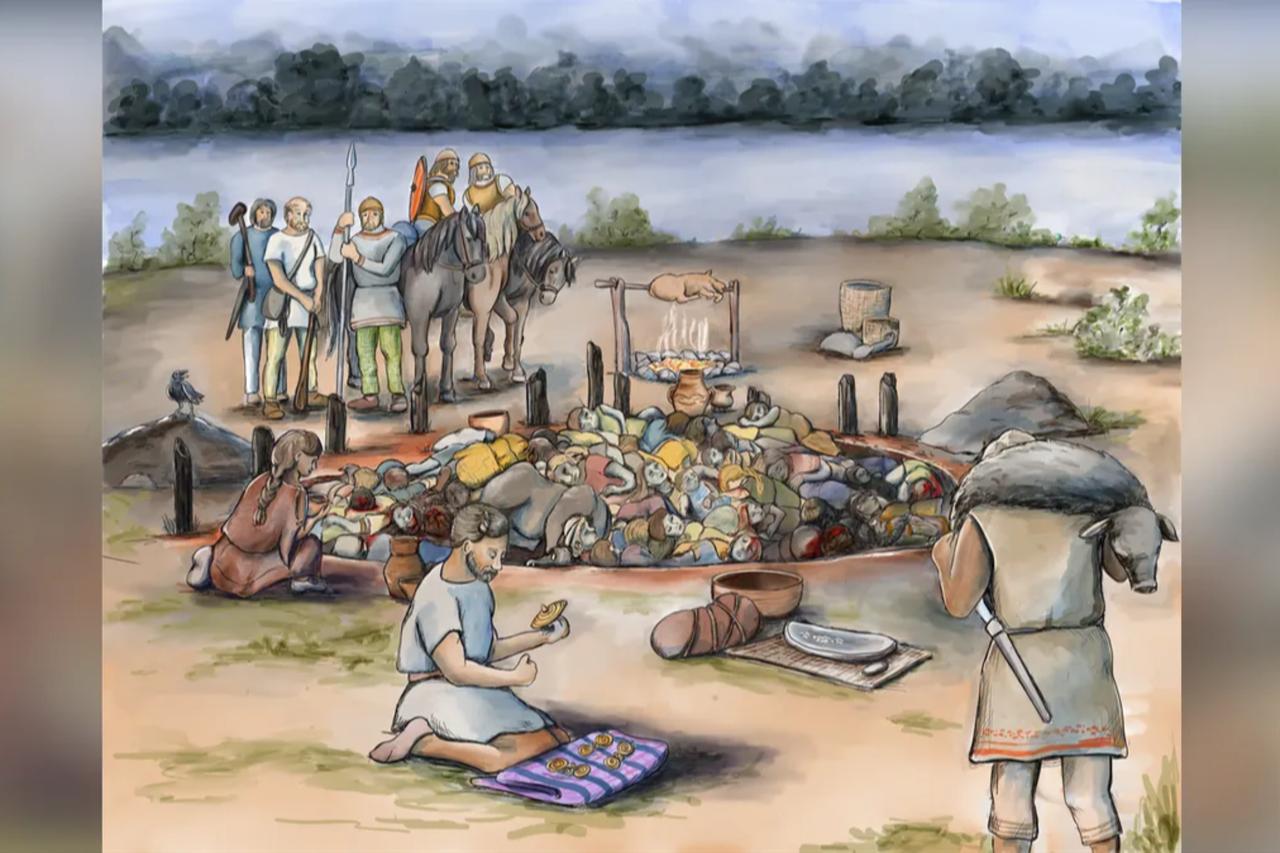


Archaeologists expected disease. Instead, they found a coordinated killing staged on a hilltop overlooking a river.
A 2,800-year-old mass grave has been identified in northern Serbia that archaeologists believe documents deliberate and selective violence against women and children during the Early Iron Age.
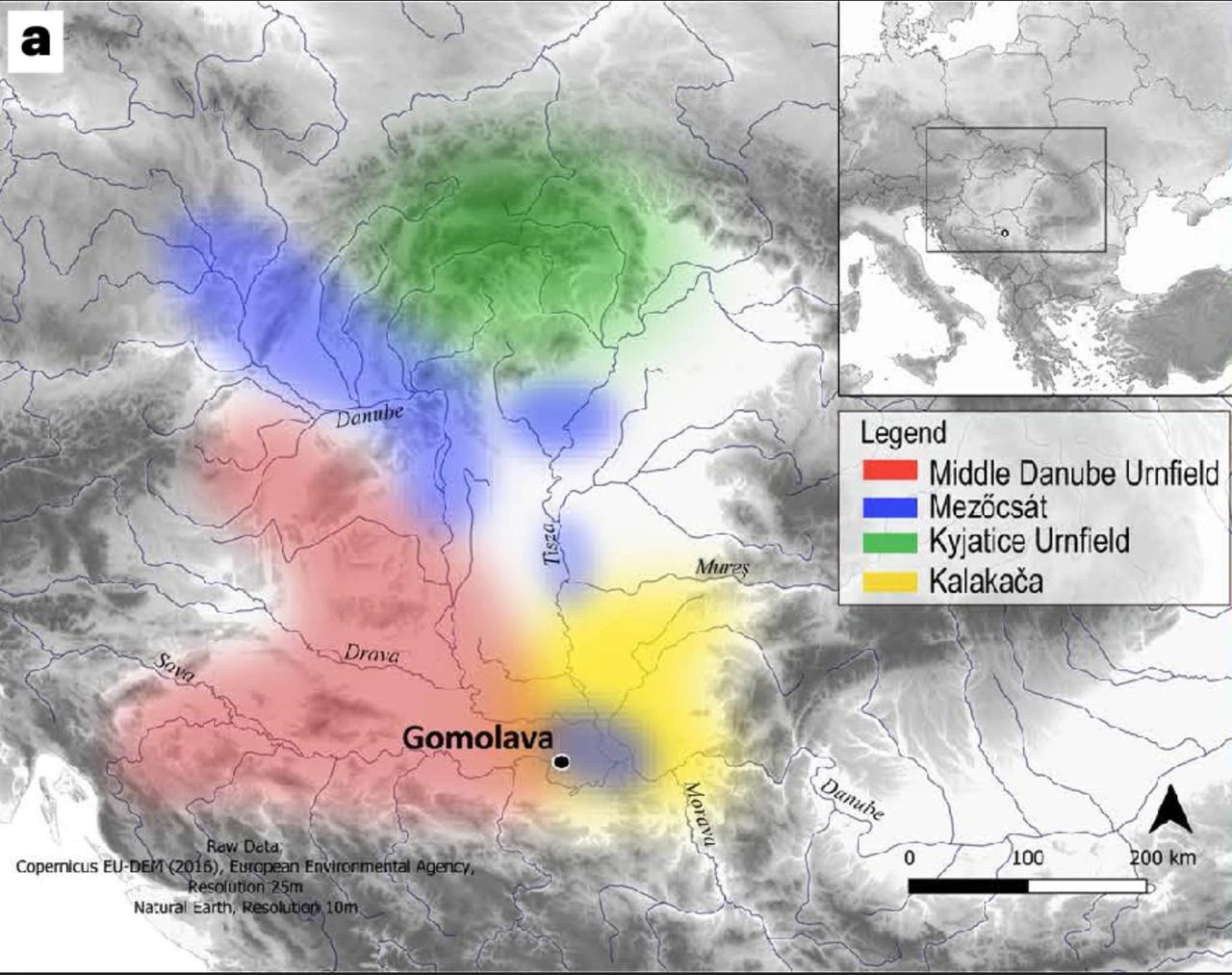
The burial site lies at Gomolava, near the modern town of Hrtkovci along the Sava River. Researchers published their findings Feb. 23 in the journal Nature Human Behaviour. The grave contained the remains of 77 people. More than 70% were female, and 69% were children, with over half under the age of 12.
Researchers say the pattern stands out in European prehistory.
“The predominance of women and younger individuals in the mass grave at Gomolava is exceptional in European prehistory,” the study authors wrote.
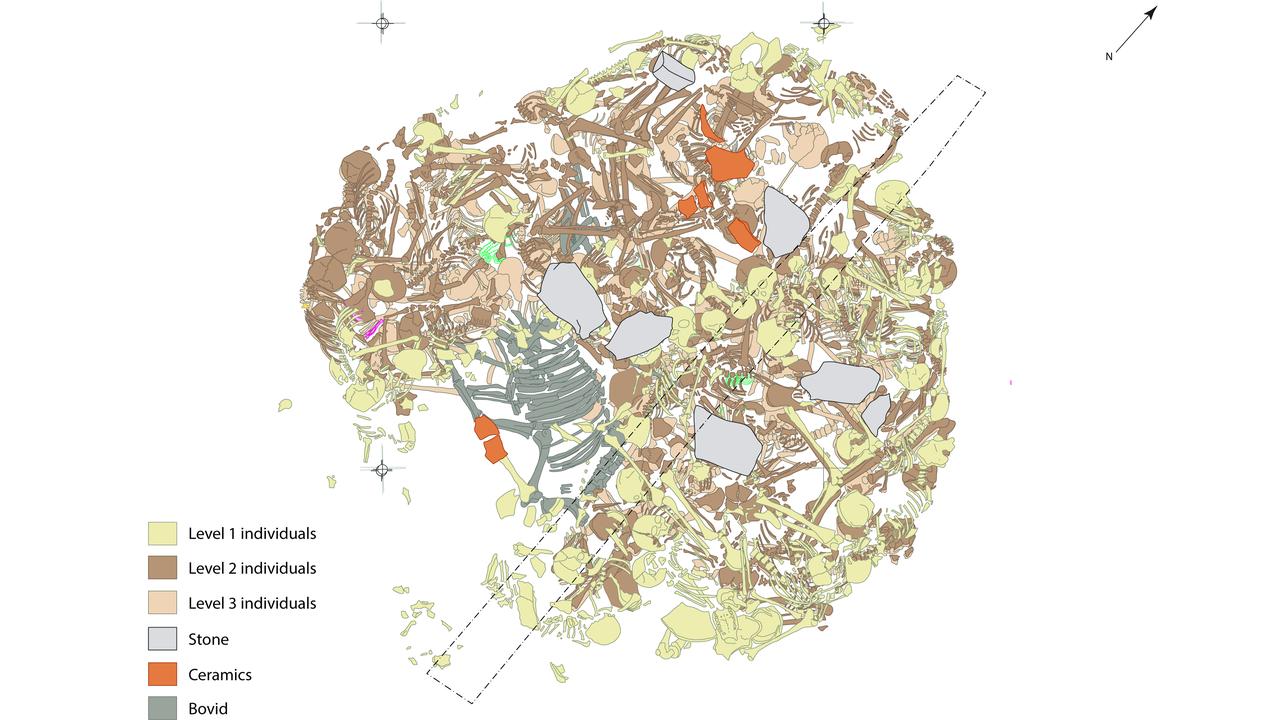

Archaeologists first uncovered the grave in the early 1970s. At the time, some suspected a natural catastrophe, such as a disease. But a new analysis of the bones and DNA suggests a coordinated killing.
Bioarchaeologist Linda Fibiger of the University of Edinburgh said the team found extensive trauma, including cracked skulls, arrow wounds and cut marks. Around one in five skeletons showed visible skeletal injuries. Because many fatal injuries leave no marks on bone, Fibiger concluded that all the women and children in the grave were likely executed.
“Overall, the patterning reveals severe violence that was brutal, deliberate and efficient,” the researchers wrote.
The injuries indicate close contact and blunt force. Researchers said the attackers may have been taller than the victims or on horseback, based on the location of the head wounds.
Genetic testing revealed that the individuals were mostly unrelated. Only one mother and her two daughters shared close biological ties. Strontium isotope analysis of dental enamel showed that more than one-third grew up outside the Gomolava region and had different childhood diets.
“It is clear that this is a heterogeneous assembly of individuals,” Fibiger told Live Science.
University College Dublin archaeologist Barry Molloy, a co-author of the study, said the grave did not reflect the destruction of a single village.
“It’s a bunch of people from different villages, all killed in the same place, at the same time,” Molloy said.
The burial pit measured about 2.9 meters in diameter and 0.5 meters deep.
Archaeologists found postholes around it, which suggest a form of memorialization. The grave also contained ceramic vessels, bronze accessories and nearly 100 animal bones, including a complete young cow skeleton at the bottom.
The site sits on a prominent settlement mound overlooking the Sava River. Researchers say the careful arrangement of bodies, the presence of ornaments such as brooches and rings, and the lack of looting suggest symbolic intent.
In the ninth century B.C., groups in the Carpathian Basin were consolidating around enclosed settlements. Tensions emerged between mobile and settled communities over land use and ownership.
The authors argue the killings may have aimed to disrupt rival communities at a genealogical level. Women and children played central roles in transmitting traditions and ensuring a group’s future.
“Women and children … have agency and a role in passing on traditions,” Fibiger said. “Children are a society’s future, and all that is taken away.”
The researchers suggest the massacre, burial and monument together formed a chain of actions intended to assert power during a period of social upheaval in prehistoric Europe.


 Set as preferred source
 Set as preferred source



 2 min read