Newsletters


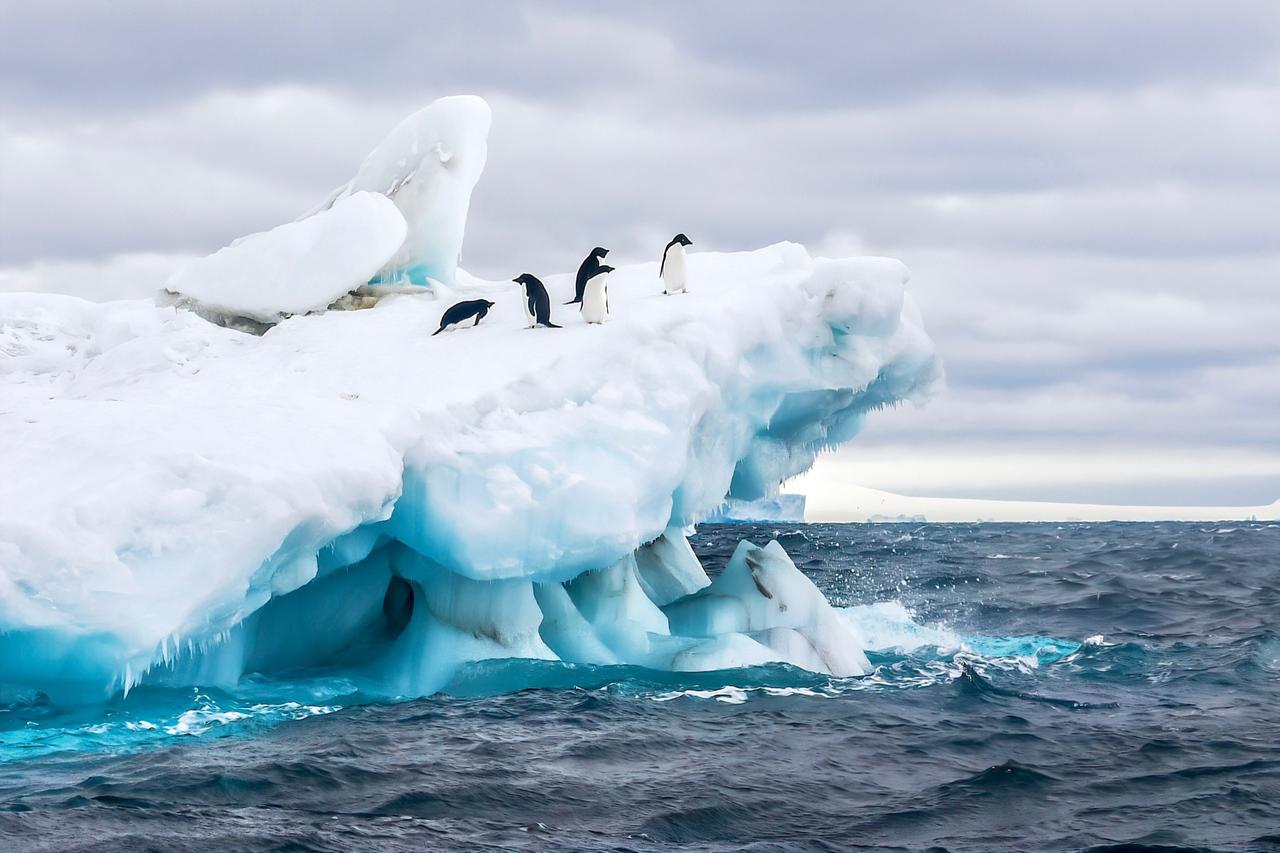


A sharp and persistent decline in Antarctica’s sea ice since 2016 is being traced to a combination of ocean heat buildup.
This decline is changing salinity and intensifying winds, according to new research based on data collected by deep-diving robotic sensors called Argo floats.
For decades, the Antarctic sea ice had been expanding despite rising global temperatures, a trend that puzzled scientists.
That pattern reversed abruptly around 2016, when ice coverage contracted dramatically and has not recovered since, raising new concerns about the stability of the Antarctic system and its global implications.

The study points to a layered ocean system that kept warmer water locked beneath colder surface layers for years, allowing sea ice to expand even as deeper waters stored heat.
In contrast to most oceans, where warmer water sits at the top, the Southern Ocean behaves differently. The surface is cooled by frigid Antarctic air, while relatively warmer water circulates below. This structure helped sustain ice formation by isolating subsurface heat.
Over time, increased precipitation freshened the upper ocean, making it less dense than the saltier water below. This created stronger stratification, effectively sealing off deeper warmth and allowing it to accumulate over decades.
Earle Wilson, a polar oceanographer at Stanford University and lead author of the study, said that the findings underline the ocean’s central role in driving long-term variability.
“One of the key takeaways from the study is that the ocean plays a huge role in modulating how sea ice can vary from year to year, decade to decade,” he said, according to Grist.
That balance eventually broke.
Around 2016, atmospheric conditions shifted, with stronger and reoriented winds pushing surface waters away from Antarctica and stirring the ocean below.
This mixing brought long-trapped heat to the surface, accelerating ice melt.
“What we witnessed was basically this very violent release of all that pent up heat from below that we linked to the sea ice decline,” Wilson said.
Scientists say these wind changes are likely influenced in part by climate change, as warming temperatures alter atmospheric gradients and circulation patterns. However, they caution that natural variability may also contribute, and the extent of each factor remains under study.
Zachary Labe, a climate scientist at Climate Central who was not involved in the research, said both atmospheric and oceanic warming are likely playing a role. He added that the study strengthens evidence that deeper ocean heat is a critical factor in the recent shift.
Beyond mixing warm water upward, stronger winds may also have physically broken up sea ice by generating waves and forcing ice blocks together.
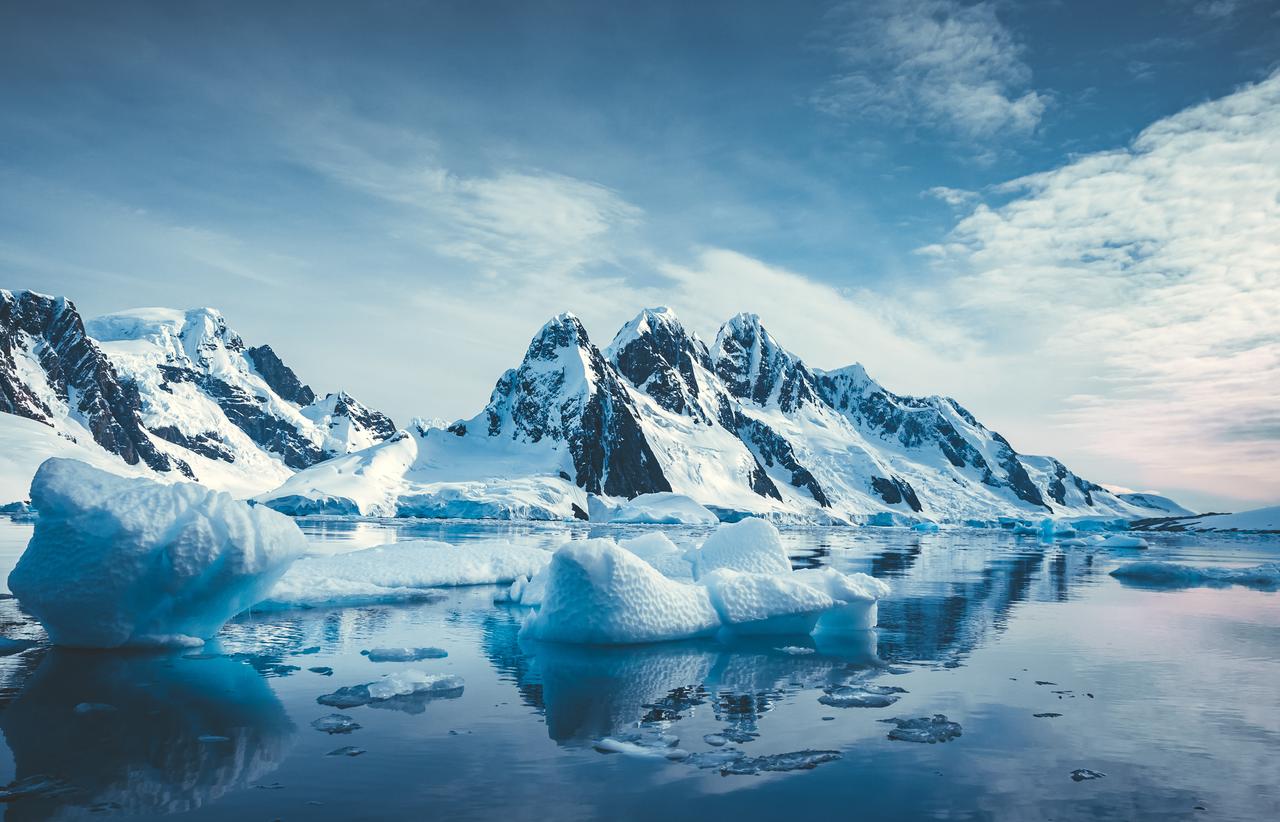
The loss of sea ice carries consequences beyond seasonal changes in Antarctica.
It directly affects the stability of ice shelves, which act as barriers holding back the continent’s land-based ice sheet.
As sea ice diminishes, several risks emerge:
These changes increase the likelihood of accelerated ice loss from the Antarctic ice sheet, which holds enough frozen water to raise global sea levels by about 190 feet (58 meters) if it were to melt completely.
The study relies on data collected by Argo floats, torpedo-shaped instruments that dive thousands of feet below the ocean surface to measure temperature and salinity before transmitting data via satellite.
These long-term observations have been critical in identifying the processes behind the sudden shift.
Researchers say more data is urgently needed to understand whether current conditions represent a lasting transition or part of a longer cycle.
“Overall, we need more international support to continue building observing networks across the Antarctic polar region, both for oceanic and atmospheric monitoring,” Labe said.
He warned that the region is undergoing rapid changes with potentially significant consequences for global sea level rise.
Scientists remain cautious about long-term projections. While periods of recovery are possible, the broader trajectory remains uncertain.
“The long-term, multidecade trend will be negative,” Wilson said. “That would be my guess, but we don’t know for sure.”


 Set as preferred source
 Set as preferred source


 3 min read