Newsletters


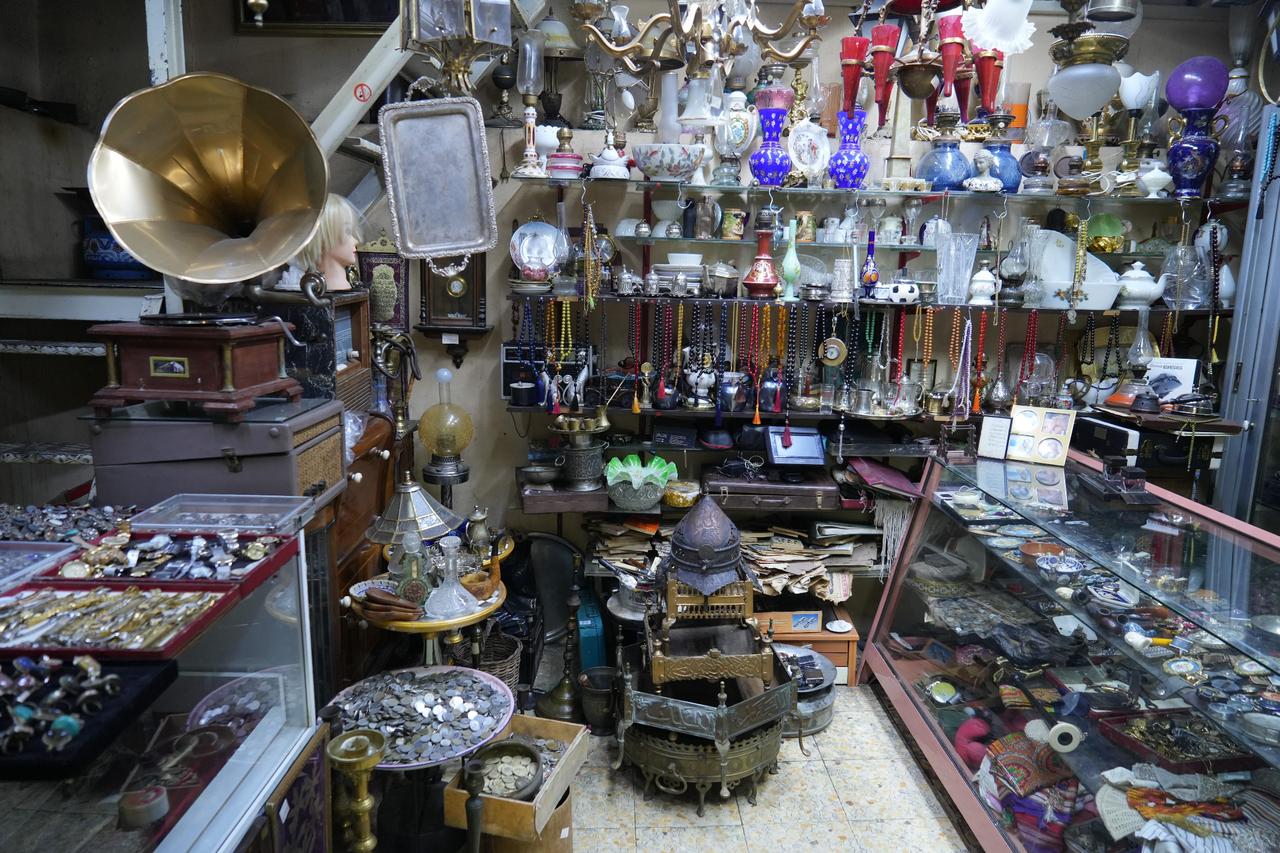


A veteran antique dealer in Türkiye's Gaziantep has warned buyers to be more careful as rising interest in antique objects has also brought about more shops selling old or artificially aged goods as genuine antiques.
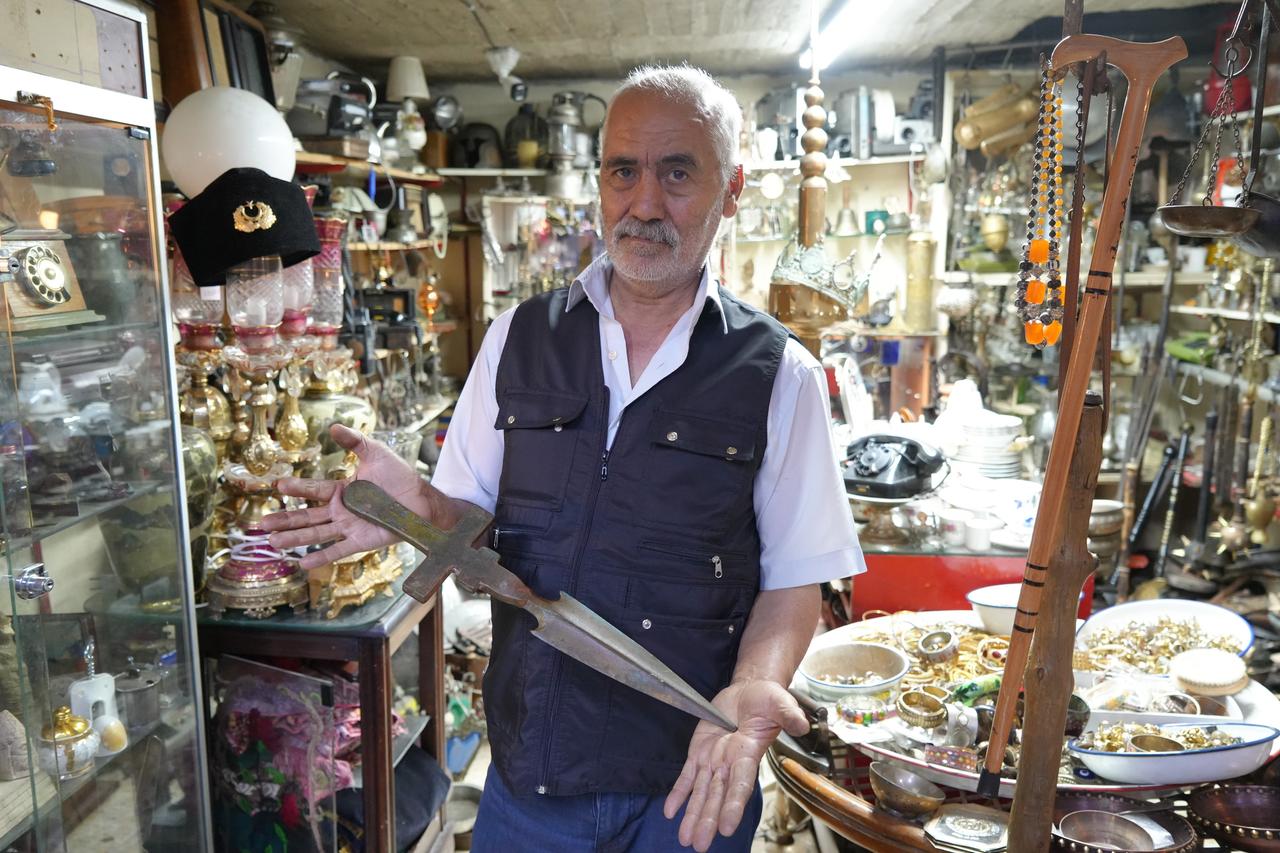
Hanifi Ozaslan, who has carried on his father's profession for nearly 45 years, said people often confuse old household items with real antiques.
He stressed that buyers should learn how to tell the difference between objects that carry natural signs of age and products that have been deliberately worn down to look older.
Ozaslan said his connection to old objects began in childhood through his father, who worked as a cerci, a traditional peddler who traveled from village to village collecting used goods.
He said he started going around with his father at the age of 13, collecting old items from villages and later selling some of them in the Copper Bazaar as scrap. At the time, he said, they did not always know the real value of the objects they found.
As he grew older, Ozaslan began to understand the difference between ordinary second-hand goods and objects with antique value, especially engraved and stamped copper pieces. He said such works have become increasingly rare today.
After moving to the city in 2000, he sold his land, a shop and a two-story stone house in his village to open an antique business, putting all his savings into the profession.

Ozaslan said the growth of tourism has increased interest in antiques and encouraged more people to open antique shops, especially in areas visited by tourists.
However, he warned that not every old object should be described as an antique. According to him, a 50-year-old item may be old, but that does not automatically make it an antique.
"Not every old item is an antique," he said, adding that genuine antiques are generally 100 to 150 years old or older. He pointed to Ottoman-era swords, knives and similar objects as examples of items that can fall into this category.
He said some sellers now pass off objects made 15 or 20 years ago, or copperware produced around 30 years ago, as antiques, even though these should be described as old household goods rather than authentic antiques.
Ozaslan said antique dealing requires knowledge, not only a storefront. A real antique dealer, he said, should be able to distinguish between works from different periods, including Roman, Greek, Byzantine, Hittite, Umayyad, Abbasid, Seljuk and Ottoman eras.
He also warned buyers not to rely too much on stories attached to objects. Claims that an item belonged to an Ottoman pasha or a local notable are often impossible to verify, he said, and may not reflect the real background of the piece.
For Ozaslan, the key difference lies in whether an object carries natural traces of age. Genuine antiques have a lived-in quality shaped by time and use, while artificially aged products only try to imitate that appearance.
He urged people interested in antiques to examine objects carefully and avoid being guided only by appearance or sales stories, especially as demand for old and nostalgic goods continues to grow across Türkiye.


 Set as preferred source
 Set as preferred source


 3 min read