Newsletters


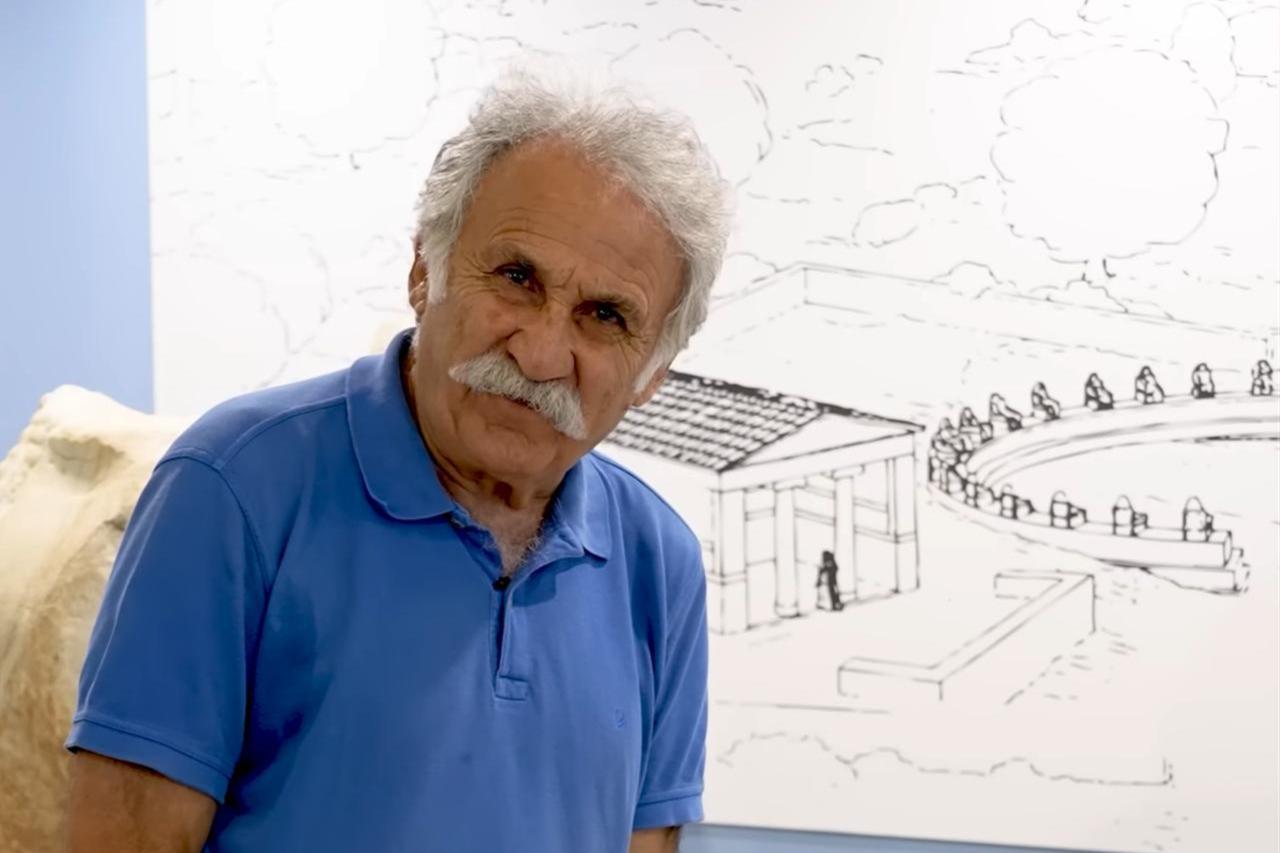


Retired Turkish archaeology professor Fahri Isik has raised concerns over the growing number of archaeology departments in Türkiye, arguing that universities should prioritize academic expertise, research infrastructure and long-term institutional development rather than simply opening new programs.
In his discussion article, "Foundation and Root," published in the September 2026 issue of Anatolian Archaeology, Isik draws on his experience establishing archaeology education at Ataturk University in Erzurum and Akdeniz University in Antalya to examine the challenges facing the discipline.
According to Isik, Türkiye currently has 45 archaeology departments, with more than 1,000 new graduates entering the field annually, despite limited employment opportunities and difficulties maintaining sufficiently qualified academic teams.
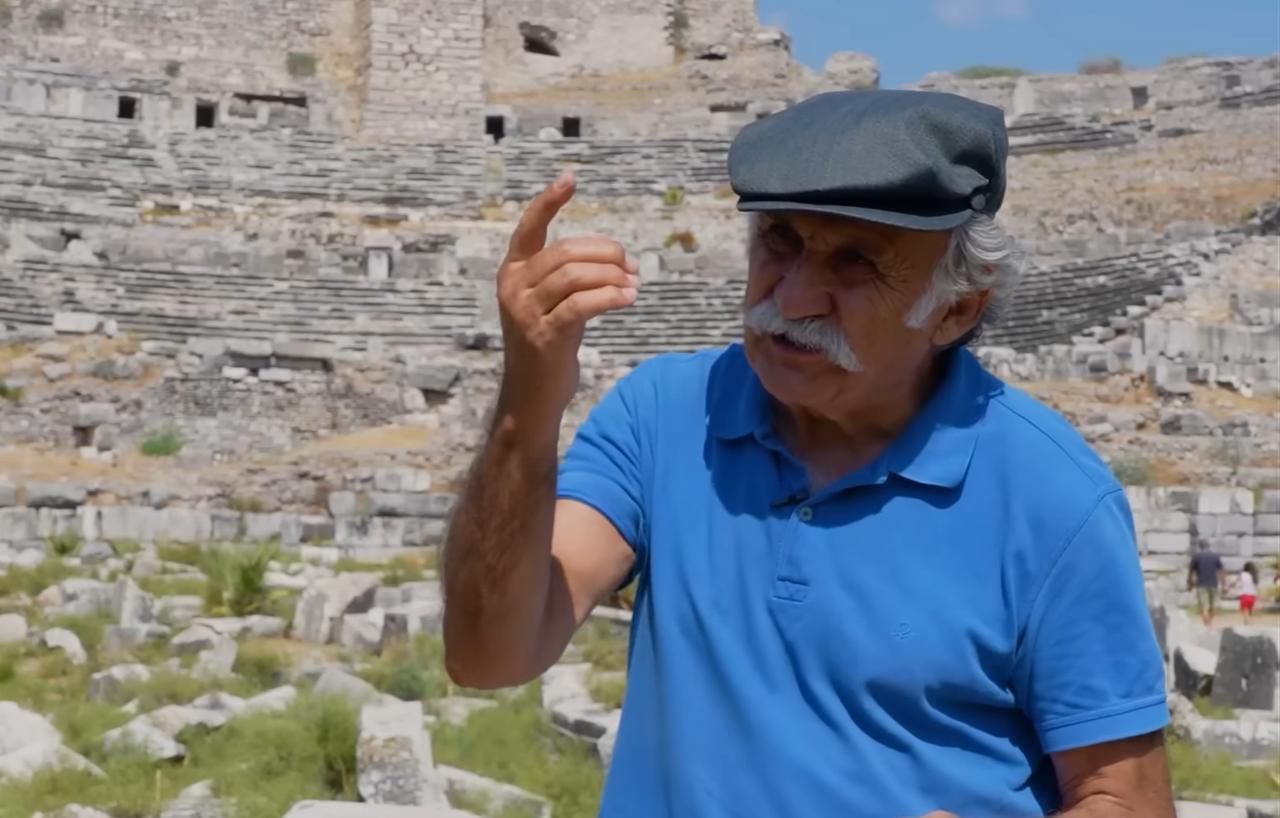

Isik argues that establishing an archaeology department does not necessarily mean building a sustainable academic institution, particularly when universities lack specialized researchers, comprehensive libraries and the resources needed for fieldwork.
He points to the early development of archaeology programs in Erzurum and Antalya, emphasizing that effective archaeological education depends on close interaction between professors and students, practical training at excavation sites, and opportunities for scholarly discussion.
Recalling his studies under prominent Turkish archaeologist Ekrem Akurgal at Ankara University's Faculty of Language, History and Geography, Isik describes how even relatively small increases in student numbers once raised concerns about the quality of archaeological training.
He also contrasts Türkiye's expanding university system with his experience in Germany, where archaeological education placed considerable importance on specialized research facilities, academic collaboration and access to extensive libraries.
Isik traces the beginnings of archaeology education at Ataturk University to 1973, when he arrived in Erzurum after completing his studies in Germany.
Working alongside fellow archaeologist Tomris Bakir and a growing group of scholars, he helped establish the department's academic infrastructure, including its library, research equipment and teaching programs.
The department began admitting students in the 1975-1976 academic year, becoming Türkiye's third archaeology department after those in Istanbul and Ankara.
Its early achievements included the successful recruitment and training of young archaeologists, although the departure of several founding academics between 1976 and 1980 weakened the original team.
Isik explains that the remaining scholars had to take on additional teaching responsibilities while attempting to preserve the department's academic foundations.
Despite these difficulties, the institution went on to train generations of archaeologists who subsequently contributed to university departments, museums and archaeological excavations across Türkiye.
According to figures provided by Isik, the department's academic legacy has helped support 20 universities and 15 scientific excavations, while its present academic staff includes five professors, five associate professors, three assistant professors and one research assistant.
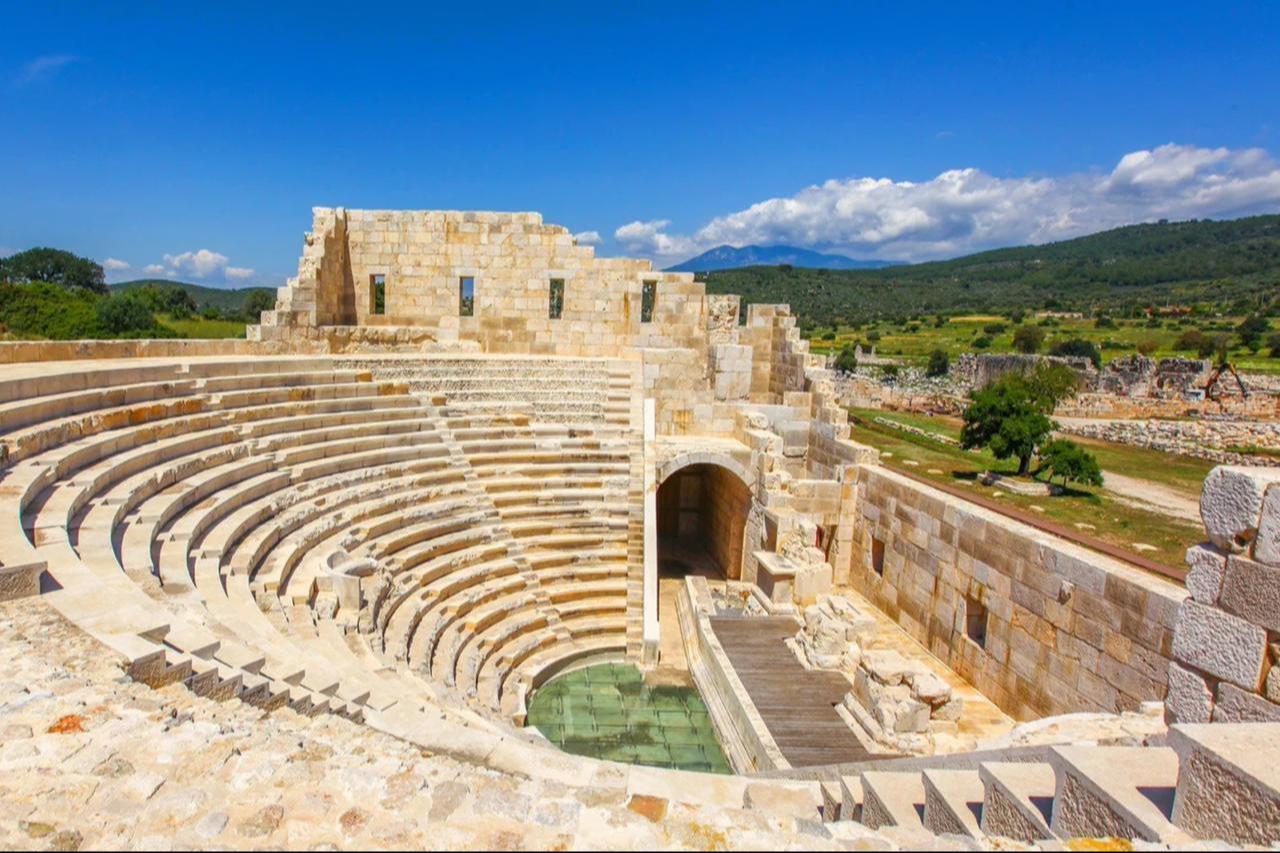
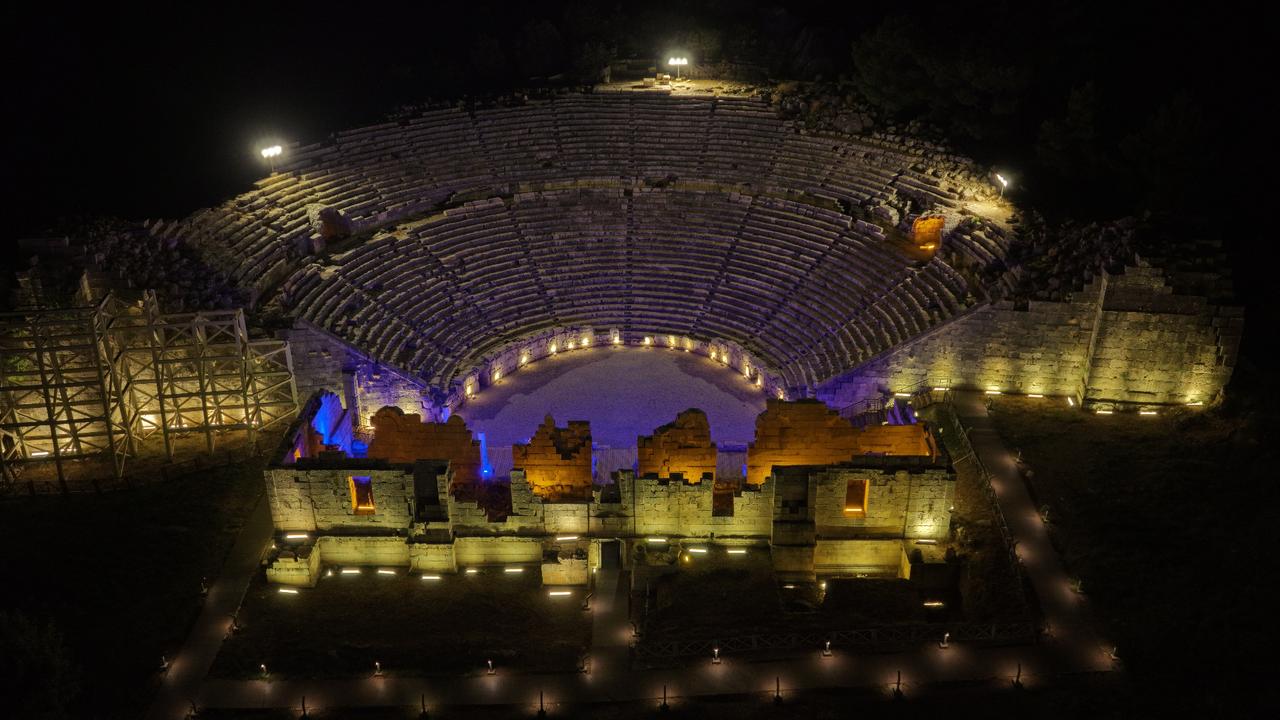
The article also recounts how concerns over unauthorized construction at Patara, an ancient city in Antalya province, influenced Isik's decision to leave Erzurum.
During a visit in 1989, he encountered construction activity within the protected archaeological area and became concerned about the long-term preservation of the ancient settlement.
Believing that stronger academic involvement was necessary to protect the site, Isik approached Akdeniz University about establishing an archaeology department closer to Patara.
The university subsequently opened its archaeology program, admitting 19 students in 1990, while Isik moved to Antalya later that year.
He credits the support of then-Rector Tuncer Karpuzoglu with helping strengthen both the department and archaeological work at Patara.
 1 min read
Beyond his personal experiences, Isik places the development of Turkish archaeology within the broader scientific and educational reforms introduced by Mustafa Kemal Ataturk, the founder of the Republic of Türkiye.
He highlighted Ataturk's efforts to send students abroad for specialist training, establish institutions such as the Turkish Historical Society and strengthen academic research into Anatolia's ancient civilizations.
Isik also argues for examining Anatolia's archaeological heritage as a connected historical landscape, rather than interpreting its cultures exclusively through traditional Greek-centered narratives.
Referring to the prehistoric Tas Tepeler archaeological region in southeastern Türkiye, he maintains that the country's exceptionally long cultural history creates a responsibility to preserve, research and document the heritage of the different peoples who lived there.
His central argument is that the future of Turkish archaeology depends not simply on expanding the number of university departments, but on developing institutions capable of carrying out independent research, encouraging critical debate and training successive generations of specialists.


 Set as preferred source
 Set as preferred source


 1 min read