Newsletters


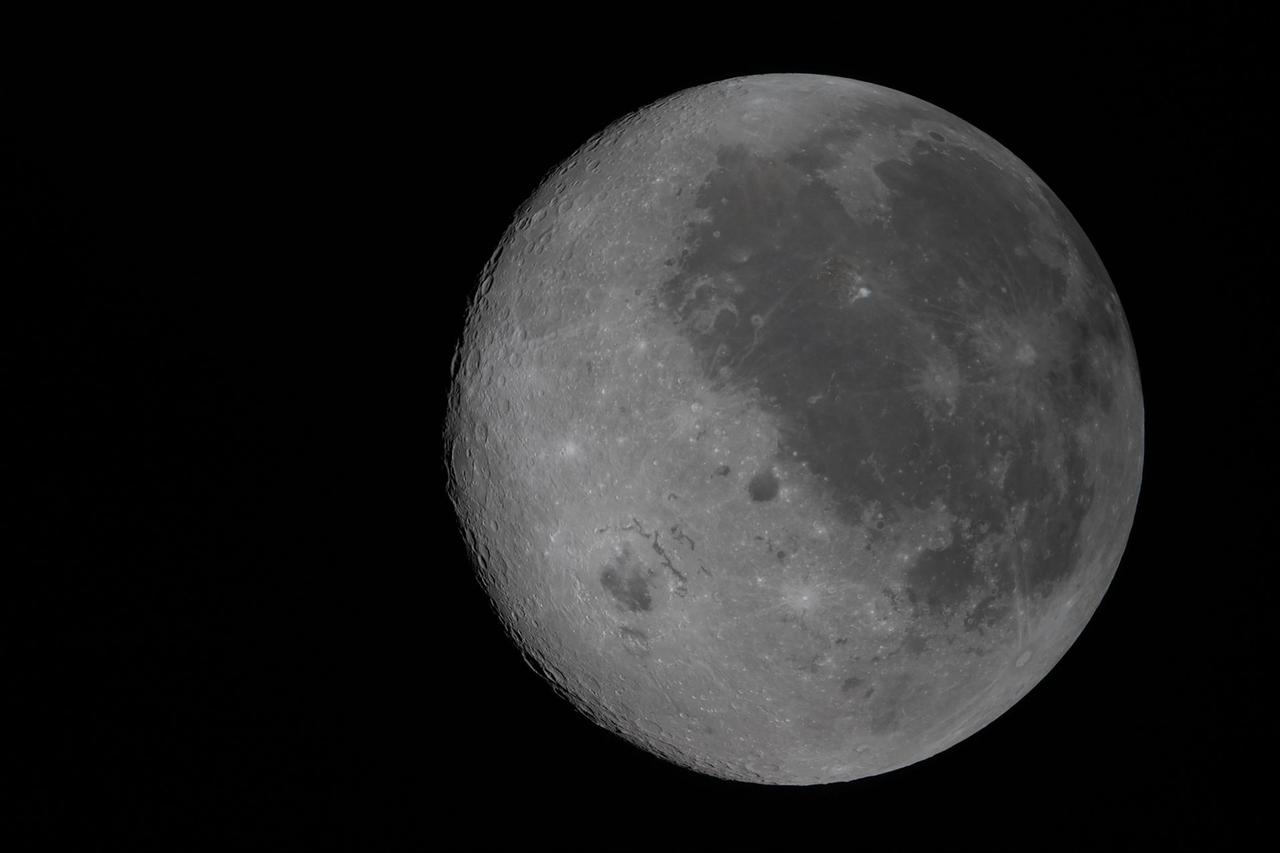


The four astronauts aboard NASA's Artemis II mission became the humans to travel furthest from Earth on Monday, breaking the distance record set by Apollo 13 in 1970 as they began a six-hour lunar observation phase during the mission's flyby of the Moon. NASA said the crew surpassed the previous record of 248,655 miles from Earth and was expected to reach about 252,760 miles at the furthest point of the journey.
The Artemis II crew - Reid Wiseman, Victor Glover, Christina Koch and Jeremy Hansen - passed beyond the Apollo 13 record during the mission around the Moon, marking the first crewed lunar flyby in more than 50 years. The Orion capsule is traveling on a free-return trajectory that will carry the astronauts around the Moon and back to Earth.
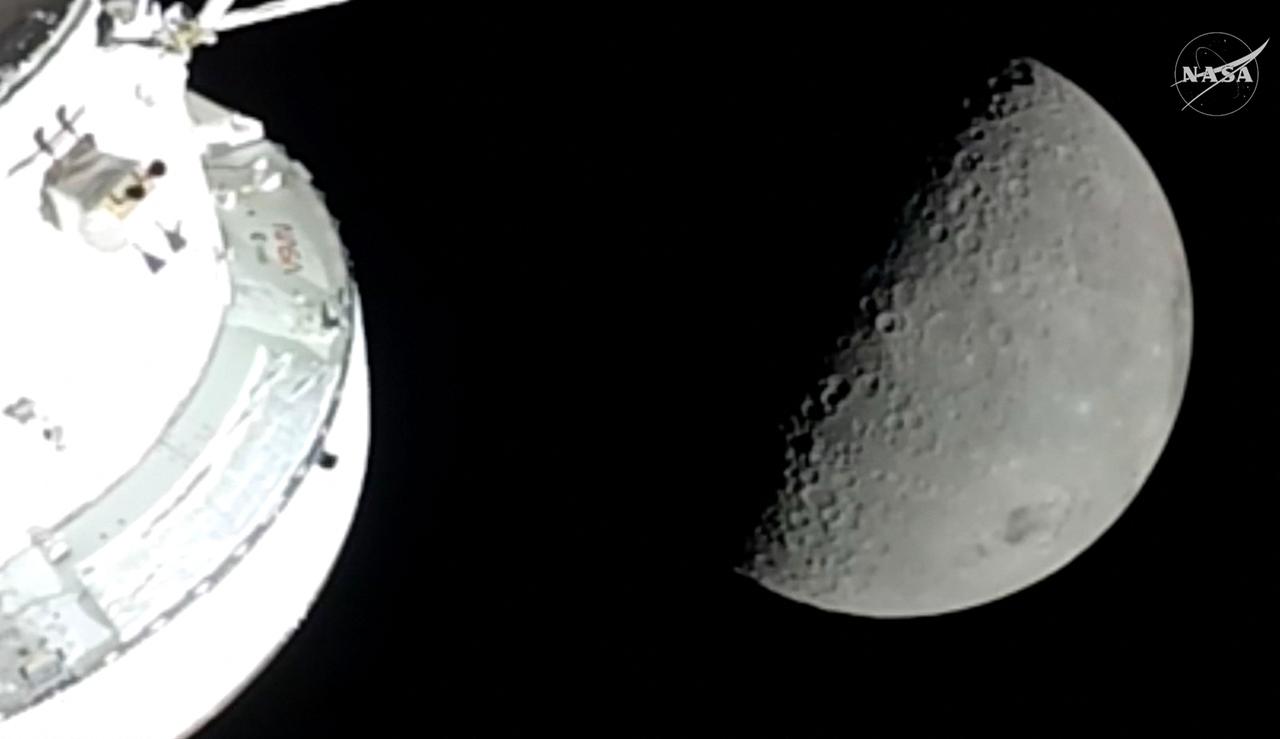

NASA said the record was broken Monday as Artemis II moved farther from Earth than any human mission before it. The new mission was expected to surpass the Apollo 13 mark by more than 4,100 miles at its peak distance from Earth.
Mission control in Houston marked the milestone as one of the voyage's most notable achievements. During the flyby, the crew began observing and documenting the lunar surface, bringing direct human description to features of the Moon that are usually studied through robotic imagery.
Astronaut Jeremy Hansen said the moment should challenge both the current generation and the next, expressing hope that the record would not stand for long.
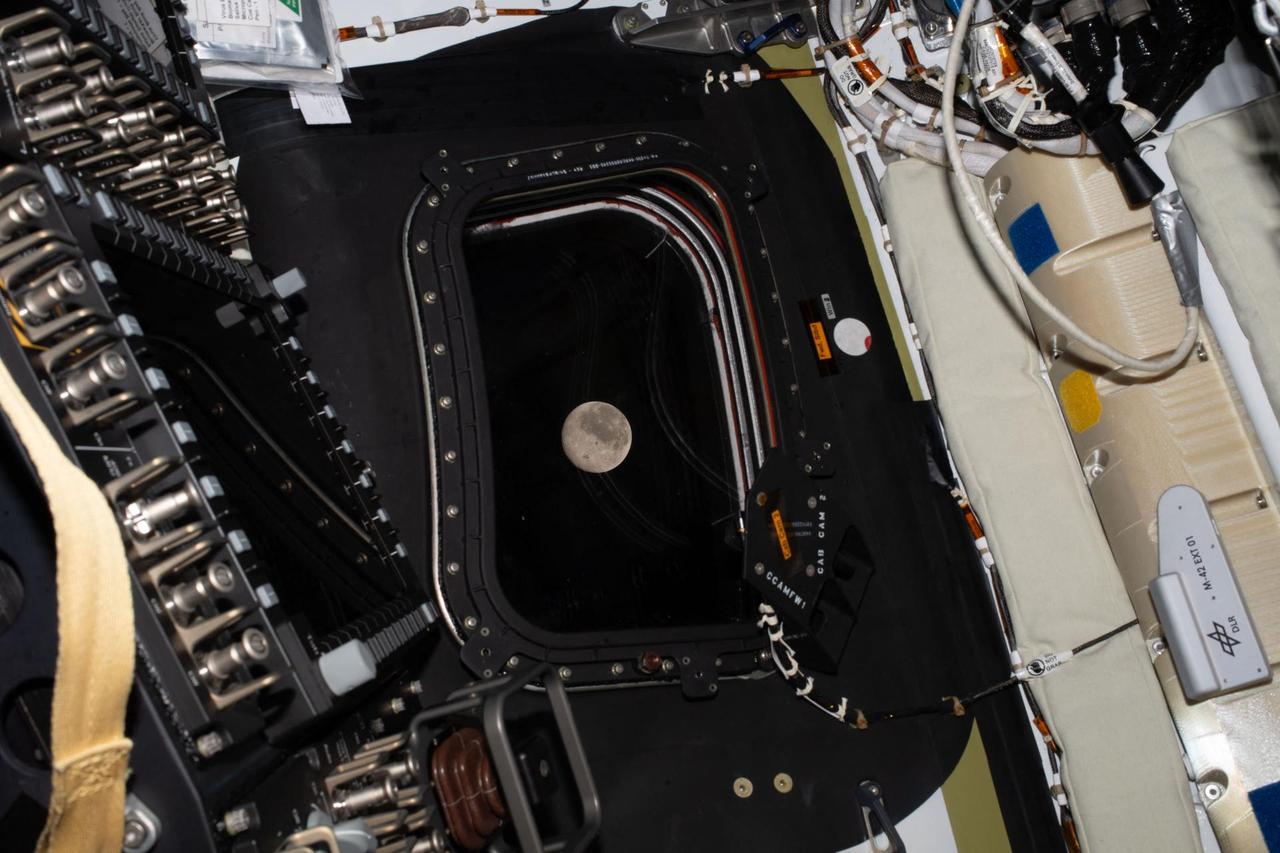
The lunar observation period was scheduled to continue for more than six hours as the crew described features of the Moon from orbit.
Victor Glover spoke about the Moon's "terminator," the boundary between night and day, calling it the most rugged he had seen from a lighting perspective. Mission lead scientist Kelsey Young responded by saying those kinds of observations are uniquely human contributions.
Christina Koch also described lunar craters, comparing them to a lampshade with tiny pinprick holes and light shining through, saying they appeared especially bright against the rest of the Moon.
The flyby also included an expected communications loss of about 40 minutes as Orion moved behind the Moon, temporarily cutting off contact with mission control in Houston. Near the end of the flyby, the astronauts were also expected to witness a solar eclipse, with the Sun positioned behind the Moon.
Shortly after breaking the distance record, the astronauts proposed names for two previously unnamed craters. One was suggested in honor of the Orion spacecraft's nickname, "Integrity." The other, "Carroll," was proposed for commander Reid Wiseman's late wife, who died of cancer.
NASA said it would formally submit the names to the International Astronomical Union, which is responsible for naming celestial bodies and surface features.
The moment carried visible emotion during the mission, with the crew embracing as the proposal was made and mission control in Houston observing a moment of silence.
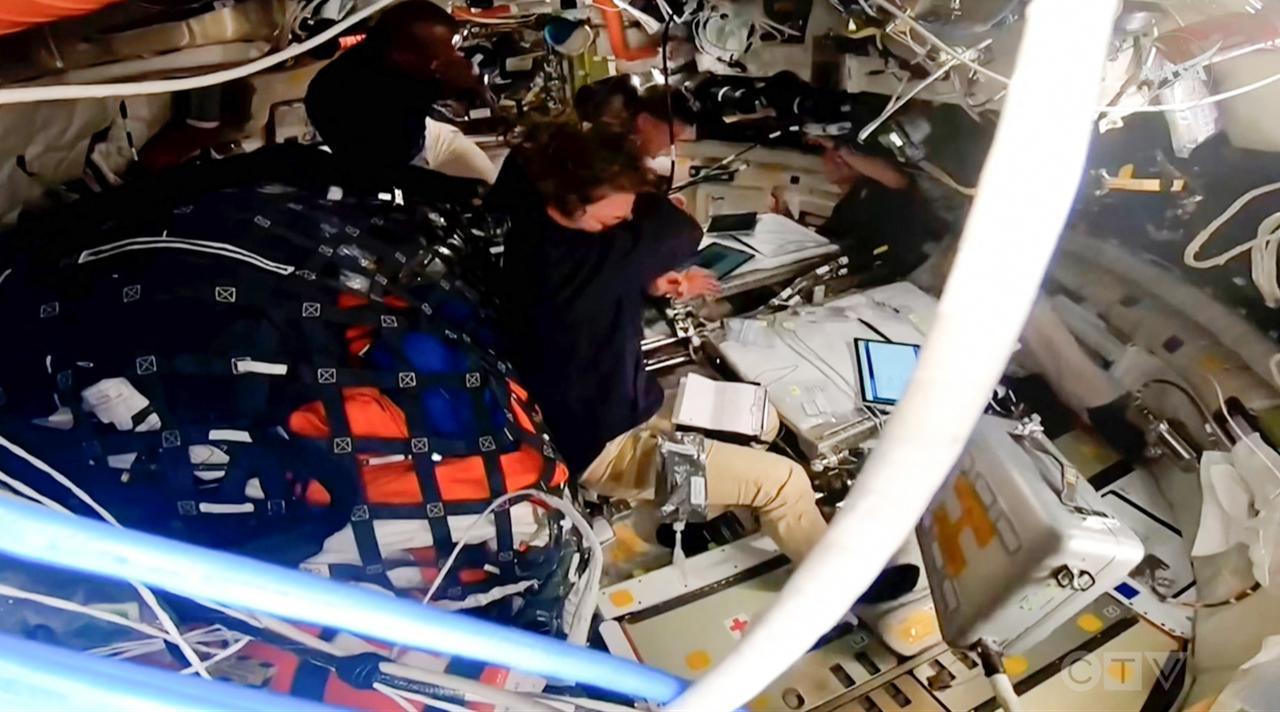
The Artemis II mission is NASA's first crewed return to the Moon's vicinity since the Apollo era and serves as a test flight for the agency's broader Artemis program.
The crew includes several historic firsts: Glover is the first person of color to fly around the Moon, Koch is the first woman, and Hansen is the first non-American to do so.
The mission is scheduled to return to Earth later this week with a Pacific Ocean splashdown after completing the free-return path around the Moon.


 Set as preferred source
 Set as preferred source


 1 min read

 1 min read