Newsletters


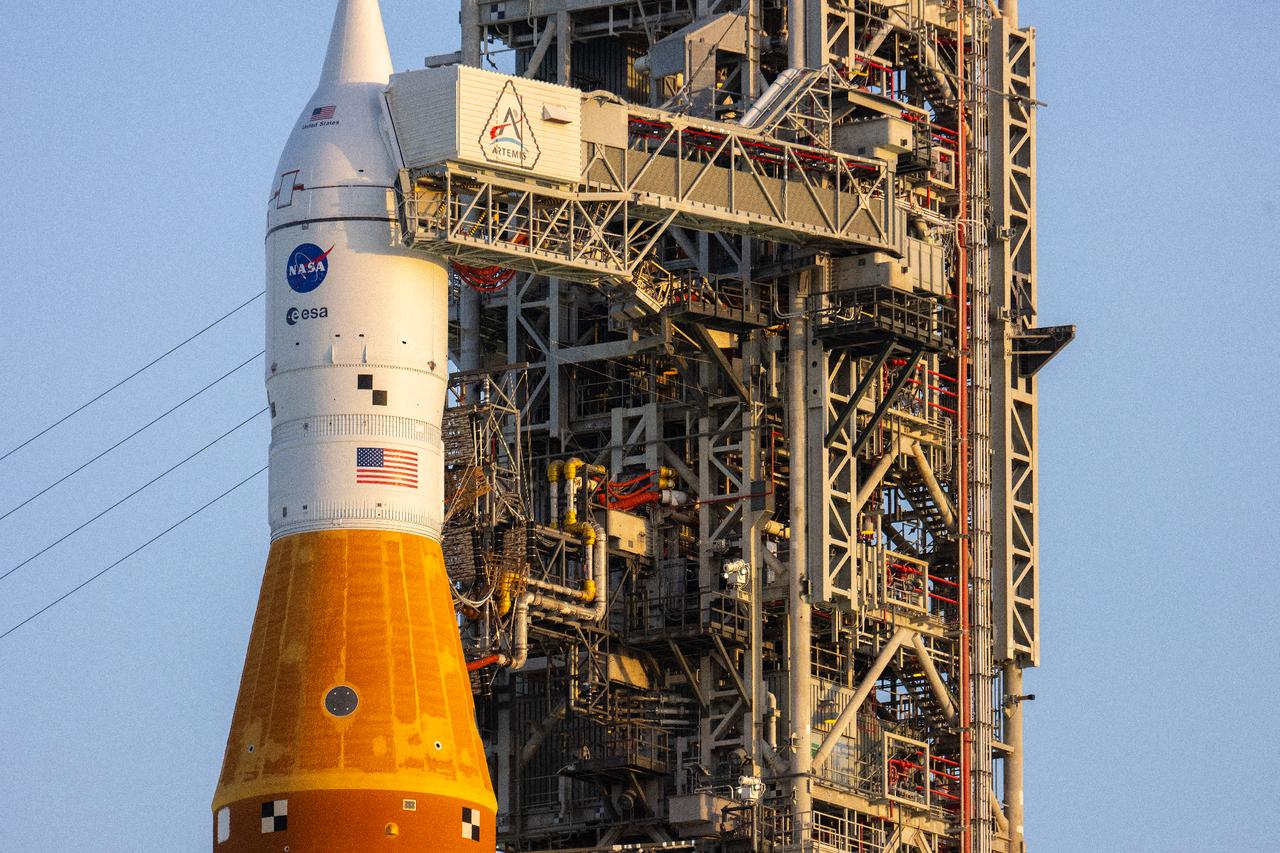


Today marks a monumental milestone in space exploration.
For the first time in over 50 years, humanity is heading back toward the lunar frontier. NASA’s Artemis II mission is set to launch today, April 1, 2026, sending a crew of four astronauts on a 10-day journey around the Moon.
As anticipation builds globally, here is everything you need to know about this historic event, its significance, and how to watch it unfold.
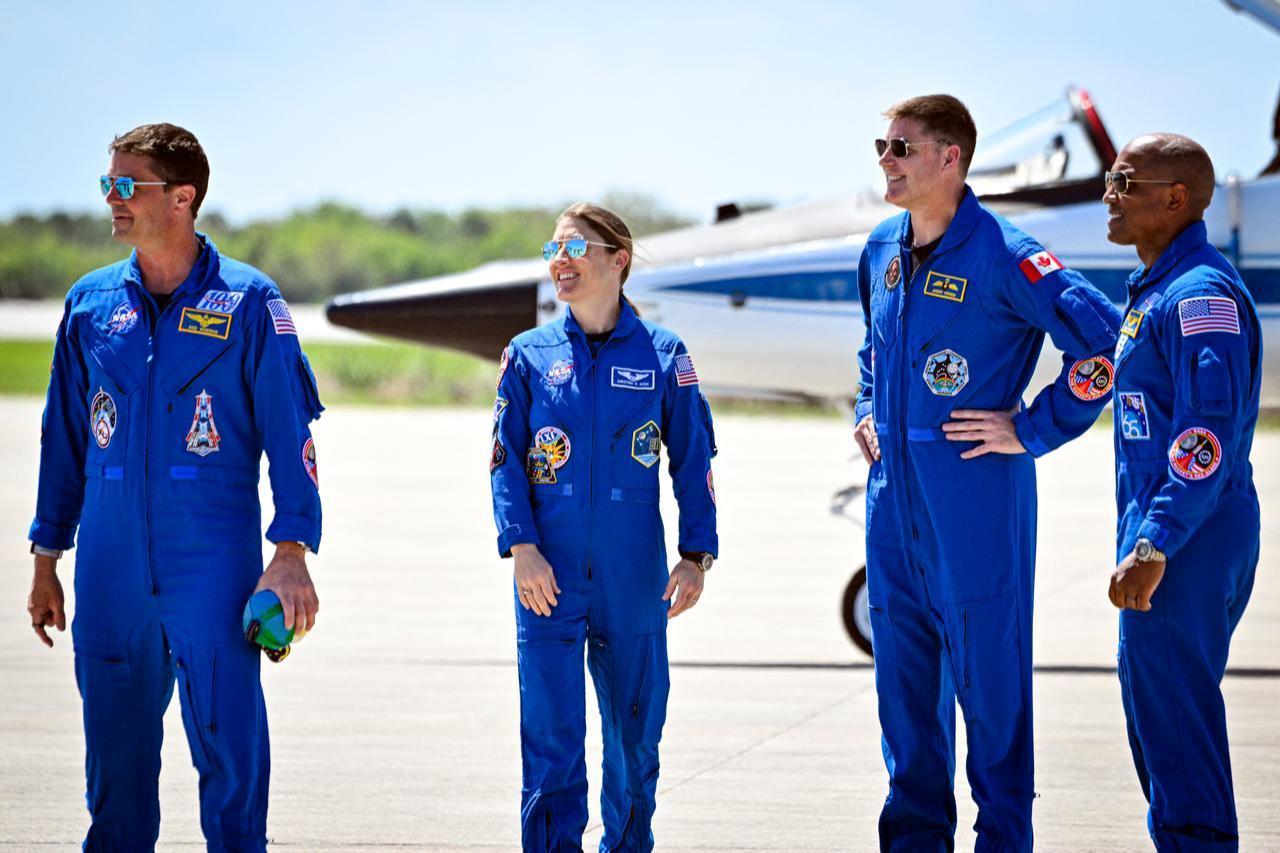

Artemis II is the first crewed mission to leave low Earth orbit since the Apollo 17 mission in December 1972.
While this specific flight will not land on the lunar surface, it serves as a critical stepping stone for the future of deep-space exploration.
The primary goal of Artemis II is to test the capabilities of NASA’s Space Launch System (SLS), the most powerful rocket ever built, and to validate the life-support, communication, and navigation systems of the Orion spacecraft.
By proving that Orion can safely sustain human life in deep space, this mission paves the way for Artemis III, which aims to return humans to the lunar surface later this decade.
Furthermore, the mission represents a new era of inclusivity and international cooperation in space.
The crew will break several historical barriers, featuring the first woman, the first person of color, and the first non-American to venture into deep space.
The spacecraft will launch from Launch Complex 39B at the Kennedy Space Center in Florida.
The launch window opens at 6:24 p.m. EDT today, which translates to 1:24 a.m. on April 2 for viewers in Türkiye.
However, space launches are famously complex.
To account for potential issues with weather or technical "glitches," NASA has established a six-day primary launch window running from April 1 through April 6.
If a delay occurs today, the team has backup opportunities every 24 hours through next Monday. Should the mission miss this entire week, the next available window would not open until April 30.
The four astronauts leading this historic 10-day flight are:
During their journey, the crew will fly on a "free-return" trajectory. They will orbit Earth to ensure all systems are functional before firing the engines to head toward the Moon.
The Orion capsule is expected to travel roughly 4,600 miles beyond the far side of the Moon, farther than any human has ever traveled into space, before using lunar gravity to slingshot back for a splashdown in the Pacific Ocean around April 10.
The journey to today's launch has been years in the making, building upon the success of the uncrewed Artemis I test flight in 2022.
Over the past few weeks, the crew has been in strict quarantine at the Kennedy Space Center to ensure their health and readiness.
As of today, the countdown clock is officially ticking. Launch teams have completed critical checks on the rocket’s engines and onboard systems.
Engineers are currently managing the precise, hours-long fueling sequence required to load hundreds of thousands of gallons of super-cooled liquid hydrogen and liquid oxygen into the SLS rocket.
Weather conditions look highly promising, with meteorologists forecasting an 80% chance of favorable weather at liftoff.
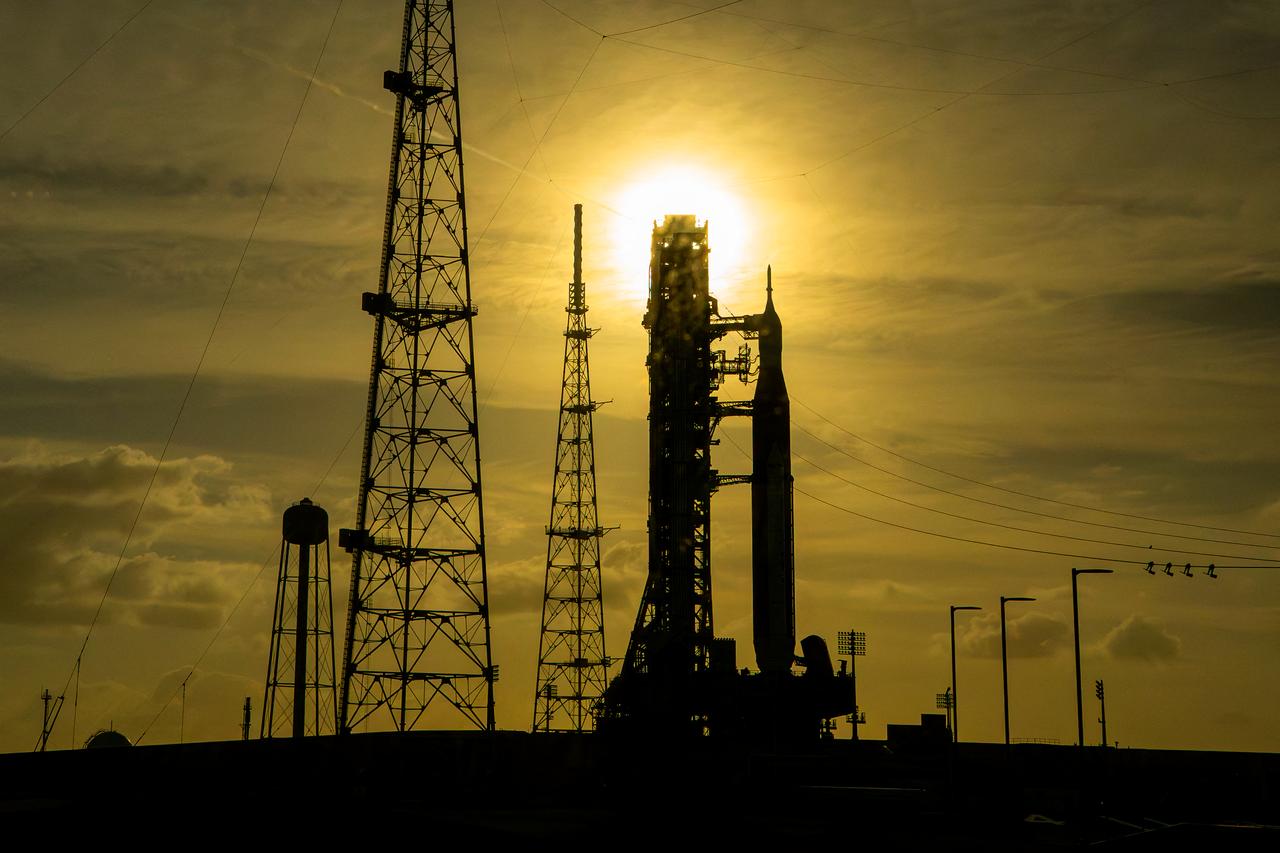
For those wanting to witness history, live coverage is readily available and easily accessible online.
Fifty years is a long time to keep the Moon waiting, but today four people might finally leave Earth behind to see if we still have what it takes to reach into the dark.


 Set as preferred source
 Set as preferred source



 4 min read