Newsletters


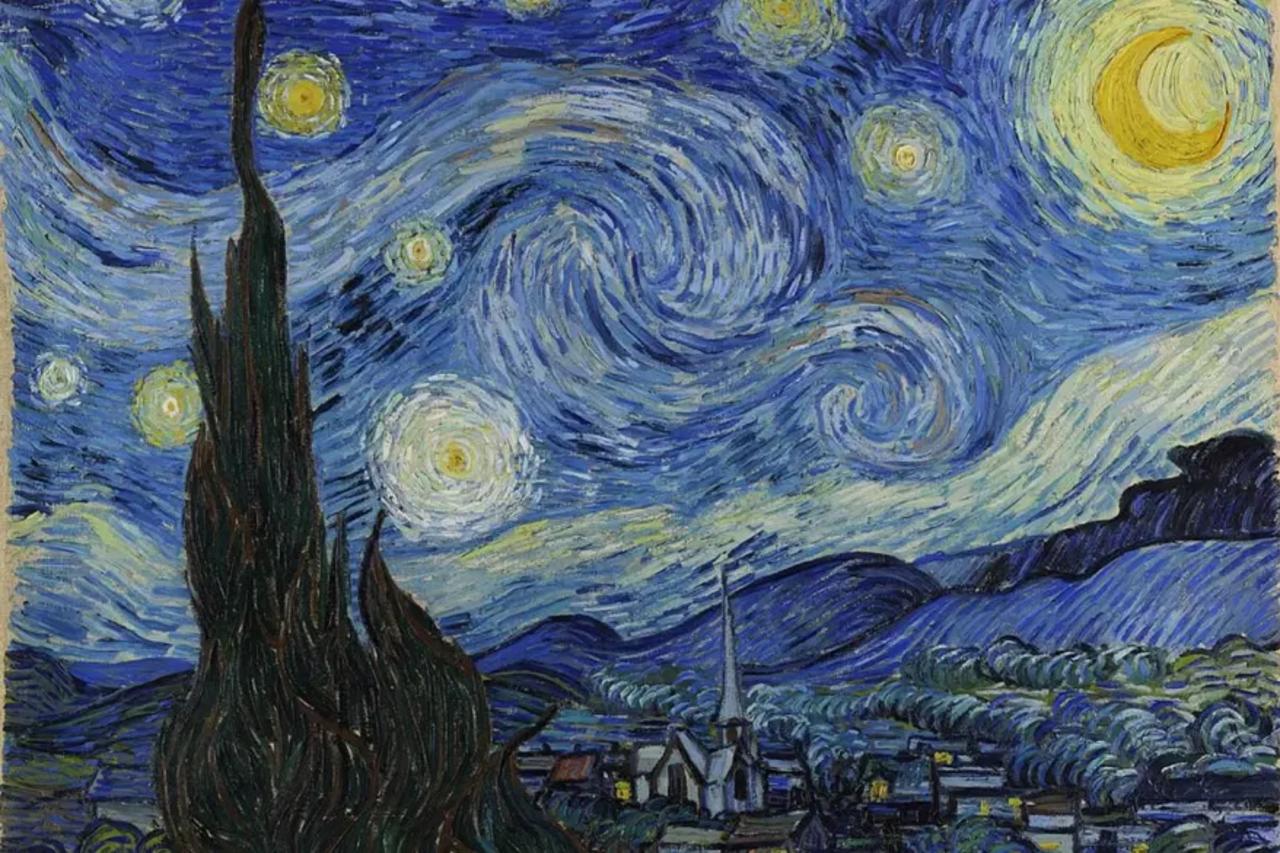


A team of astronomers says it has identified the exact night sky that inspired Vincent van Gogh’s "The Starry Night," placing the painting’s inspiration in July 1889, about a month later than art historians have long assumed.
The Van Gogh Museum in Amsterdam is not persuaded, and even an outside scientist who praised the work called the date a hypothesis, not a settled fact.
Art historians have long placed the painting in June 1889, when Van Gogh was recovering from mental health crises at an asylum in Saint-Remy-de-Provence, in southern France.
The dating rests largely on his letters. In early June, he wrote to his brother Theo that he had watched the countryside from his window long before sunrise, with only a very large-looking morning star in view.
By mid-June, he told Theo he had finished a new study of a starry sky.
In a study published in the journal Scientific Reports, researchers from South Korea argue that the painting reflects the sky on July 22, 1889.
Lead author Elijah Jeong-hyun Kim, who runs a Seoul telescope company and is a doctoral candidate in astronomy at Kyung Hee University, said he is confident in the date. "I will bet on this date," he told The Associated Press.
His theory assumes Van Gogh based the painting on the real sky rather than inventing the stars.
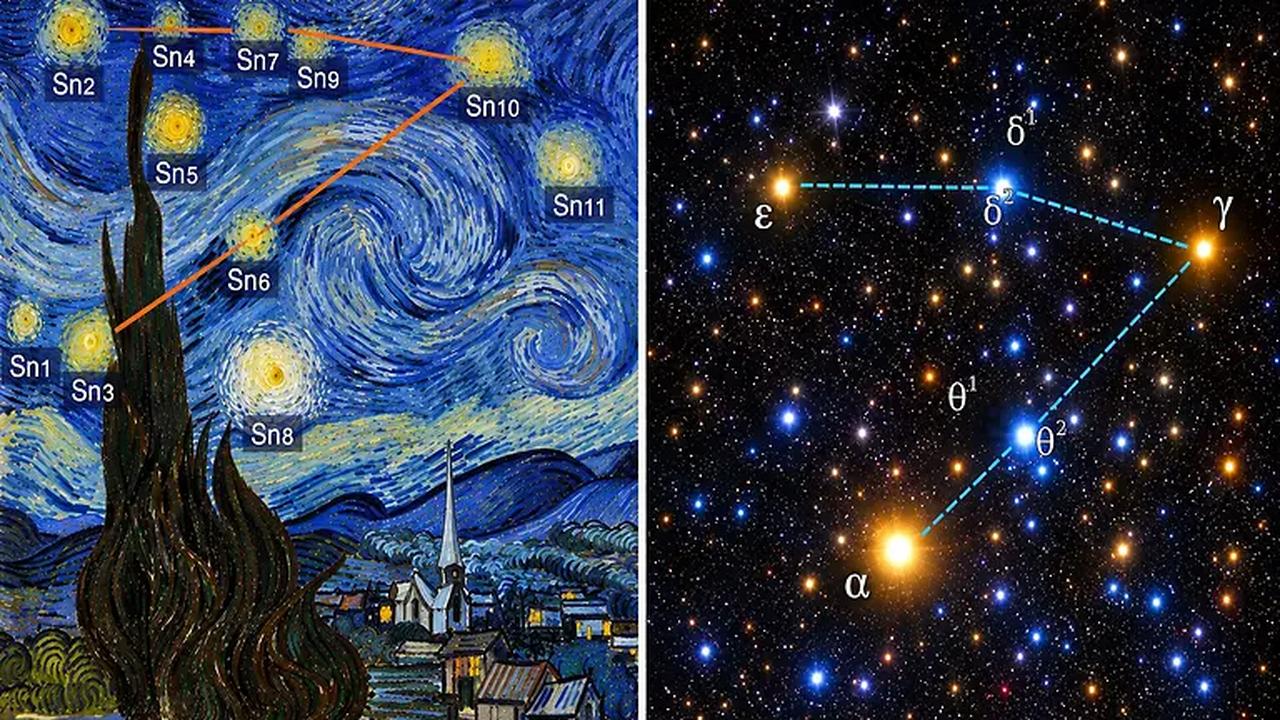

The team used astronomy software to recreate the night sky for every night in June and July 1889.
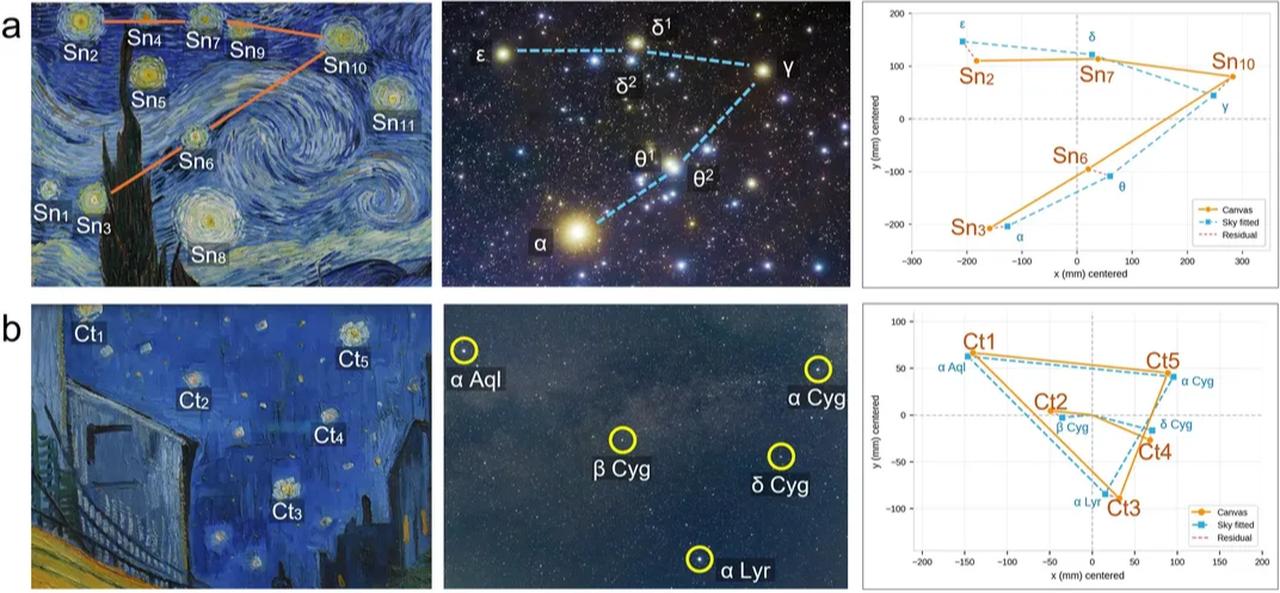
They then compared the geometric arrangement of the painting’s main celestial features, the stars, the crescent moon, and Venus. The researchers deliberately left out size and color, which Van Gogh may have exaggerated.
The best match for the stars in the painting was the Hyades, a V-shaped cluster in the constellation Taurus, which challenges earlier studies that pointed to Aries.
Kim said the stars of Aries are too faint at dawn to have inspired a painter.
The team found that July 22 satisfied every condition it examined: a crescent moon sat above Venus, the Hyades fit within the frame, and a weather analysis indicated skies clear enough to see the stars.
Based on this, Kim suggested that Van Gogh may have conceived the idea in June and finished the painting after July 22.
The Van Gogh Museum says the painting’s star positions cannot reliably date it, since Van Gogh was not concerned with exact likenesses.
It also notes that a serious breakdown around July 22 left him unable to paint for about a month.
Physicist Jose Luis Aragon, who was not involved in the study, called the July date an intriguing hypothesis but said the study’s strongest point is that Van Gogh closely observed the real sky.


 Set as preferred source
 Set as preferred source




 2 min read