Newsletters


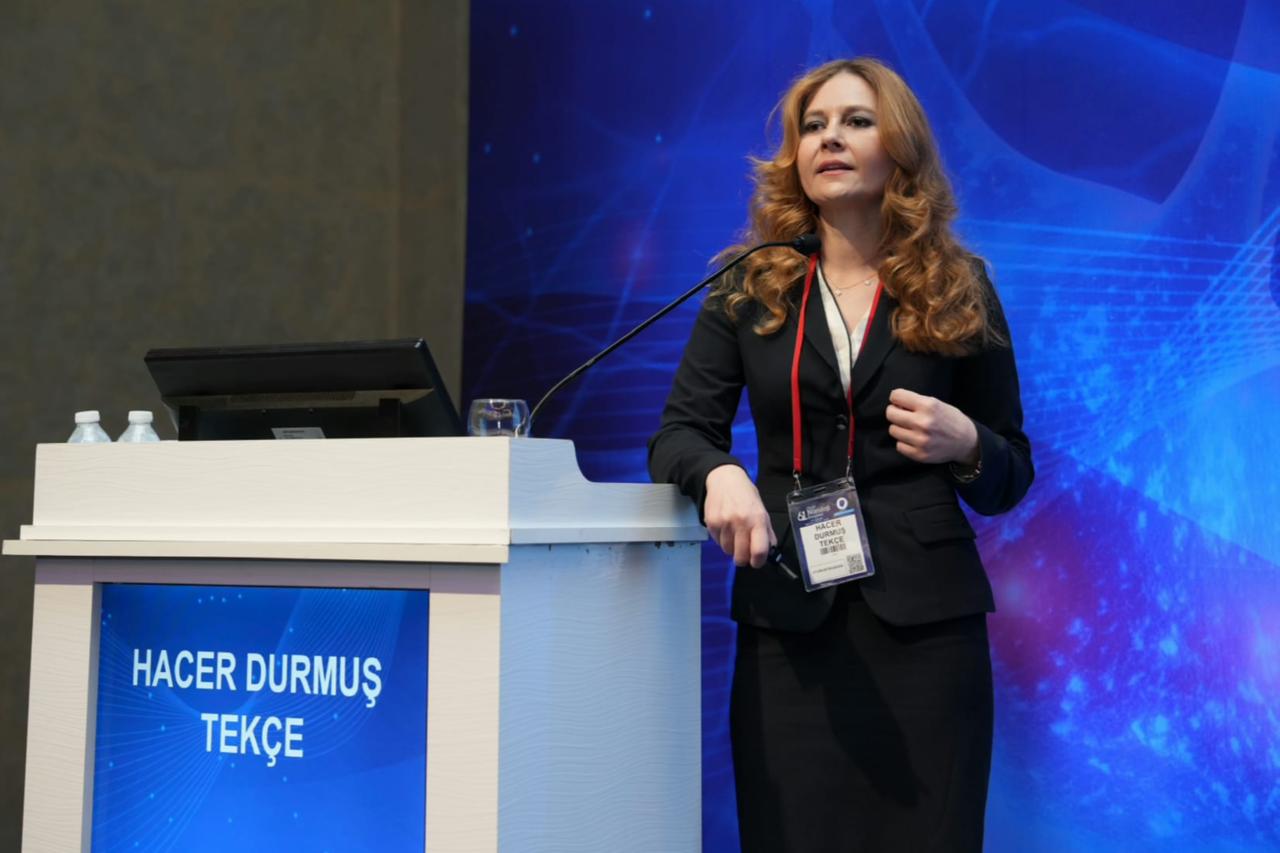


On Rare Disease Day (Feb. 28), experts highlighted that more than 5 million people in Türkiye live with rare, often undiagnosed conditions that can take years to identify.
Professor Dr. Hacer Durmus Tekce of the Turkish Neurology Society emphasized the urgent need for awareness, early diagnosis, and better support for patients and families.
Rare diseases are mostly genetic, chronic, and severe conditions, affecting over 300 million people worldwide. According to European Union criteria, a disease affecting one in every 2,000 people is considered rare. Based on this definition, more than 5 million people in Türkiye are believed to be affected by rare diseases.
Professor Dr. Tekce explained to Anadolu Agency that 80% of rare diseases have a genetic origin, with over 8,000 rare diseases identified globally.
She emphasized the diagnostic challenges of these conditions, noting that it can take 5–8 years from the onset of symptoms to a formal diagnosis for some patients.


Highlighting the impact of consanguineous marriages in Türkiye, Tekce noted that childhood metabolic disorders occur 3–5 times more frequently than in Europe. She praised recent national screening programs for conditions such as spinal muscular atrophy (SMA), while stressing that more improvements are still possible.
Living with a rare disease is extremely difficult for both patients and families, Tekce added, as most rare diseases have no treatment or limited access to therapy, imposing a significant social and economic burden on patients and caregivers.
She also stressed the importance of global collaboration in rare disease research and awareness. “We need to act together with the world,” Tekce said.
She also stressed the importance of global collaboration in rare disease research and awareness. “We need to act together with the world,” Tekce said, announcing that this year Galata Tower will be illuminated in the colors representing rare diseases to raise public awareness.


 Set as preferred source
 Set as preferred source



 3 min read