Newsletters


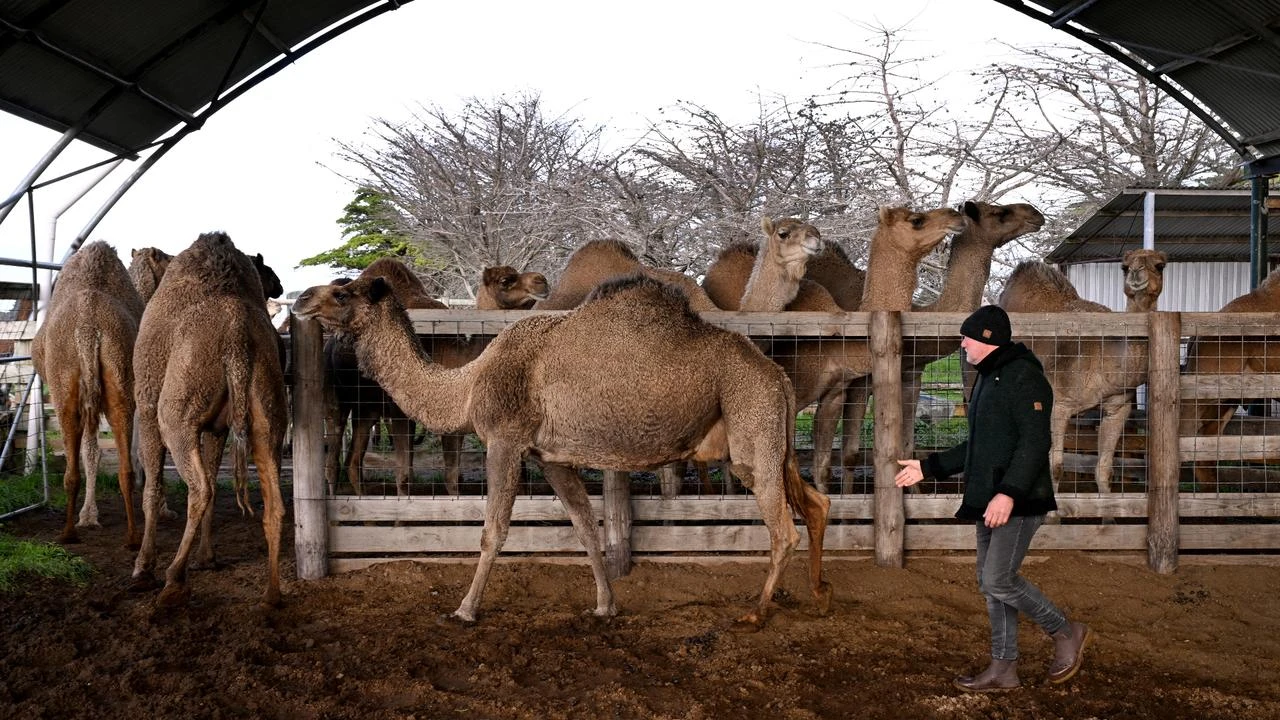
Hundreds of thousands of camels now roam the outback of Australia, descendants of animals imported by British colonists in the 19th century to serve as transport across the arid interior.
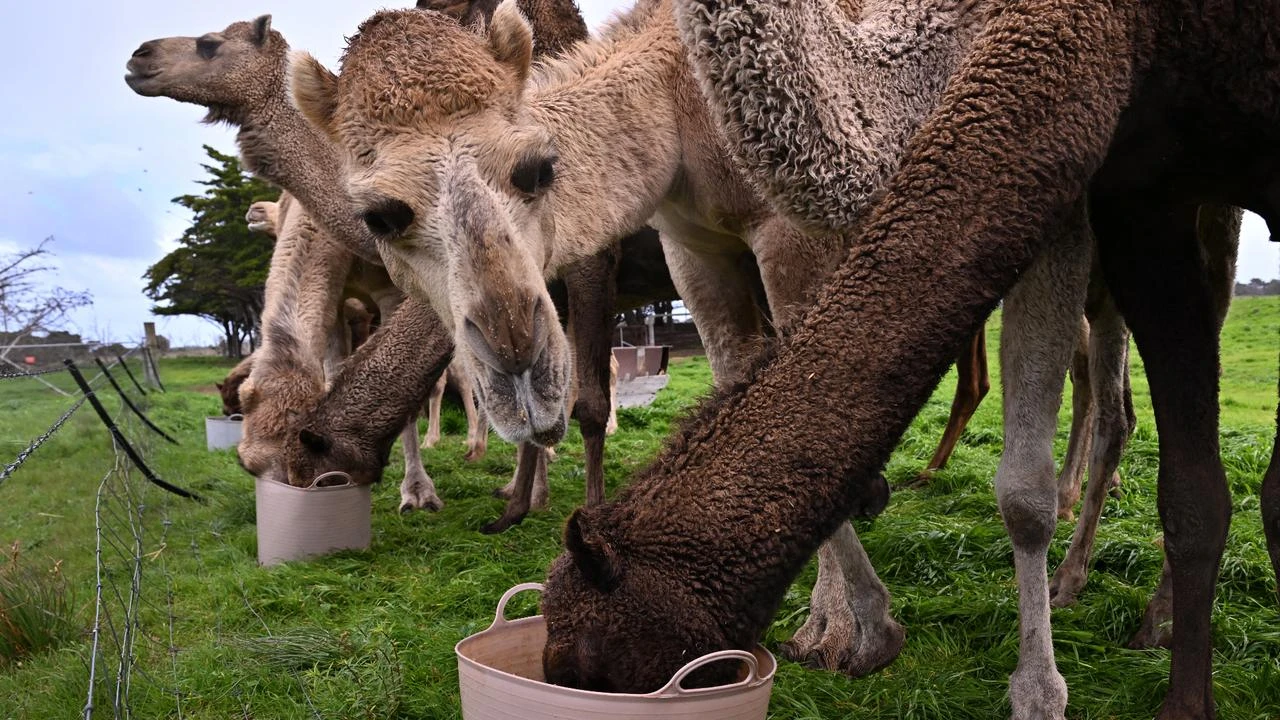
Once cars made them redundant, the camels were released into the wild, and their population has since grown to an estimated 300,000 to a million across the country.
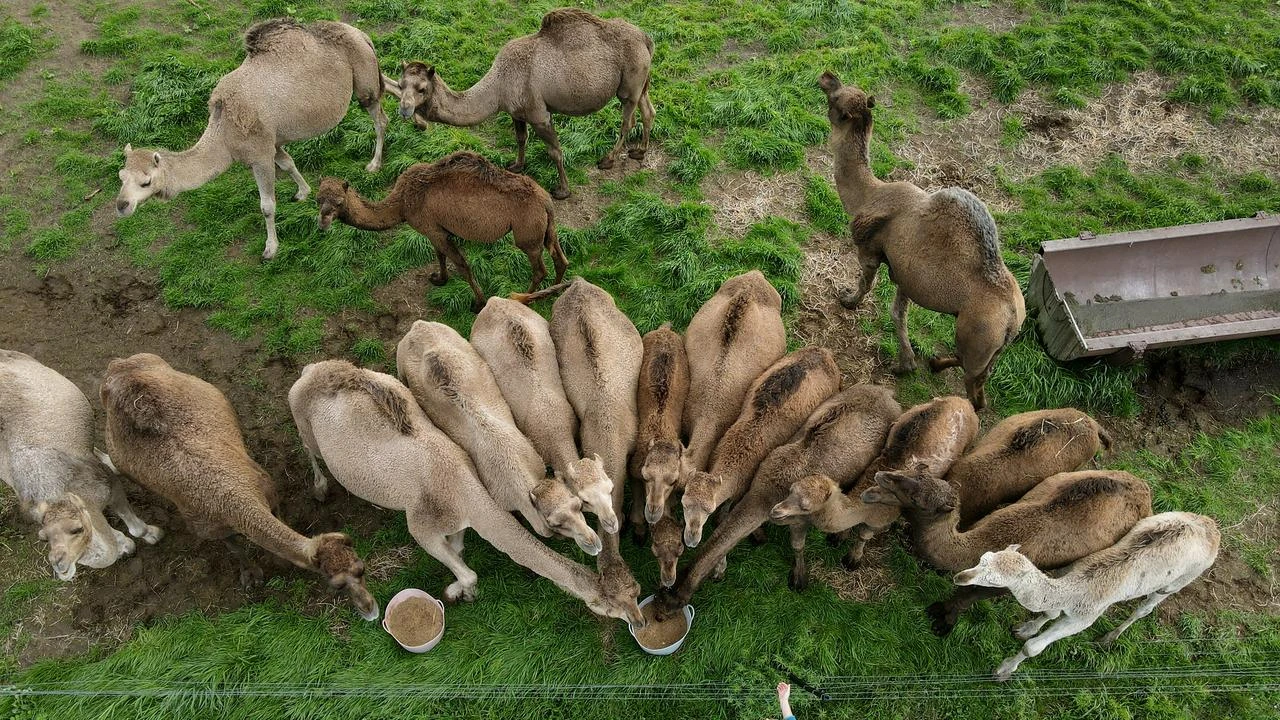
Many of these feral camels cause significant problems for local communities, competing with livestock for food, destroying fences, fouling waterholes and damaging sites of Indigenous cultural significance.
Despite the challenges posed by feral herds, camels have also become a modest export commodity, with Australian farmers shipping animals whole to countries such as Malaysia and Indonesia, including 68 camels exported so far in 2026.
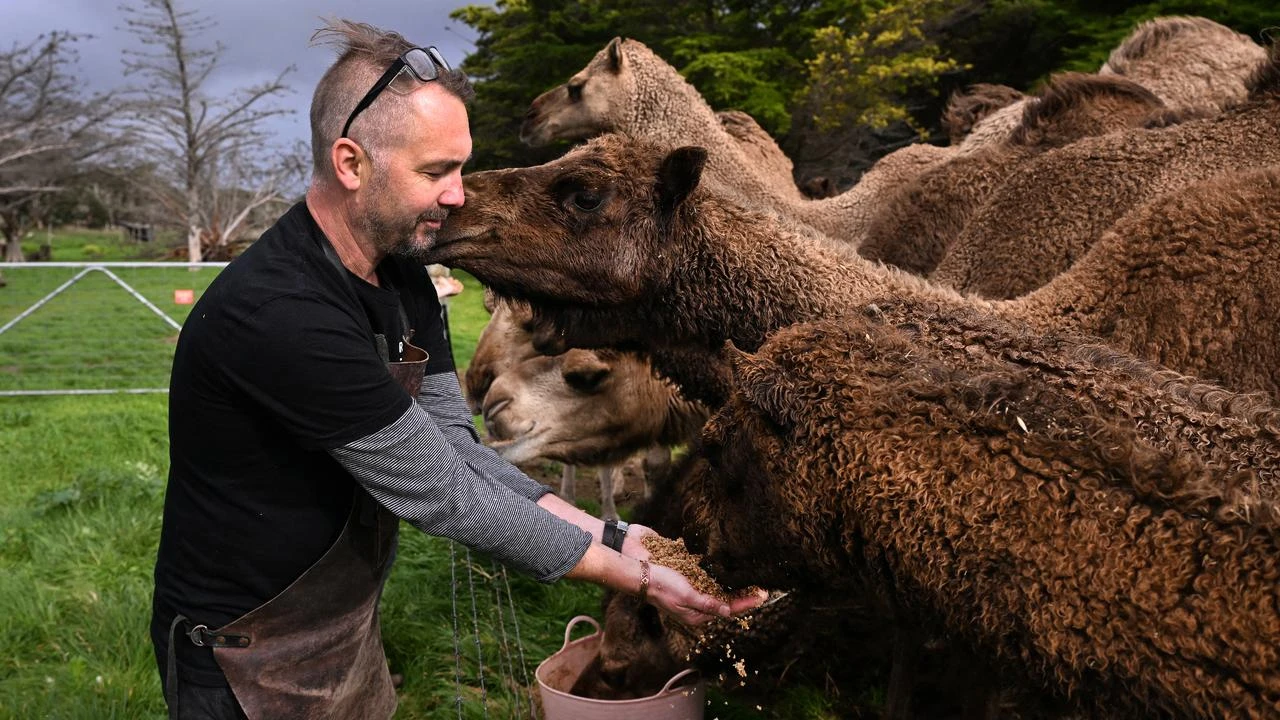
Camel meat exports brought in more than $3.9 million in 2024, according to trade data, reflecting a small but steady international demand for the animal.
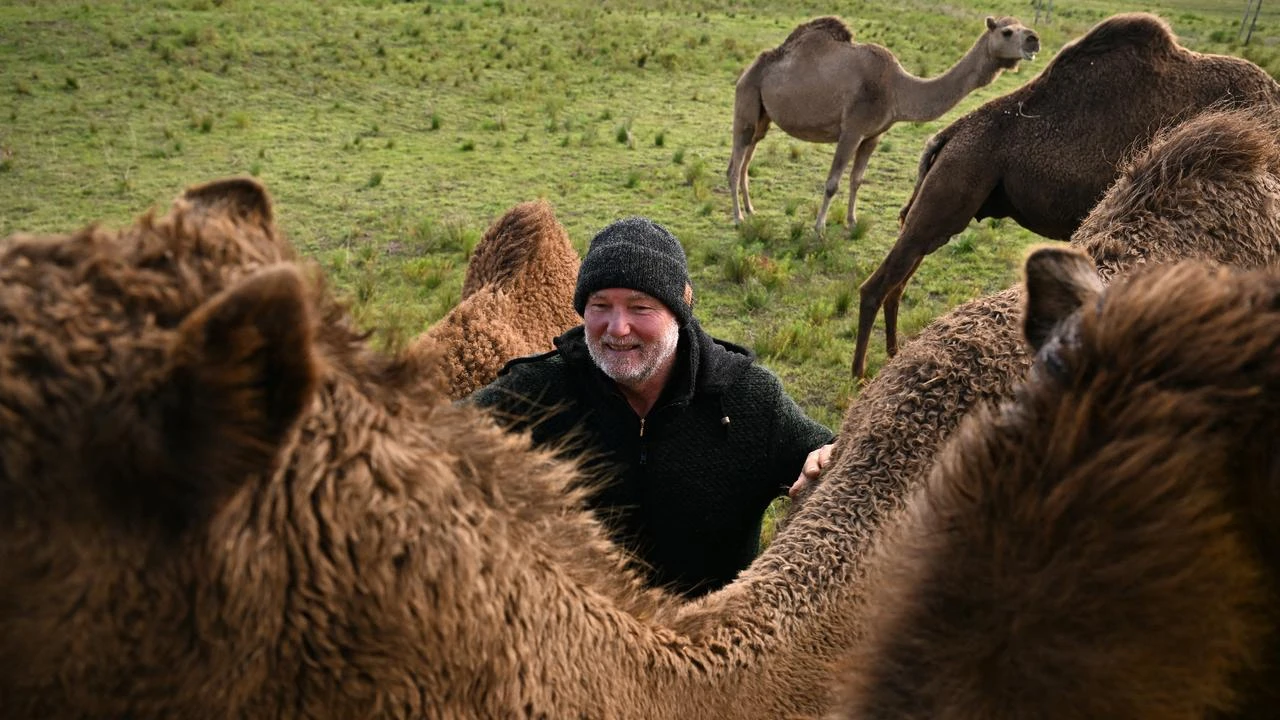
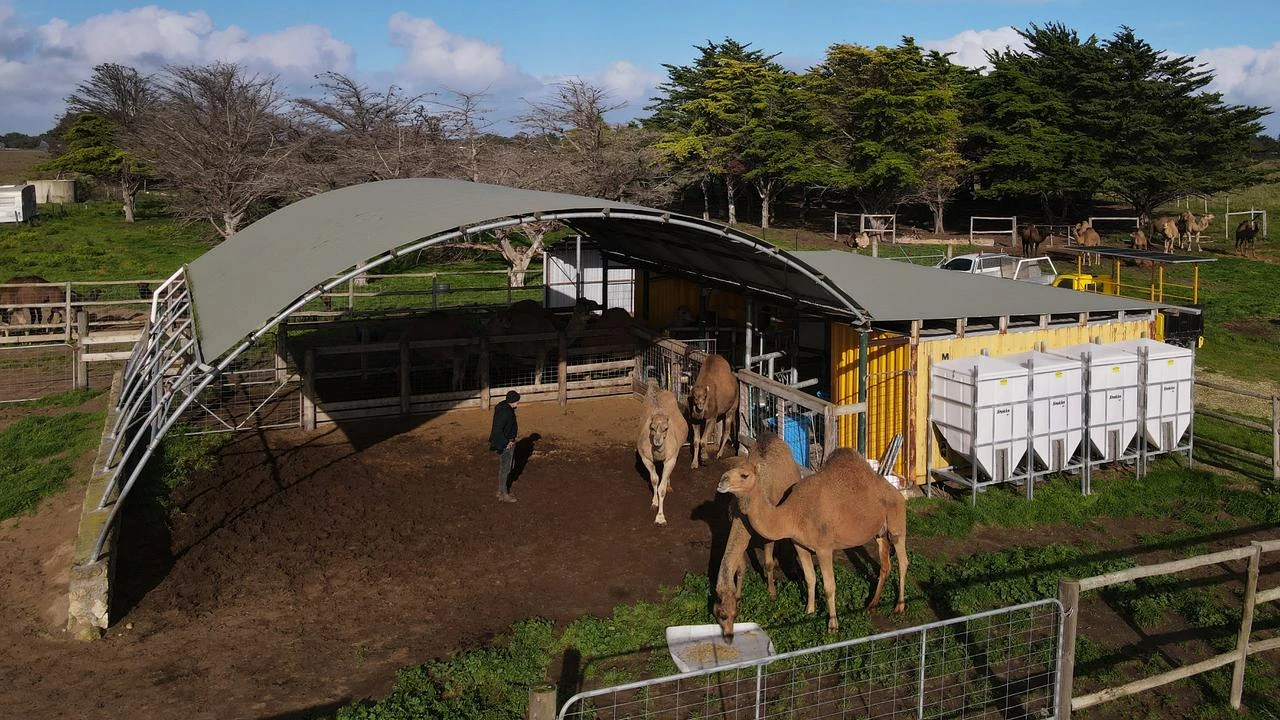
At the Humpalicious farm in the South Australian town of Robe, former sea captain Warwick Hill raises camels he describes as easygoing and simple to domesticate, so long as they are treated with kindness.
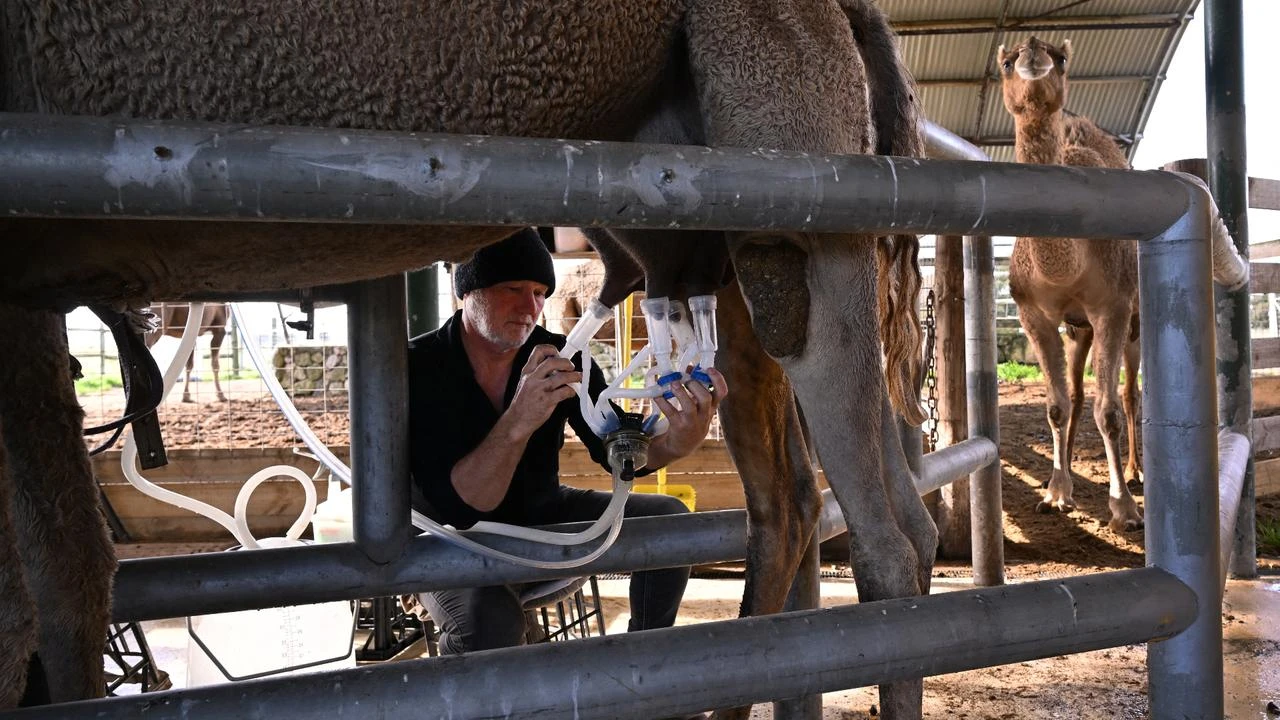
Hill sells camel milk for around 20 Australian dollars ($13) a liter, promoting it as a close match to human milk and a healthier alternative for people with allergies to conventional dairy.
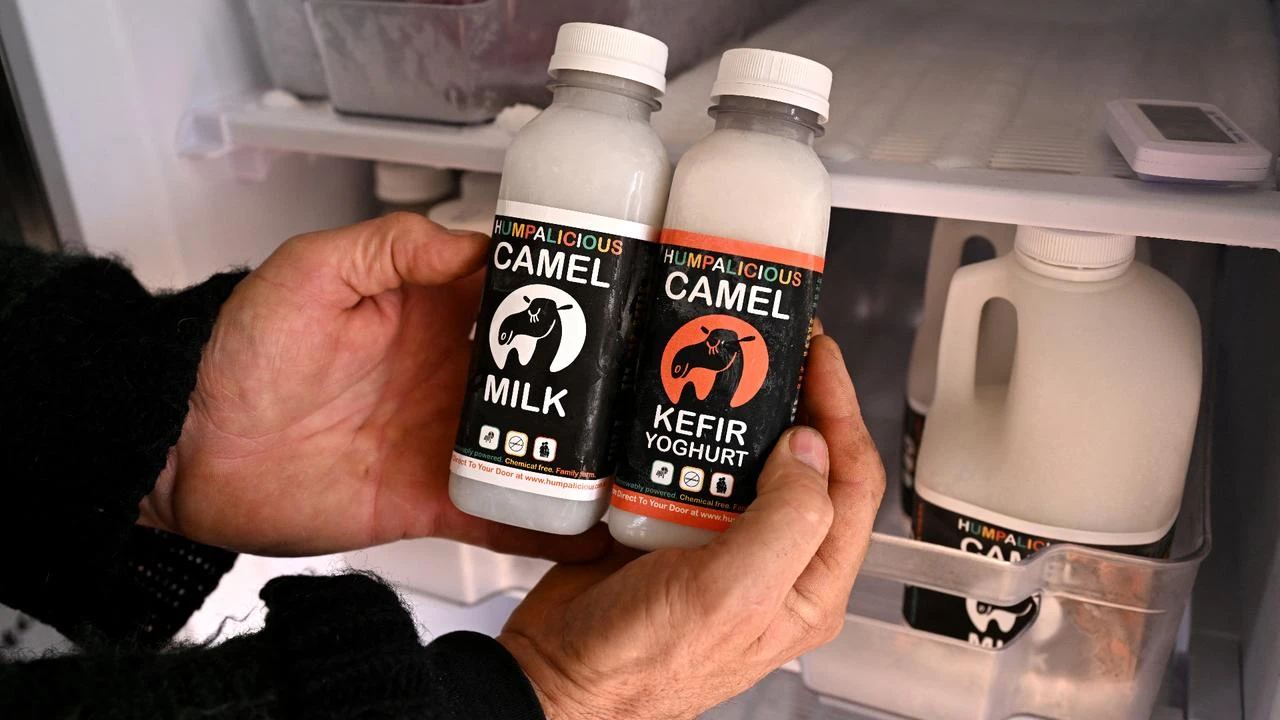
Hill admits the market for camel milk remains small, largely due to high labor costs and the animals' relatively low milk output, though he insists the taste keeps people coming back.
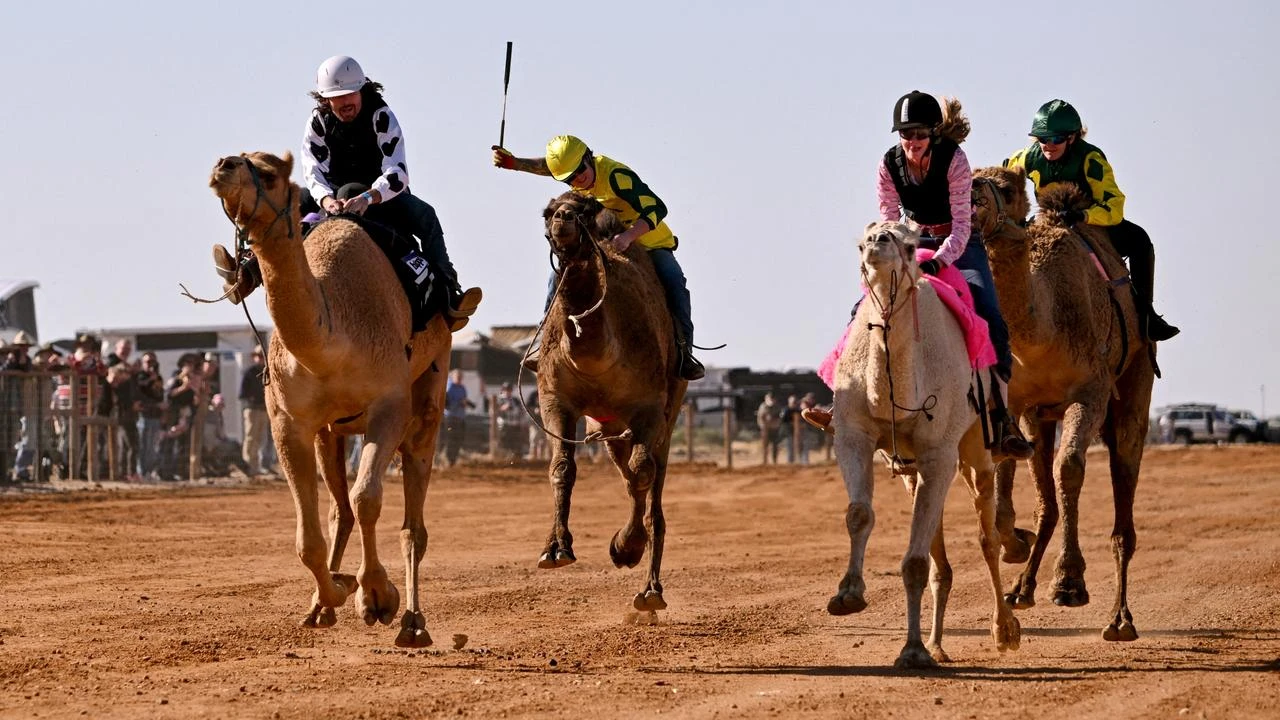
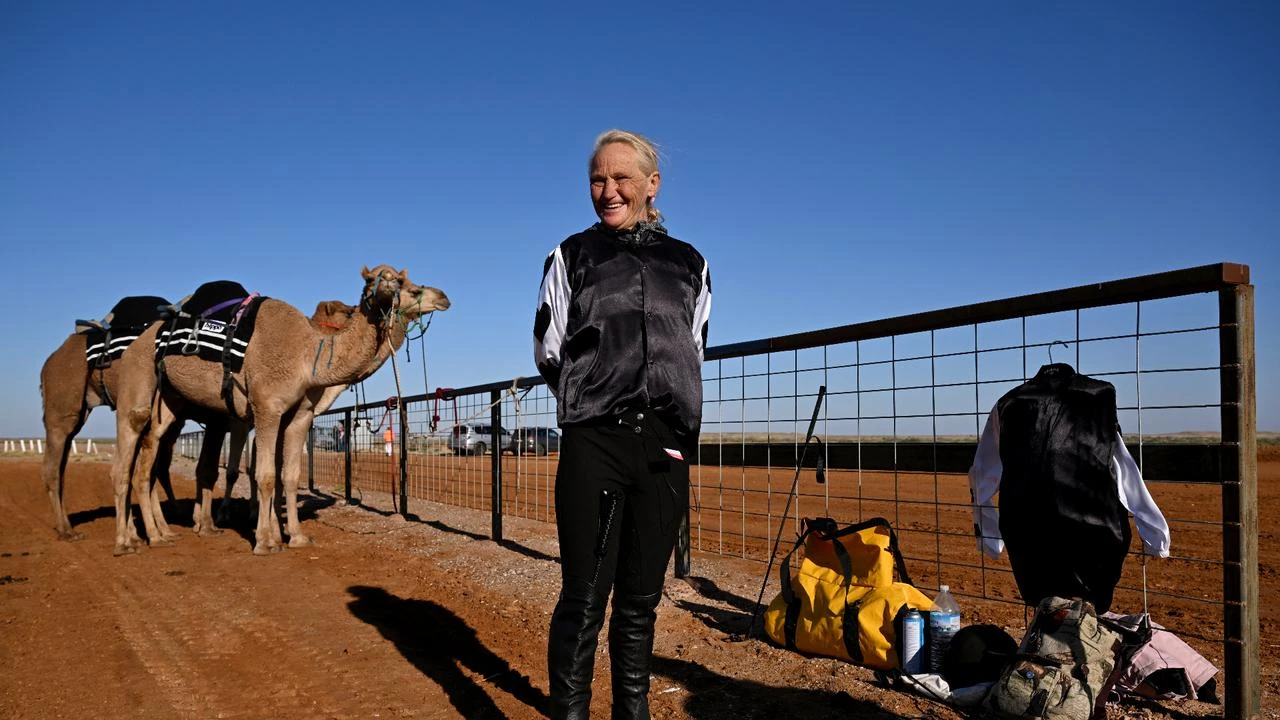
Farther north in the remote town of Marree, roughly 600 kilometers (373 miles) from Adelaide, camels take on an entirely different role as competitors in the annual Marree Camel Cup, drawing hundreds of spectators each year.
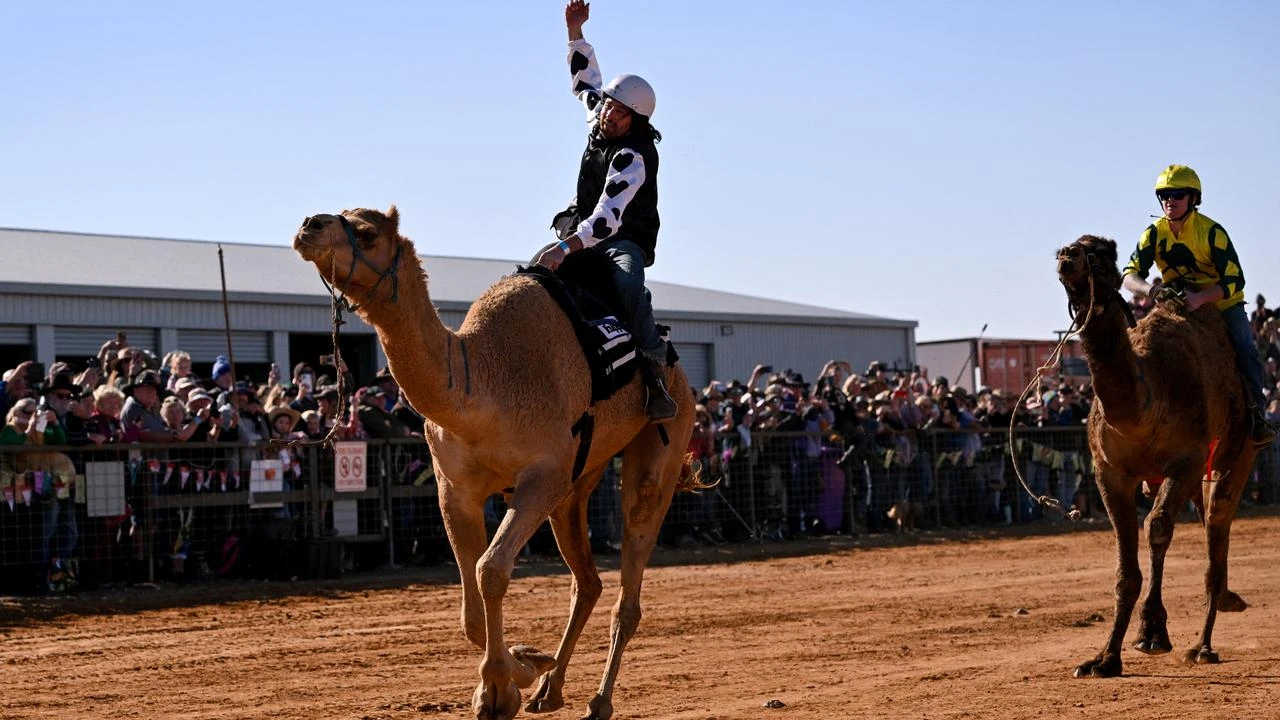
This year's Marree Camel Cup was won by Young Gun, ridden by jockey Patrick Dennis, in front of a crowd that had traveled from across the region to watch.
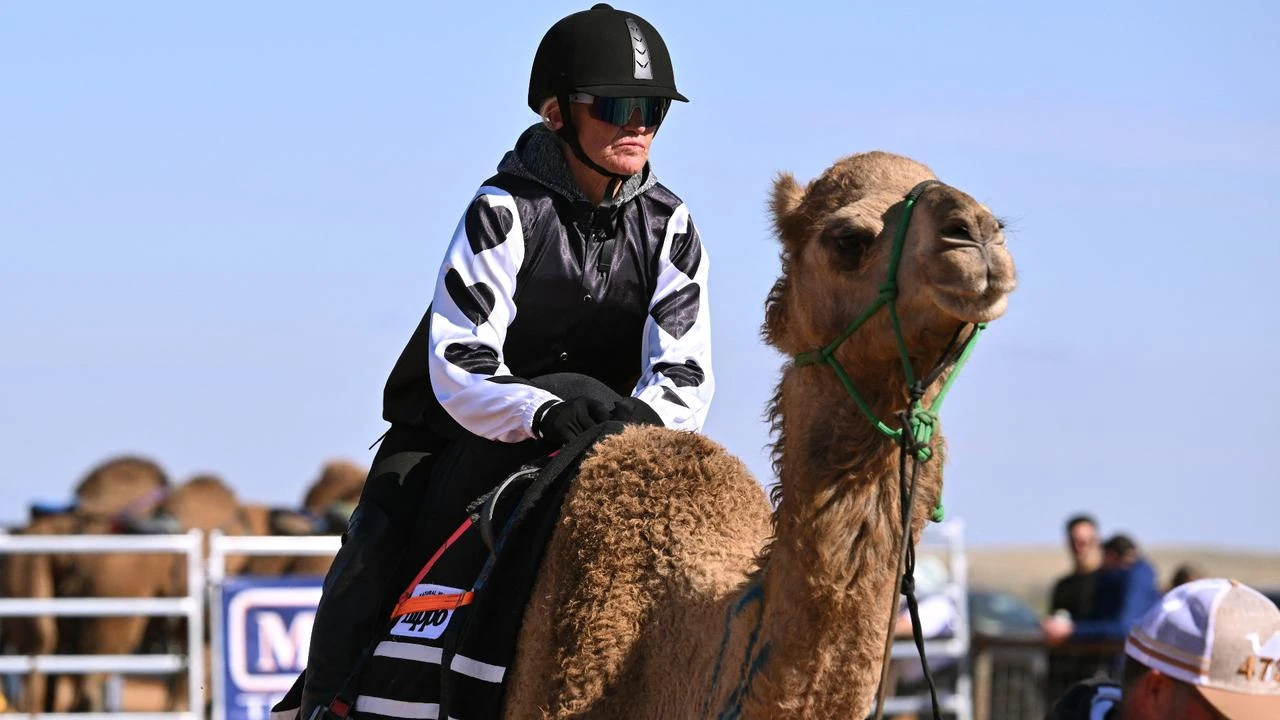
Racers such as Joanne Bell and Kyrraley Woodhouse say the sport requires camels with a bit of temper and fire in their personality, along with the heart to actually run.
The tradition traces back to Muslim cameleers, many from Afghanistan and other parts of Central and South Asia, who were brought to Australia in the 1860's to work with the animals, with some of their descendants still living in Marree today.


 Set as preferred source


 1 min read