Newsletters


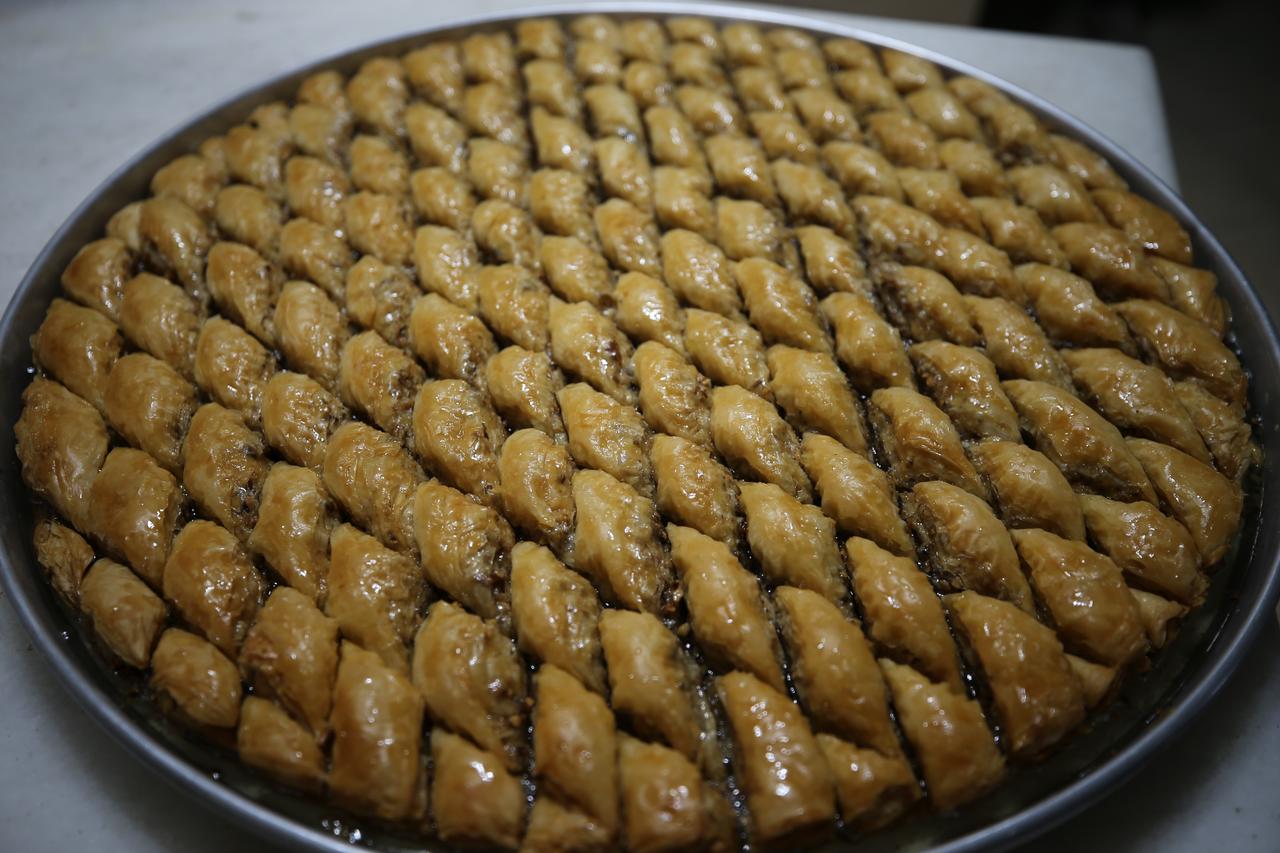


A warning from Türkiye’s pastry industry has raised concerns ahead of Eid al-Fitr, with experts pointing to cases where cheaper ingredients are used to imitate pistachio baklava.
Ekrem Keskin, head of the Antalya Chamber of Pastry Makers, said production has intensified before the holiday, with workshops working at full capacity. He warned that some producers may try to cut costs in ways that are difficult for consumers to detect.
“One of the most common tricks is replacing pistachios with other products,” Keskin said. “In some cases, peas are mixed into pistachios. It is very difficult for consumers to understand this from the outside.”
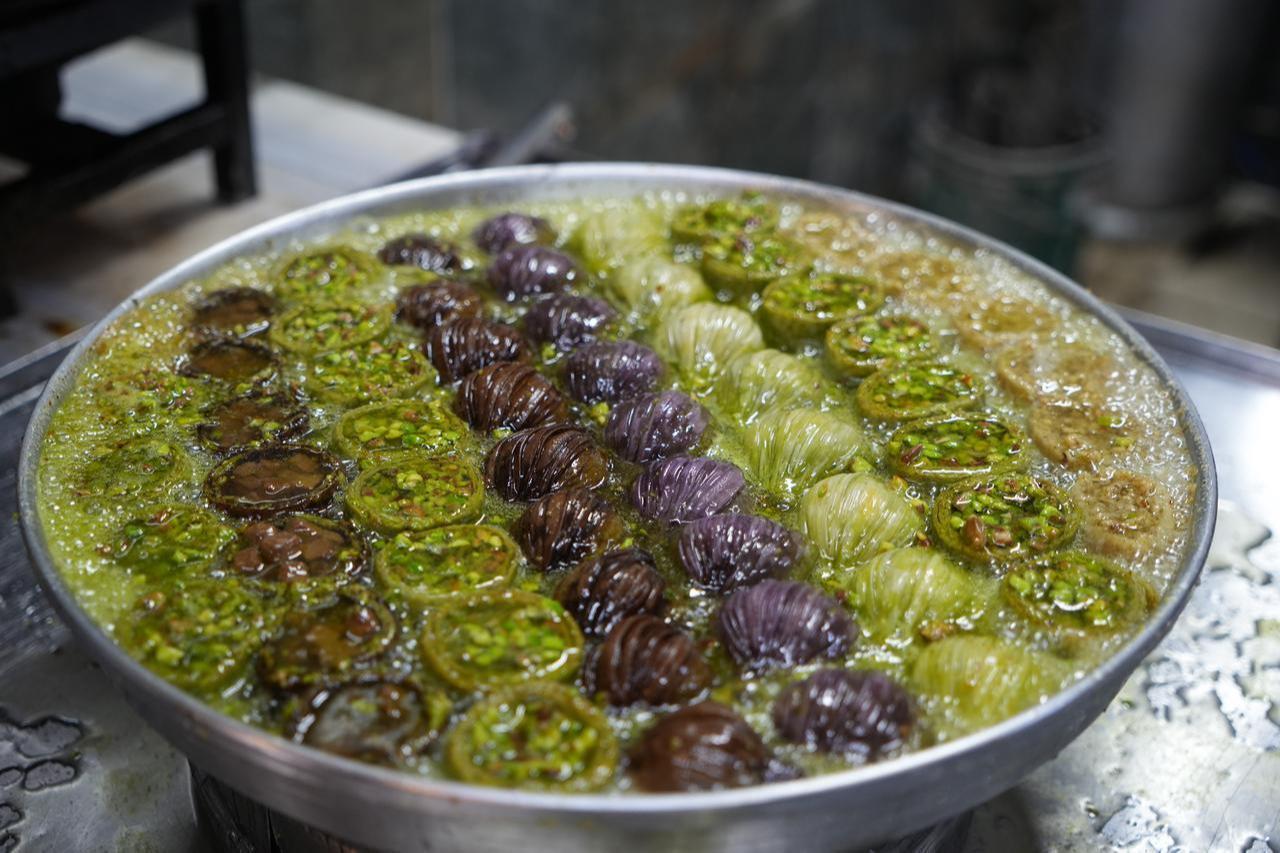

The warning comes as pistachio costs remain high, putting pressure on baklava producers.
Keskin told DHA that pistachio prices currently range between ₺2,000 ($45) and ₺2,500 ($56) per kilogram, which directly shapes retail pricing.
This gap has created a clear difference between baklava types:
Market data also shows that a single slice of pistachio baklava can reach up to ₺80 ($2), depending on quality and location.
Keskin said some producers may alter ingredients to stay competitive, especially in products sold outside regulated businesses.
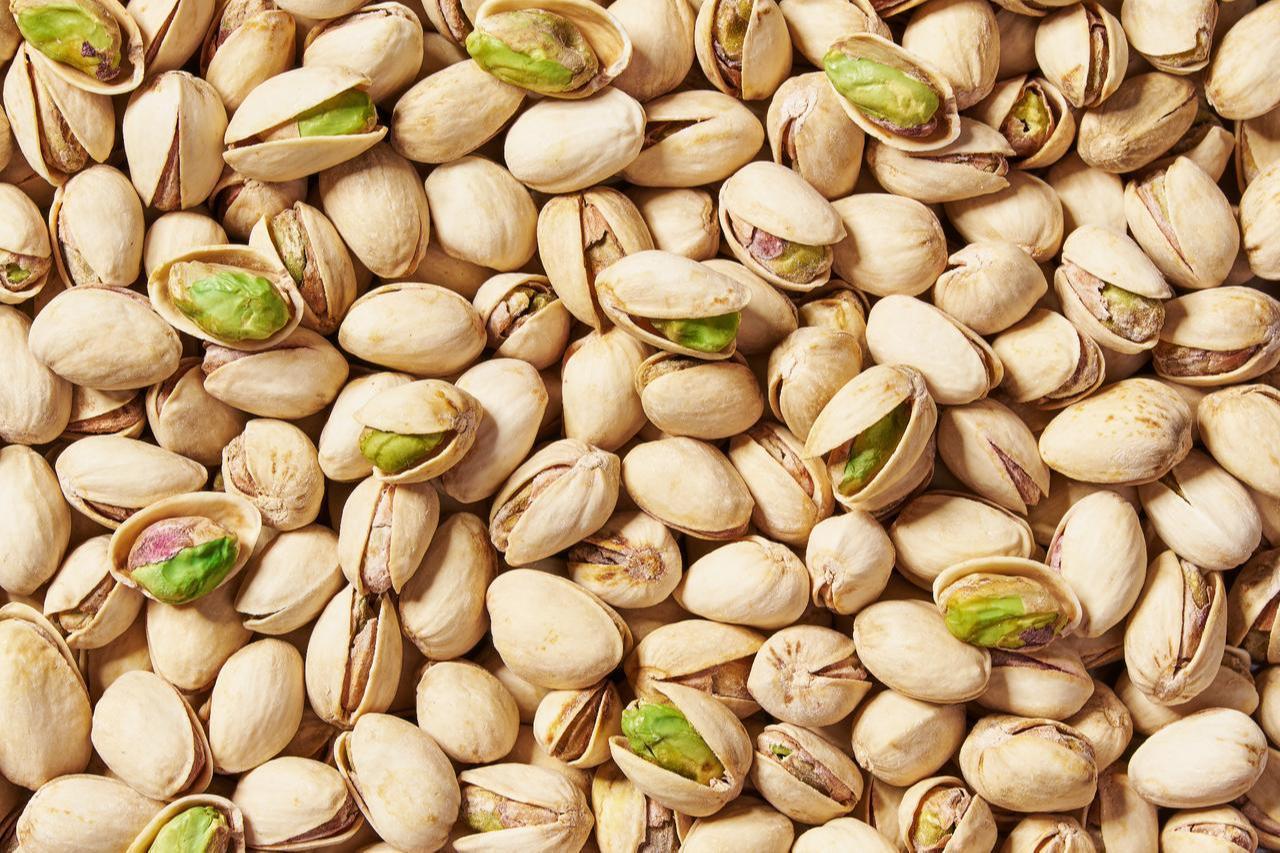
Experts say the main issue is detection. The visual similarity between pistachios and substituted ingredients makes it difficult for buyers to identify fraud.
“In some places, peas are mixed into pistachios,” Keskin said. “Consumers cannot easily tell the difference from the outside.”
This makes unregulated production a key risk area during high-demand periods like Eid.
How to avoid low-quality or fake baklava
Authorities urge consumers to be cautious when buying sweets ahead of the holiday.
Key points to consider:
Keskin said certified producers follow proper standards and prepare orders in advance to manage holiday demand.
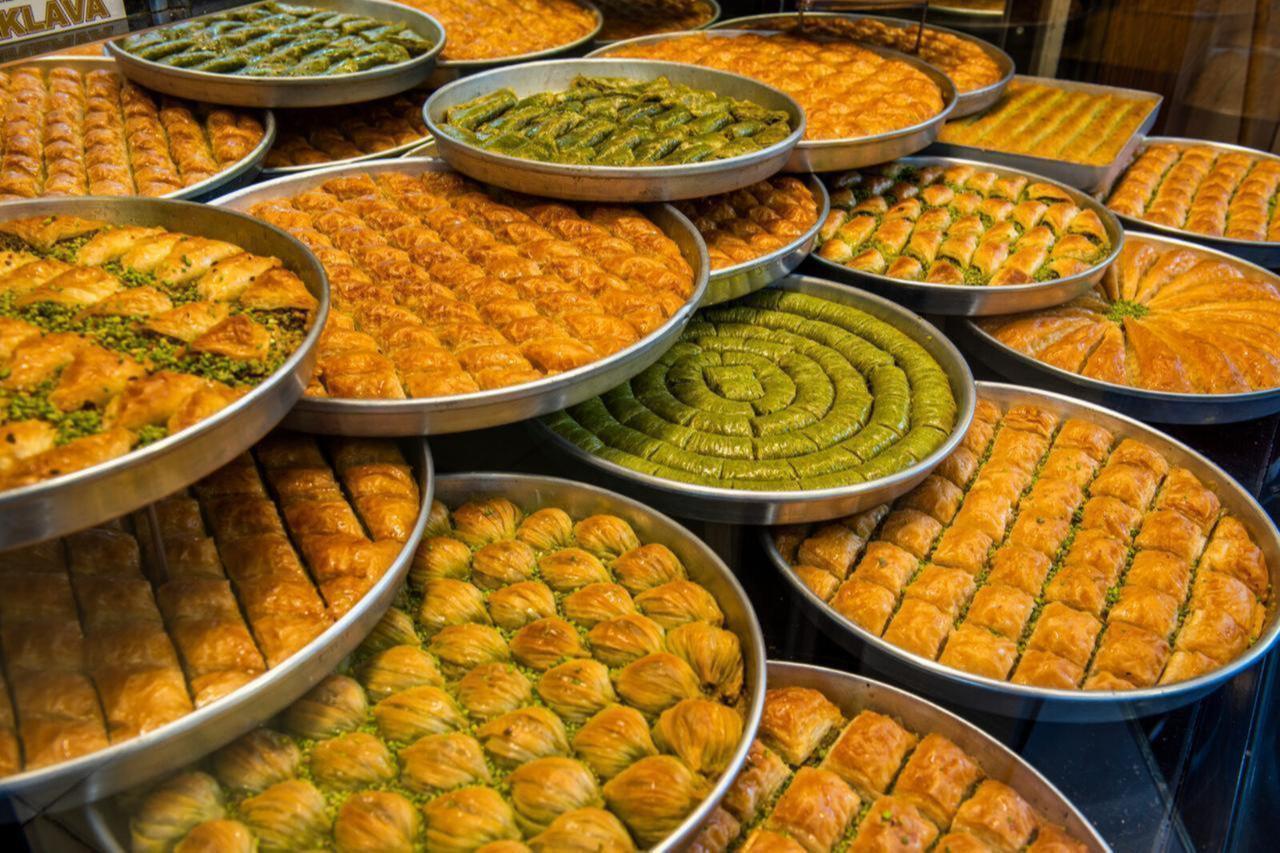
Despite rising prices and fraud concerns, baklava remains the most popular dessert during Eid in Türkiye.
Keskin said traditional varieties continue to attract strong demand, including:
Still, baklava holds its place as the top choice for holiday visits and family gatherings.
The warning reflects a broader pattern seen during peak seasons, where high demand and rising costs increase the risk of product substitution.
Experts say careful purchasing remains the best protection for consumers.


 Set as preferred source
 Set as preferred source




 2 min read