Newsletters


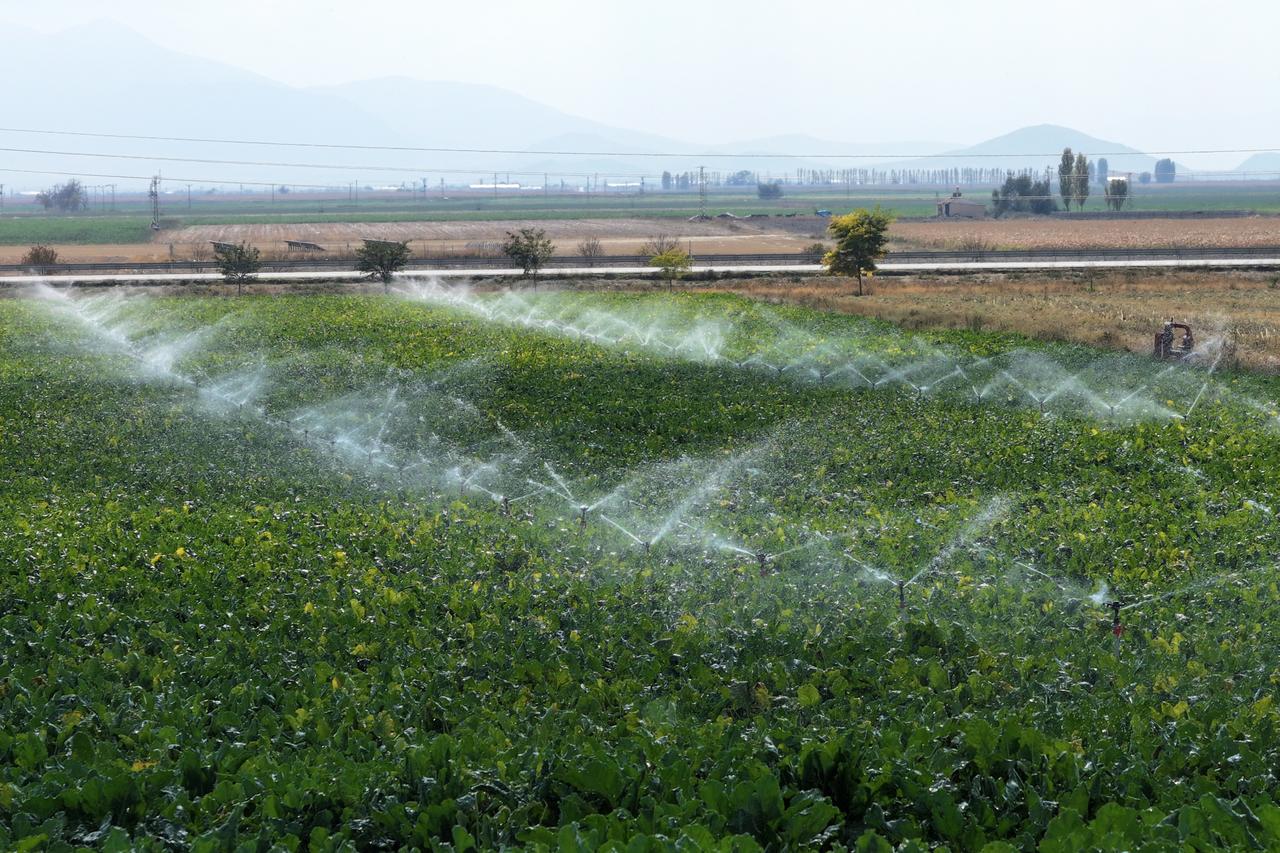


Research by Selcuk University in Konya, a city in central Türkiye, has yielded positive results in reducing fertilizer and water use with beneficial bacteria that enable plants to take up nutrients from the soil more easily.
In the study carried out by Selcuk University’s Agriculture and Climate Change Application and Research Center, bacteria obtained from sugar beet production areas were examined and isolated in a laboratory setting.
In the research, which was launched to find a solution to root rot disease, a plant disease in which roots decay, various properties of the bacteria were identified, including supporting the use of nitrogen, phosphorus, and potassium, and reducing drought and heat stress.
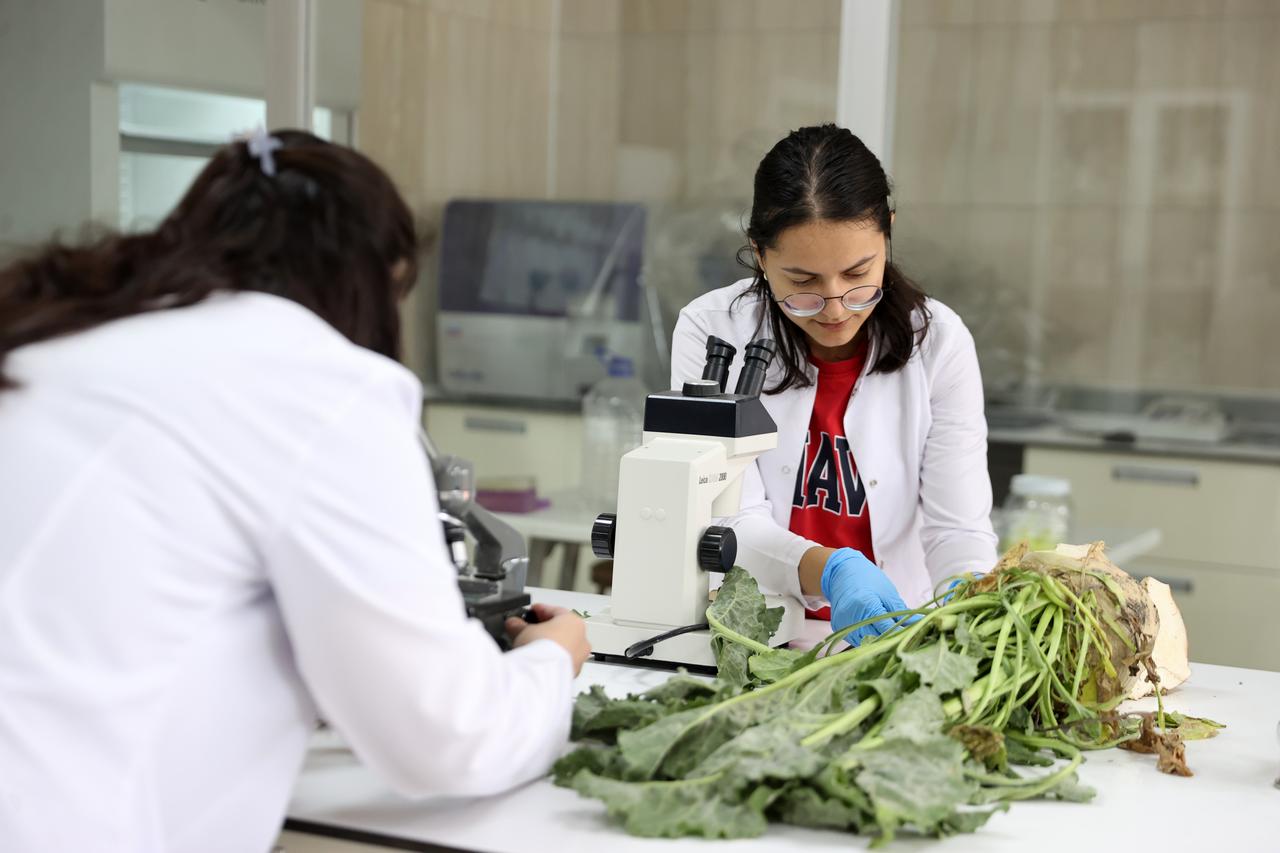

As part of the studies, which have lasted nearly 10 years, thousands of bacteria were isolated and stored, their beneficial properties were investigated, and the results were compared with trials conducted in different years.
Kubilay Kurtulus Bastas, the center’s director, said that the bacteria they obtained from sugar beet fields showed different functions.
Explaining that the bacteria can convert nutrients in the soil into a form the plant can absorb, Bastas said this allows plants to use these nutrients easily.
Noting that thousands of bacteria were obtained during the studies, Bastas said it has been very useful for them to find bacteria that reduce the plant’s fertilizer intake and enable it to use fertilizer more effectively.
“For example, nitrogen is a widely used fertilizer,” he said. “When you also think about preventing soil pollution and salinity, we have bacteria that have enabled us to reduce nitrogen use by 20-25%.” Salinity refers to the salt content of soil.
Bastas said drought and water shortage are also a major problem. “We can even reduce water consumption by up to 25%,” he said.
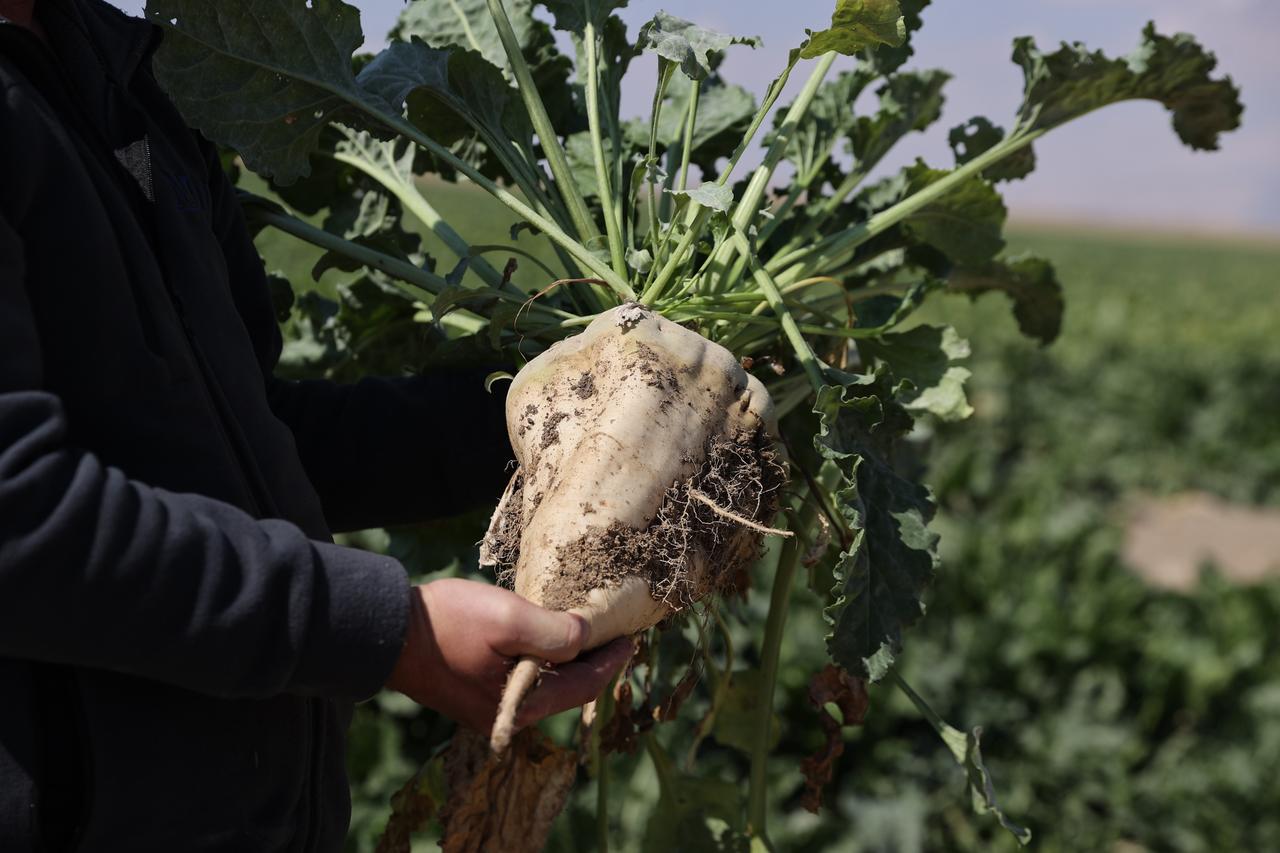
Bastas stressed that they make the beneficial bacteria, which are called “biological agents” (living organisms used to benefit crops) in the scientific literature, usable for plants.
He said the plant sometimes cannot take nutrients from the soil. “They can exist in the soil in a very complex form, but these bacteria convert the nutrients into a form the plant can take up by changing them with enzymes in the soil,” he said. “They make it useful for the plant.”
He said the soils of the Konya region contain both iron and zinc. “When these elements combine, a hard structure forms,” he said.
“The plant cannot draw it in. Both iron and zinc deficiency is seen in the plant, but the bacteria separate them.”
Bastas stressed that they continued the trials persistently until they were convinced and that the success achieved is the result of about 10 years of work.
Pointing out that they constantly compare their results across different years, Bastas said, "This success is not a coincidence. It is definitely a complete success.”
“We could have said ‘that’s it’ after a few years, but then we might not have achieved the same success,” he added. “It has been tested continuously for seven to eight years. We have not abandoned the work. We are isolating new bacteria.”


 Set as preferred source
 Set as preferred source


 1 min read


 1 min read