Newsletters


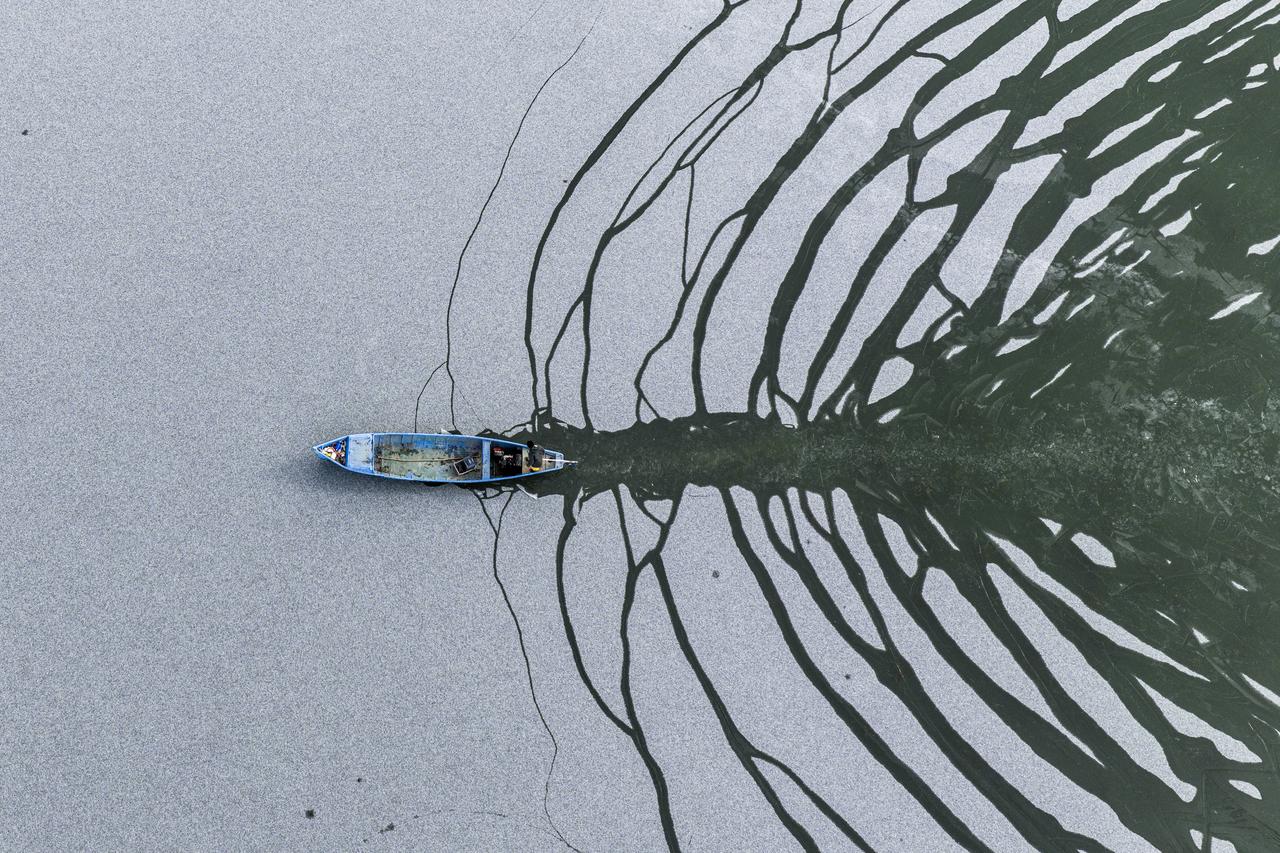
Freezing temperatures gripping central Türkiye have begun to reshape daily life around Beysehir Lake, the country’s largest freshwater lake. As parts of the lake surface freeze over, not only fishermen but also the local ecosystem and regional economy are feeling the impact of harsh winter conditions.
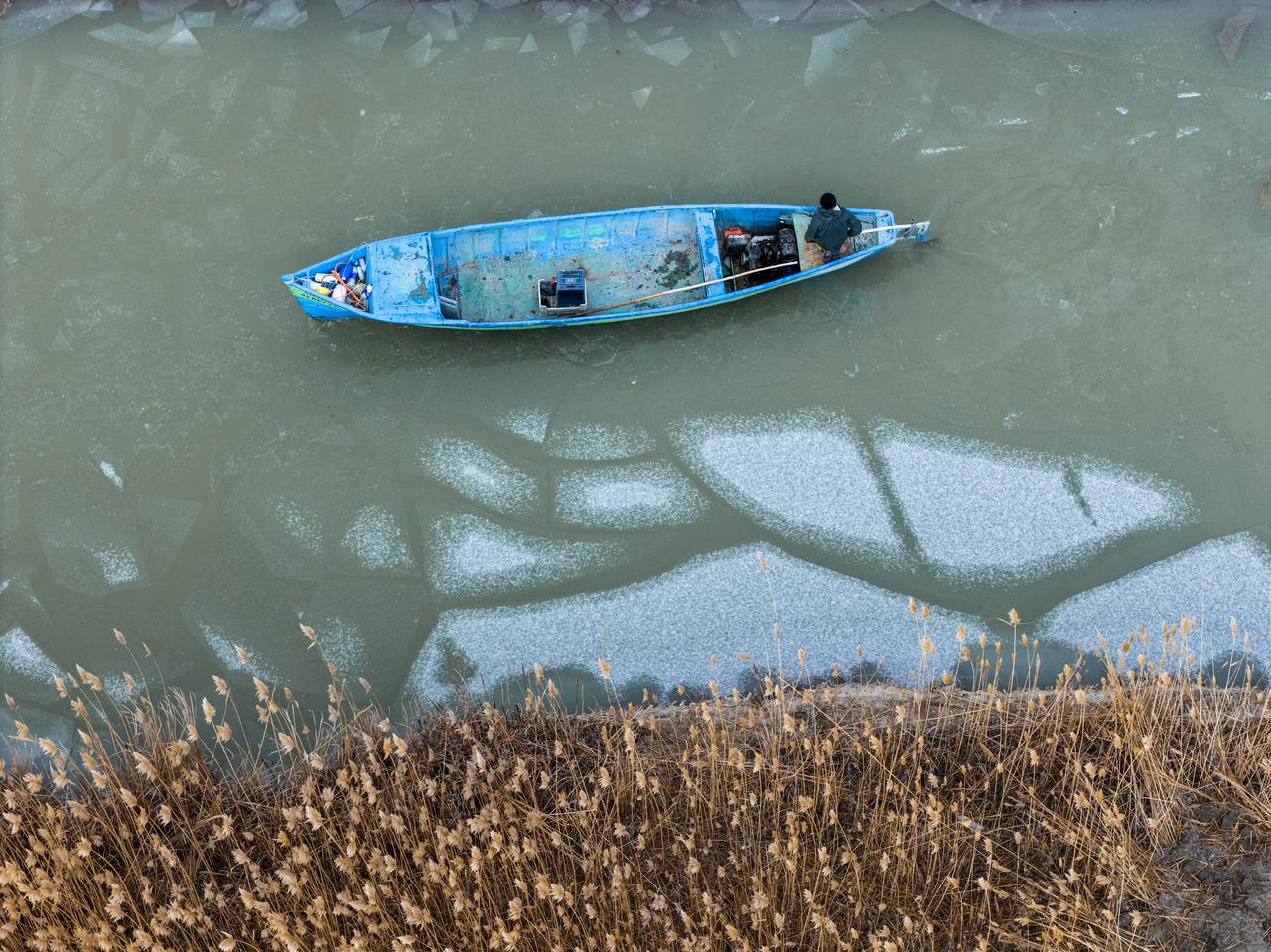
With temperatures dropping well below seasonal averages, large sections of Beysehir Lake have frozen, particularly in shallow areas. The thickening ice has made access to the lake increasingly difficult and disrupted routine activities.
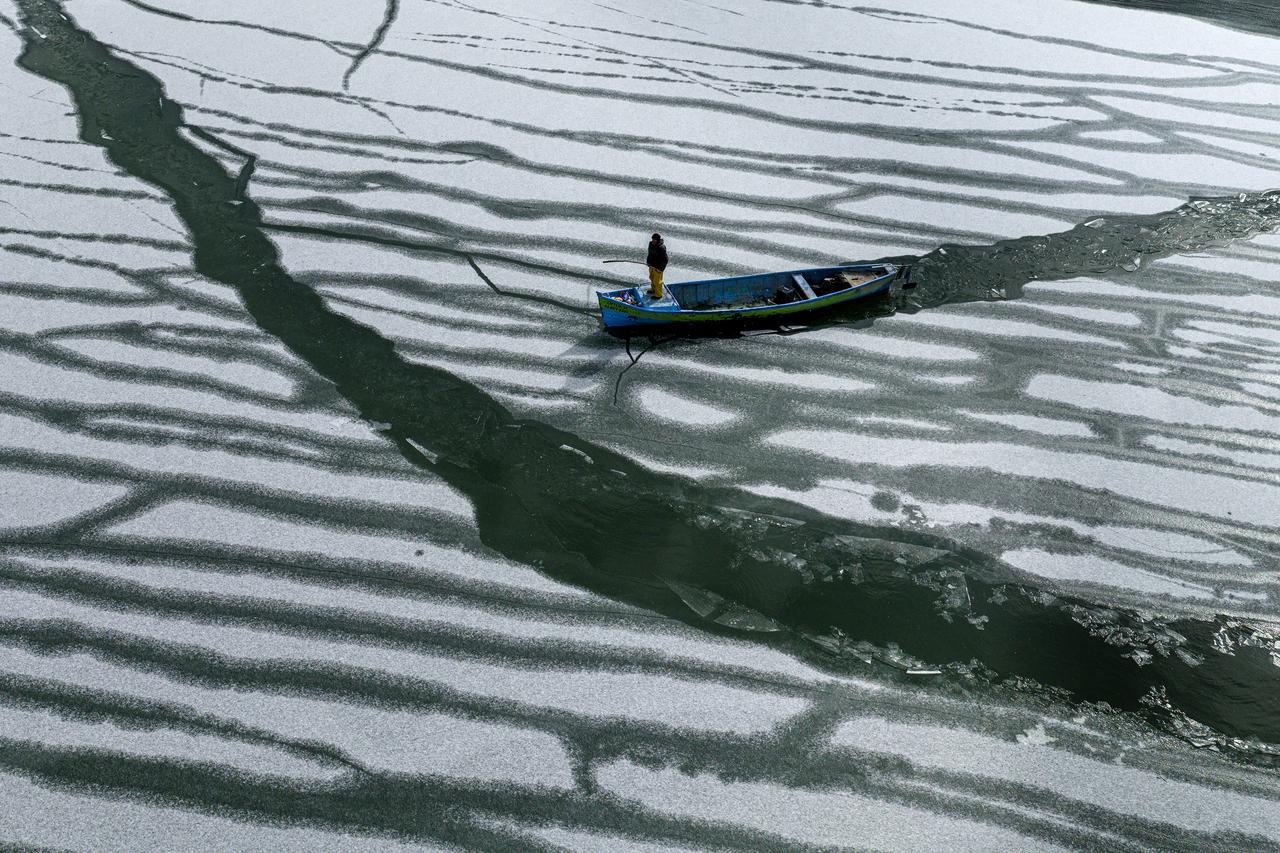
Fishermen continue their work despite the extreme cold, breaking layers of ice with oars and metal tools to move their boats. The icy conditions have turned daily fishing into a physically demanding and time-consuming task.
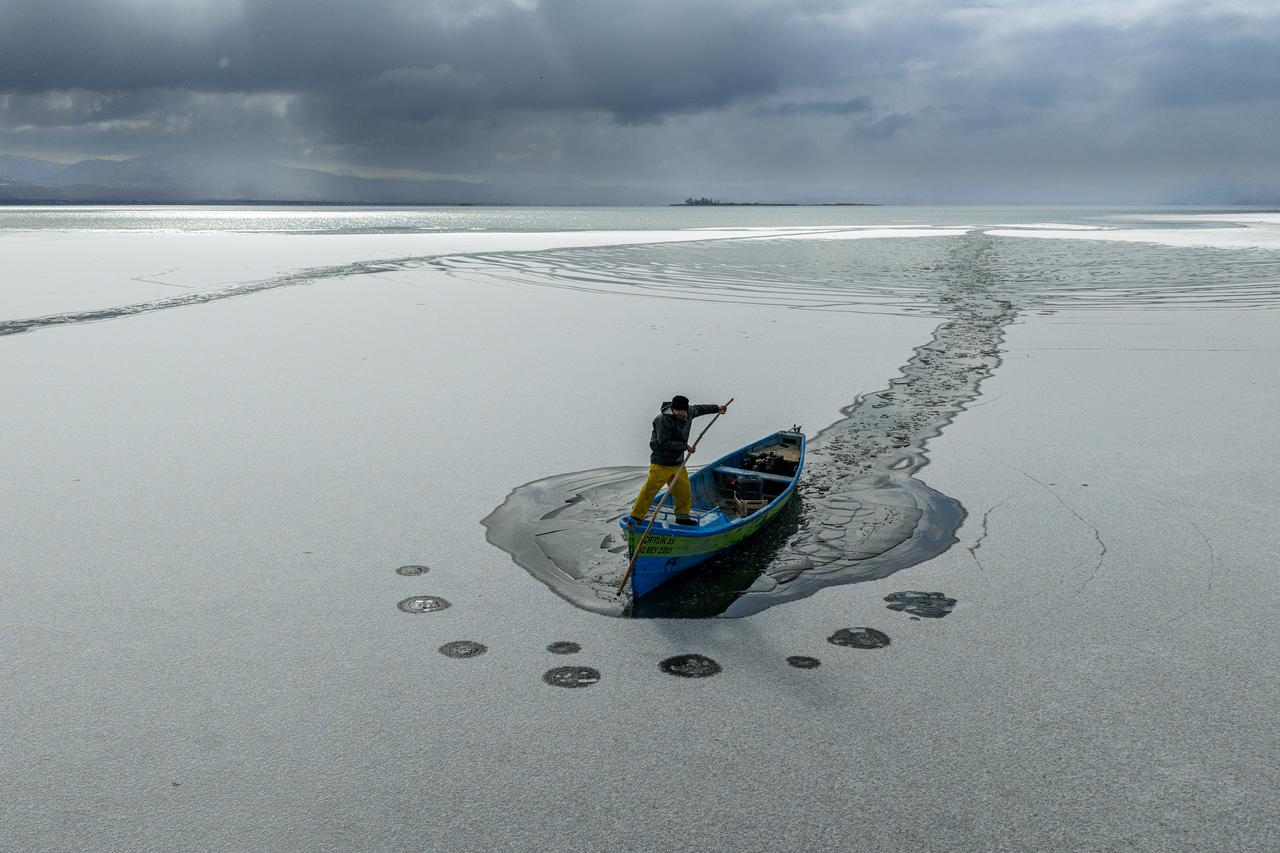
Experts warn that prolonged freezing can put stress on the lake’s ecosystem. When the water surface is covered with ice, oxygen circulation decreases, potentially affecting fish populations and underwater life.
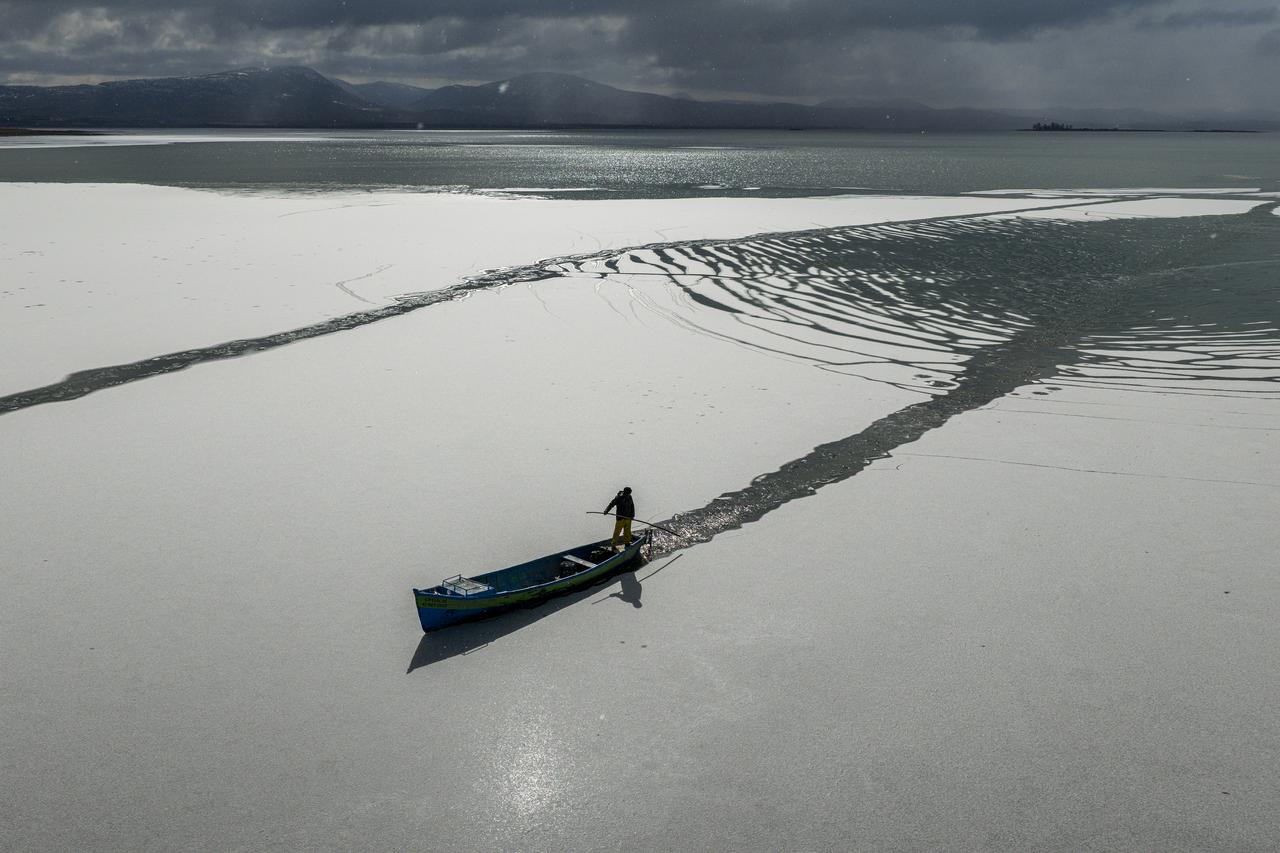
Cold weather slows fish movement, leading to lower catch rates. Fishermen report that tasks normally completed within hours now take most of the day, reducing overall productivity during the winter season.
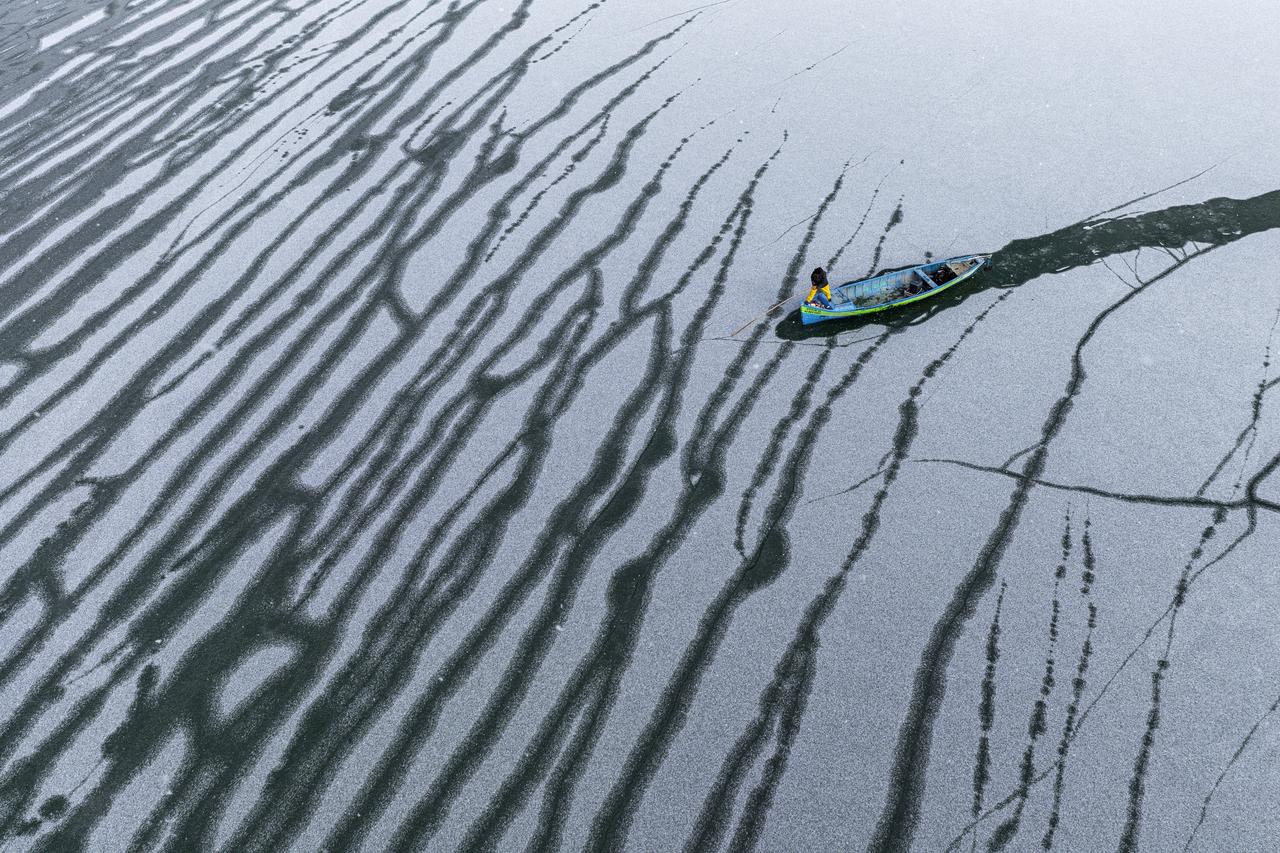
Fishing around Beysehir Lake is a primary source of income for many families. Reduced catches and difficult working conditions are negatively affecting household incomes as well as local fish markets.
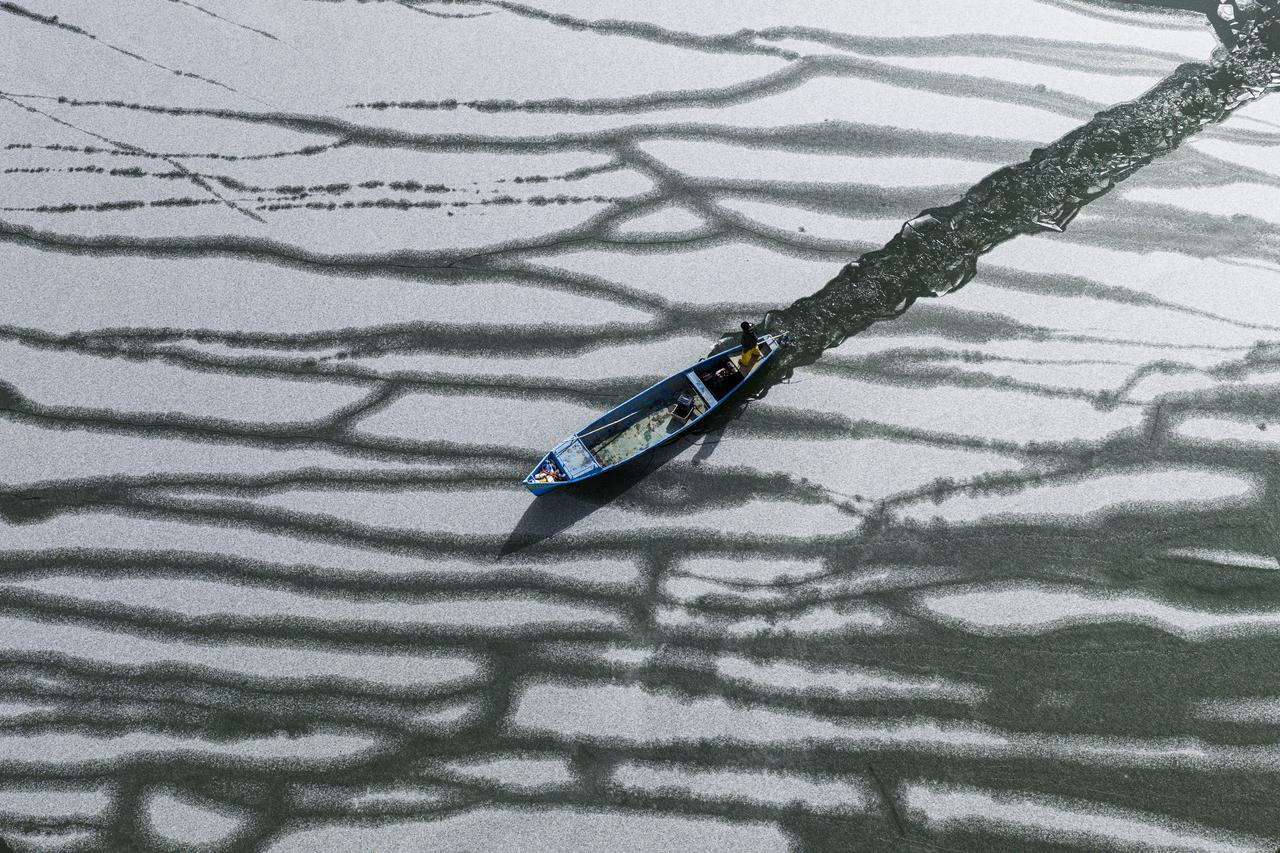
Specialists note that extreme cold spells and unusual freezing patterns may be linked to the growing effects of climate change. Such weather anomalies are making inland water ecosystems increasingly vulnerable.
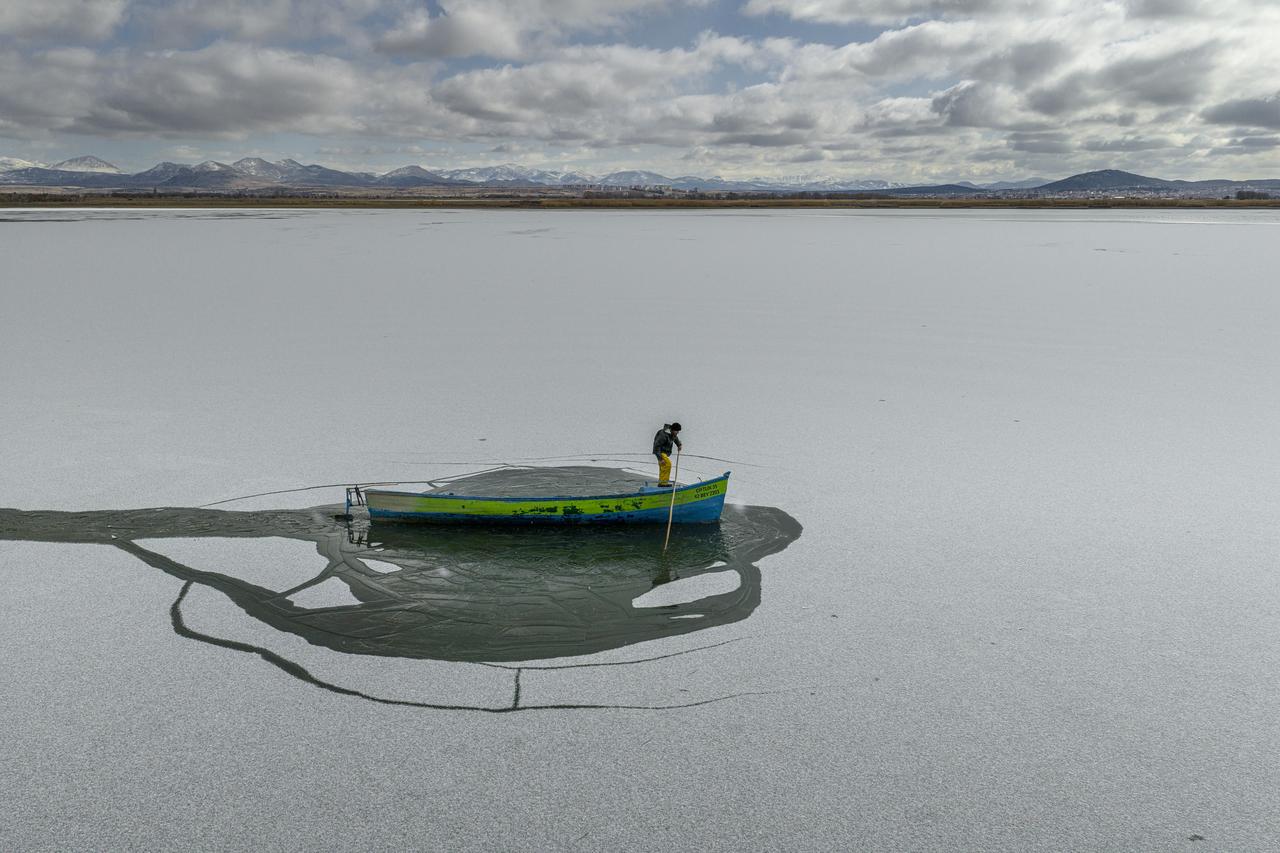
Despite the challenging conditions, life around Beysehir Lake goes on. Every morning, fishermen launch their boats onto the frozen waters, demonstrating resilience as the lake remains central to daily life even in the depths of winter.


 Set as preferred source



 1 min read