Newsletters


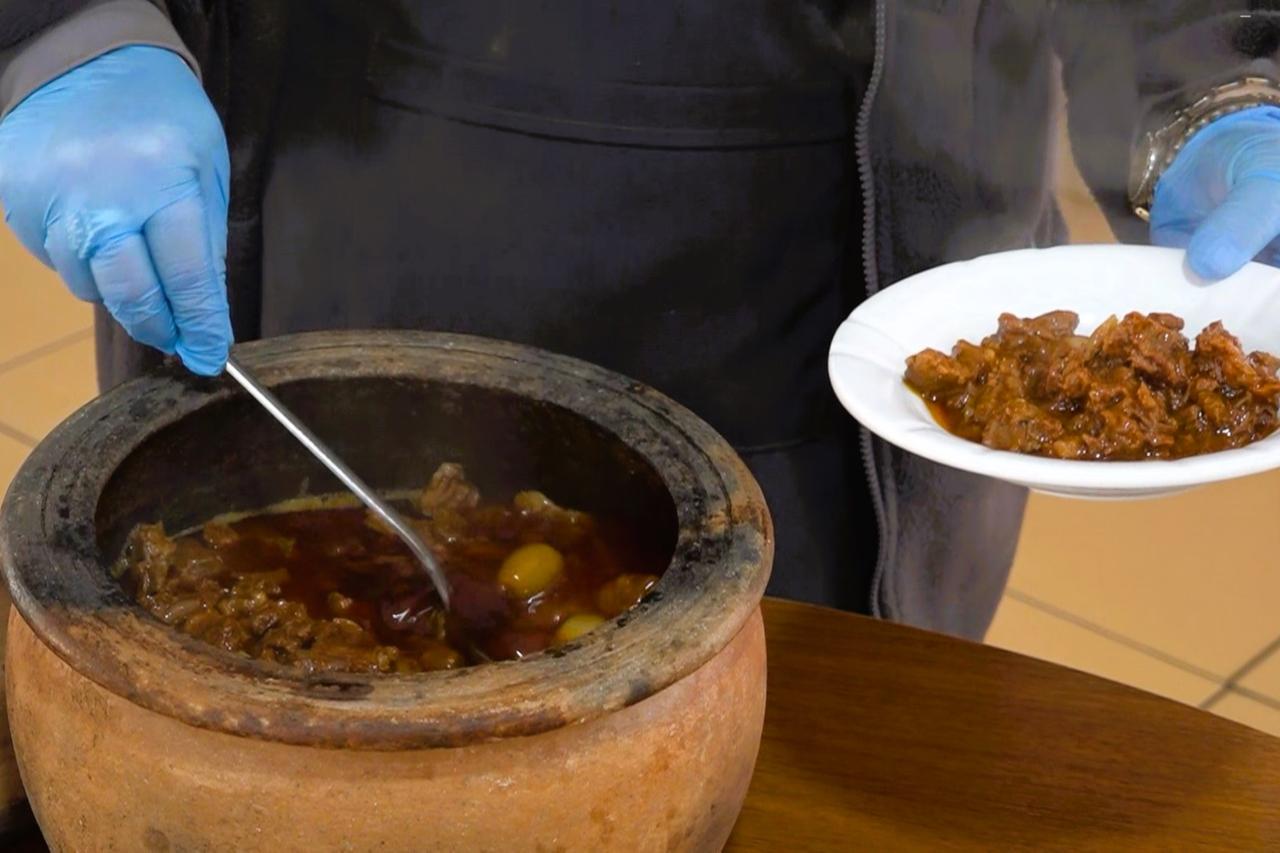


A traditional meat stew known as Bilecik papaz yahnisi, rooted in Ottoman-era culinary culture, has recently been granted geographical indication status by the Turkish Patent and Trademark Office (TURKPATENT), marking a significant step in preserving one of Türkiye’s regional food traditions for future generations.
The dish originates from Osmaneli, a district in the northwestern province of Bilecik, where different communities lived side by side from the early Ottoman period onward.
This long coexistence left a clear mark on local food culture, with papaz yahnisi standing out as a product of mutual culinary influence. Prepared with meat and vegetables, the stew is known for bringing together sweet and sour flavors in a carefully balanced way.
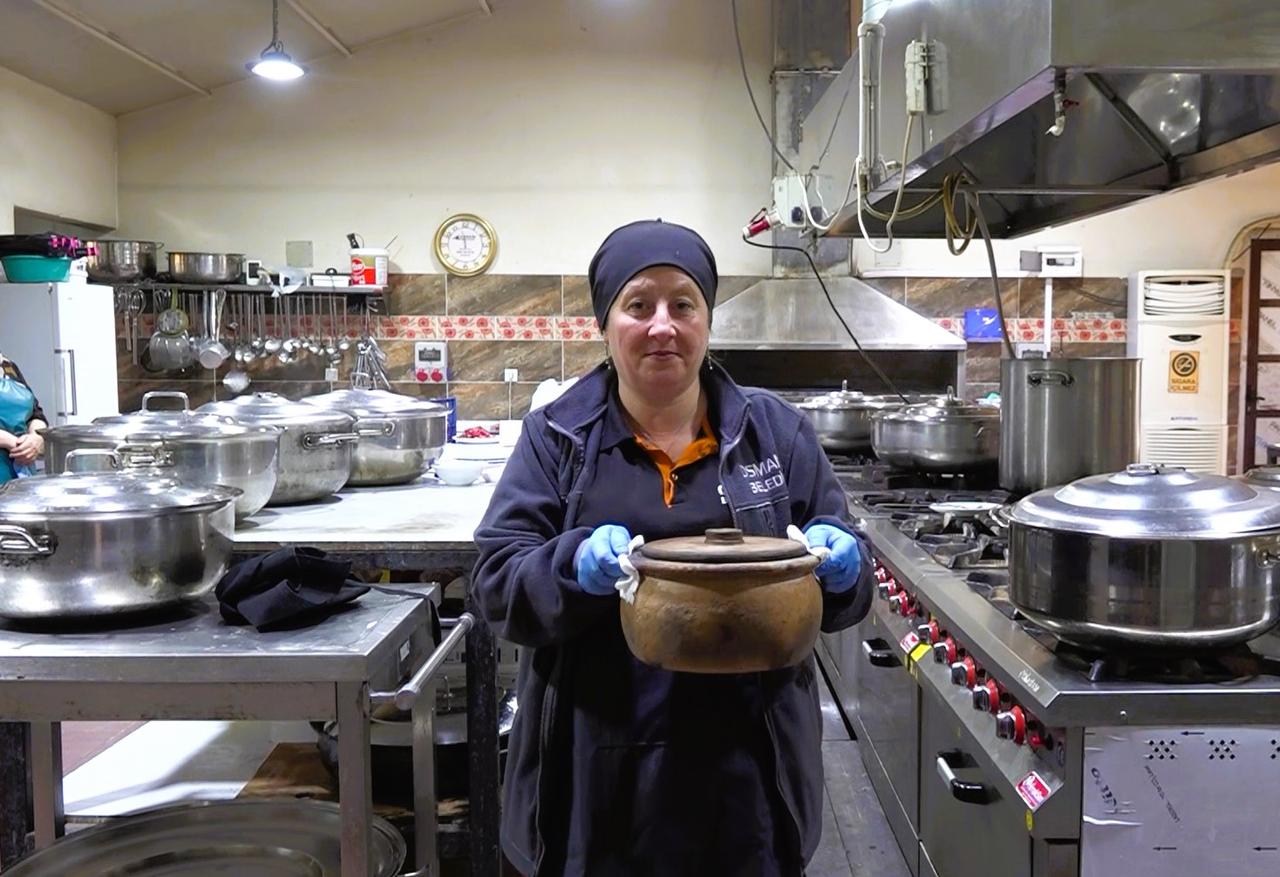

Papaz yahnisi is cooked using a combination of meat, pearl onions, tomato-based sauce, grape vinegar, and honey. According to food processing lecturer Mesut Kaplan from Bilecik Seyh Edebali University, the defining feature lies not only in the ingredients but also in how the meat is treated during cooking.
He explained that the browning technique applied to the meat, together with small onions and vegetables, creates a distinctive taste that separates it from other meat stews. While similar dishes can be found elsewhere, Kaplan underlined that this version has been prepared in the region for centuries and eventually became part of Ottoman cuisine.
The geographical indication was awarded last month following an application by the Bilecik Chamber of Commerce and Industry. For international readers, a geographical indication is a form of intellectual property protection that links a product’s quality and reputation directly to its place of origin.
Kaplan pointed out that this registration formally records the dish and helps pass it down to younger generations, while also supporting efforts to promote it more widely.
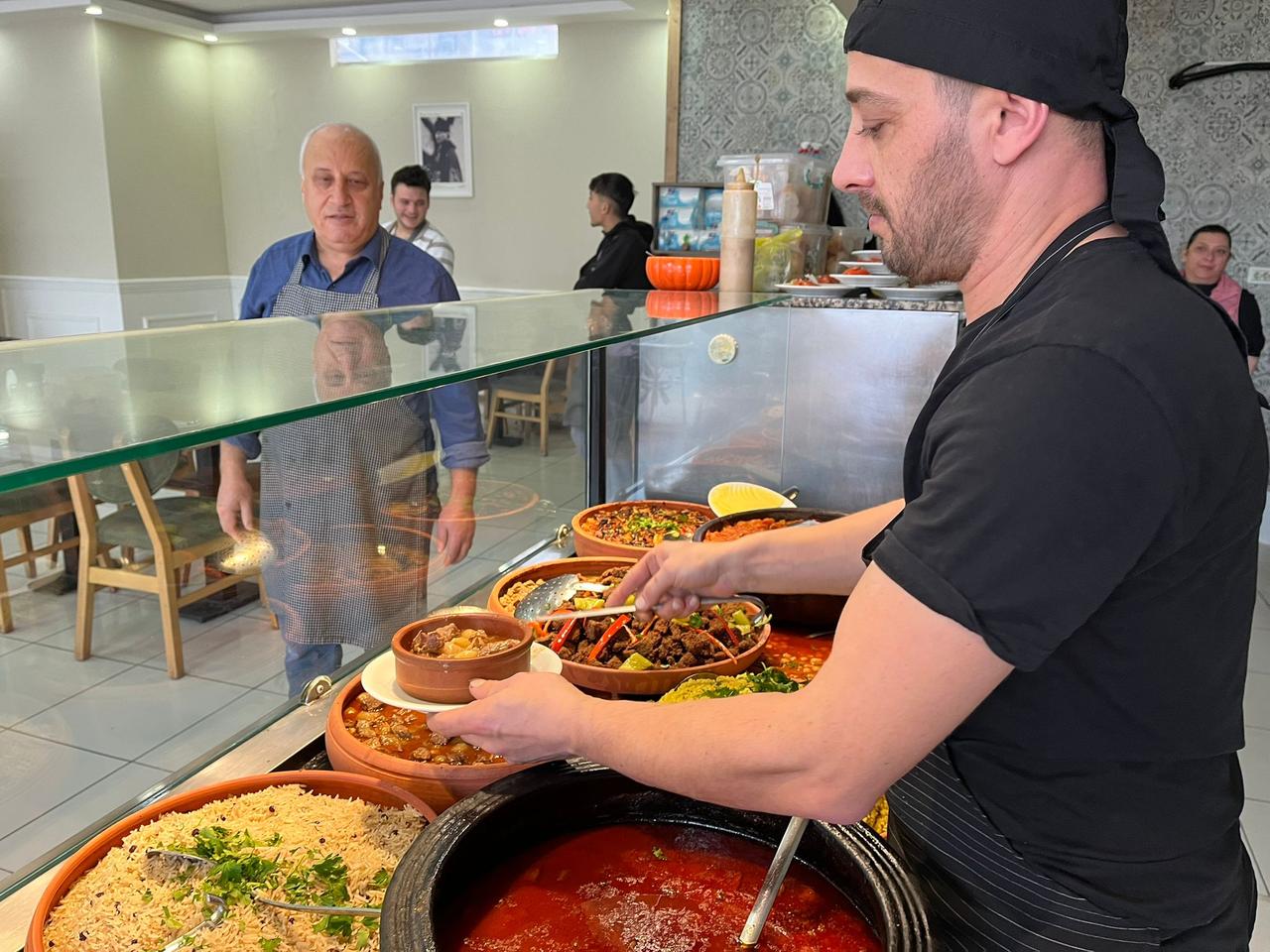
Today, Bilecik papaz yahnisi continues to be cooked in home kitchens and featured on the menus of local restaurants. Restaurant owner Vedat Das noted that the registration is expected to contribute both to the city’s visibility and to the preservation of its cultural heritage.
Local diner Abdullah Tetik also described the stew as one of the region’s finest dishes and said the official recognition added to his sense of pride in this long-standing local flavor.
Papaz yahnisi can also be prepared at home using simple ingredients and a slow-cooking approach that brings out its signature sweet-and-sour balance.
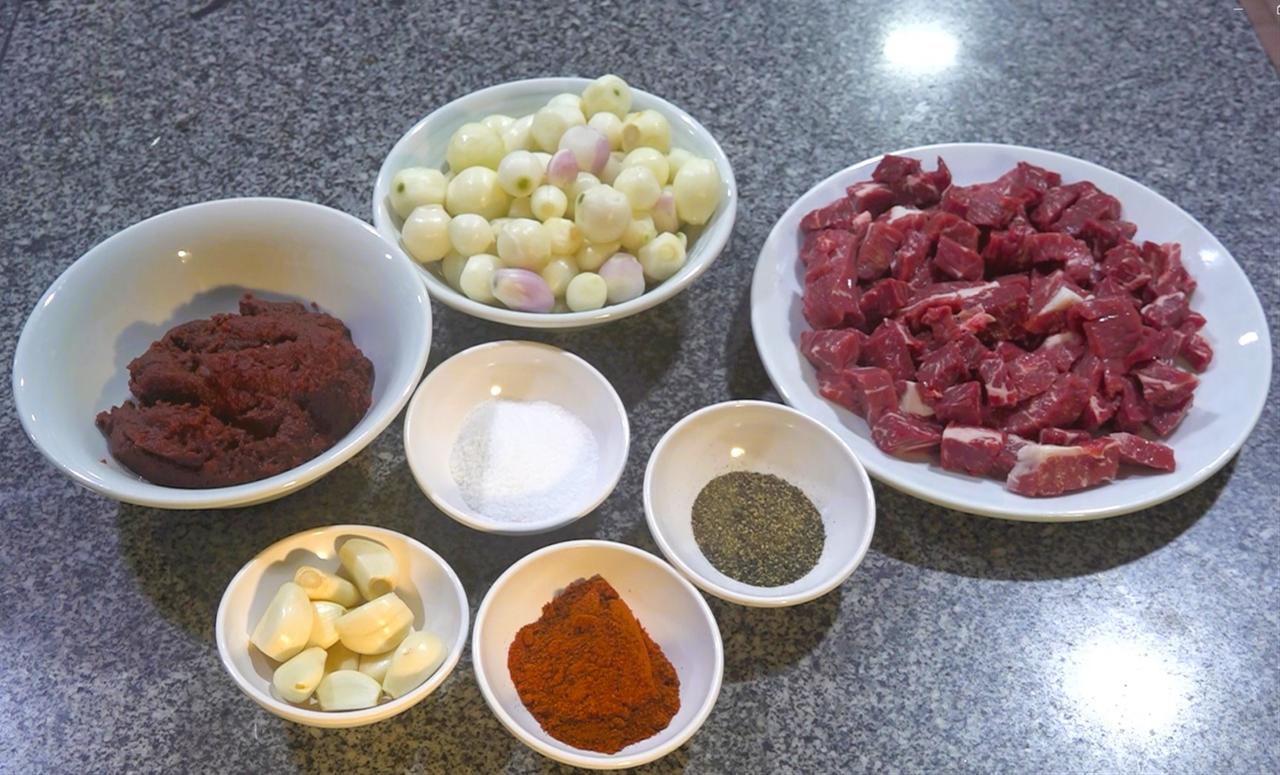
Ingredients
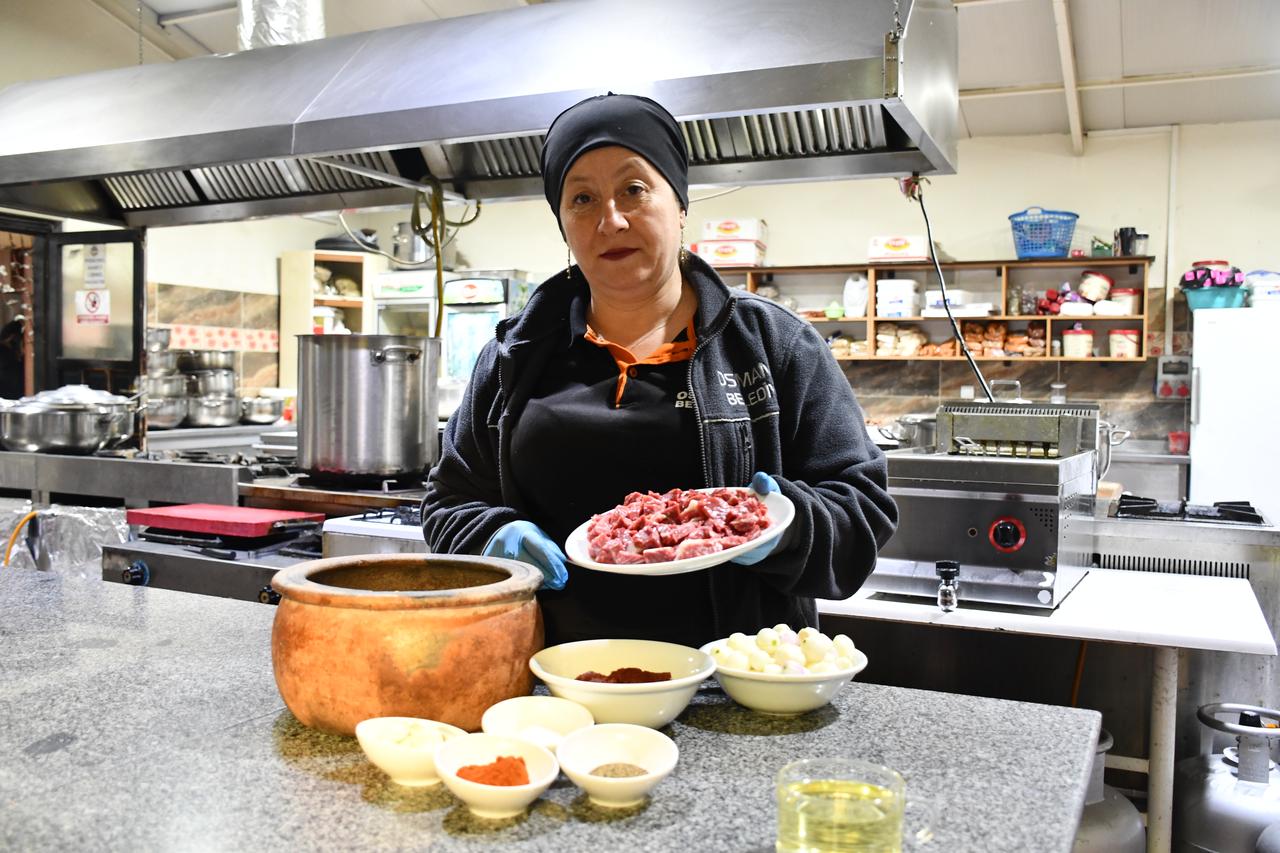
Preparation
Peel the pearl onions and garlic cloves and set them aside.
Melt the butter in a pressure cooker over medium heat, then add the beef and saute until it releases and reabsorbs its juices.
Once the meat is well browned, add the pearl onions and garlic, stirring until they soften and take on a light color.
Pour in the boiling water, then add the vinegar, sugar, salt, and spices.
Close the lid of the pressure cooker and allow the stew to cook over low heat for about 30 minutes.
When cooking is complete, transfer the dish to a serving plate and serve hot.


 Set as preferred source
 Set as preferred source




 6 min read