Newsletters




New fossil remains believed to belong to a species that lived later than previously identified animals have been uncovered at the Tashan excavation area in Kayseri, shedding fresh light on a region already known for its 7.7-million-year-old prehistoric record.
Researchers say the discoveries help expand scientific understanding of how ancient ecosystems in Anatolia evolved over time.
Excavations carried out in 2025 in the Tashan area of Kayseri’s Kocasinan district brought to light 103 fossil fragments, which researchers believe likely belong to a single animal.
Initial examinations suggest that these remains are younger than species identified in earlier excavation seasons, marking a new phase in the site’s scientific importance.
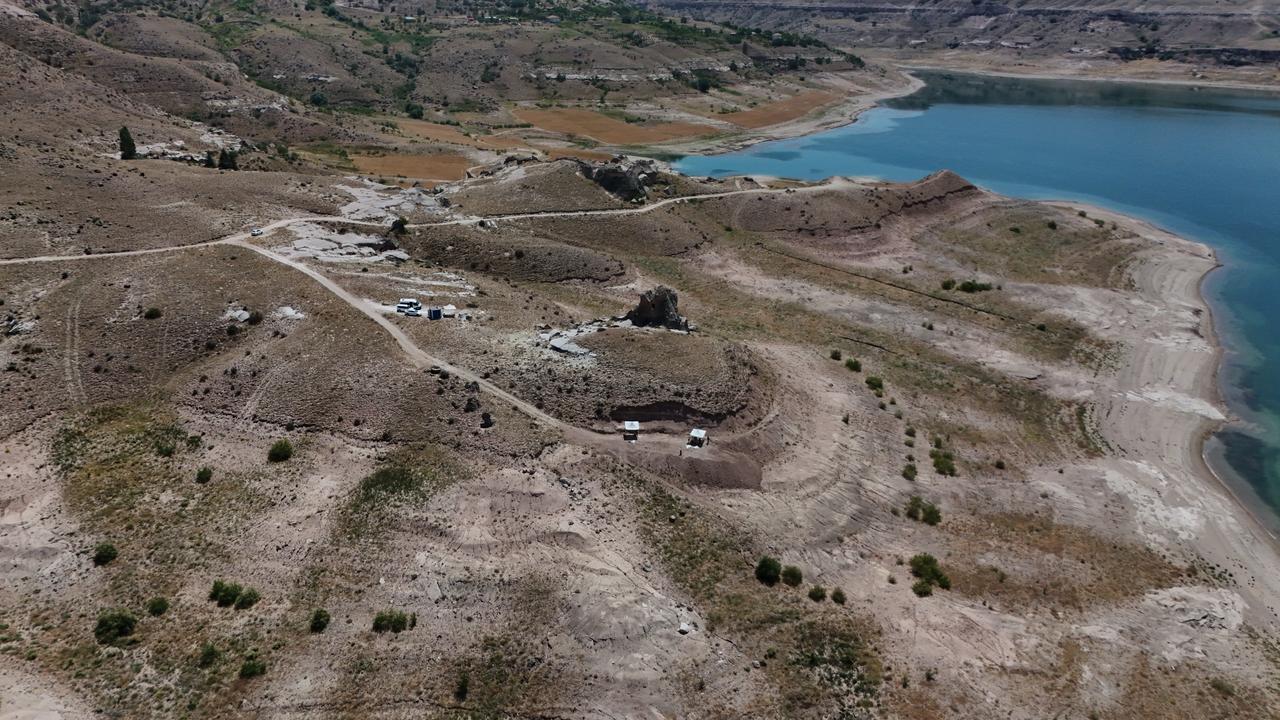

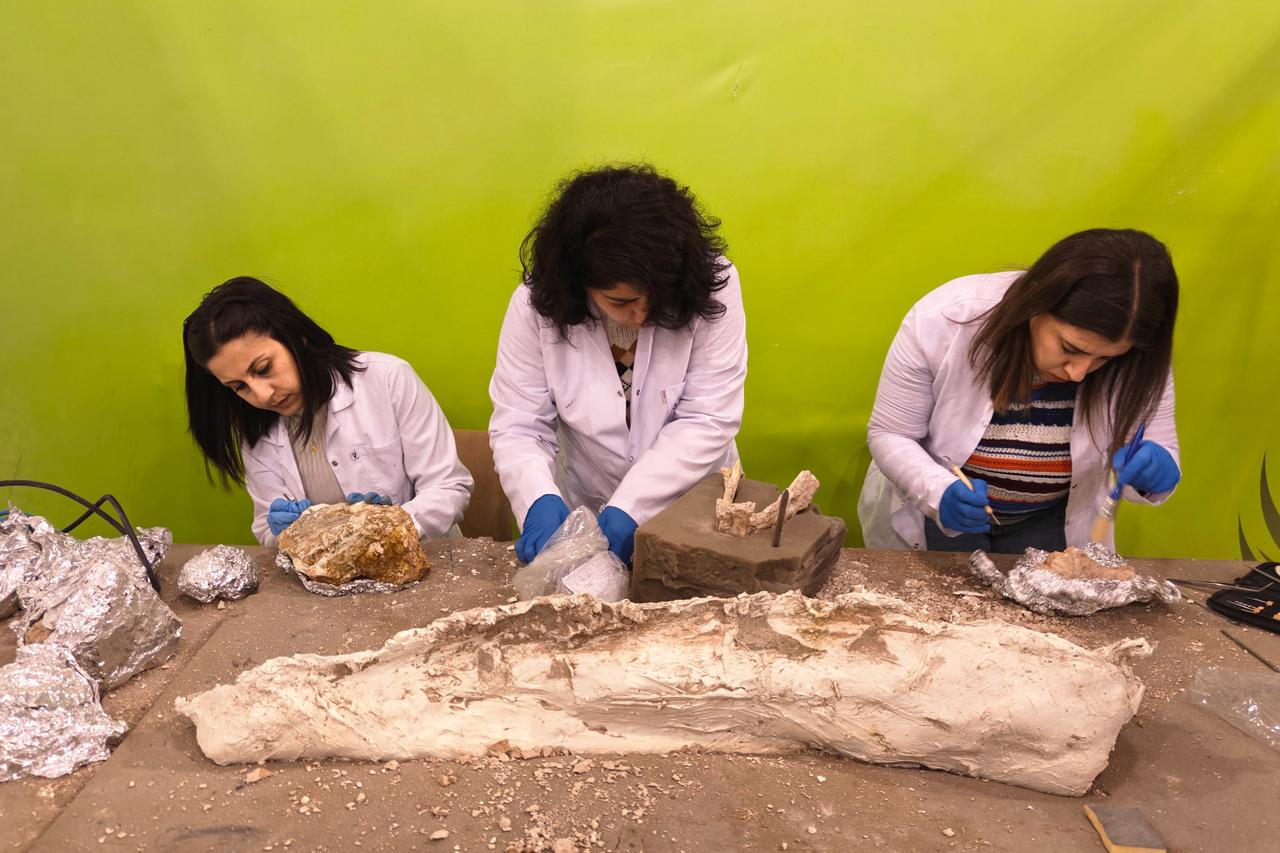
The fossils were recovered as part of ongoing rescue excavations that began in 2018. After fieldwork wrapped up, the remains were transferred to the Kayseri Science Center, where specialists cleaned, restored and reconstructed the pieces before preparing them for exhibition.
Anthropologist Oguzhan Koyluoglu explained that the defining feature of the 2025 finds lies in their relative age compared to earlier discoveries, stating, "The characteristic of the finds uncovered in 2025 is that they are younger than those we discovered in previous years."
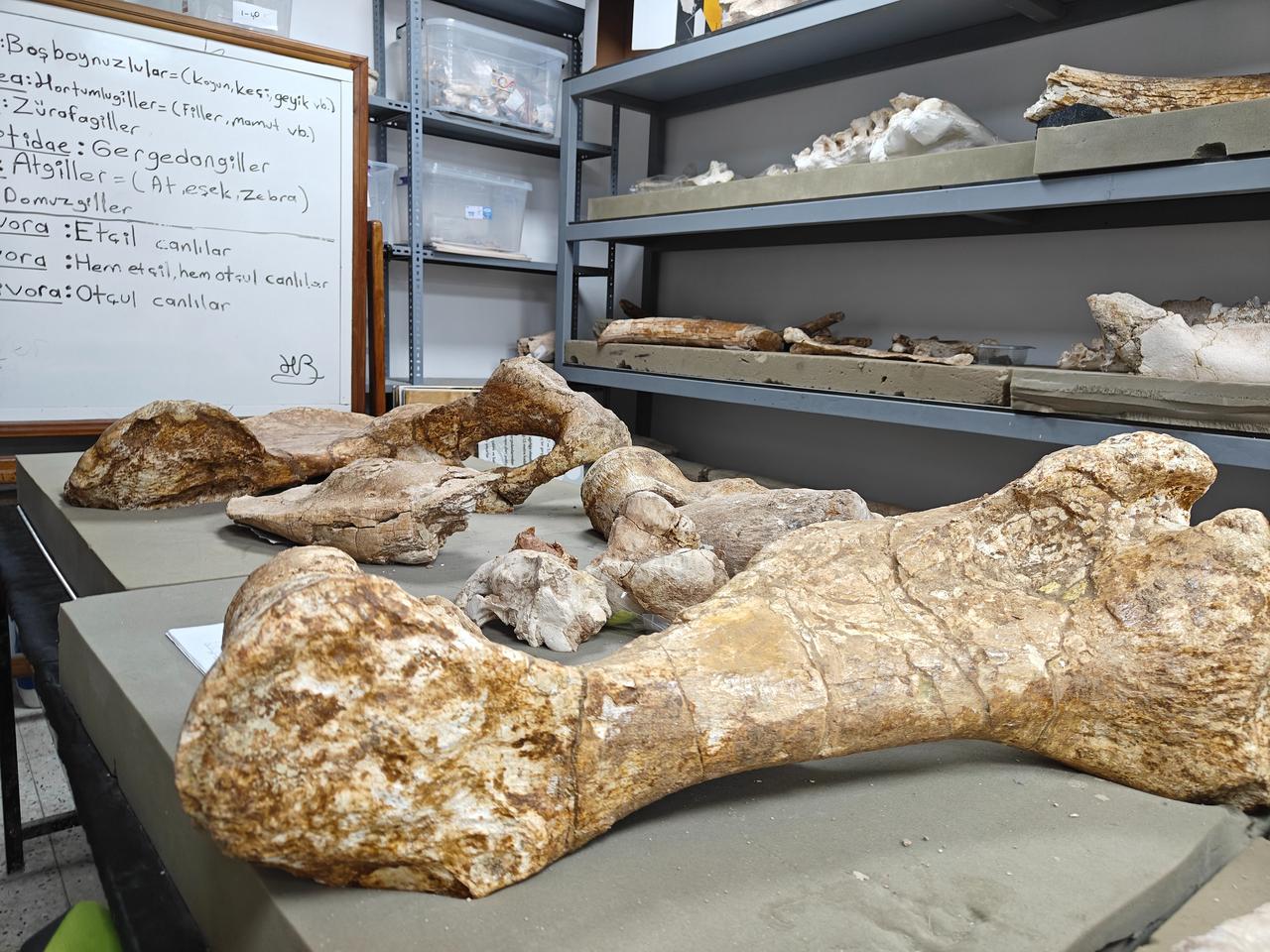
Researchers emphasize that Anatolia’s geographic position made it a natural corridor connecting Europe, Asia, and Africa, allowing diverse animal species to move across continents.
This ecological crossroads, often described as a “land bridge,” refers to regions that enabled migration between continents during prehistoric periods when climates and landscapes differed from today.
According to Koyluoglu, fossils discovered in the Cevril-Tashan area, including a five-tusked skull and the lower jaw of a carnivore, stand out as important indicators of past biodiversity. He noted that such remains help scientists piece together how climate, geography, and habitats changed from prehistoric times to the present day.
The Yamula Dam locality near Kayseri is considered particularly valuable because multiple species live in the same environment. Researchers added that the discovery of a primate fossil in the future would significantly increase the site’s scientific relevance.
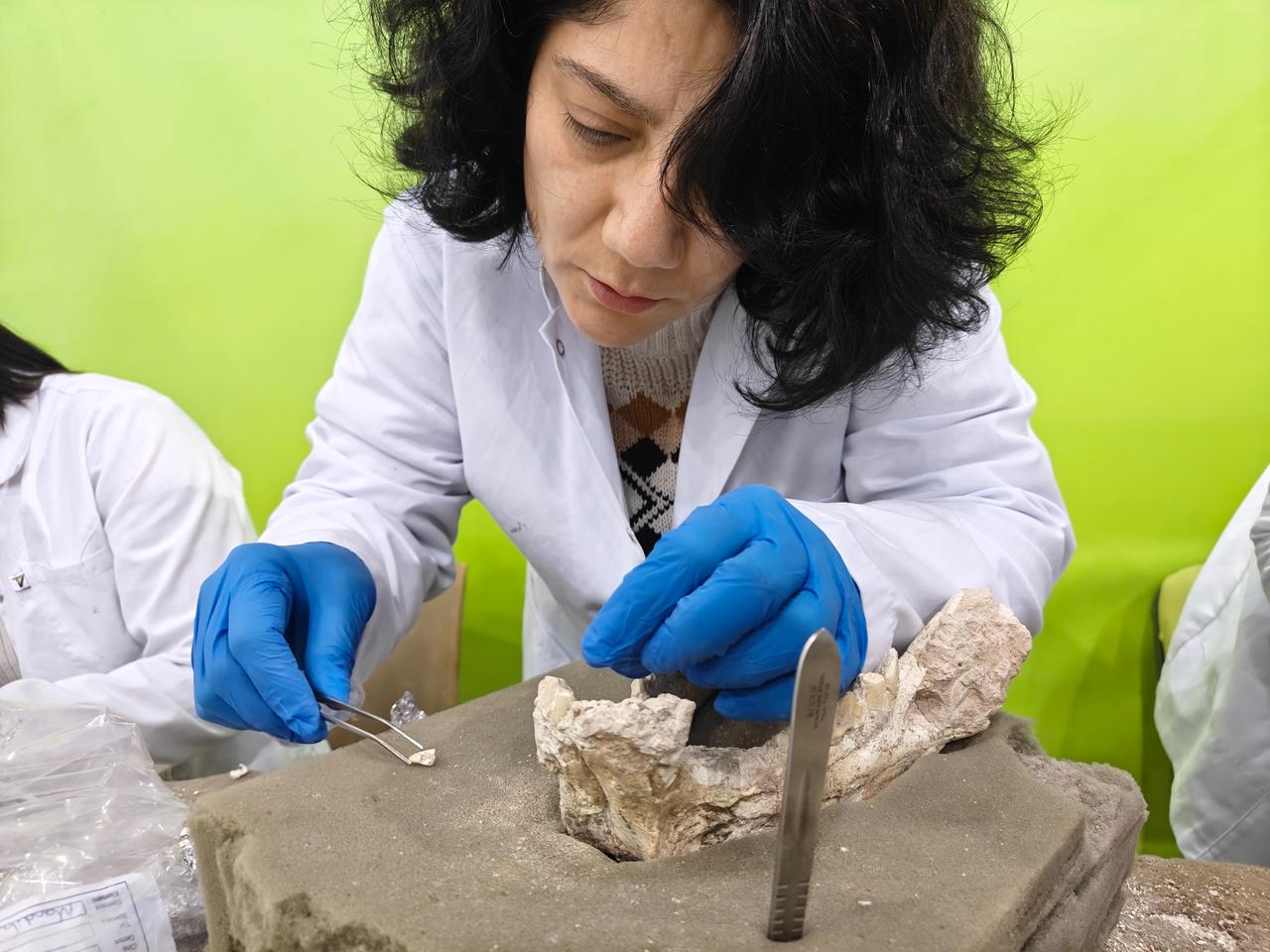
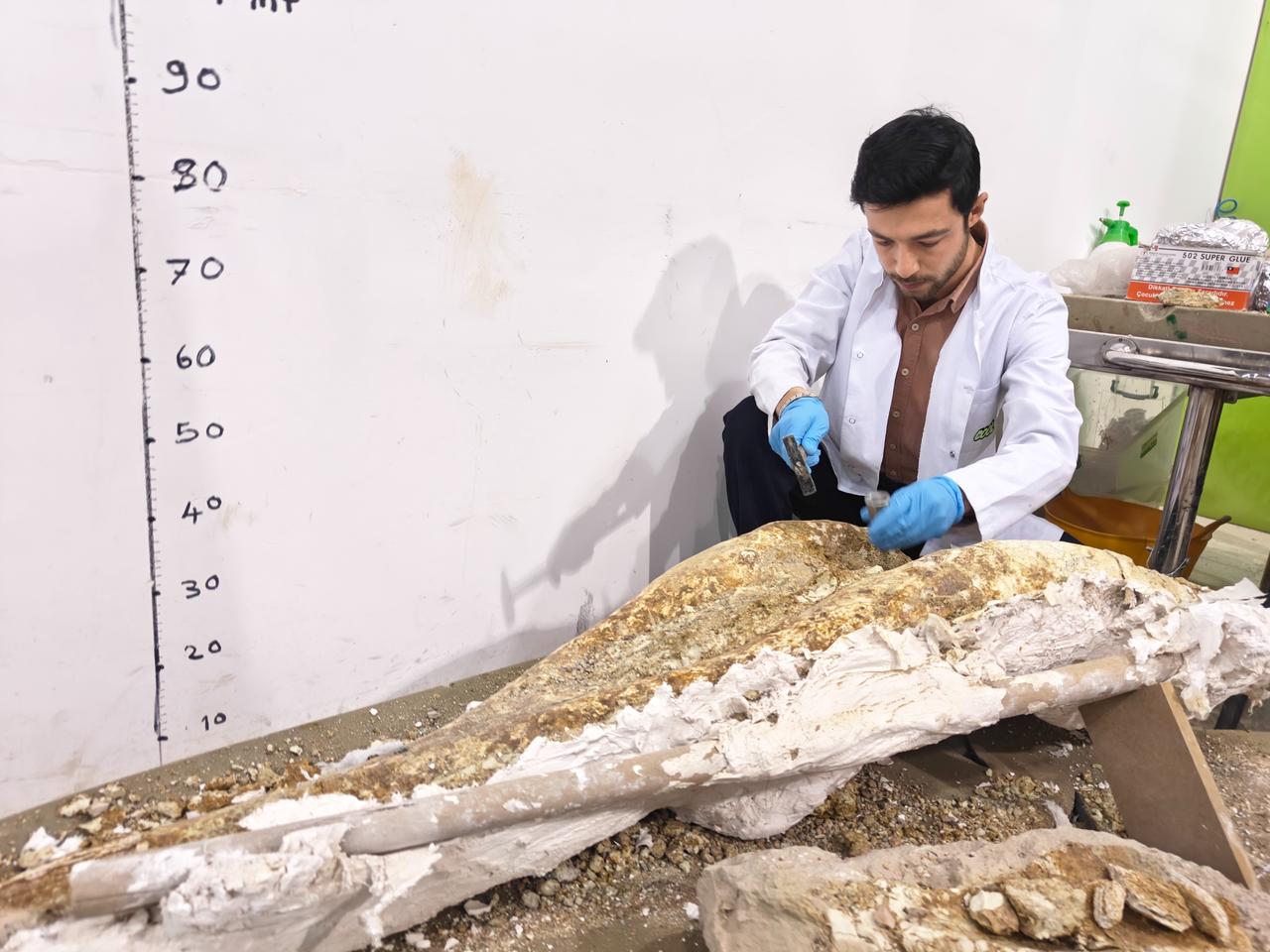
Once excavation seasons come to an end, researchers move their work indoors, where restoration and reconstruction begin.
Fossils are scanned using digital devices and transferred into three-dimensional models, allowing specialists to recreate missing sections through 3D printing and comparative scientific studies.
Where original pieces are absent, researchers complete reconstructions by studying academic publications and reproducing anatomically accurate replicas of the same species. These reconstructed fossils are then mounted and displayed for visitors at the Science Center.
Kayseri Metropolitan Municipality has supported the excavation and research process, framing the project as part of broader efforts to promote science alongside cultural and natural heritage.
Mayor Memduh Buyukkilic said the city aims not only to invest in infrastructure but also to open up opportunities for young people interested in scientific research.
He highlighted that recent analyses extended the estimated age of some fossils from 7.5 million years to 7.7 million years, adding that the data gathered at the site continues to draw attention from the scientific community.
Officials also stressed that fossil studies are ongoing in areas near the Kizilirmak River and around Agirnas, reflecting a wider effort to showcase Kayseri’s geological and cultural diversity within the broader landscape of Türkiye.


 Set as preferred source
 Set as preferred source


 2 min read