Newsletters


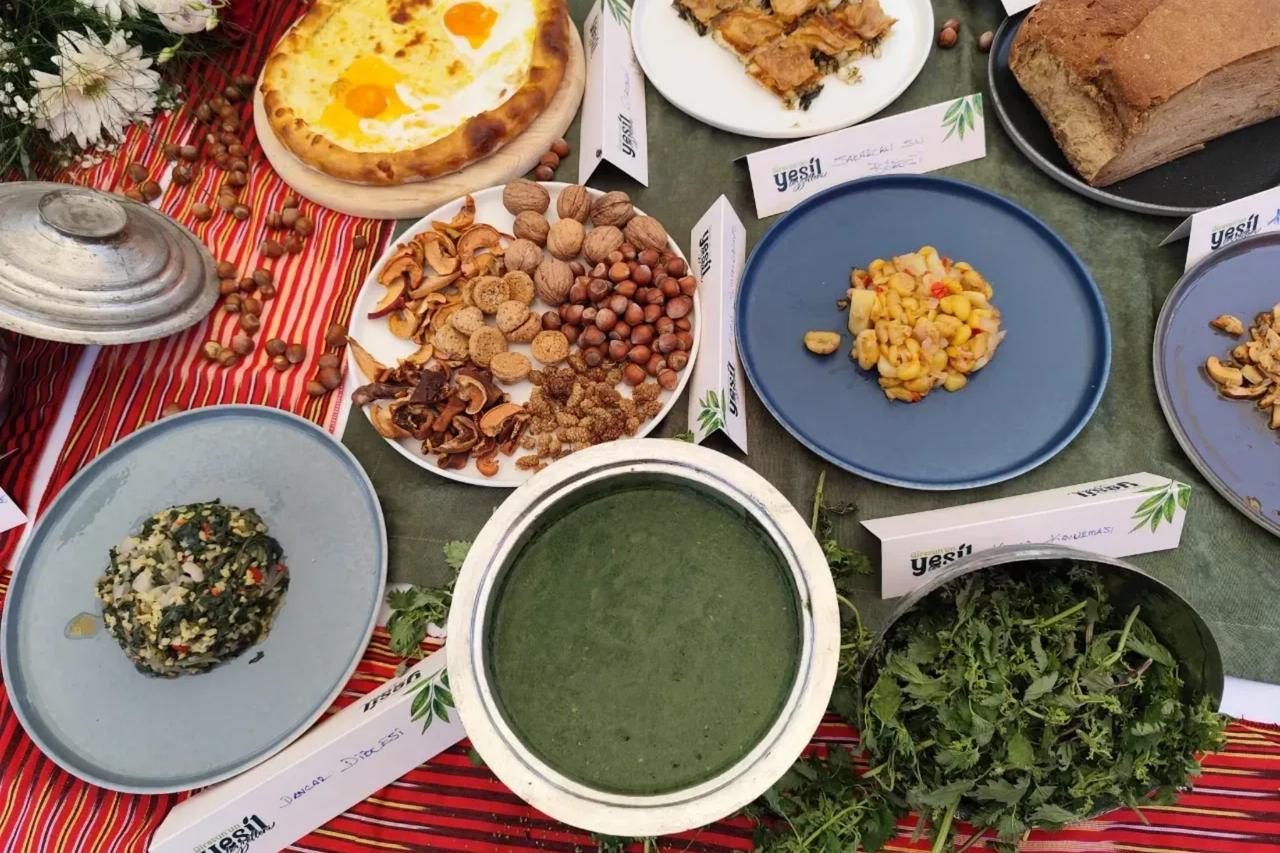


Giresun can step onto the world stage with its cultural depth and distinctive cuisine, but tourism must be shaped without ruining nature, tradition, or local life
Ancient cultures are those that can see, and keep intact, the bond between what is entrusted and what is safeguarded. With that in mind, I try to listen more closely to local actors, to take in regional kitchen standards first-hand, and to carry out mutual knowledge transfers. Gastronomy is an outside-to-inside transfer of resources aimed at boosting prosperity, and the whole world is well aware of that fact. Still, these efforts only pay off when they do so without harming the region’s nature, agriculture, cultural and historical assets, economy, and—most importantly—its people, and without wearing them down.
In light of these realities, I believe Giresun cuisine holds a very special place. Over time, it is entirely possible for Giresun to be carried onto both the national stage and the global one; in that case, the work put in and the effort made should be built up in that direction.
With its history, geography, culture, legends, and traditions; its plateaus, mountains, forests, plains, rivers, the sea, streets, mosques, sanctuaries, fountains, flora, birds, insects, literature, and music—Giresun is an ancient Eastern Black Sea city.
I believe that with its rich cultural heritage, inherited biodiversity, and deep experience across food production and consumption chains, Giresun will be a significant actor in the future, just as it was in the past. It has a calm that seems to carry you away, a constantly shifting light, a distinctive scent, a spirit, a compelling pull, and extraordinary flavors.
Giresun is one of our country’s most exceptional geographies. It is extremely important and valuable that Giresun’s administrators open this unique geography up to tourism in the way it deserves, while keeping it away from negative trends such as excessive and increasingly disturbing levels of haphazard construction and an inability to recognize the value of traditional cuisine.
Remember what the famous Danish philosopher Soren Kierkegaard said: "Life can only be understood backwards, but it must be lived forwards."

Ingredients
For the rolls;
For the boiling water;
For topping;
For the sauce;
Preparation
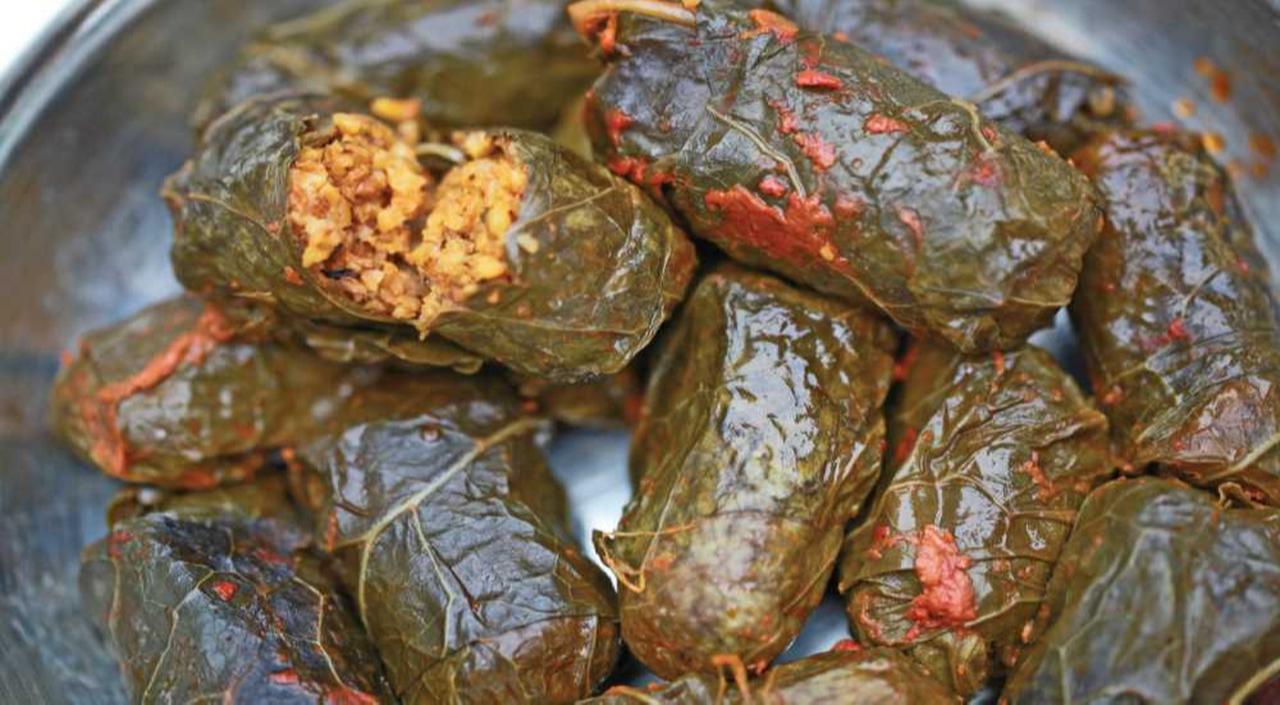
Put the washed karalahana leaves, with the stem parts cut off, into water that has been brought to a boil with rock salt.
Boil for about 5 minutes, take them out, and rinse with cold water.
For the filling, place finely chopped onion, minced meat, washed and drained rice, 3 tbsp olive oil, salt, tomato paste, parsley, and spices in a bowl, then mix.
Once the leaves have cooled, cut out the tough veins with a pointed knife. Place the filling into the leaves and roll them up. Line the bottom of a steel pot with karalahana leaves. Arrange the rolled leaves neatly in the pot. Drizzle 1 tea glass olive oil over them.
Cover them with a suitably sized porcelain plate. Add hot water until it reaches the level of the rolls. Close the lid, bring to a boil over high heat, then turn it down and let it cook on low heat for about half an hour.
Check with a fork; if the leaves have softened, turn off the heat.
For the topping;
Melt the butter in a pan and cook the tomato paste. Crush the garlic in a mortar and mix it with the yogurt.
Transfer the rolls to a serving plate, drizzle over the garlic yogurt and the tomato-paste sauce, and serve hot.
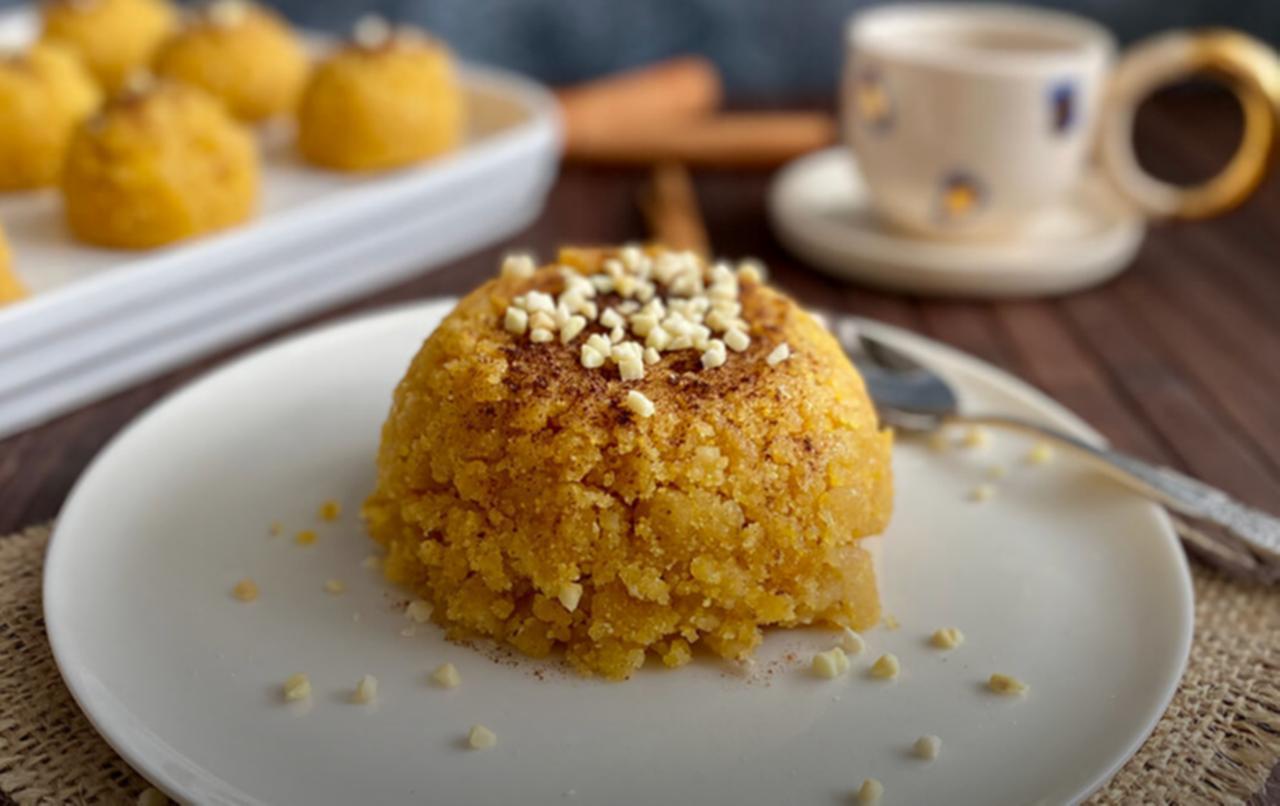
Ingredients
For topping;
For the syrup;
Preparation
Mix sugar with water and set aside to cool. Then, in melted butter, roast the flour over low heat, stirring constantly, until it turns pinkish. Add the crushed hazelnuts into the roasted flour and mix well.
Then take it off the heat and combine it with the cold syrup. Stir again so it can soak up the syrup fully.
Shape it, arrange it on plates, and serve. If desired, garnish with hazelnuts and serve.
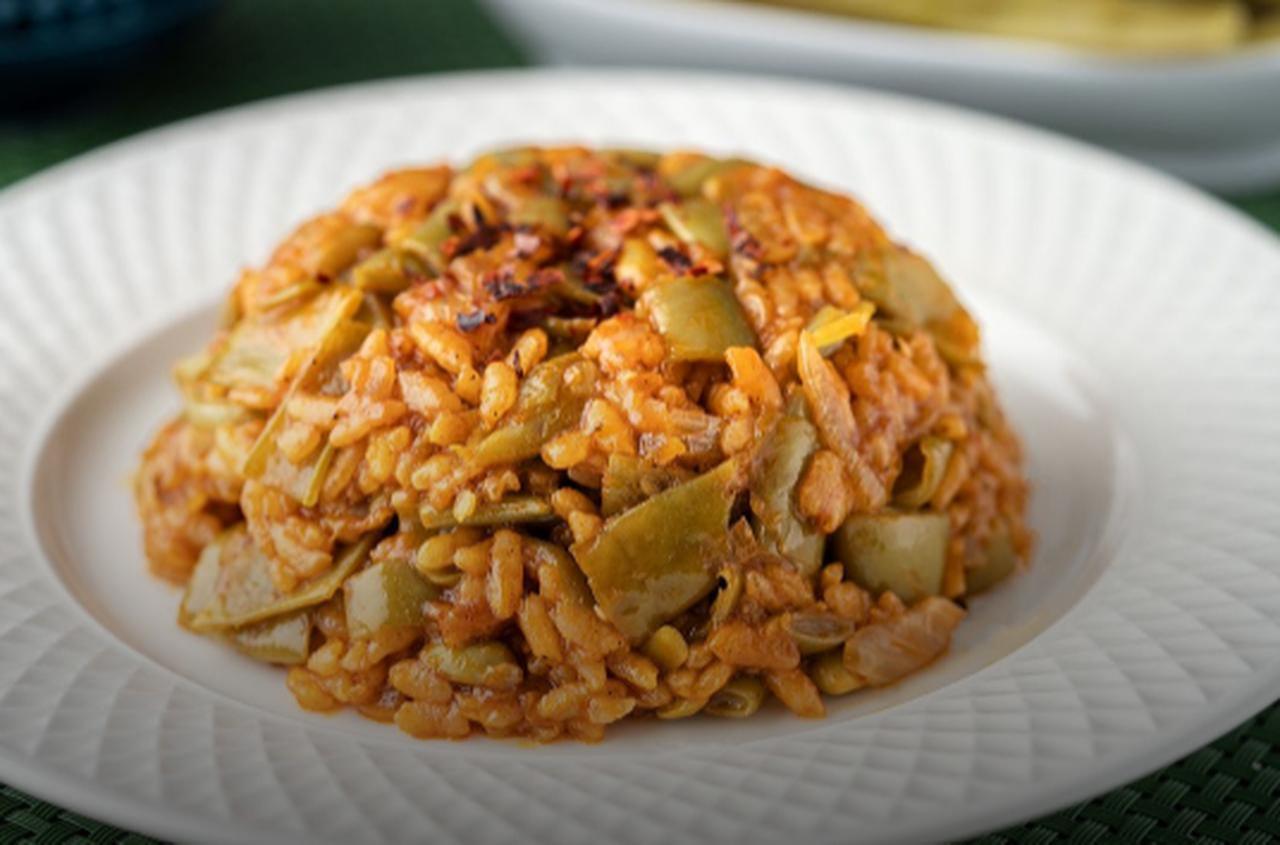
Ingredients
Preparation
Wash the rice and drain it.
Add olive oil and butter to a pot. Once heated, add the chopped onion and start cooking it down.
Add the tomato paste and keep cooking.
Add the pickled beans cut into three to four pieces, stir, and keep cooking until slightly softened.
Add the rice and spices and mix everything together. Add the hot water, cover, and leave it to cook on low heat.
Cook until the rice softens. If it soaks up the water, add a bit more hot water if needed. Serve with yogurt if desired.


 Set as preferred source
 Set as preferred source



 2 min read