Newsletters


The first thing we can say about olive oil is that it is incredibly beneficial for our bodies. Research shows that olive oil offers numerous advantages, from suppressing genes that cause inflammation in the body to reducing the risk of heart disease, and even protecting against type 2 diabetes, Alzheimer’s, and depression.
Composed mainly of monounsaturated fatty acids, olive oil contains only about 12% saturated fat. Experts highlight that unsaturated fats increase beneficial cholesterol while reducing harmful cholesterol. They also emphasize the overall health benefits of the Mediterranean diet, which combines olive oil with raw vegetables and fruits, frequently consumed white meat, and legumes commonly found on the table.
Scientists affirm that the combination of olive oil and green salads is a well-known “health potion.” Studies reveal that when olive oil mixes with green salad, nitrous fatty acids are released, which help regulate blood pressure. Various sources indicate that the saturated fats in olive oil interact with the nitrates in greens to produce beneficial acids.
Similarly, combining nuts or avocado with greens yields the same protective acid. The Mediterranean diet has long been associated with heart health, as its foundation of fresh vegetables, fruits, grains, and olive oil supports balanced and nutritious eating.
While each ingredient in the Mediterranean diet is beneficial on its own, the real secret lies in the chemical reactions that occur when these foods are combined. Philip Eaton, a Professor of Chemical Reactions at King’s College London, concluded that the creation of new compounds in these combinations is the reason behind the diet’s health benefits. Nitrous fatty acids block enzymes that increase blood pressure.
According to Eaton, the Mediterranean diet remains healthy despite its significant use of fats because of these reactions. Research also shows that people who follow a Mediterranean-style diet have a lower risk of Alzheimer’s, and residents of Mediterranean regions experience fewer heart attacks. Another key feature of this diet is its creative use of herbs and spices to develop diverse flavors.
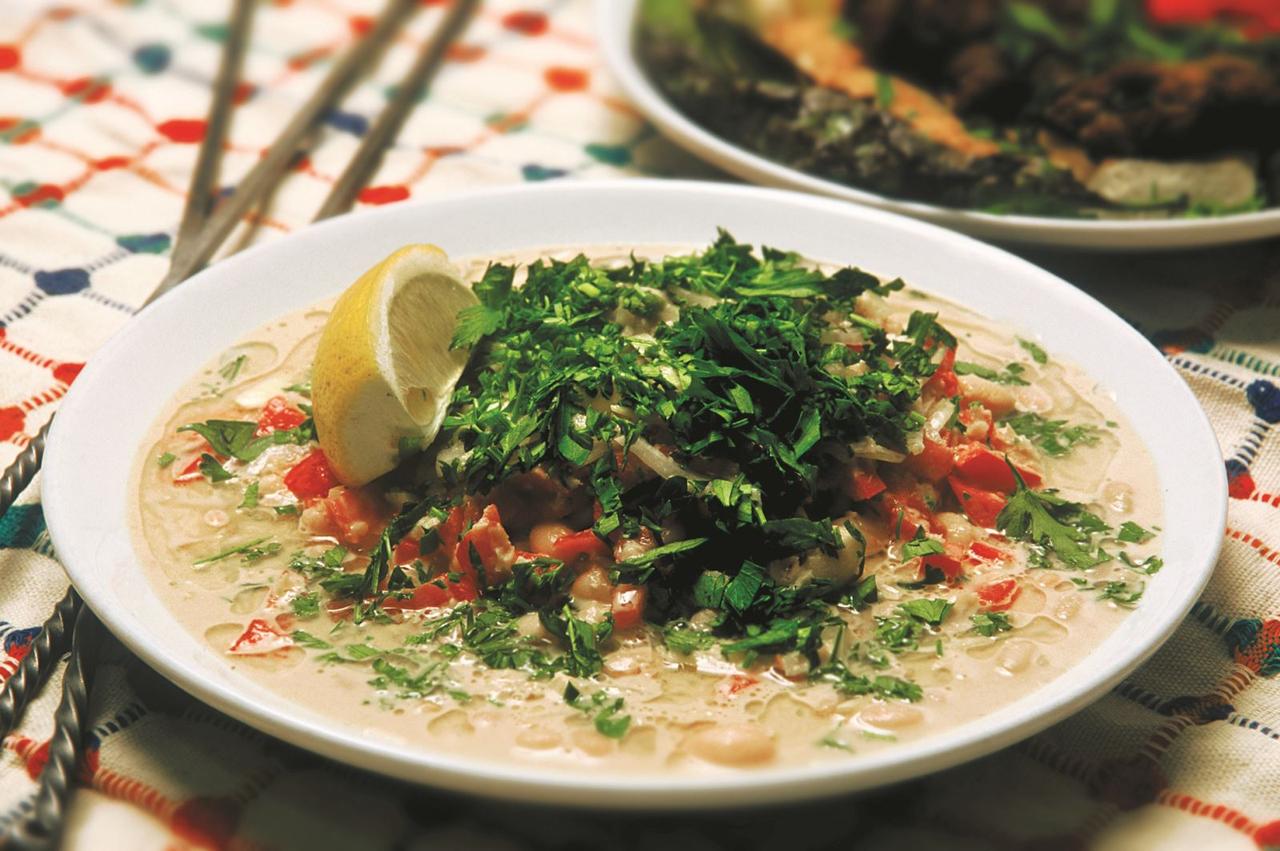

Experts recommend a dietary framework known as the “food pyramid,” which aligns closely with traditional Mediterranean eating habits. At the base of the pyramid are grains, followed by fruits and vegetables. Smaller portions include meat and dairy products, which should be consumed less frequently.
The smallest section of the pyramid contains fats. This pyramid provides a practical guide for eating in Mediterranean countries. Among all these components, the most beneficial source is olive oil, rich in monounsaturated fatty acids.
Scientific research shows that olive oil increases good cholesterol while lowering the harmful type. For thousands of years, Mediterranean people have relied on a diet rich in fruits, vegetables, whole grains, walnuts, legumes, fish, olive oil, and lean meats. The Mediterranean diet contains powerful antioxidants called polyphenols and beneficial fatty acids. Compounds such as hydroxytyrosol acetate in olive oil, omega-3 in fish, and resveratrol in grape seeds and other plants contribute to these health benefits.
Contemporary studies indicate that the Mediterranean diet may also help protect against cancer. Irish researchers, for example, report that olive oil inhibits the growth and spread of colon cancer cells. Polyphenols, the strong antioxidants in olive oil, are considered its hidden secret. Türkiye’s culinary culture, shaped by the merging of multiple civilizations, reflects these healthful traditions, especially along its southern Mediterranean coast.
Ingredients:
Preparation:
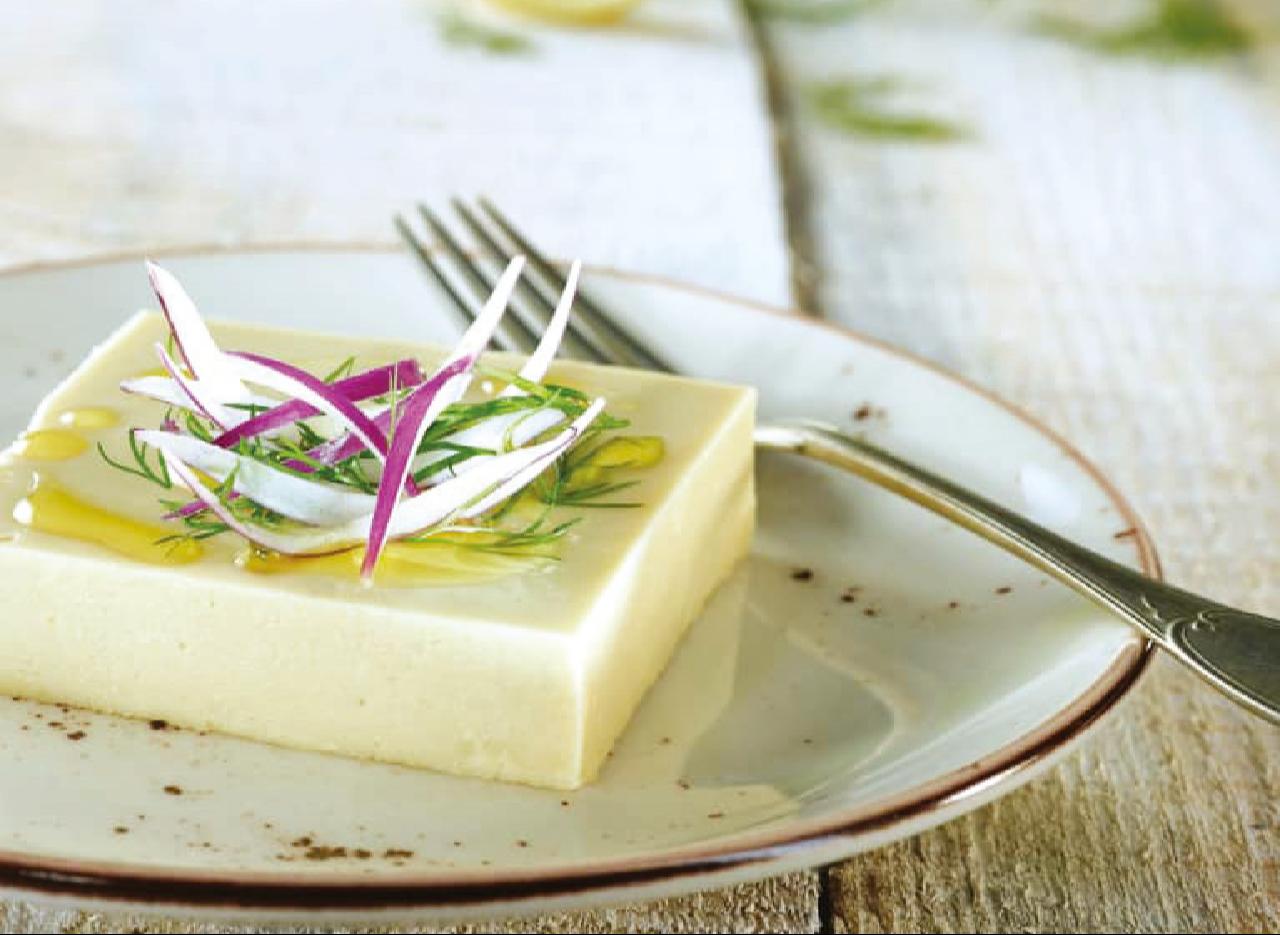
Chop the onion and sauté it in olive oil until pink. Wash the beans, drain, and add them to the pot. Pour in 3 cups of hot water and stir. Add the sugar cube and lemon juice, then cook on medium heat, stirring occasionally until the beans are tender. Add water if necessary. Once the beans are soft and most water is absorbed, turn off the heat and blend into a puree. Pour into a greased square mold, let it cool to room temperature, then refrigerate for 3–4 hours. Serve sliced, garnished with olive oil and dill.
Ingredients:
Topping:
Preparation:
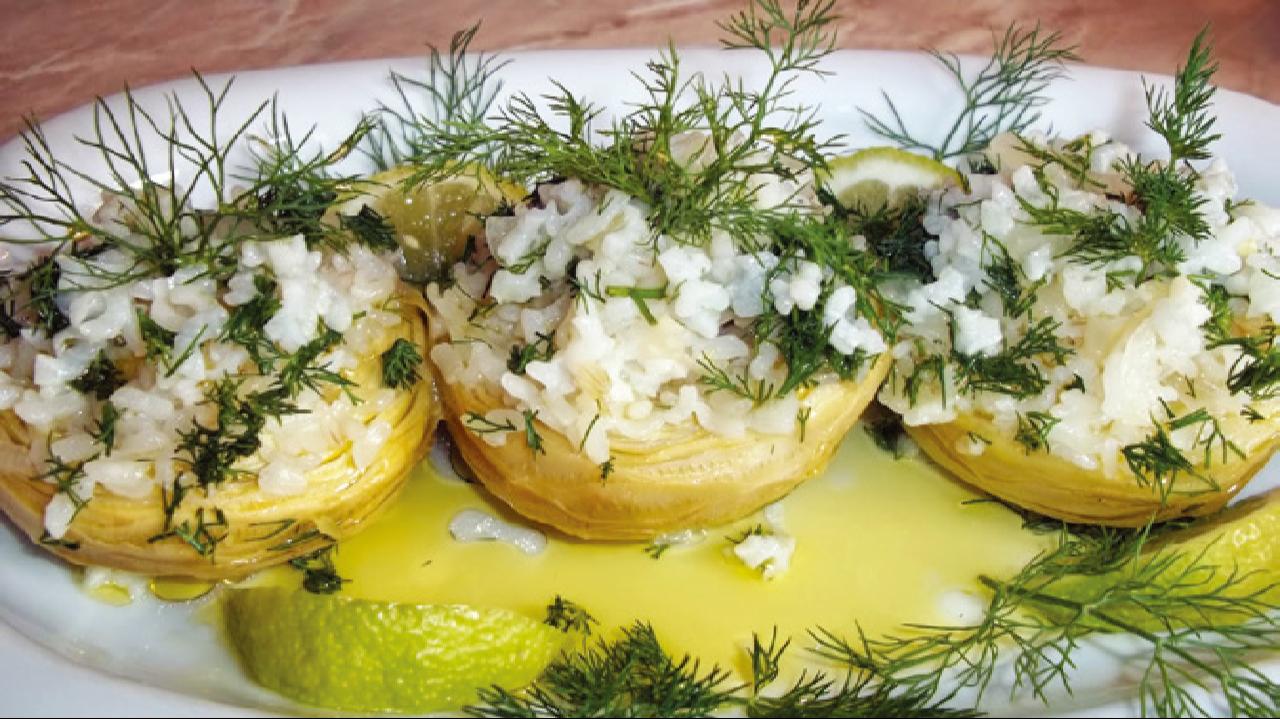
Heat olive oil in a wide pan. Chop the onion into small cubes and sauté with rice over low heat for one minute. Place the artichokes in the pan with their base facing down. Drizzle lemon juice, salt, and sugar over them. Pour hot water to cover half of the artichokes, cover, and cook over low heat until tender. Cool to room temperature, then sprinkle with dill and olive oil before serving.

Ingredients:
Preparation:
Trim and wash purslane leaves thoroughly. Remove stems from strawberries and slice as desired. Crush the nuts and cut the cheese into cubes. Mix all ingredients in a salad bowl. For the dressing, combine lemon juice, pomegranate molasses, salt, and plenty of olive oil, then drizzle over the salad. Optional substitutions: use walnuts instead of hazelnuts or plums/green apples instead of strawberries.


 Set as preferred source
 Set as preferred source


 3 min read