Newsletters


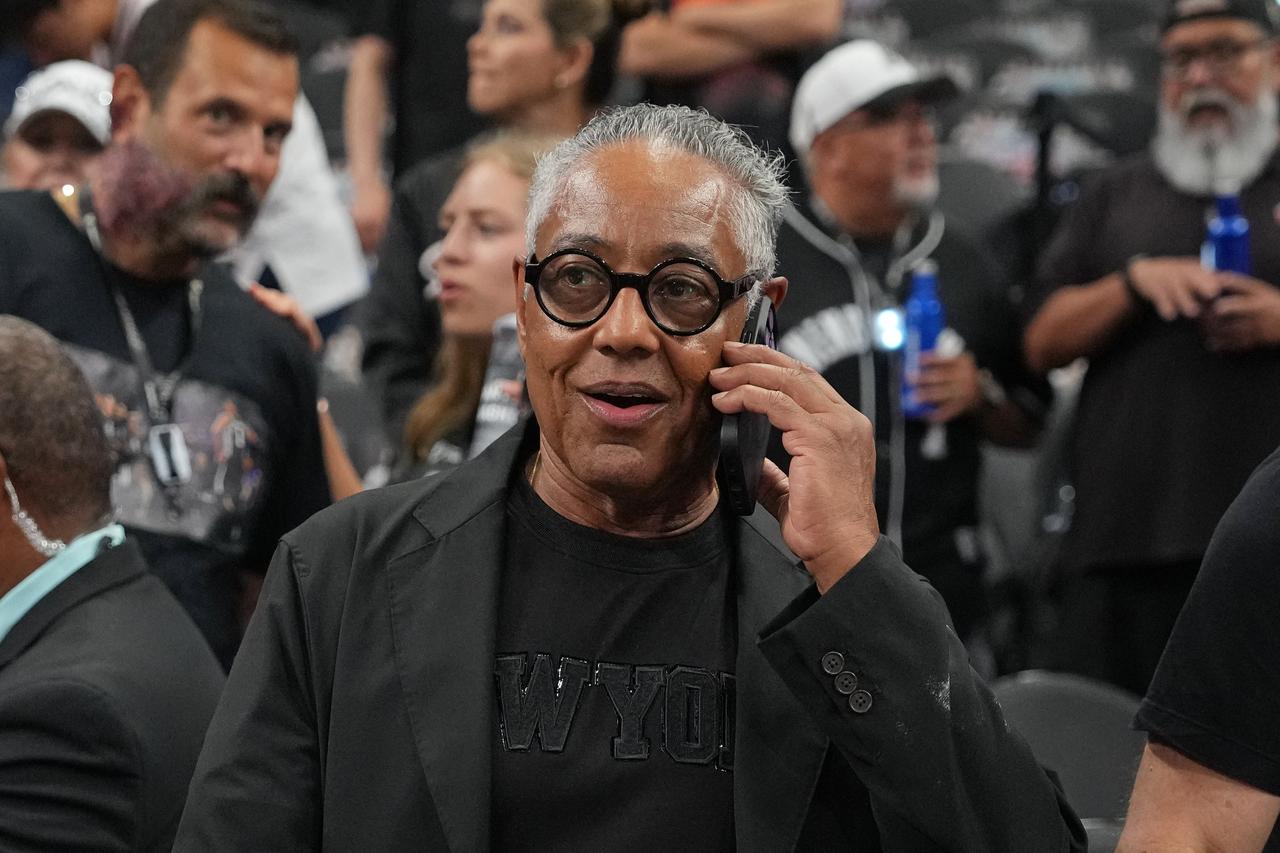


American actor Giancarlo Esposito, widely recognized for his portrayal of Gus Fring in the television series Breaking Bad, has converted to Islam, Saudi media reported on Sunday.
According to Saudi Gazette, General Entertainment Authority Chairperson Turki Al-Sheik said Esposito recited the Shahada—the Islamic declaration of faith—and joined members of a production team in prayer at a mosque during his time in the country.
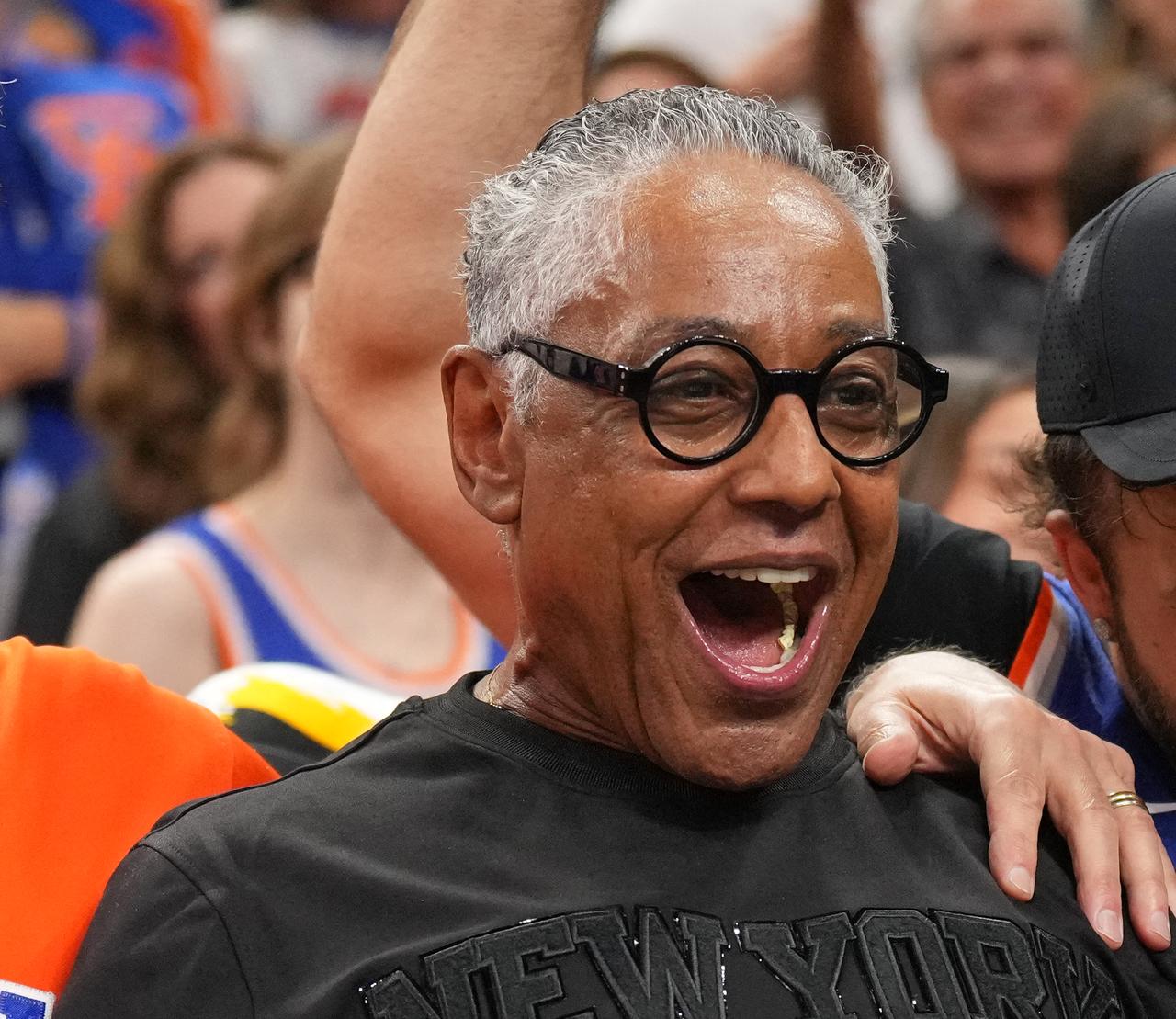

Al-Sheik said the actor's decision came after positive experiences in Saudi Arabia and interactions with Muslims on set.
"He was very impressed by the community and the hospitality he encountered," Al-Sheik said, as quoted by the outlet.
A video circulated on social media showed Esposito praying alongside members of the production team inside a mosque, the report added.
Esposito was born in Copenhagen, Denmark, to an Italian father and an African-American opera singer mother, and settled in Manhattan at the age of 6. His career began early, with his first Broadway appearance at age 7 and a stage debut in 1968.
Over the following decades, he built an extensive body of work, collaborating with director Spike Lee on several films, including School Daze, Do the Right Thing, Mo' Better Blues, and Malcolm X, before appearing in acclaimed productions such as The Usual Suspects and Homicide: Life on the Street.
His portrayal of Gus Fring in Breaking Bad, which aired from 2009 to 2011, earned him two Critics' Choice Television Awards for Best Supporting Actor in a Drama Series, as well as three Primetime Emmy Award nominations.
He later reprised the role in the prequel series Better Call Saul and went on to appear in The Mandalorian, The Boys, and a string of other major productions.

Esposito stars in 7 Dogs, which is considered one of the most expensive Arabic-language films ever made. The movie is directed by Moroccan-Belgian filmmakers Adil El-Arbi and Bilall Fallah, who are known for Bad Boys: Ride or Die.
This project represents a major partnership between Saudi Arabia’s film industry and international action cinema.
Al-Sheik pitched the idea to the directors at the Saudi premiere of Bad Boys, saying he wanted to create an Arabic-language action film with a Hollywood style.
He compared it to movies like Bad Boys, John Wick, and Mission: Impossible. The story is by Al-Sheik, and Mohamed El-Dabbah wrote the screenplay.
The story centers on an elite Interpol officer who catches a top member of a secret global crime group. A year later, the syndicate returns to smuggle a dangerous new drug called Pink Lady across the Middle East. The officer must then team up with his former captive to take down the network from the inside.
Most of the film was shot in Saudi Arabia, though it also shows places like Shanghai, Mumbai, and Egypt. This production highlights Saudi Arabia’s goal to become a key player in global filmmaking.
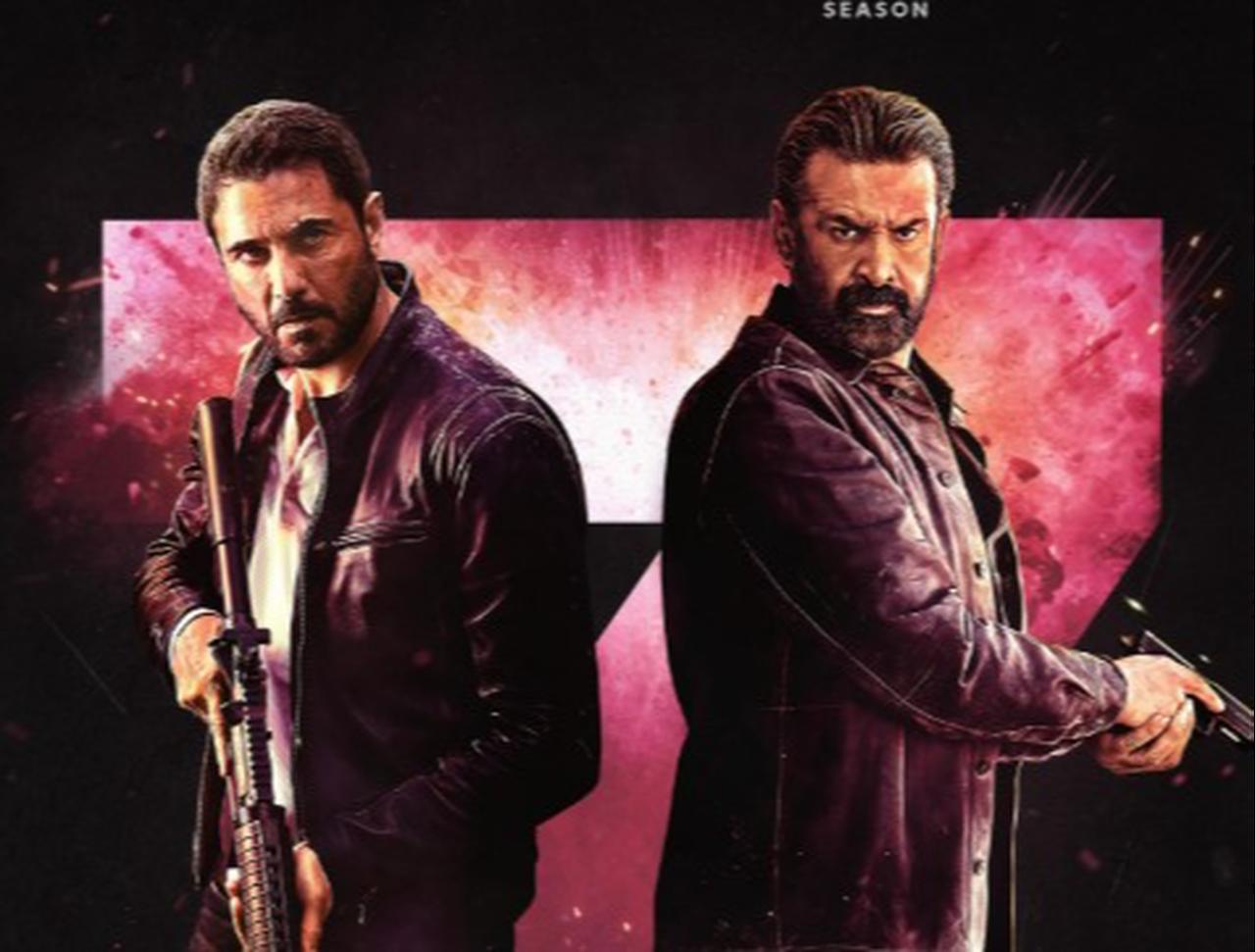
The cast features Monica Bellucci, Bollywood stars Salman Khan and Sanjay Dutt, and martial arts actor Max Huang. The movie came out on May 27.
Esposito called the experience a highlight of his career. 'I was very excited to shoot in a foreign country, especially in an Arab country, Saudi Arabia,' he said at the Cairo premiere. 'I think there could be a future in Arabic movies because they can portray many different countries in one place.'
Saudi Arabia has set aside $71.2 billion for its entertainment sector as part of Vision 2030, a plan to diversify the economy and grow the country’s cultural industries.
In September 2024, Saudi Arabia launched a $100 million film fund to attract international studios and support local productions.
The Saudi film market is expected to reach $950 million by 2030. As the industry grows, it could create more than 7,000 direct and indirect jobs.


 Set as preferred source
 Set as preferred source



 6 min read