Newsletters


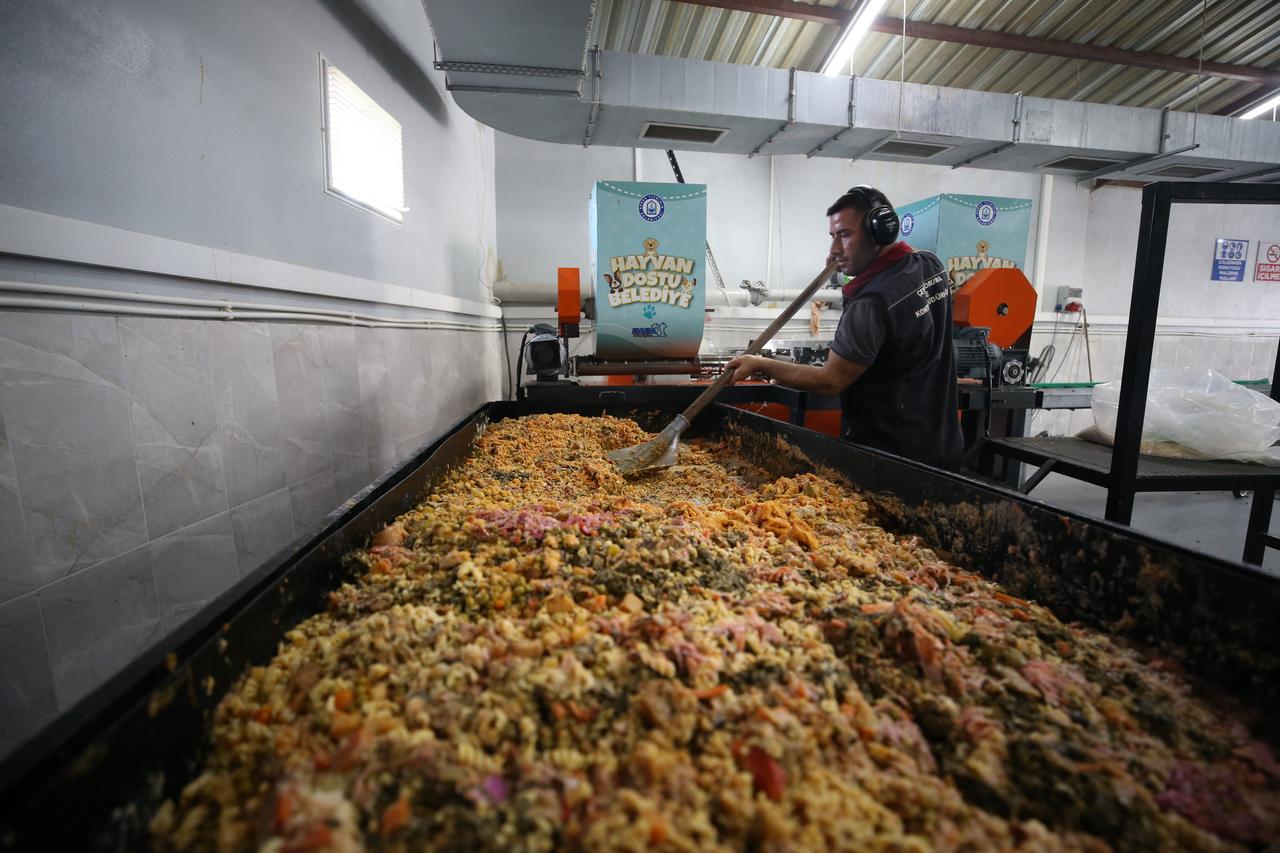


A feed production plant set up under the “Zero Waste Project” (Türkiye’s national waste reduction initiative) in Bursa, northwestern Türkiye, converts leftovers gathered from public institutions’ cafeterias and private businesses into dry food for stray animals.
The facility, which began operating three years ago within the Yildirim Municipality Stray Animal Treatment Center and Natural Living Area, prevents waste and saves on feed purchases.
The food waste is checked by veterinarians and food technicians, and necessary minerals are added according to the animals’ needs before it is turned into dry food.
The animals at the shelter are fed with the food produced at the facility.
Yildirim Mayor Oktay Yilmaz said that an average of 20 tons of food waste is collected each month at the facility, which has been actively operating for about three years.
Saying that 10 tons of dry food are produced each month from the processed leftovers, Yilmaz said: “First of all, we prevent food waste here. We collect the waste food of many facilities, restaurants and cafeterias in the city.”
He said the municipality meets the care and feeding needs of the animals in its own care home and natural living areas entirely with the food produced at the facility.
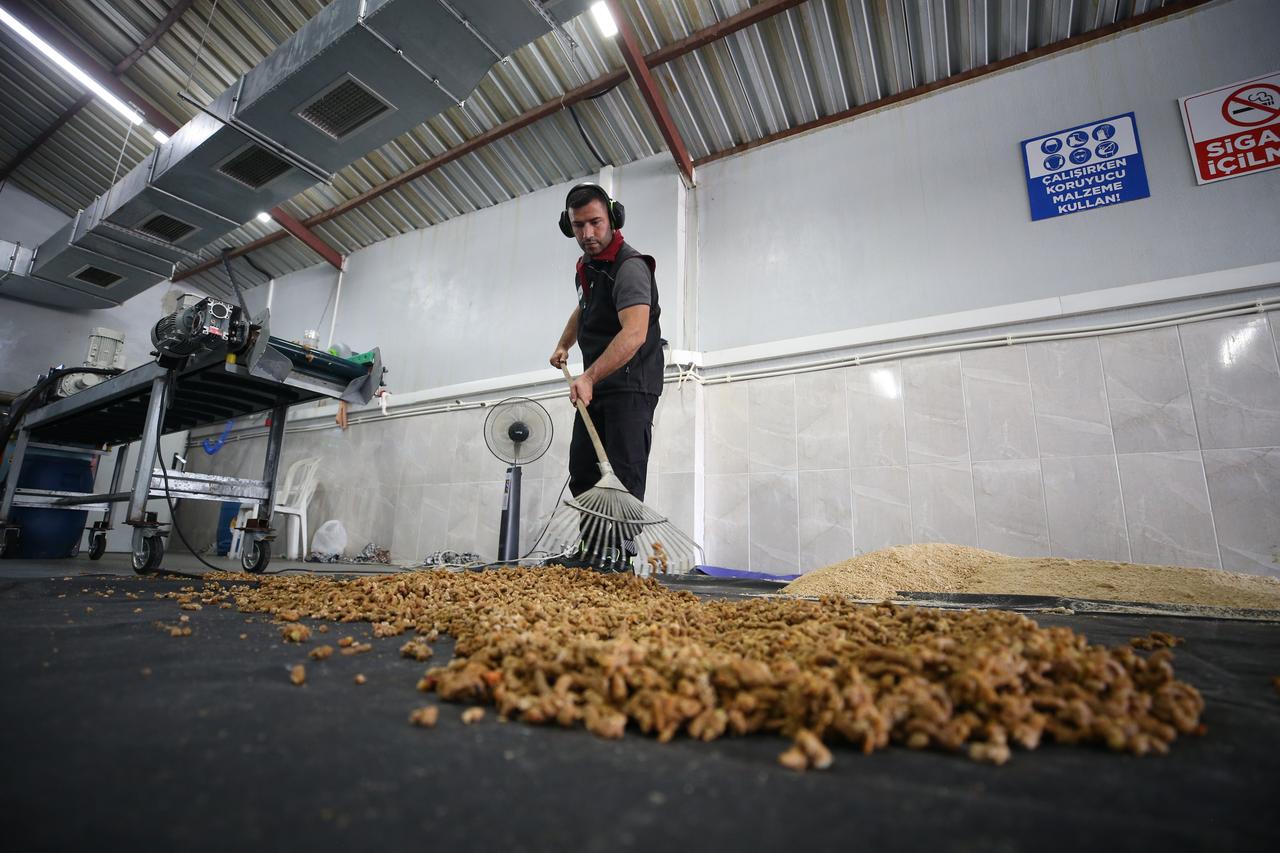

Yilmaz stressed that the food produced is used only to feed stray animals under the municipality’s responsibility.
Explaining that the nutritional values of the waste food are balanced to make it safe for animals, he said the meals contain nutrients such as meat, chicken, and fish.
He added that they are processed in the production machines at a certain temperature in 24-hour cycles, so they are turned into pellets without losing their nutritional value.
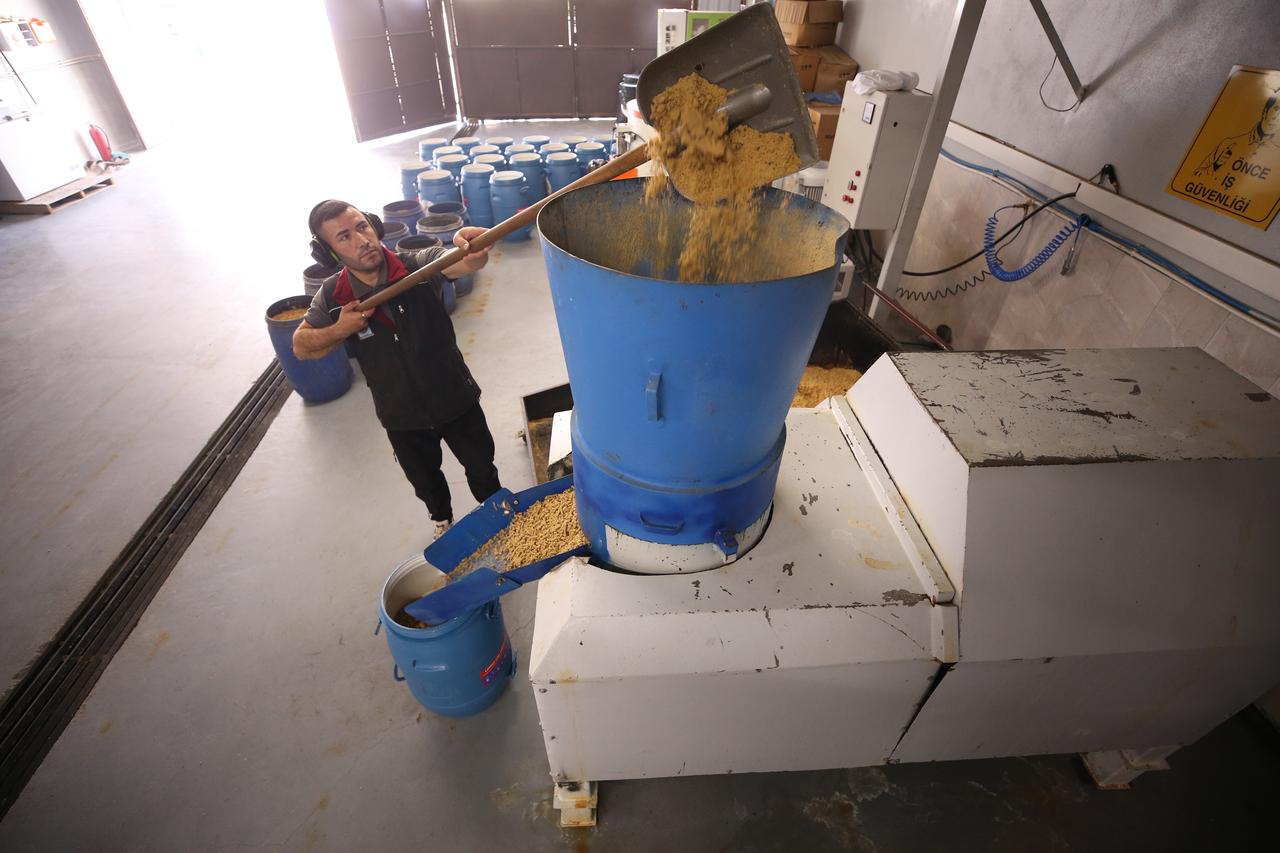
Noting that the facility was launched under the Zero Waste Project, Yilmaz said, "Our primary goal is to prevent food waste. In this context, we turn the waste food we collect into feed and ensure our animals are fed.”
He said the food is not given to citizens, as the law prohibits it.
“Our facility has been serving for about three years, and we have not encountered any problems to date,” Yilmaz said, adding, "In coordination with our veterinarians and relevant units, we continue to produce the healthiest food possible by preserving the nutritional value for stray animals.”


 Set as preferred source
 Set as preferred source


 2 min read