Newsletters


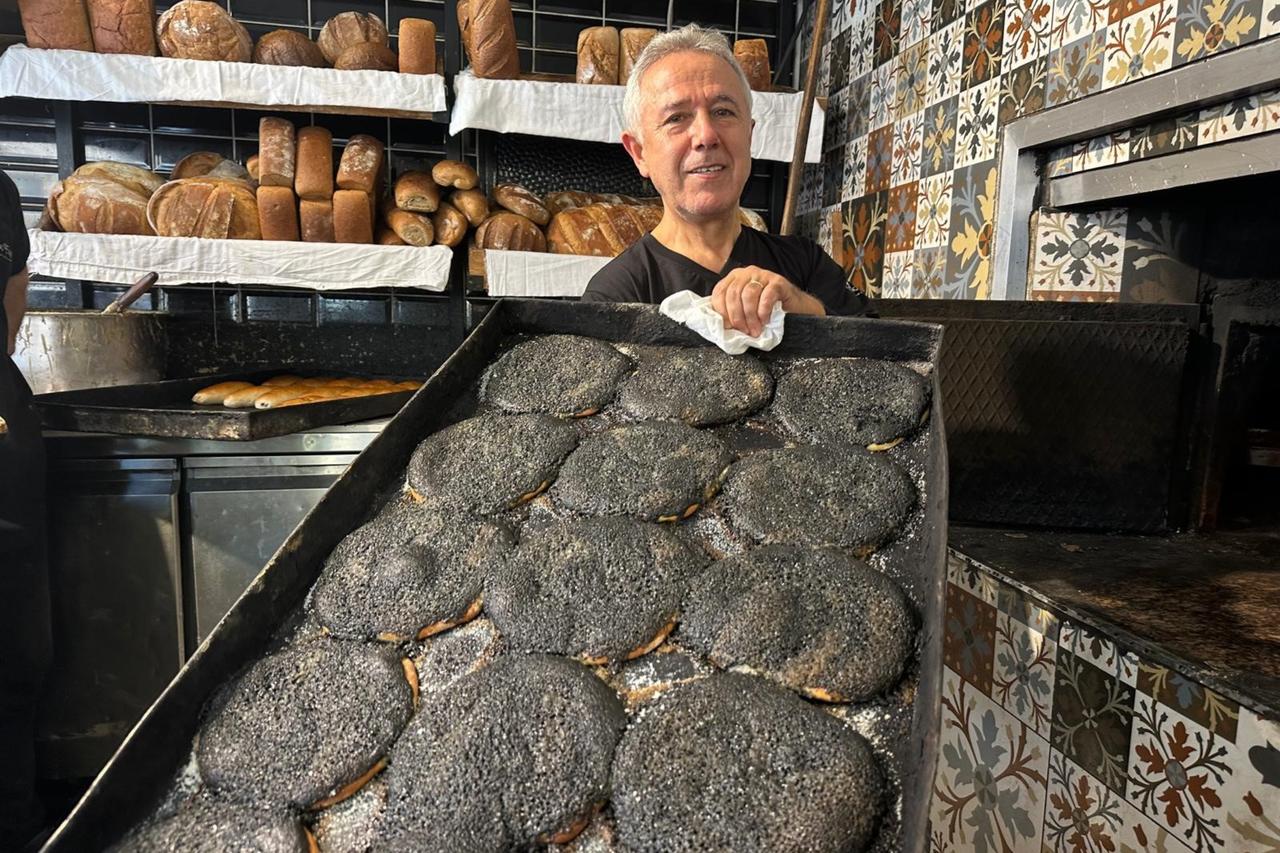


A historic bakery in Bursa has introduced a new interpretation of the city’s geographically indicated “Bursa tahinli pidesi,” using black sesame tahini sourced from Peru. The twist on one of the city’s most beloved breakfast flavors quickly won praise from visitors intrigued by the unusual color yet impressed by its taste.
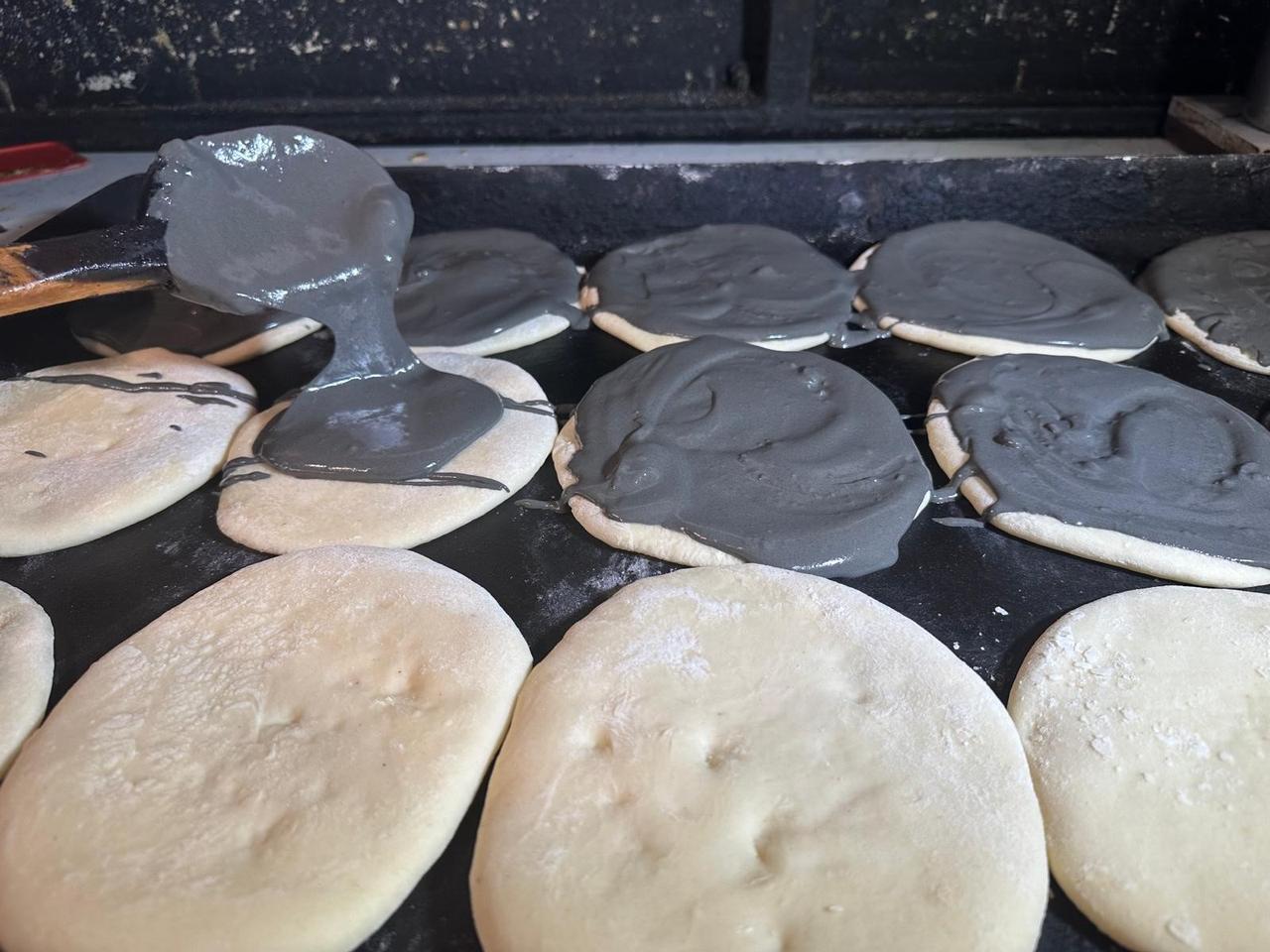

The “Bursa tahinli pidesi,” granted geographical indication status in 2021, has long been a staple for locals, especially when baked in wood-fired stone ovens. Bulent Mertyurek, who runs the century-old bakery, said the business passed from its former Greek owner to the Inanc family in 1928 and has kept its oven burning ever since.
Mertyurek, who originally trained as a psychologist, said he takes pride in producing traditional items such as tahinli pide and walnut lokum in a setting surrounded by the city’s historic tombs, mosques, and museums. He added that a helvahane, a confectionery workshop from the Ottoman era, once operated in the area, hosting “helva gatherings,” a long-lived social ritual. “This place is more than a bakery,” he explained. “It carries a tradition of over a hundred years, along with both spiritual and urban culture.”
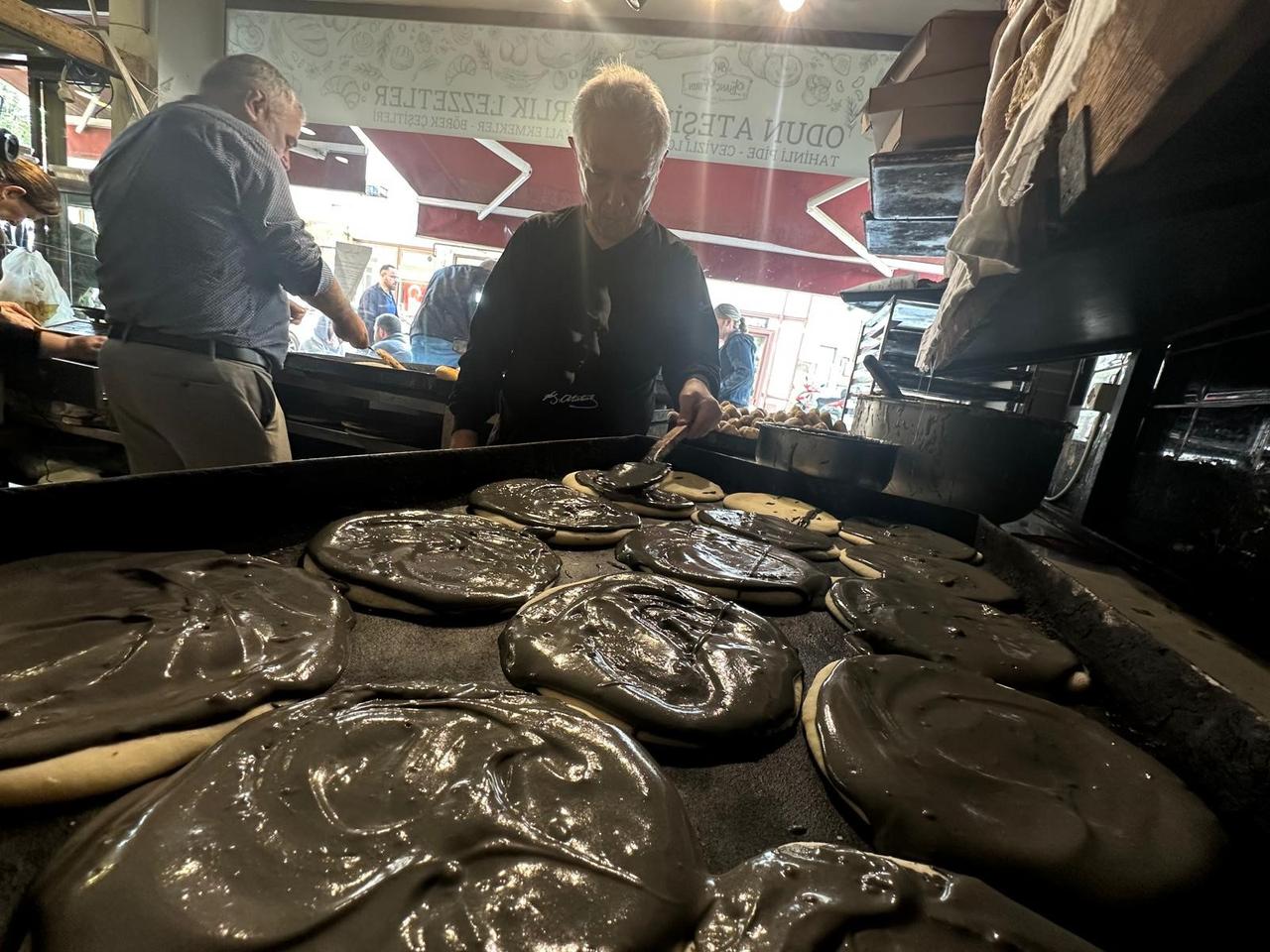
Seeking a fresh take on the well-known flavor, the bakery experimented with black sesame—grown in Peru, as well as in India and Ethiopia. After processing the imported seeds into tahini, they baked their first batch of black-tahini pides.
Mertyurek said that some customers were initially hesitant because of the dark color, yet those who tasted it appreciated its lighter, distinctive flavor. He noted that black sesame tahini is richer in calcium, fiber, magnesium, and antioxidants because it is ground with its shell.
 1 min read
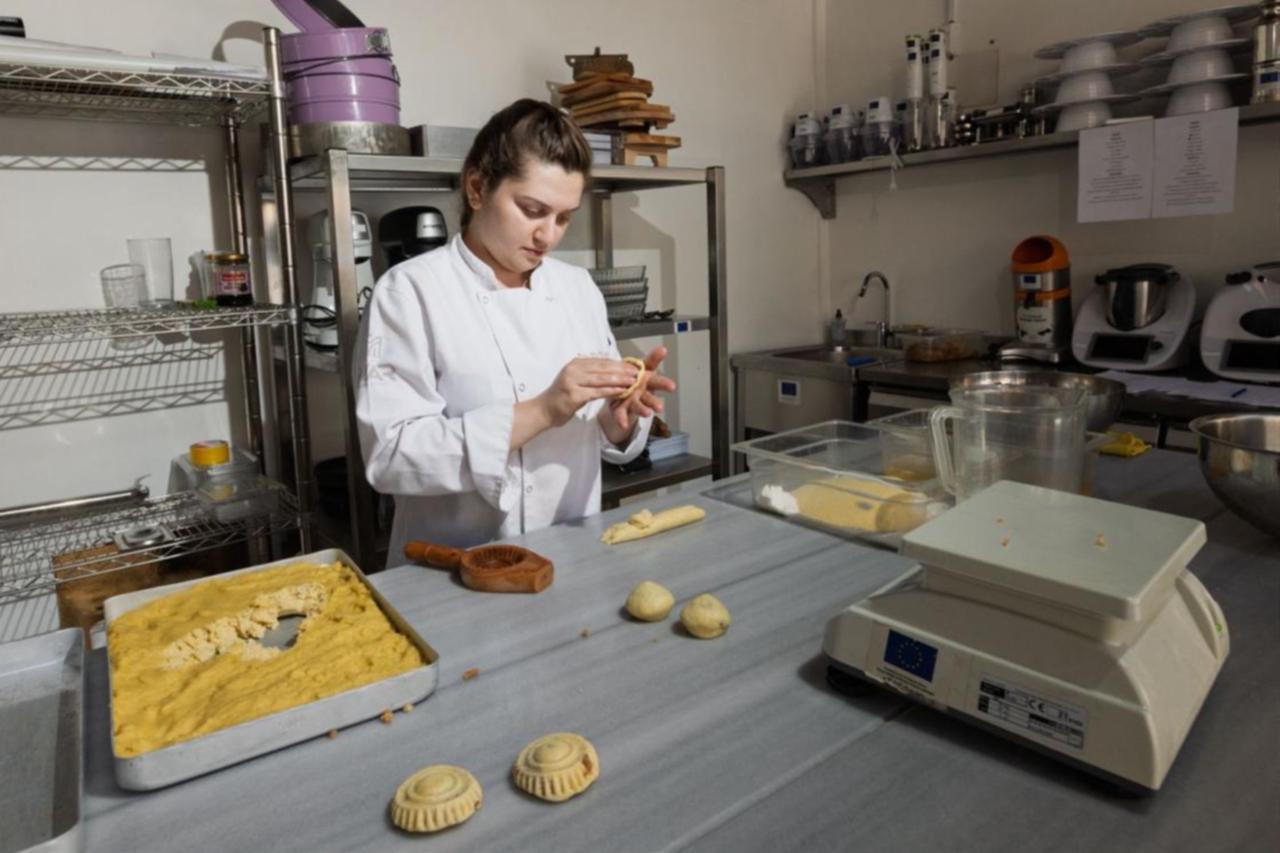
Black sesame tahini is widely consumed across Africa and Asia, where it is often believed to have health-supporting properties. In African cultures, it is described as “a cure for every ailment except death,” while in traditional Chinese medicine, it is said that eating black tahini for 100 days helps the body heal. Japan is among the countries where it is most common, used not only in pastries but also in soups and salads.
The bakery has begun selling the tahini itself and even launched small-scale trials to grow black sesame in Türkiye, hoping to eventually cultivate a local supply.
A family visiting from Safranbolu tried the black-tahini pide after following the bakery online and said they enjoyed experiencing the new flavor during their visit.
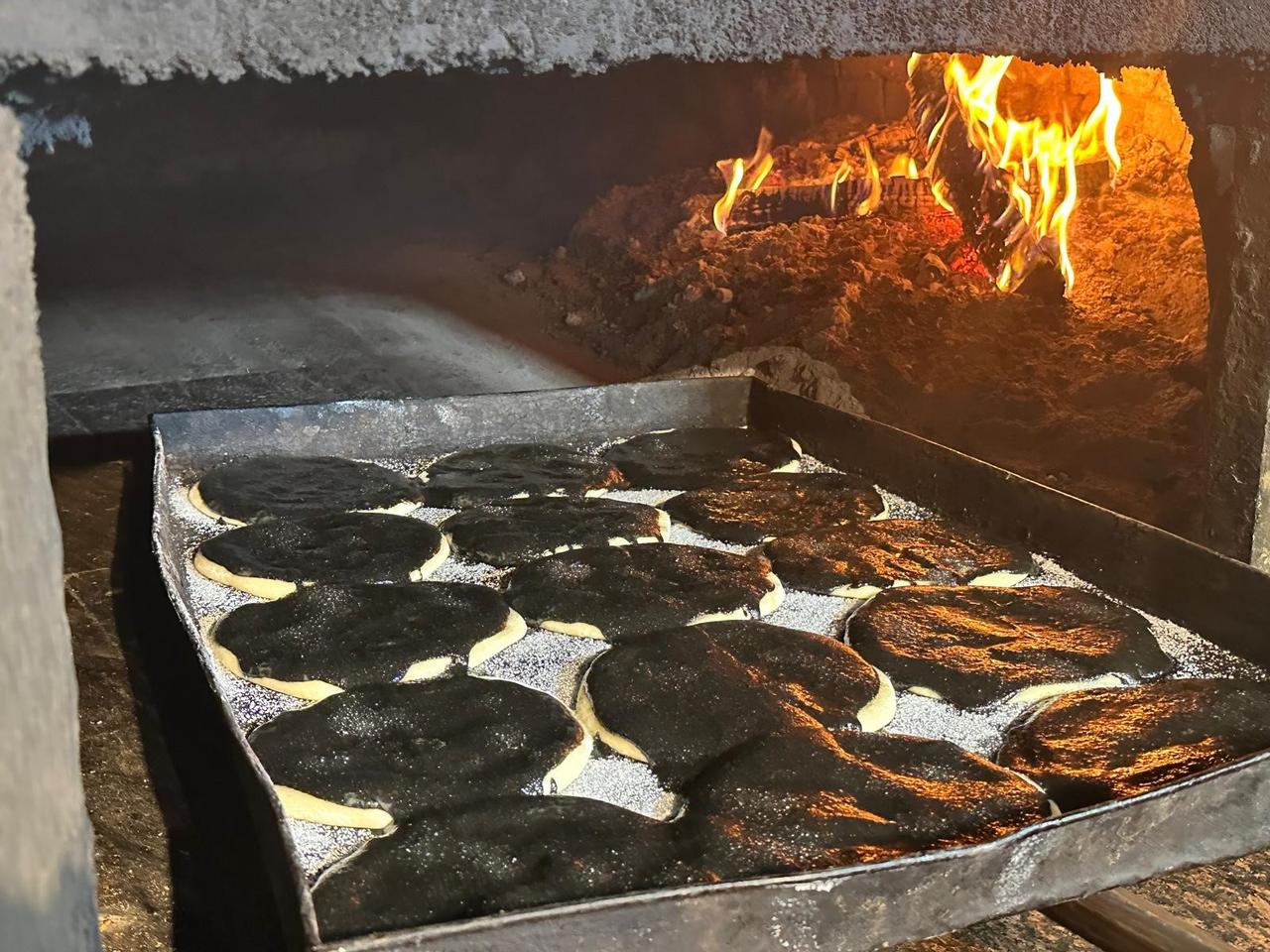
Black tahini is known for its high levels of magnesium, phosphorus, calcium, iron, healthy fats, and antioxidants. When used regularly, it is believed to support digestion and ease conditions such as gastritis.
Its B-vitamin, phosphorus, and zinc content is also associated with memory support and brain development, while its healthy fats make it popular for heart and skin health.


 Set as preferred source
 Set as preferred source


 1 min read