Newsletters


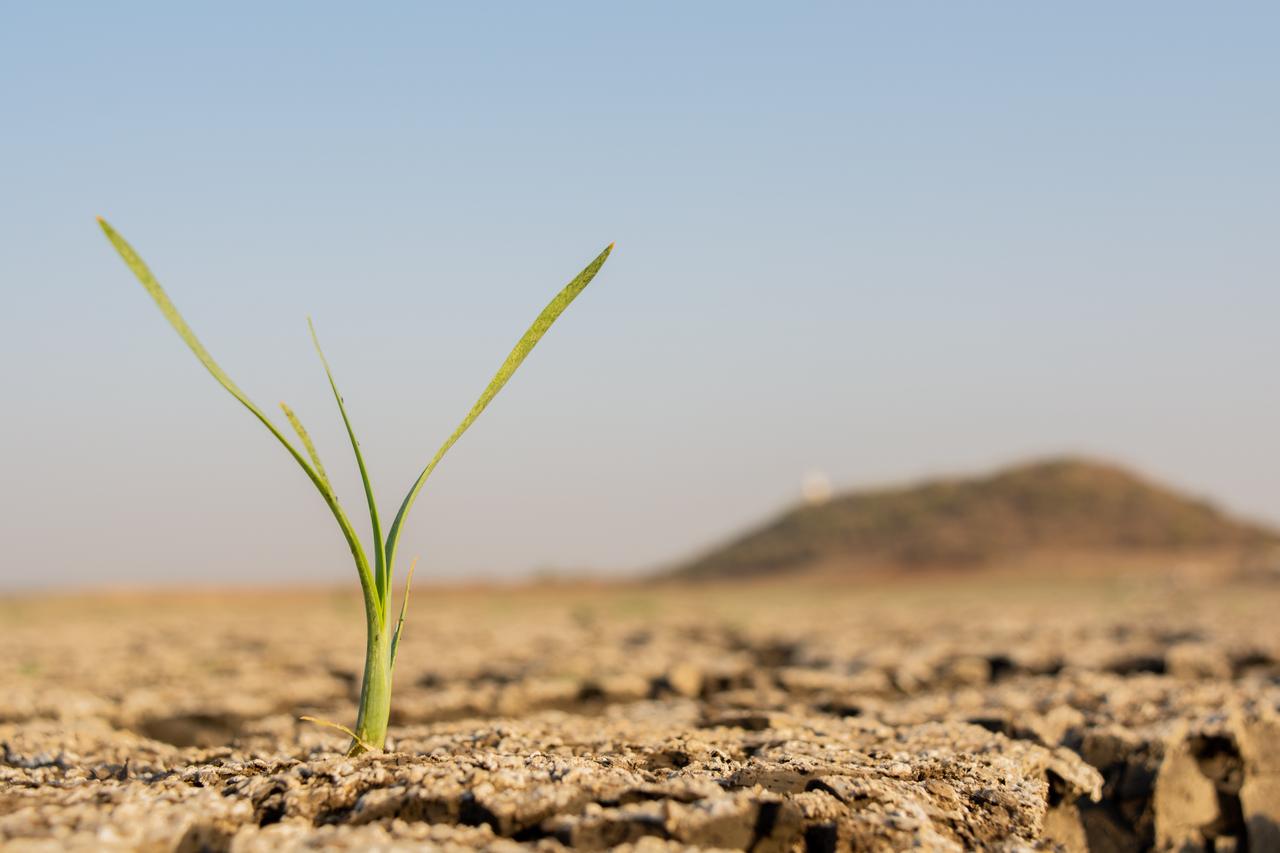


Plants may be better equipped for climate change than many other organisms, researchers say, according to a Live Science report.
Scientists point to survival strategies that evolved over millions of years, including regrowth, seed storage, rapid evolution and flexible photosynthesis.

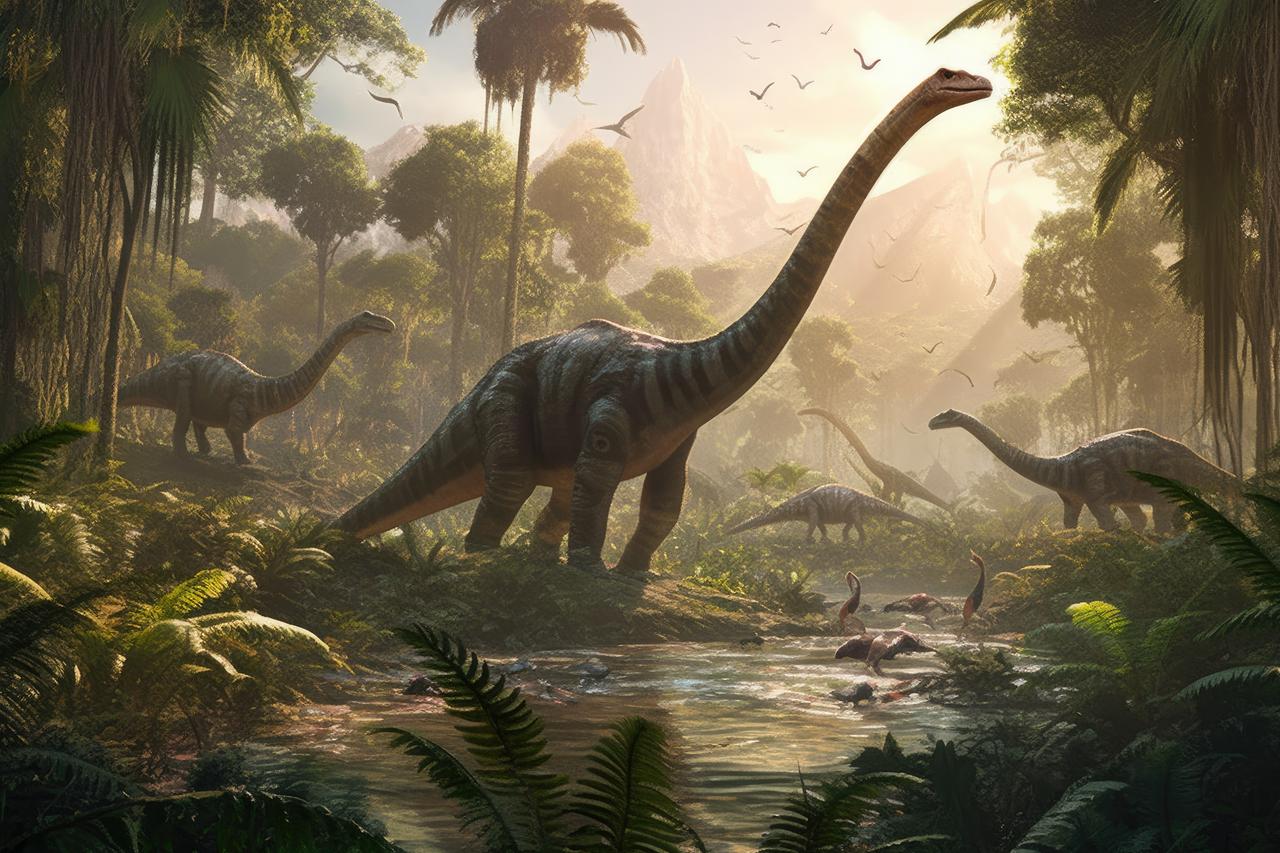
About 251 million years ago, volcanic eruptions in Russia's Siberian Traps released large amounts of carbon dioxide for about a million years. Equatorial temperatures spiked, oceans became acidic and many marine animals suffocated. The Permian-Triassic mass extinction, known as the “Great Dying,” destroyed more than 90% of ocean life and 70% of land species.
A refuge of pollen-producing plants in what is now China survived the event and supported the animals that did. Chris Thomas, an ecologist and evolutionary biologist at the University of York in the United Kingdom, said plants often show resilience because individuals and populations move poorly. As a result, many species evolved ways to survive in place.
Amy Angert, a botanist at the University of British Columbia in Canada, said many plants keep growing throughout life and can sprout new branches after losing old ones.
The new growth responds to current conditions rather than past ones. Resprouting holm oak trees coped better with drought than non-resprouting trees.
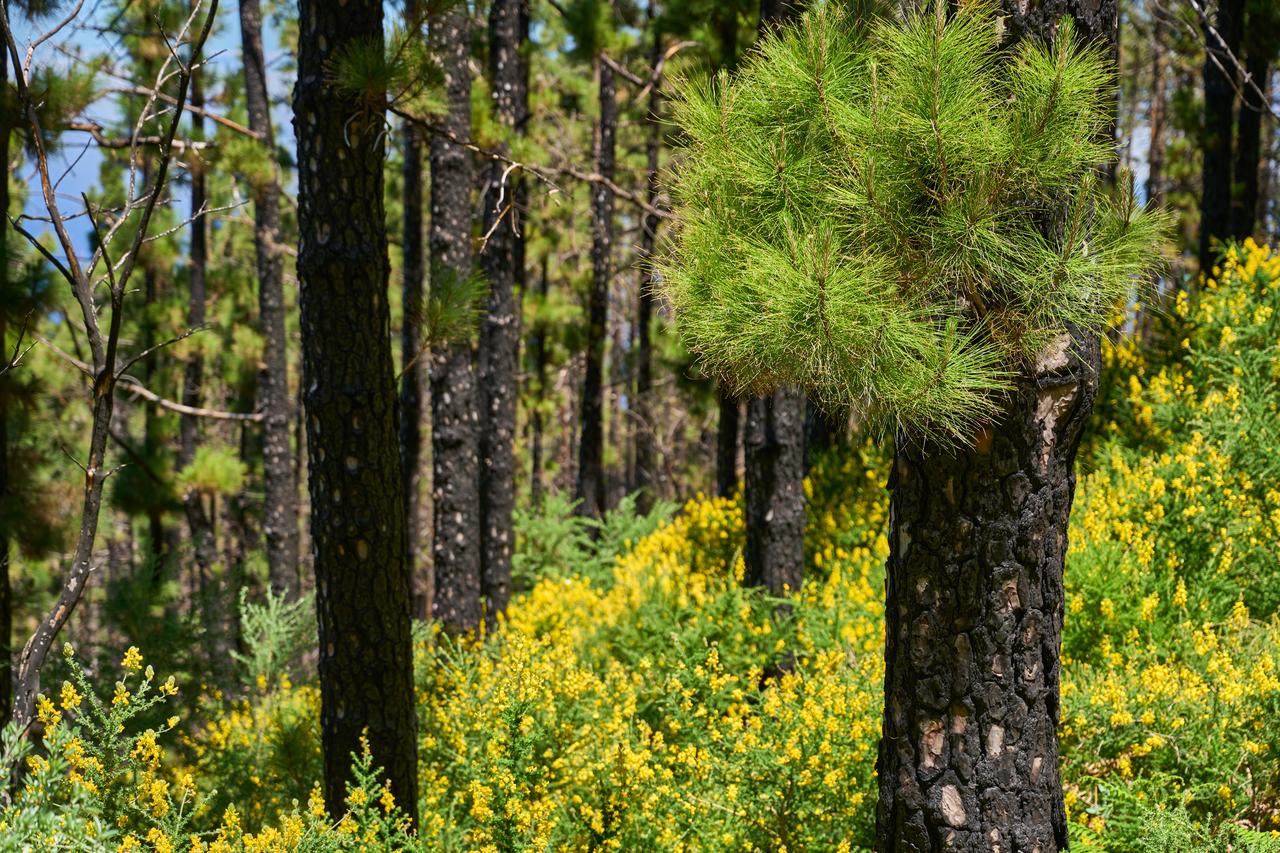
Dormant buds also allow resprouting after fire. In the Cape Floristic Region at the southwestern tip of South Africa, most plants resprout after fire and many seeds need fire to germinate. Snow gums protect their buds under thick bark, while stinging nettles keep them underground.
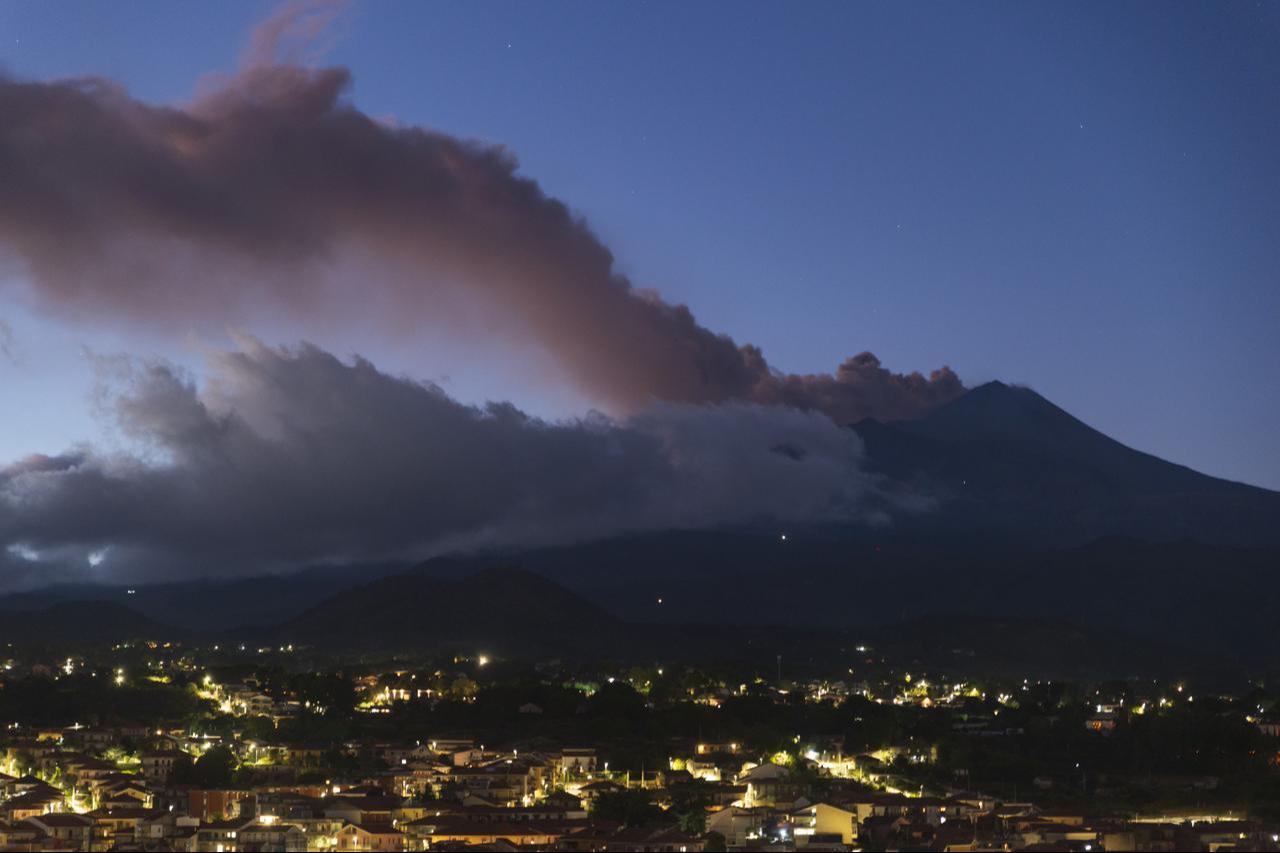
Almost 350,000 plant species produce seeds. Daniel Anstett, an evolutionary ecologist at Cornell University in the United States, said seeds can remain in stasis in the soil.
A 2021 Nature Communications paper said seed banks allow inactive individuals to revive when conditions improve. Seed banks also preserve genetic diversity, which Angert said is larger in big populations.
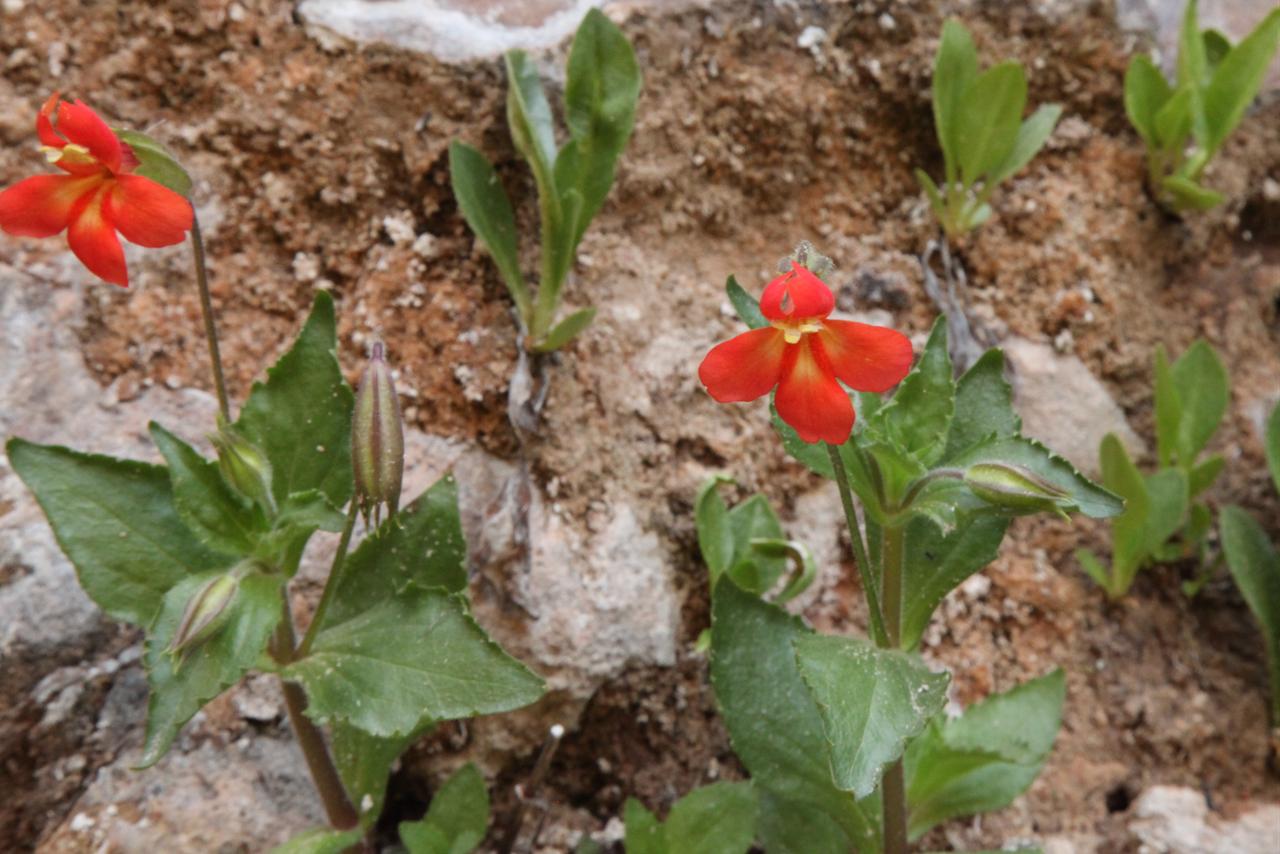
A study published in Science this year, with Angert and Anstett among the researchers, found that rapid evolution protected scarlet monkeyflower populations in the United States and Mexico during a drought between 2010 and 2018.
Researchers sequenced the genomes of 55 populations. Plants either grew fast and set seed before the autumn drought or grew slowly and waited it out. Genetic diversity allowed researchers to predict which populations would survive before the drought began.
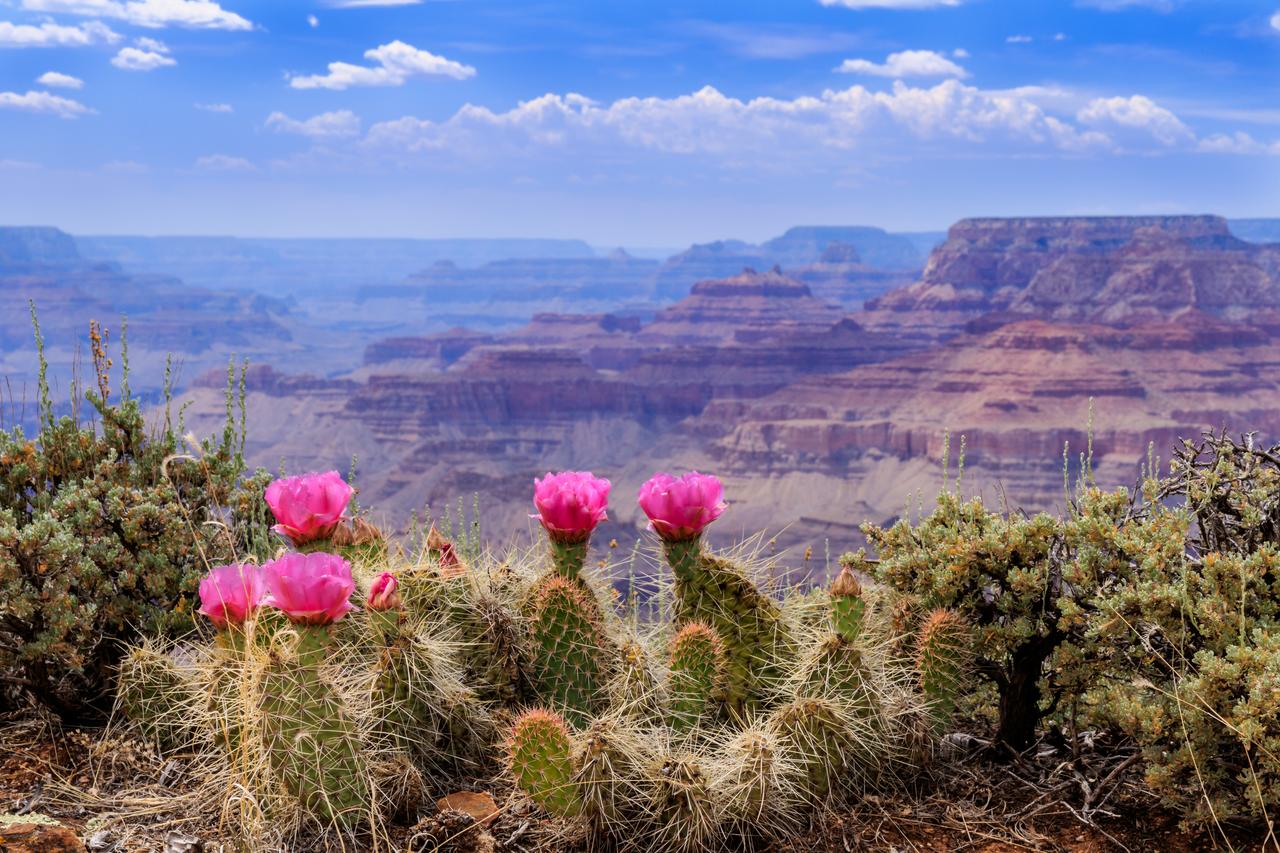
Zhen Xu, a paleobotanist at the University of Leeds in the United Kingdom, said flexible photosynthesis may have helped some plants survive the Great Dying.
A study in Nature Ecology & Evolution this year found that lycophytes, an ancient group of vascular plants, switched to CAM photosynthesis around the time of the extinction.
CAM plants close their leaf pores during the day to limit heat exposure and absorb carbon dioxide at night. The method is common in cacti and succulents.
A study in Cell this year reported that flowering plants duplicated their entire genomes in nine separate events over the past 150 million years. Yves Van de Peer, a genome biologist at Ghent University in Belgium, said the duplications cluster around major geological events, including cooling and warming periods and extinctions.
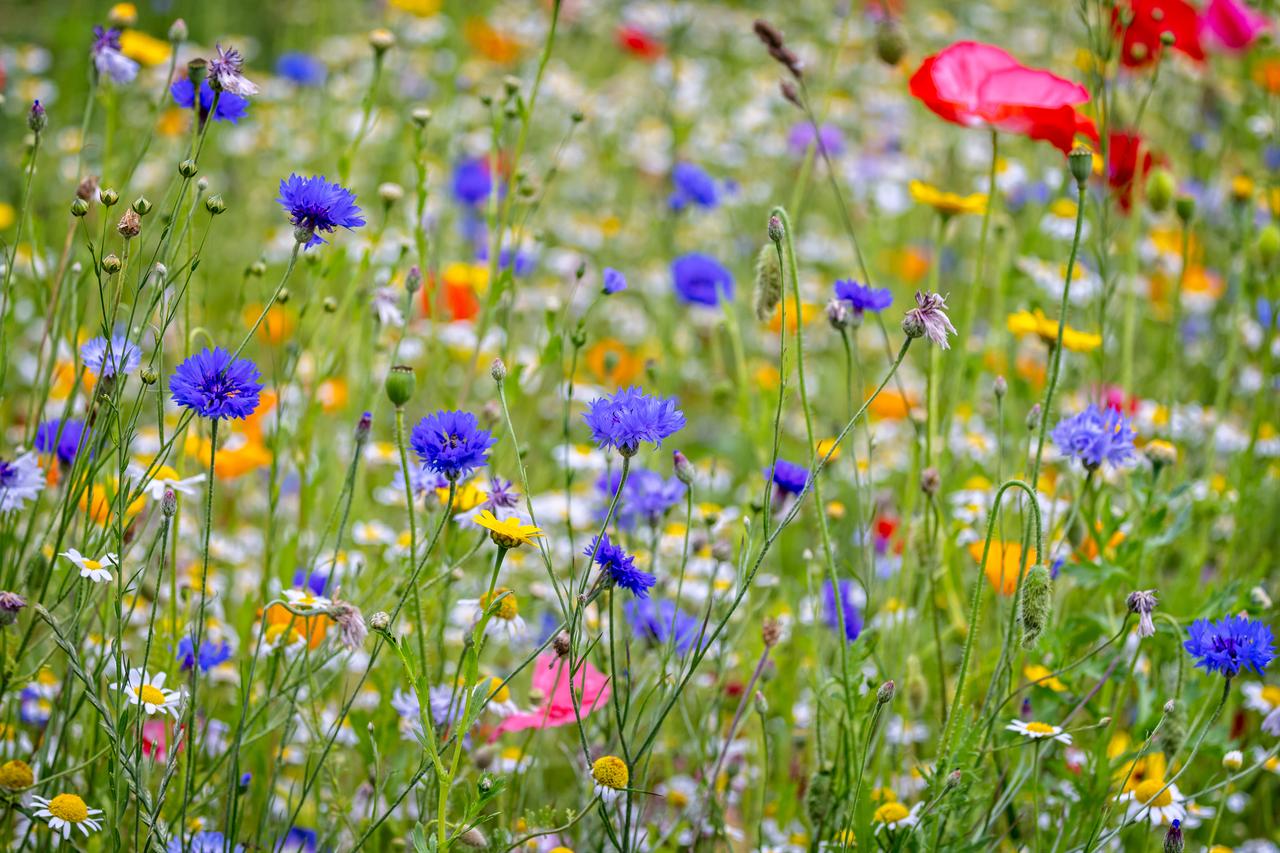
Experts said survival often comes down to luck, because each species holds a different set of tools and conditions decide which ones help.
Angert said connecting fragmented populations can increase genetic diversity and improve the odds for modern species. Anstett said disconnected populations risk losing the toolkit they need to adapt.


 Set as preferred source
 Set as preferred source



 2 min read