Newsletters


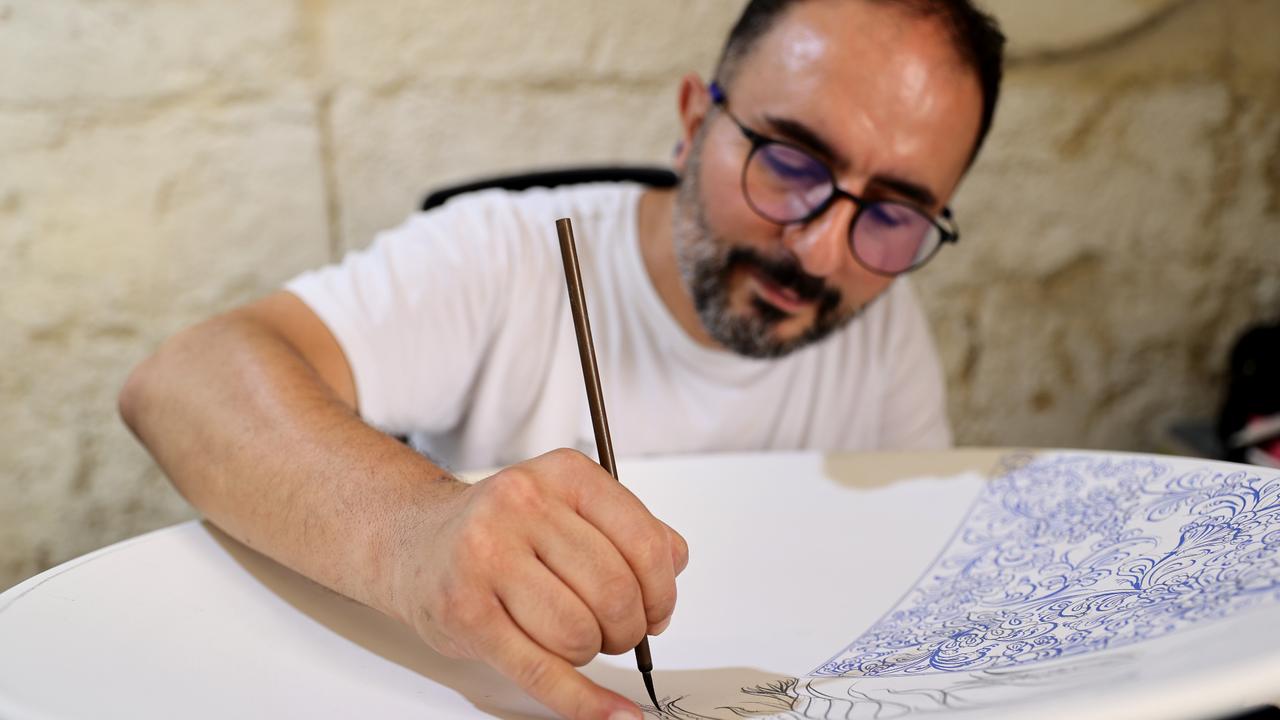
Zubeyir Ayhan, a 47-year-old ceramic artist based in Nevsehir, a city in Türkiye's Cappadocia region, has spent 28 years turning clay into original works that blend traditional Anatolian designs with motifs from cultures around the world.
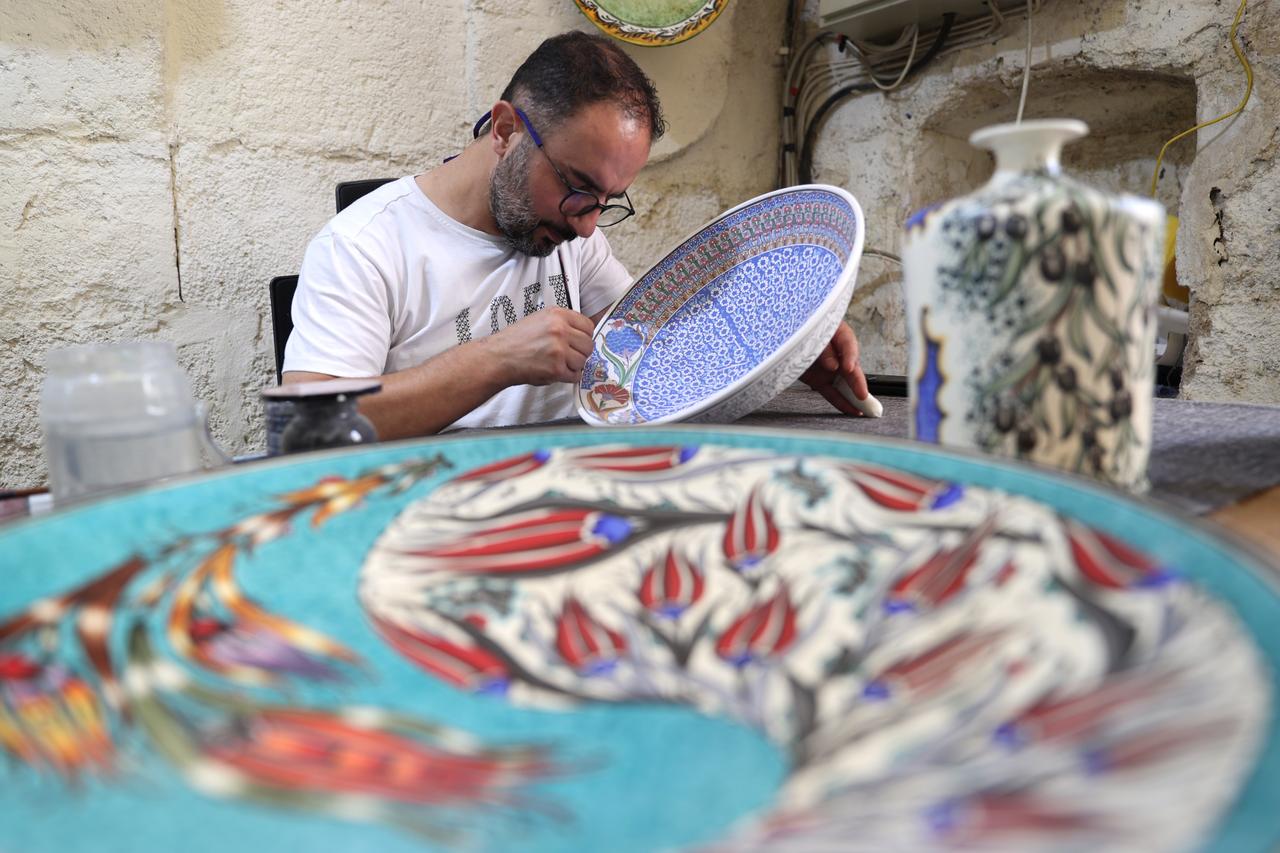
Ayhan's connection to art began in middle school, when an early fascination with the fine arts set him on a path he would not fully pursue until years later, following a recommendation from a friend.
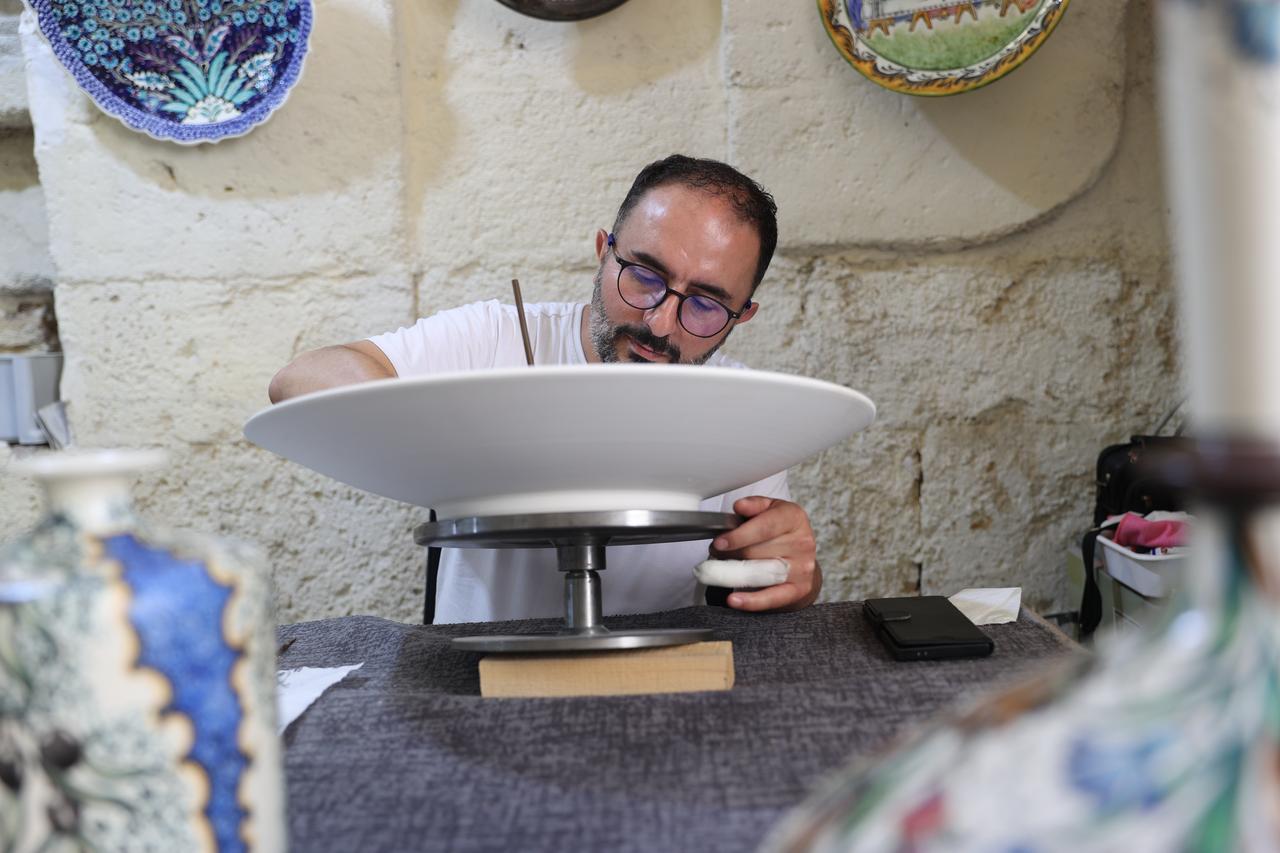
In 1998, Ayhan enrolled in a three-month ceramics course organized by the Public Education Center in Avanos, a district of Nevsehir known for its pottery tradition. The course marked the formal start of a craft he has practiced ever since.
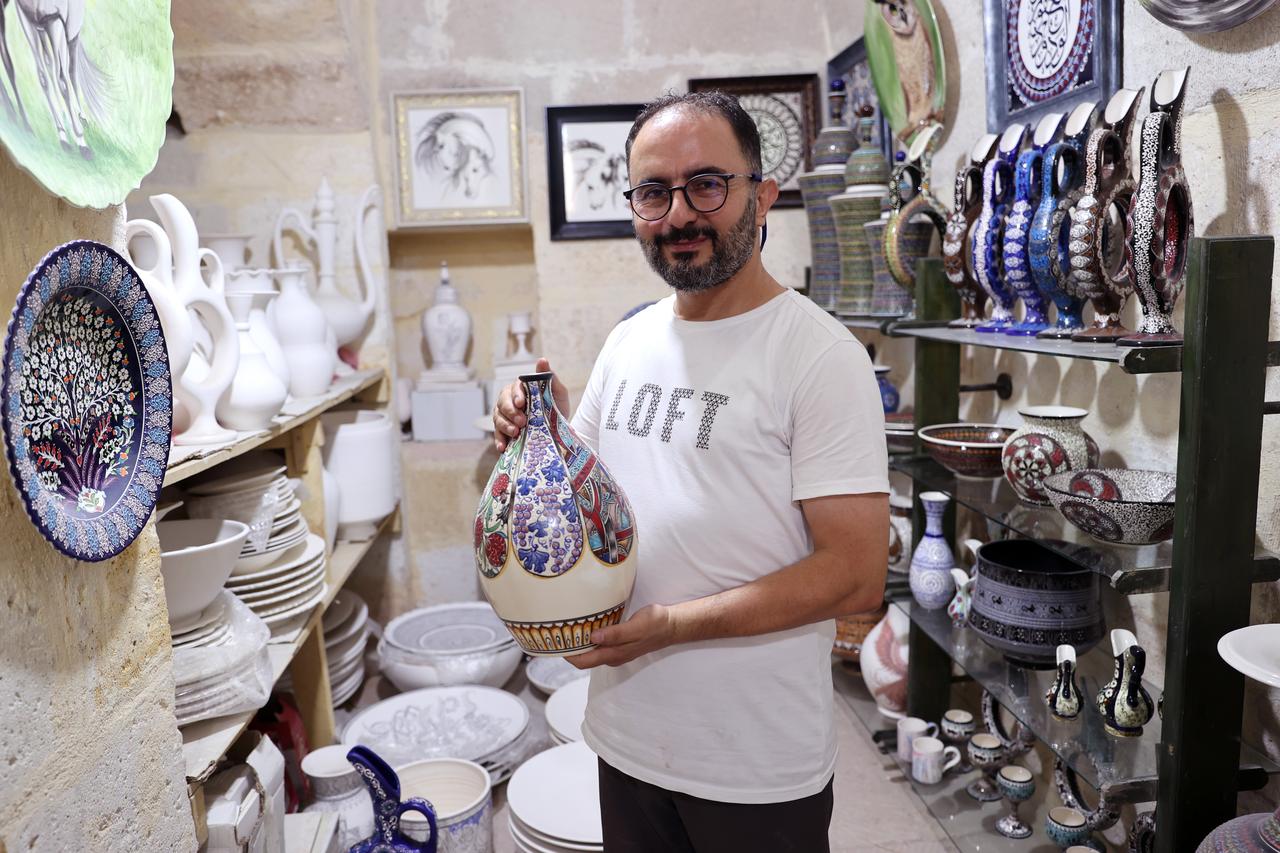
Twenty-eight years on, Ayhan still describes himself as an apprentice.
"This art has no end," he said, explaining that mastery, in his view, is never fully achieved, only continually pursued through practice in his workshop in Avanos.
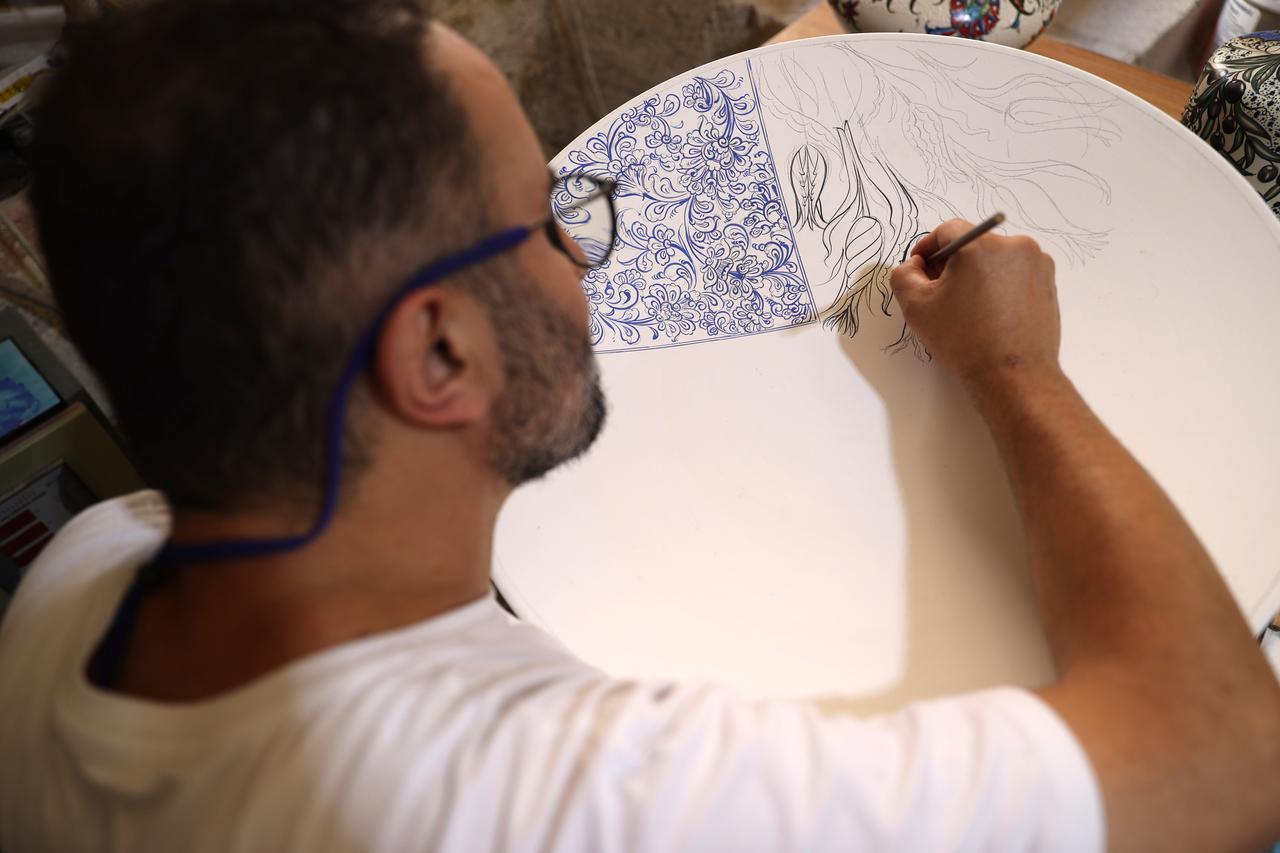
Over the decades, Ayhan has developed a style that synthesizes Seljuk-era tile art and Iznik ceramic traditions with motifs borrowed from Chinese and Indian art, including mandala designs, producing pieces that reflect multiple cultures in a single work.
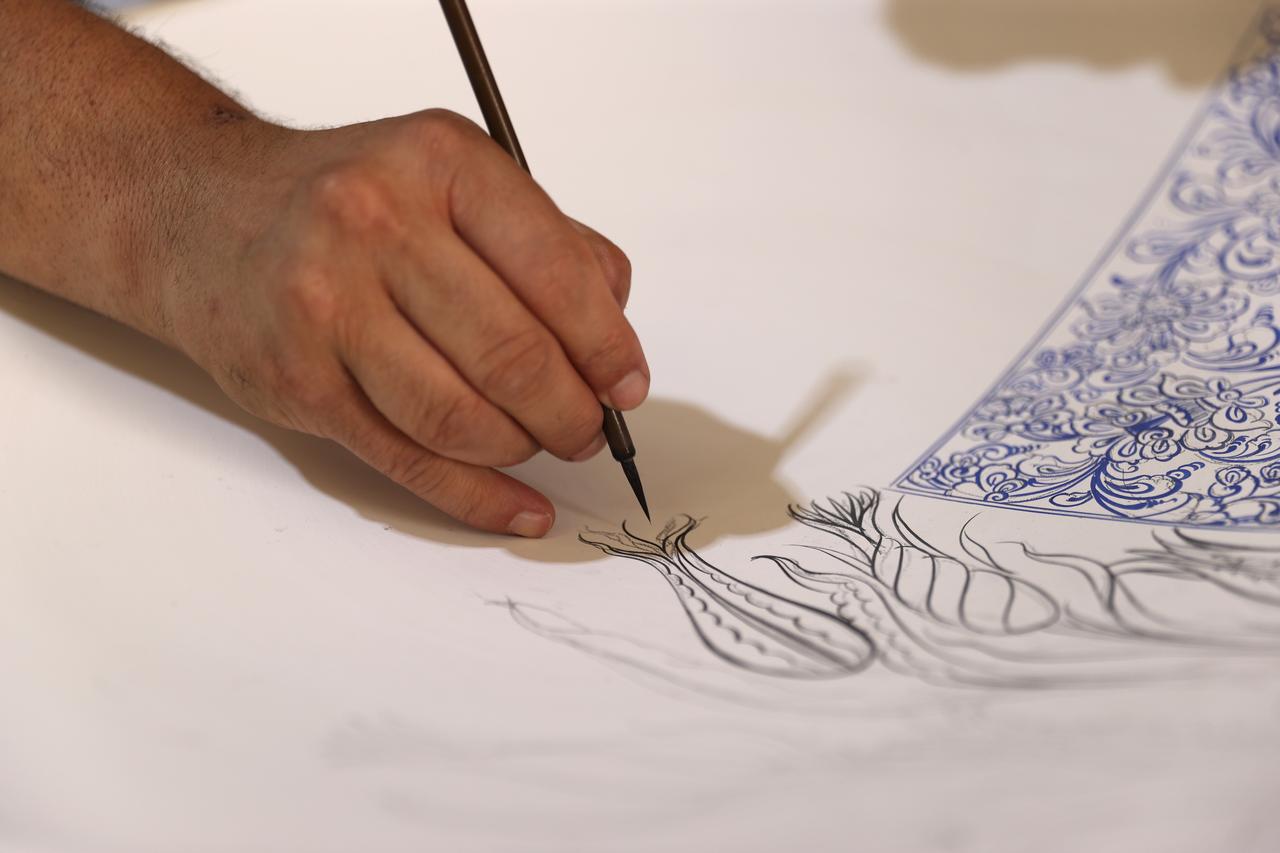
Each piece follows a lengthy process: drawing, painting, glazing and firing, the last of which takes three to four days and carries risks such as cracking.
"It's entirely a matter of patience," Ayhan said, describing the craft as both his profession and his hobby.
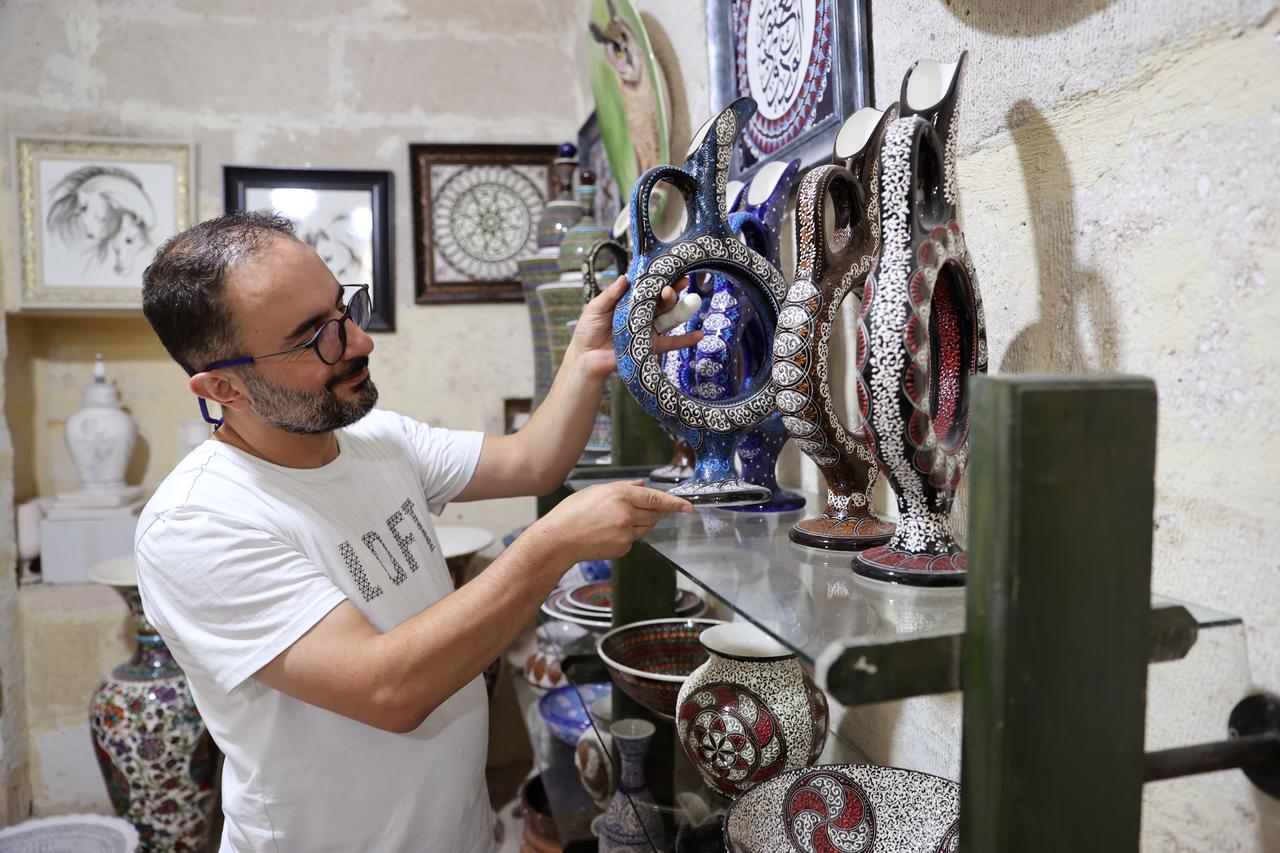
Ayhan's ceramics reach collectors far beyond Türkiye, carried abroad largely by tourists visiting Cappadocia, a region known internationally for its rock formations and pottery.
"I'm glad I learned this profession," he said of the recognition his work has gained over the years.
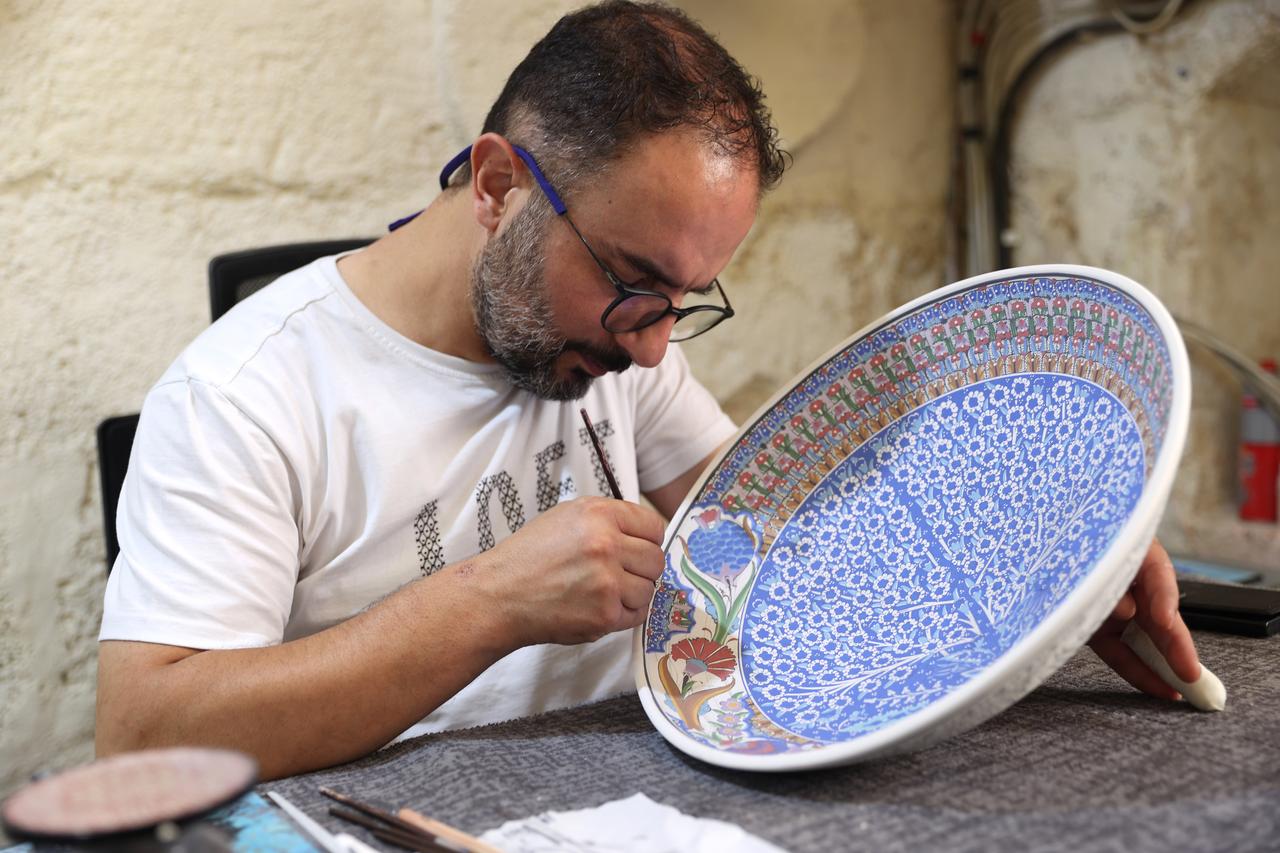
Ayhan has previously trained students through courses run by the Nevsehir Municipality, though he said few people remain active in the profession due to declining interest.
He added that his workshop door remains open to young people who want to learn the craft.


 Set as preferred source

 1 min read