Newsletters





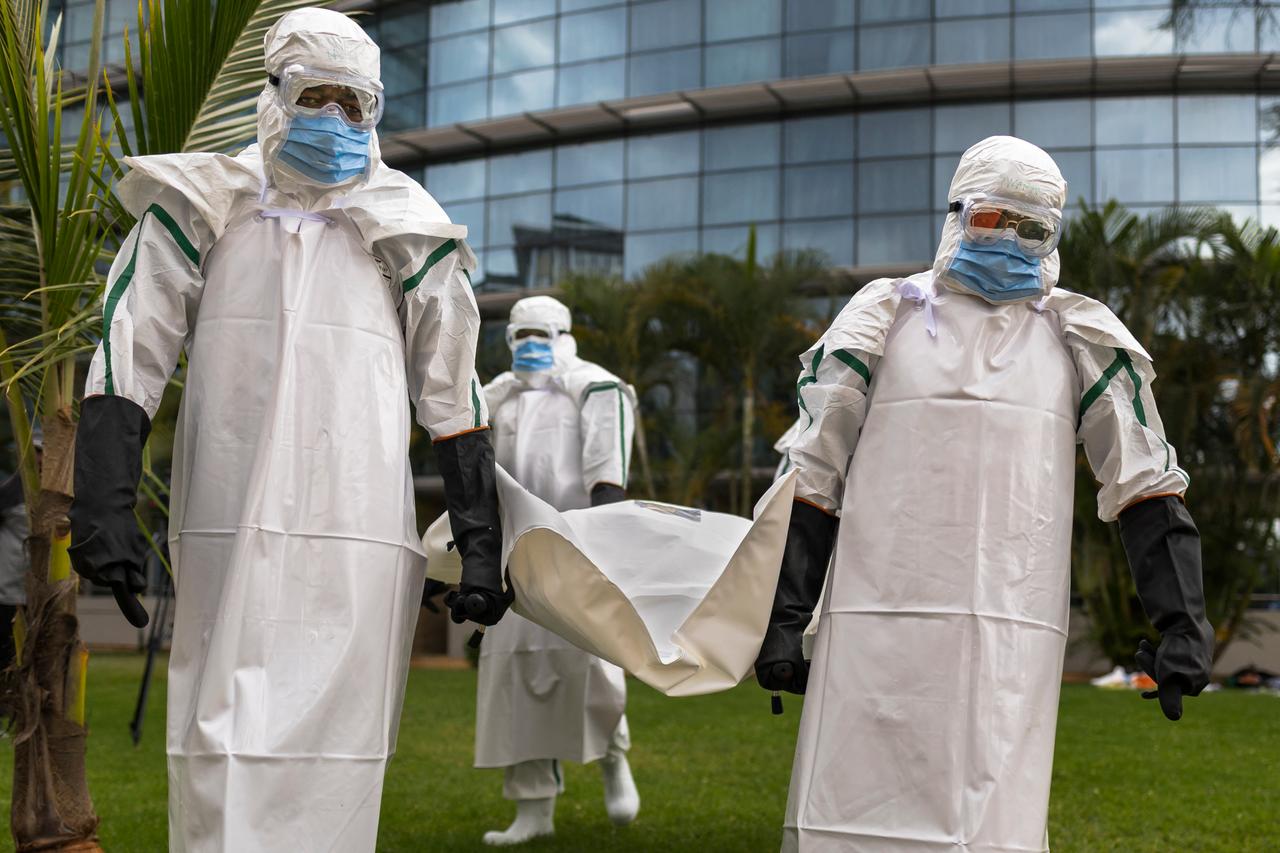
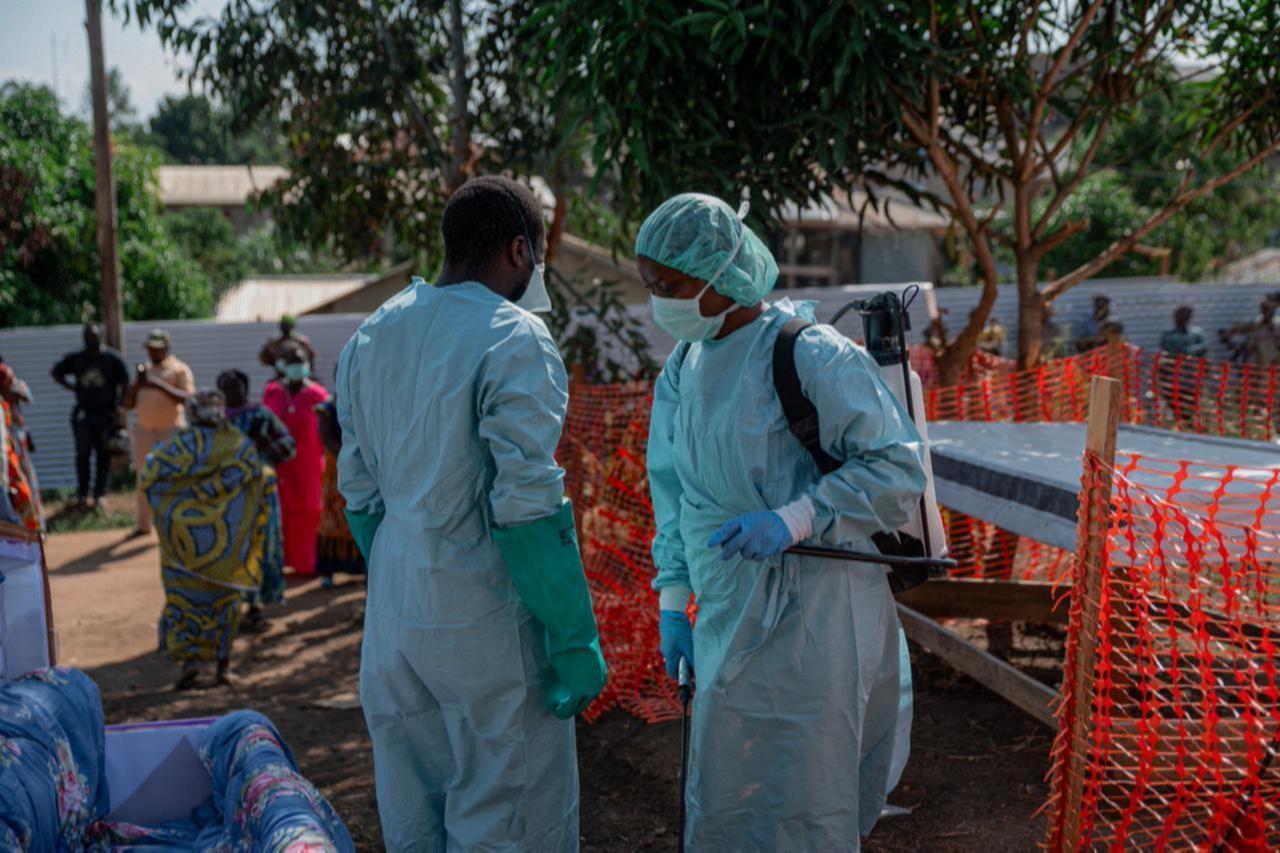
The World Health Organization (WHO) will expand an Ebola vaccine trial in the Democratic Republic of Congo (DRC) with two more candidates, Director-General Tedros Adhanom Ghebreyesus said.
Tedros said at a news conference in Geneva that WHO expert groups had recommended including ChAdOx1 BDBV, developed by Oxford University with the Serum Institute of India, and Moderna’s mRNA-1469, a messenger RNA vaccine. Both candidates were designed specifically for the Bundibugyo virus, one of several species of Ebola virus.
The trial began last month with Ervebo, a vaccine approved against Ebola caused by the Zaire virus, another species of the virus, but not for the Bundibugyo virus.
More than 10,000 Ebola cases and 5,000 deaths have been reported in Congo, where new infection hotspots continue to emerge, said Tedros.
Kenya has reported nine cases, including two deaths, while Nigeria has confirmed one case, the WHO said.
Tedros urged the removal of travel restrictions imposed by some countries, warning that they could discourage transparent reporting.
“We call on countries that have imposed travel restrictions to lift them. Such restrictions punish countries for doing the right thing, create disincentives for transparency, and harm the response,” said Tedros. The “WHO is supporting all countries neighboring DRC to prepare for the possible importation of cases.”
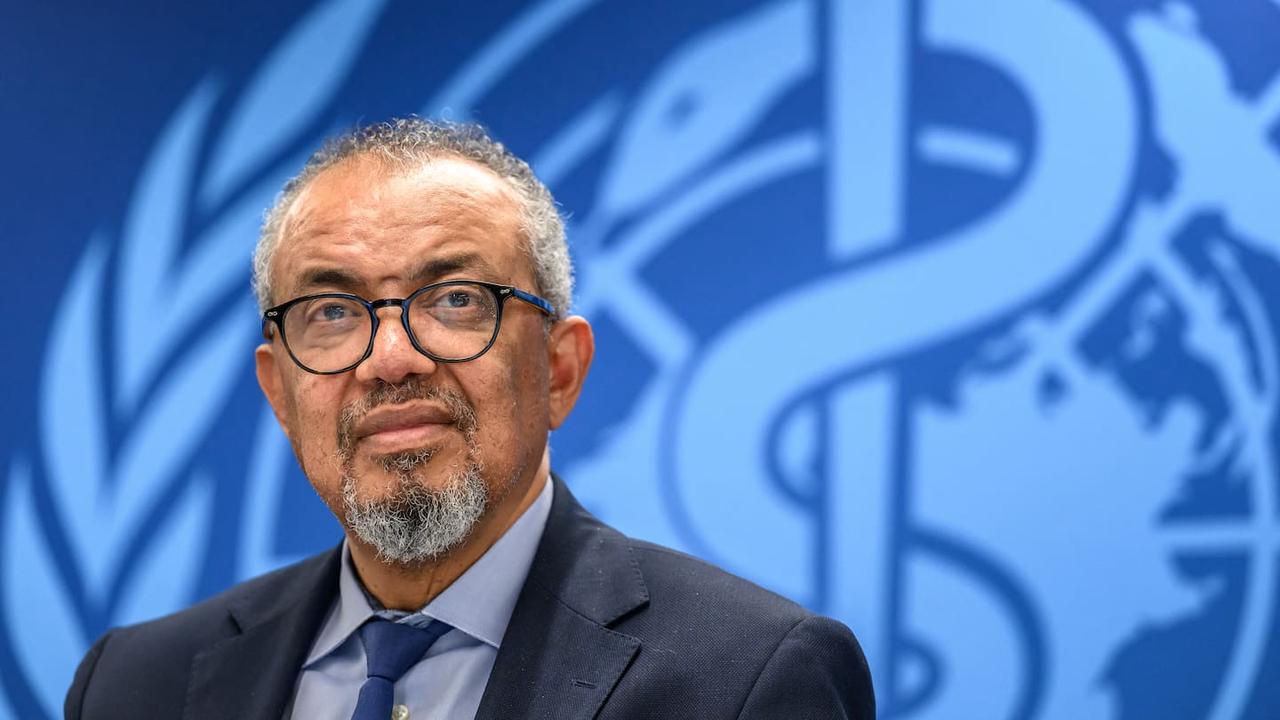

Ahead of next week’s climate summit in Türkiye, Tedros warned that climate change is affecting public health.
“Once again, WHO will be making the case that the climate crisis is a health crisis, and that health is the most compelling reason for climate action,” he said. “The health impacts of climate change are not a theoretical risk for the future. They are right here and right now.”
The WHO estimates that expanding measures such as heat warnings, improved sanitation and cleaner household energy could prevent 1.6 million deaths annually, while generating $9.3 trillion in combined economic and fiscal benefits.
“Ultimately, climate action is not a cost; it’s an investment in healthier people, a healthier planet, and healthier economies,” he said.
Tedros said that the WHO verified more than 230 attacks on healthcare since the war in Sudan began, causing over 2,000 deaths and hundreds of injuries.
He described the war, now in its fourth year, as “one of the world’s largest humanitarian and health crises,” saying it continues to be “forgotten and ignored by the international community.”
He also warned that a recent increase in drone attacks was taking a heavy toll on civilians and essential infrastructure, while insecurity and restrictions on humanitarian access continued to obstruct healthcare delivery.
The WHO chief urged all parties to “respect international humanitarian law, protect civilians and civilian infrastructure, and safeguard health facilities, health workers and patients.”


 Set as preferred source
 Set as preferred source


 1 min read
 1 min read