Newsletters


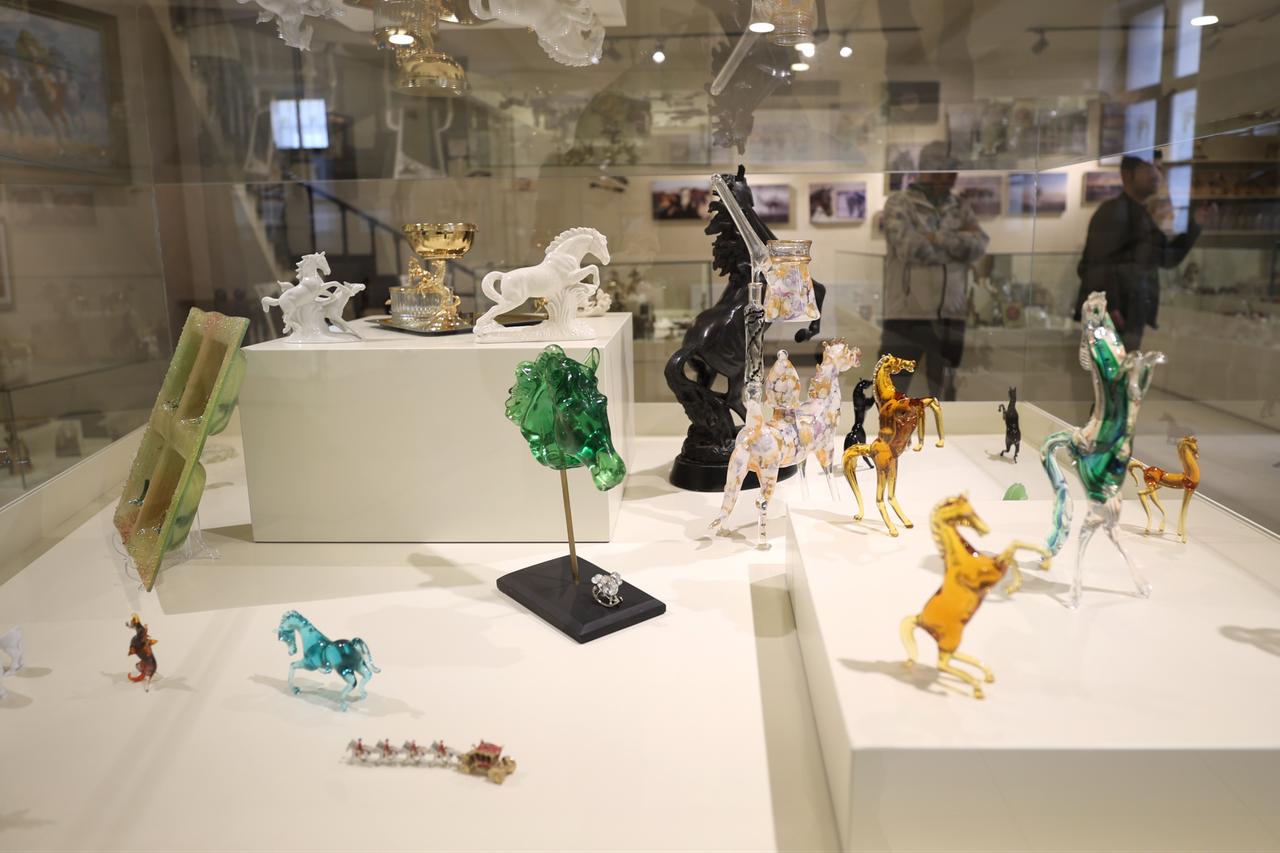


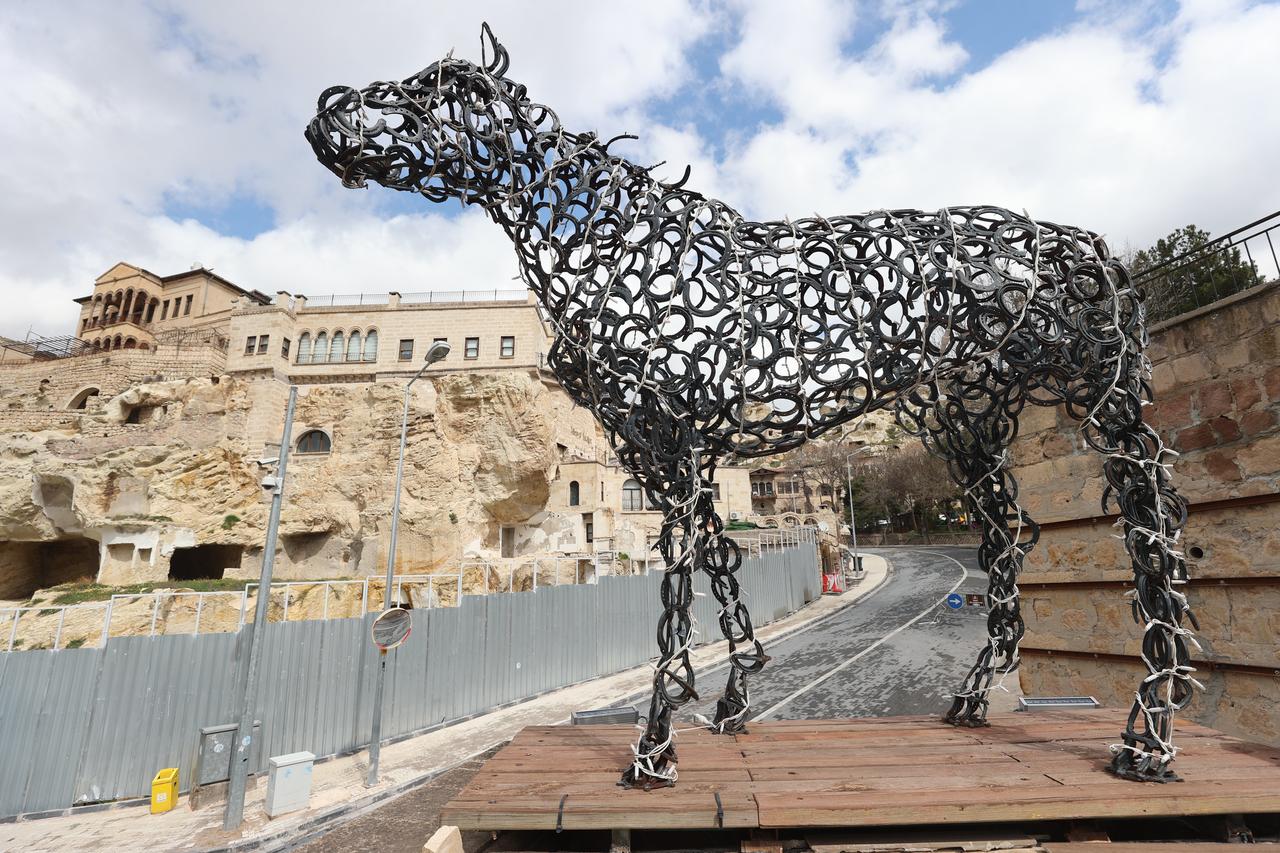
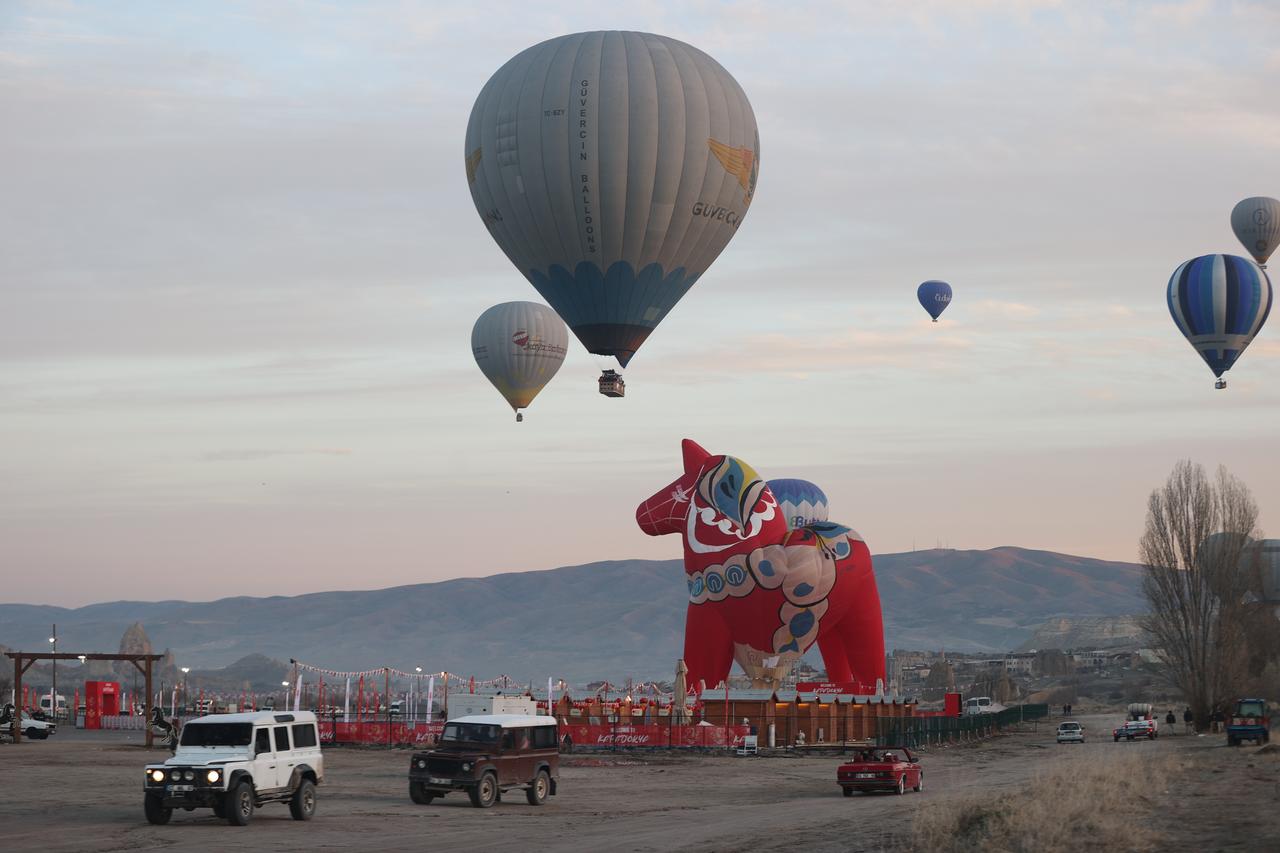
Known in history as the "land of beautiful horses," Cappadocia is now home to a museum that brings together art, memory and local tradition under one roof. Opened last year in Urgup, the Erhan Ayata Beautiful Horses Museum has begun to stand out as a new stop for both domestic and international visitors exploring the region.
The museum presents Cappadocia's equestrian heritage, meaning its historical culture of horse breeding, riding and everyday life with horses, through a wide-ranging collection. Inside, visitors come across sculptures, paintings, photographs, traditional objects and modern artworks, all centered on the place of the horse in human history.
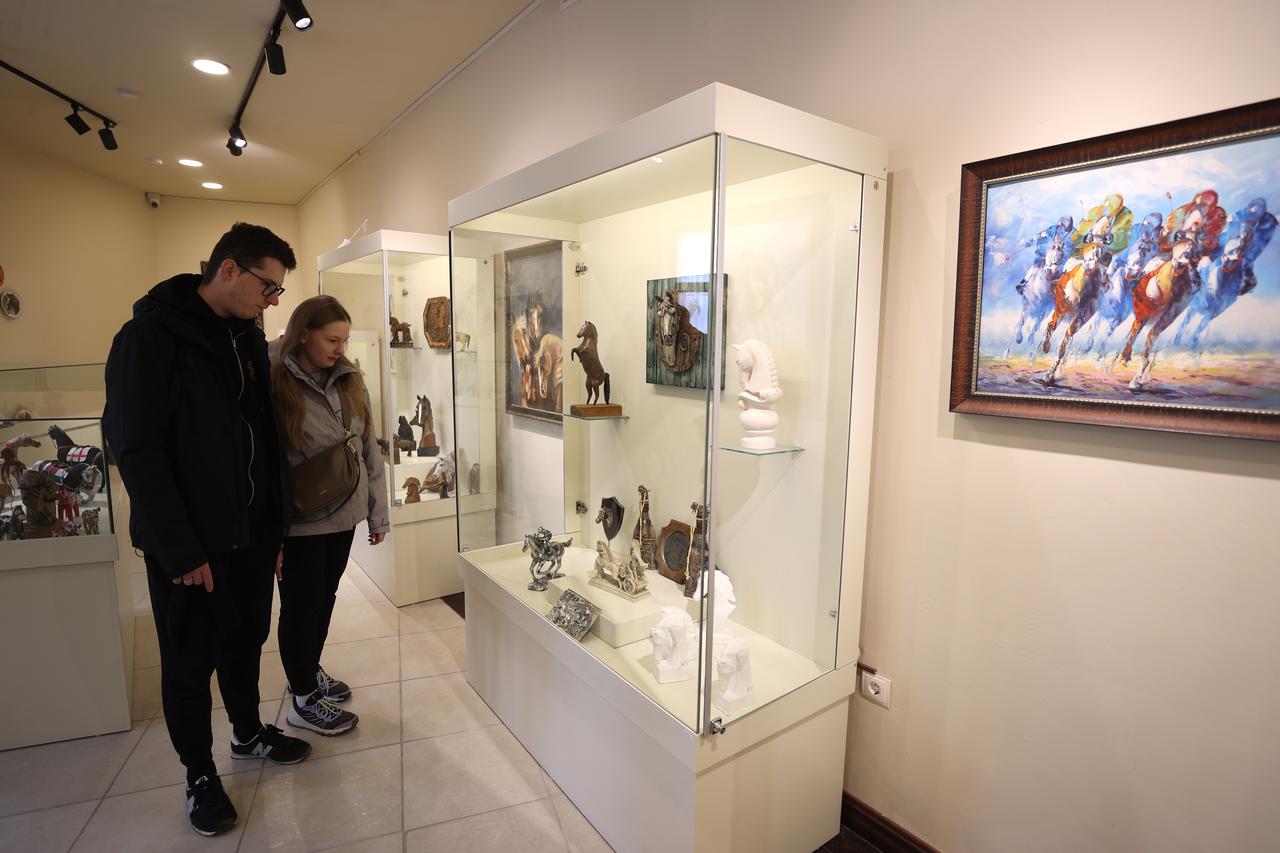

Managed by the municipality in cooperation with the Cappadocia Area Directorate, the museum is intended to support Urgup's cultural tourism and turn the region's heritage into a more tangible experience for visitors.
Urgup Mayor Ali Ertugrul Bul said the region had been shaped by horse culture for thousands of years. He explained that after two years of organizing the Cappadocia Horse Festival, they realized there was no dedicated venue focused on this theme apart from ranches offering horseback tours, which led them to set up the museum.
Bul said the museum has become an important stop, especially for travelers interested in culture tourism. He noted that the collection was built around 450 horse-related works gathered by Erhan Ayata, a Bodrum-based collector who had acquired horse figures through auctions. He also said the historic building was restored quickly so the collection could be displayed there.
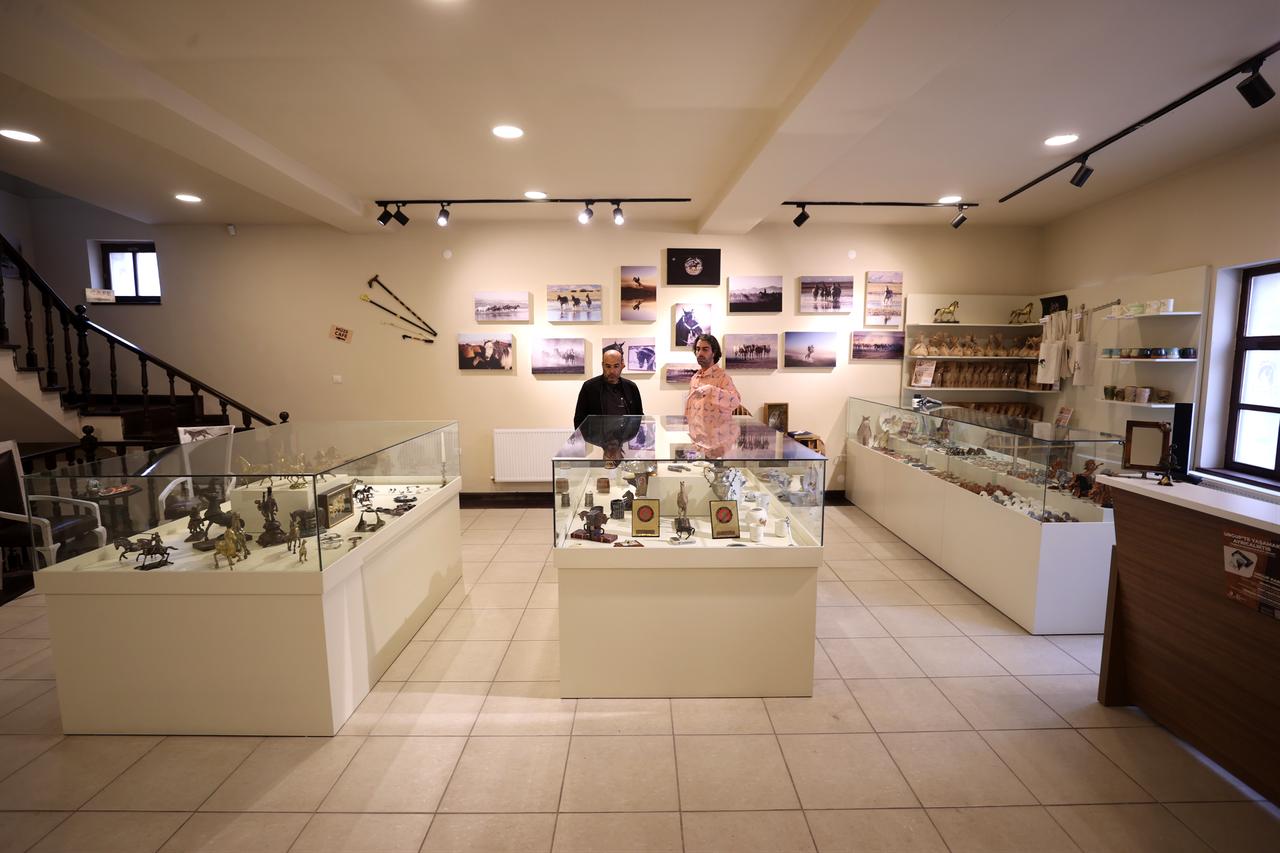
He added that photographs of feral horses taken in the region by photographer Zeynep Sezerman helped round out the museum's overall character.
Reflecting on the place of horses in local life, Bul said his childhood in the area had shown him how important horses once were, including in agriculture before tractors became widespread. He also underlined that horses remain well-suited to Cappadocia's landscape and continue to be part of the region both through tourism rides and everyday familiarity.
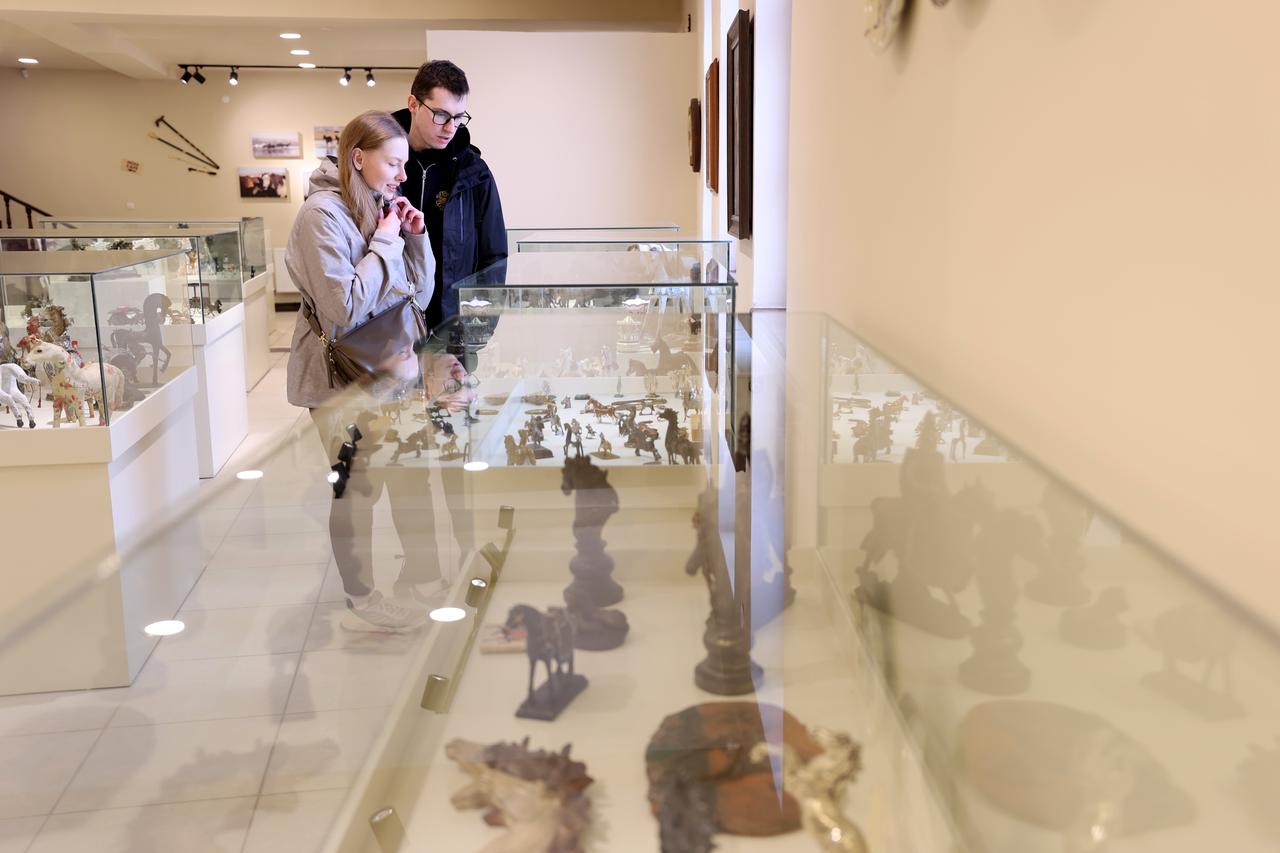
Museum manager Ali Cuhadar said they were pleased with the level of interest shown by visitors. He described the audience as people who are curious about horses, want to hear their stories and are interested in the collection itself.
Cuhadar said the museum tries to show that horses, like people, also carry stories, and he noted that the collection includes objects brought together from different parts of the world.
That appeal is also reflected in visitor reactions. Doga Olmez, who is interested in riding, said she joins horseback tours among Cappadocia's fairy chimneys whenever she has the chance. Fairy chimneys are the tall, cone-shaped rock formations for which Cappadocia is widely known. She said the museum offers a place where people can get to know horse culture more closely and added that horse lovers should definitely visit.
Polish visitor Arthur Dvorak also spoke positively about the museum after viewing the exhibits. He said it offered a striking experience where visitors could see many different representations of horses and observe how materials such as fabric, glass and ceramic had been brought together around the same theme.
As the museum brings together local memory, artistic expression and a long-standing regional tradition, it is helping Cappadocia's horse heritage live on in a form that visitors can step into directly.


 Set as preferred source
 Set as preferred source


 1 min read
 1 min read